- Dissolve jaggery in hot water, strain to remove impurities, and let cool.
- Combine wheat flour and rice flour in a mixing bowl.
- Add the jaggery water, milk, and enough water to form a thick batter (similar to pancake batter).
- Cover and let the batter rest for 4-5 hours.
- Mix in dry fruits, fennel seeds, coconut, and cardamom powder.
- Heat oil or ghee in a kadhai for deep frying.
- Pour batter into the hot oil in circular motions to form 3-inch disks. Fry until the edges are crisp.
- Flip and fry the other side until golden brown.
- Drain excess oil and serve warm.
- Calories:1080 kcal25%
- Energy:4518 kJ22%
- Protein:8 g28%
- Carbohydrates:160 mg40%
- Sugar:90 mg8%
- Salt:15 g25%
- Fat:45 g20%
Last Updated on 6 months ago by Neha Deshmukh
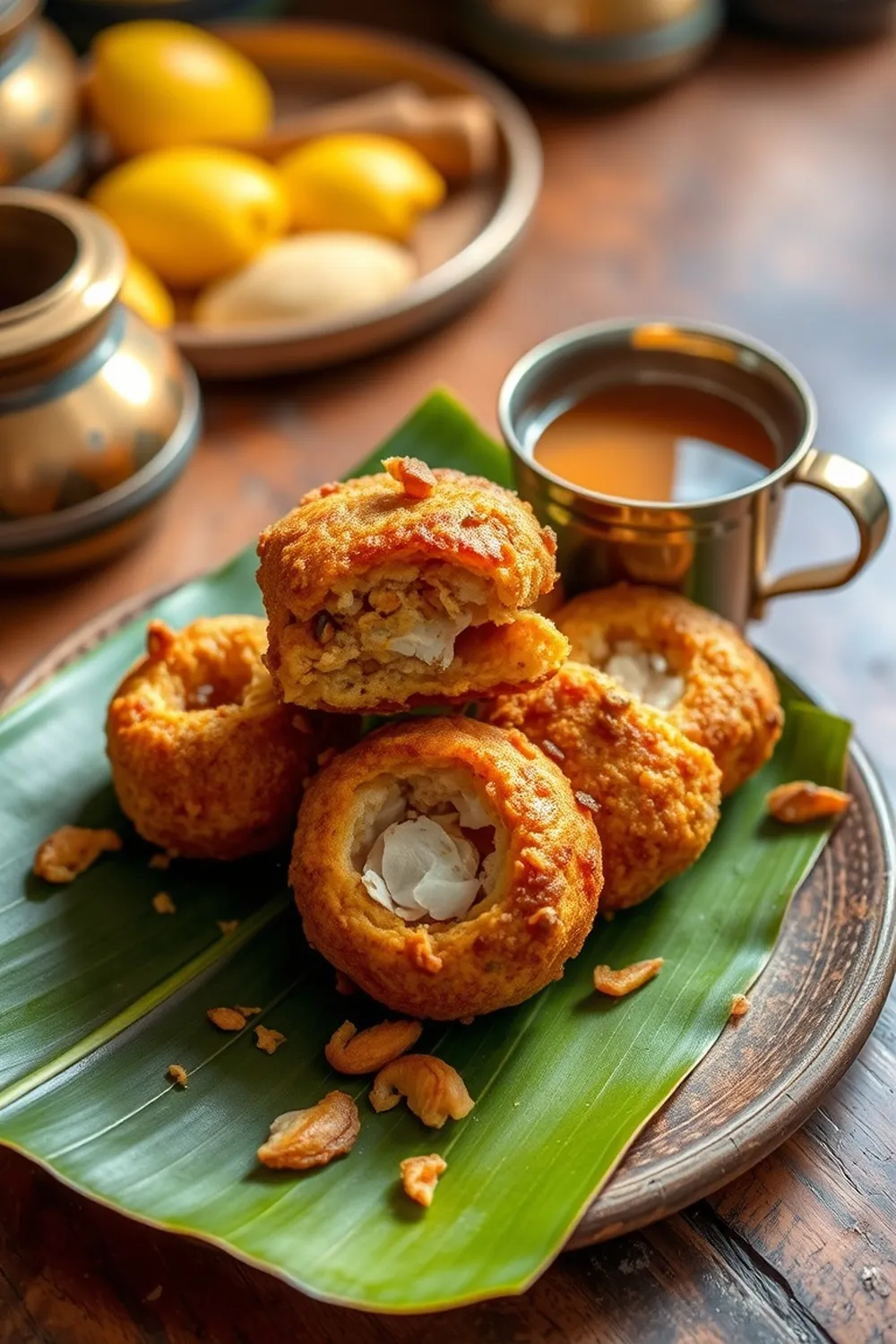
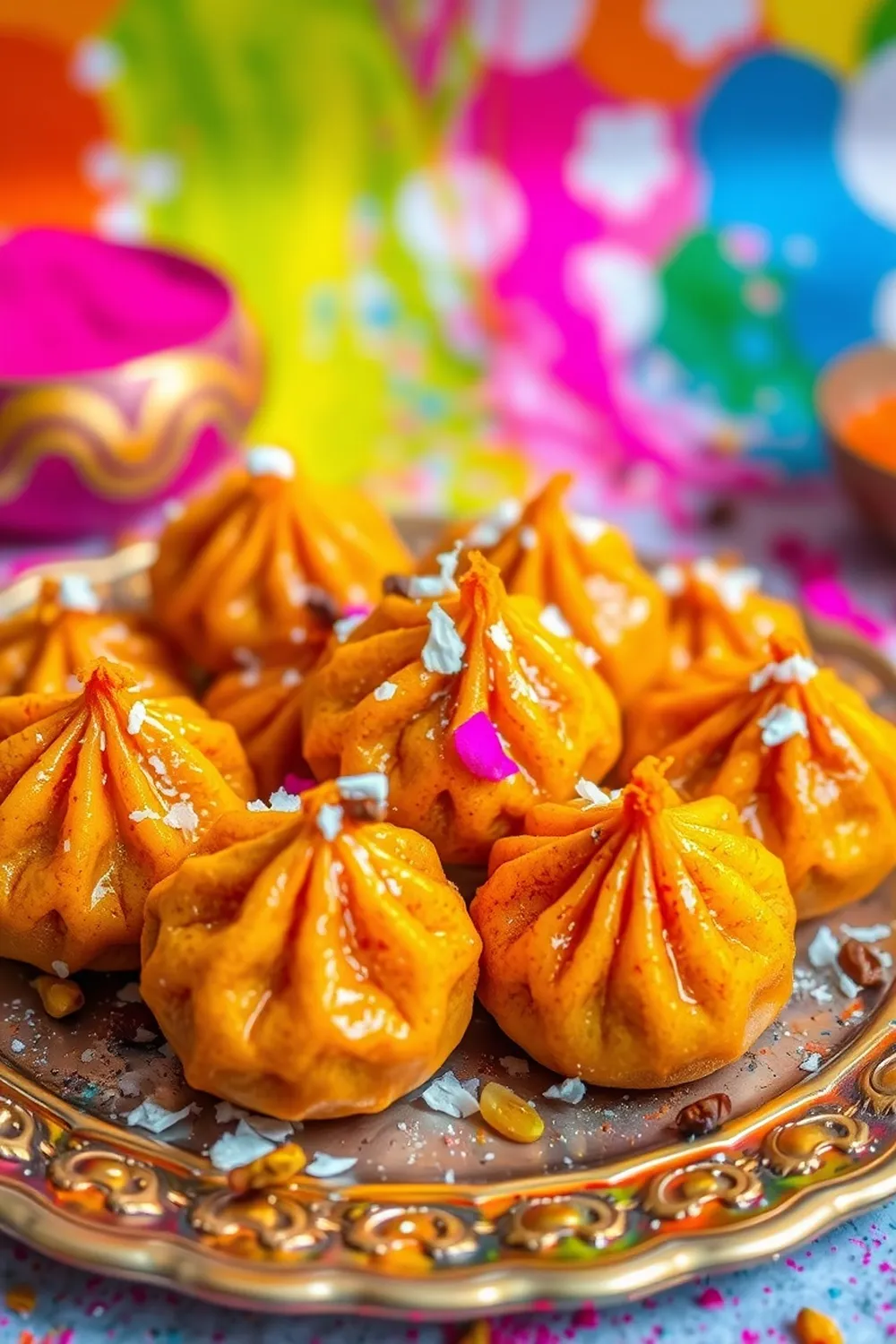
Authentic Gud Shakkar Pare Recipe – Jaggery & Coconut Fritters
Hey everyone! Today, I’m sharing a recipe that’s been a family favorite for generations – Gud Shakkar Pare. These aren’t just fritters; they’re little bites of nostalgia, especially around festivals. I remember helping my grandmother make these as a kid, and the sweet aroma of jaggery always filled the house. It’s a bit of work, but trust me, the result is so worth it!
Why You’ll Love This Recipe
Gud Shakkar Pare (sometimes spelled Shakkarpara) is a delightful Indian sweet, perfect for festive occasions or just a cozy afternoon treat. The combination of jaggery, coconut, and a hint of cardamom is simply divine. They’re crispy, subtly sweet, and incredibly moreish – you won’t be able to stop at just one! Plus, this recipe uses simple ingredients you likely already have in your pantry.
Ingredients
Here’s what you’ll need to make these delicious Gud Shakkar Pare:
- 1 cup Wheat Flour (approx. 120g)
- 1 tbsp Rice flour (approx. 8g)
- ¼ cup Milk (approx. 60ml)
- ½ cup Crushed Jaggery/Gud (approx. 120g)
- 2 tbsp Dry fruits (cashewnuts & raisins) (approx. 20g)
- 1 tbsp Dry or fresh coconut (approx. 10g)
- ¼ tsp Cardamom powder (approx. 0.5g)
- Oil/Ghee for deep frying
- Fennel seeds (a pinch)
Ingredient Notes
Let’s talk ingredients! A few little things can make a big difference:
- Jaggery/Gud: This is the star! You can use any variety – old jaggery has a deeper flavor, while newer jaggery is lighter. If you can find it, desi jaggery is fantastic.
- Wheat Flour: I prefer using whole wheat flour (atta) for a slightly nutty flavor, but you can use all-purpose flour (maida) if that’s what you have.
- Coconut: Freshly grated coconut is amazing if you can get it! But desiccated coconut works perfectly well too. In my family, we always used fresh coconut during monsoon season when it’s readily available.
- Ghee vs. Oil: Traditionally, these are fried in ghee for a richer flavor. But oil works just fine too – I often use sunflower oil for a lighter option.
Step-By-Step Instructions
Alright, let’s get cooking!
- First, dissolve the crushed jaggery in hot water. Let it sit for a few minutes, then strain it through a fine-mesh sieve to remove any impurities. Allow it to cool completely.
- In a mixing bowl, combine the wheat flour and rice flour.
- Now, add the cooled jaggery water, milk, and enough water to form a thick batter – think pancake batter consistency. Don’t add all the water at once; add it gradually until you get the right texture.
- Cover the batter and let it rest for at least 4-5 hours. This is crucial for the perfect texture. I usually make it in the morning and fry them in the evening.
- Once rested, mix in the dry fruits, fennel seeds, coconut, and cardamom powder. Give it a good stir to ensure everything is well combined.
- Heat oil or ghee in a kadhai (deep frying pan) over medium heat.
- Now for the fun part! Pour the batter into the hot oil in circular motions to form 3-inch disks. Don’t overcrowd the kadhai.
- Fry until the edges turn golden brown and crispy.
- Flip and fry the other side until it’s also golden brown.
- Remove the Shakkar Pare and drain them on paper towels to remove excess oil. Serve warm and enjoy!
Expert Tips
- Batter Consistency: The batter should be thick enough to hold its shape when poured into the oil, but not so thick that it’s difficult to fry.
- Oil Temperature: Maintaining the right oil temperature is key. If it’s too hot, the Shakkar Pare will burn on the outside before cooking through. If it’s too cold, they’ll absorb too much oil.
- Frying in Batches: Don’t overcrowd the kadhai. Fry in small batches to ensure even cooking and crispness.
Variations
Want to switch things up? Here are a few ideas:
- Vegan Adaptation: Simply substitute the milk with your favorite plant-based milk – almond, soy, or oat milk all work well.
- Gluten-Free Adaptation: Use a gluten-free flour blend instead of wheat flour. You might need to adjust the amount of liquid slightly.
- Spice Level: If you love a bit more warmth, add a pinch of nutmeg or a tiny bit of clove along with the cardamom. My friend, Priya, always adds a tiny pinch of nutmeg!
- Festival Adaptations: These are especially popular during Diwali and Holi. You can add a few strands of saffron to the batter for a festive touch.
Serving Suggestions
Gud Shakkar Pare are best enjoyed warm, with a cup of chai (Indian tea). They also make a lovely addition to a festive platter or as a sweet treat after a meal.
Storage Instructions
Store cooled Shakkar Pare in an airtight container at room temperature for up to 3-4 days. They might lose a little of their crispness over time, but they’ll still be delicious!
FAQs
Let’s answer some common questions:
- What is the best type of jaggery to use for Shakkar Pare? Desi jaggery is fantastic, but any good quality jaggery will work.
- Can I make this batter ahead of time and store it? Absolutely! In fact, resting the batter is essential. You can make it a day in advance and store it in the refrigerator.
- How do I achieve the perfect crispness when frying? Make sure the oil is at the right temperature and don’t overcrowd the kadhai.
- What is the significance of fennel seeds in this recipe? Fennel seeds aid digestion and add a lovely aromatic flavor. They’re traditionally used in Indian sweets.
- Can I use a different type of nut instead of cashews and raisins? Yes, feel free to experiment! Almonds, pistachios, or even chopped walnuts would be delicious.
Enjoy making these delightful Gud Shakkar Pare! I hope this recipe brings a little sweetness to your day. Let me know how they turn out in the comments below!


Neha Deshmukh
Neha holds a B.A. in History with a focus on Indian and world history, including ancient, medieval, and modern periods. At RecipesOfIndia.org — the world’s largest database of Indian recipes — she combines her love for food and history by exploring how India’s past has shaped its culinary traditions.