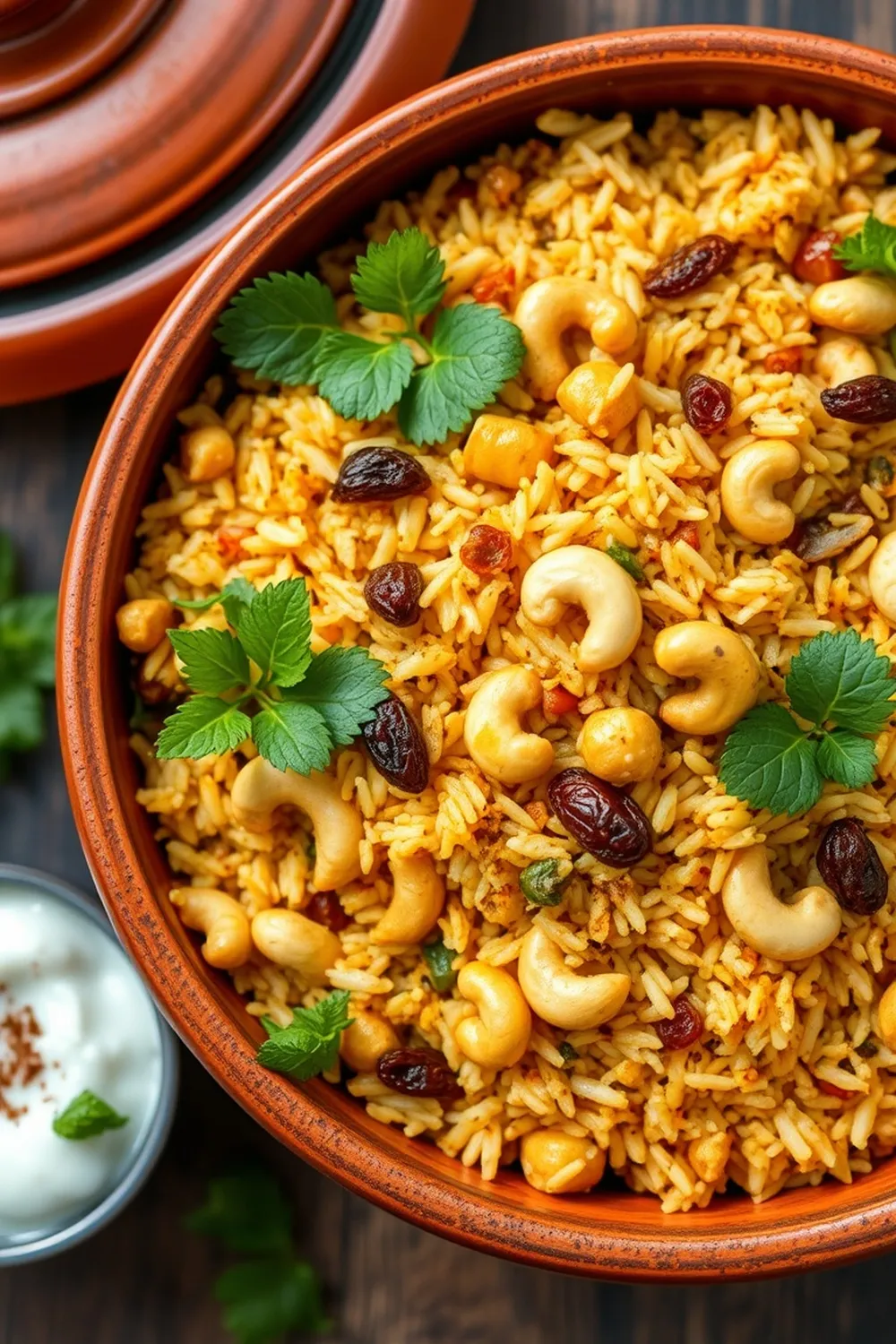
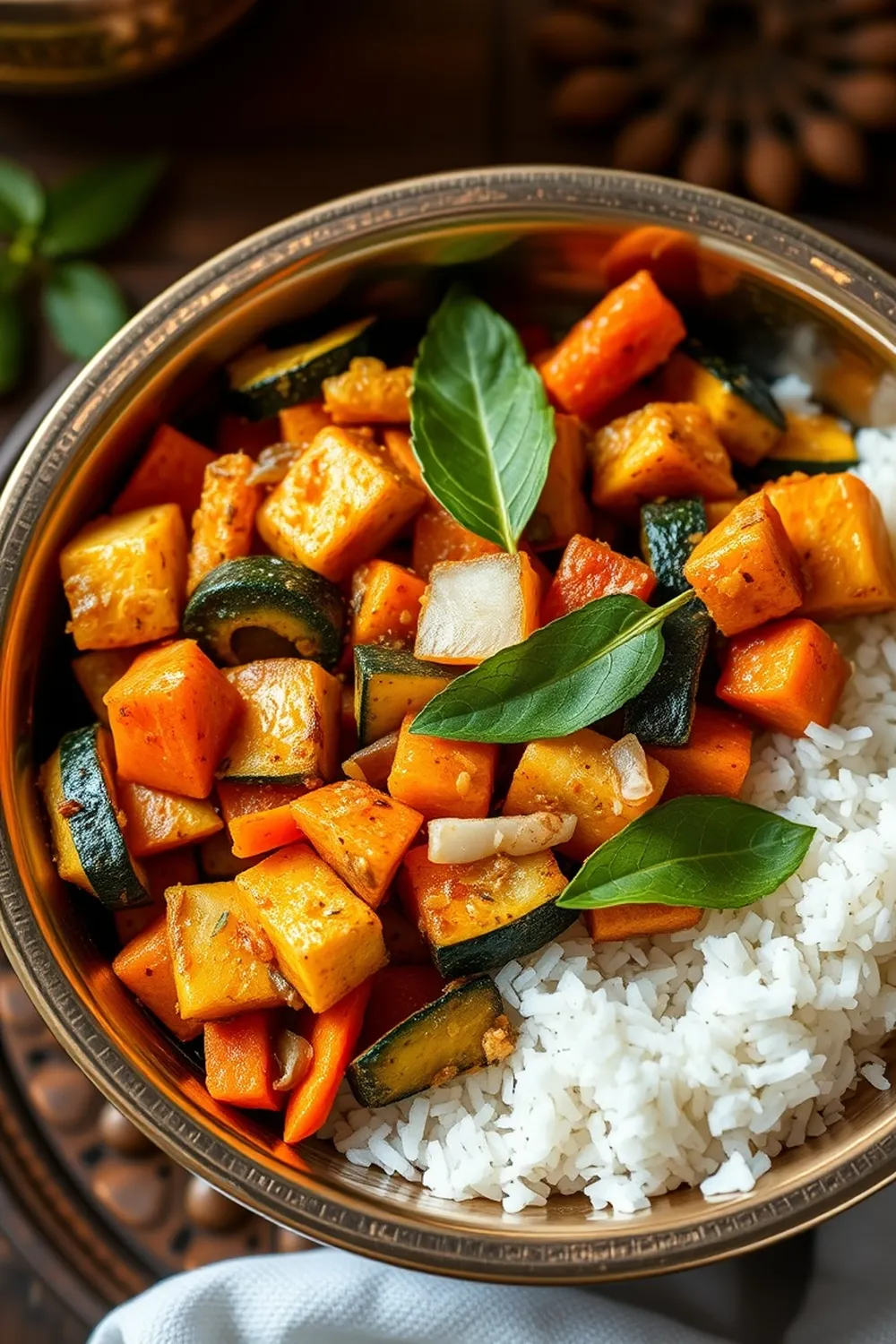
- Soak avarekalu overnight or for 4 hours, then peel the skin by pressing between fingers. Wash and set aside.
- Grind tomatoes, onion, ginger, garlic, spices, coconut, cinnamon, cloves, and poppy seeds (if using) into a smooth paste.
- Heat oil in a kadai/pressure cooker. Temper mustard seeds, cumin seeds, and curry leaves.
- Add chopped onions and tomatoes. Sauté until tomatoes soften.
- Add peeled avarekalu and sauté for 2 minutes.
- Mix in the ground masala paste. Cook until the raw aroma disappears.
- Add 1 cup water, cover, and pressure cook on low flame for 1 whistle.
- After pressure releases, simmer to thicken if needed. Garnish with coriander leaves.
- Serve hot with ragi mudde, rice, or flatbreads.
- Calories:350 kcal25%
- Energy:1464 kJ22%
- Protein:12 g28%
- Carbohydrates:45 mg40%
- Sugar:8 mg8%
- Salt:500 g25%
- Fat:15 g20%
Last Updated on 6 months ago by Neha Deshmukh
Avarekalu Recipe: Authentic Indian Flat Bean Curry with Coconut
Hey everyone! Today, I’m sharing a recipe that’s incredibly close to my heart – Avarekalu Curry. Growing up, this was a staple in our home, especially during the season when these lovely flat beans are readily available. It’s a taste of home, a warm hug in a bowl, and I’m so excited to share it with you. This isn’t just a recipe; it’s a little piece of Karnataka’s culinary heritage.
Why You’ll Love This Recipe
This Avarekalu curry is more than just delicious. It’s packed with flavour, surprisingly easy to make, and wonderfully comforting. The combination of the earthy avarekalu, fragrant coconut, and warming spices is simply divine. Plus, it’s a fantastic way to enjoy a seasonal vegetable that’s incredibly good for you! You’ll love how quickly it comes together, making it perfect for a weeknight meal.
Ingredients
Here’s what you’ll need to make this authentic Avarekalu curry:
- 1 cup Avarekalu (Flat beans)
- 1 no Tomato
- 1 no Big onion
- as needed Salt & water
- 1 no Ripe tomato (chopped)
- 1 no Big onion (chopped)
- 1 inch piece Ginger
- 6 nos Garlic cloves
- 1 tsp Red chilli powder
- 1.25 tsp Dhania powder / coriander seeds powder
- 0.25 tsp Turmeric powder
- 1 tbsp Coriander leaves
- 2 tbsp Grated coconut
- 1 no Cinnamon
- 1 no Clove
- 0.5 tsp Poppy seeds (optional)
- 1 tbsp Cooking oil
- 0.5 tsp Mustard seeds
- 0.5 tsp Cumin seeds (optional)
- few Curry leaves
Ingredient Notes
Let’s talk about the stars of the show! Avarekalu, or flat beans, are best enjoyed when in season – usually from November to February. They have a slightly sweet, earthy flavour and a wonderful texture. You can find them at Indian grocery stores or farmers’ markets during the season.
The coconut adds a beautiful sweetness and richness to the curry. I prefer freshly grated coconut, but you can use unsweetened desiccated coconut if that’s what you have on hand.
And those poppy seeds? They’re optional, but they add a lovely nutty flavour and help to thicken the curry. My grandmother always used them, calling them gasagase – it’s a little touch that makes all the difference!
Step-By-Step Instructions
Alright, let’s get cooking!
- First things first, soak the avarekalu overnight or for at least 4 hours. This helps them cook evenly. Once soaked, gently peel the skin by pressing between your fingers – it should come off easily. Wash them well and set aside.
- Now, let’s make the masala paste. In a blender, combine the tomatoes, onion, ginger, garlic, red chilli powder, dhania powder, turmeric powder, coconut, cinnamon, clove, and poppy seeds (if using). Grind everything into a smooth paste. Add a splash of water if needed to help it blend.
- Heat the oil in a kadai or pressure cooker over medium heat. Once hot, add the mustard seeds and cumin seeds (if using). Let them splutter and dance for a few seconds. Then, add the curry leaves and let them sizzle.
- Add the chopped onions and tomatoes to the kadai. Sauté until the onions turn translucent and the tomatoes soften – about 5-7 minutes.
- Add the peeled avarekalu to the pan and sauté for another 2 minutes. This helps them absorb some of the flavours.
- Pour in the ground masala paste and mix well. Cook for a few minutes, stirring constantly, until the raw aroma disappears.
- Add 1 cup of water, cover the kadai/pressure cooker, and cook. If using a pressure cooker, cook on low flame for 1 whistle.
- Once the pressure releases naturally, open the lid and simmer for a few minutes to thicken the curry if needed.
- Finally, garnish with fresh coriander leaves and serve hot!
Expert Tips
- Don’t overcook the avarekalu! You want them to be tender but still hold their shape.
- Adjust the amount of red chilli powder to your spice preference.
- For a richer flavour, you can add a tablespoon of ghee along with the oil.
Variations
- Vegan Adaptation: This recipe is naturally vegan! Just ensure your cooking oil doesn’t contain any animal products.
- Spice Level Adjustment: If you like it spicier, add a pinch of cayenne pepper or a finely chopped green chilli to the masala paste.
- Pressure Cooker vs. Pot Cooking: If you don’t have a pressure cooker, you can cook the curry in a pot. It will take longer – about 30-40 minutes – but the flavour will be just as delicious. Just ensure you have enough water to prevent sticking.
- Regional Variations – Karnataka Cuisine: In some parts of Karnataka, people add a small piece of jaggery to balance the flavours. Feel free to experiment! My friend’s mom always adds a tiny bit – it’s lovely.
Serving Suggestions
Avarekalu curry is incredibly versatile. Traditionally, it’s served with ragi mudde (finger millet balls), but it’s equally delicious with steamed rice, roti, or any Indian flatbread. A side of yogurt or papadums complements it beautifully.
Storage Instructions
Leftover Avarekalu curry can be stored in an airtight container in the refrigerator for up to 3 days. Reheat gently on the stovetop or in the microwave. It actually tastes even better the next day as the flavours meld together!
FAQs
Q: What are Avarekalu and where can I find them?
A: Avarekalu are flat beans, a seasonal vegetable popular in South Indian cuisine, especially in Karnataka. You can find them at Indian grocery stores or farmers’ markets during the season (November-February).
Q: Can I use frozen Avarekalu in this recipe?
A: While fresh is best, you can use frozen avarekalu in a pinch. Just be aware that the texture might be slightly different. You may also need to adjust the cooking time.
Q: What is the best way to peel Avarekalu?
A: Soaking them overnight makes peeling much easier. Gently press between your fingers, and the skin should slip off.
Q: Can I skip the poppy seeds?
A: Absolutely! They’re optional. The curry will still be delicious without them.
Q: What are some good accompaniments for Avarekalu curry besides Ragi Mudde?
A: Steamed rice, roti, chapati, paratha, or even a simple yogurt rice all pair wonderfully with Avarekalu curry.



Neha Deshmukh
Neha holds a B.A. in History with a focus on Indian and world history, including ancient, medieval, and modern periods. At RecipesOfIndia.org — the world’s largest database of Indian recipes — she combines her love for food and history by exploring how India’s past has shaped its culinary traditions.