- Soak basmati rice for 30-60 minutes. Cook with 1.5 cups water, cloves, cinnamon, and cardamom until 3/4 cooked. Spread cooked rice on a plate to cool.
- Heat ghee in a pressure cooker. Sauté bay leaf, kalpasi, ginger-garlic paste, and green chili paste until aromatic.
- Add sliced onions and chopped tomatoes. Cook until softened, then add garam masala, chili powder, vegetables, salt, and yogurt.
- Pressure cook vegetable mixture with 1/2 cup water for 1 whistle. Ensure gravy retains moisture after cooking.
- Fry onions and cashews in ghee until golden brown. Set aside for garnish.
- Layer rice and vegetable gravy in a kadai, alternating with mint/coriander leaves and lemon juice. Top with fried onions and cashews.
- Seal kadai with a tight-fitting lid. Use the 'dum' method by placing it on a preheated tawa for 10-15 minutes on low heat.
- Fluff biryani gently before serving with raita.
- Calories:450 kcal25%
- Energy:1882 kJ22%
- Protein:8 g28%
- Carbohydrates:75 mg40%
- Sugar:4 mg8%
- Salt:300 g25%
- Fat:12 g20%
Last Updated on 6 months ago by Neha Deshmukh
Vegetable Biryani Recipe – Authentic Kadai Dum Biryani with Kalpasi
Hey everyone! If you’re anything like me, the aroma of biryani instantly transports you to a happy place. Today, I’m sharing my go-to Vegetable Biryani recipe – a Kadai Dum Biryani that’s bursting with flavour and surprisingly achievable at home. It’s a little bit special because we’re using Kalpasi, also known as Black Stone Flower, which adds a unique, earthy depth you won’t find in every biryani. Trust me, it’s worth seeking out!
Why You’ll Love This Recipe
This isn’t just any vegetable biryani. It’s a labour of love, yes, but the result is a fragrant, flavourful dish that’s perfect for family gatherings, special occasions, or just a comforting weekend meal. The ‘dum’ cooking method – we’ll get to that later! – locks in all the aromas and creates incredibly tender rice and vegetables. Plus, the Kalpasi really elevates the flavour profile.
Ingredients
Here’s what you’ll need to create this delicious biryani:
- 1 cup Basmati rice
- 3 nos Cloves
- 1 inch piece Cinnamon
- 2 nos Cardamom
- 1.5 cups Water (for rice)
- 1 tsp Ghee (for rice)
- 3 tbsp Ghee (for cooking)
- 1 no Bayleaf
- 2 nos Kalpasi/Black stone flower
- 2 nos Big onion
- 2 tsp Ginger & Garlic Paste
- 1 tsp Green chilli paste
- 1 no Tomato
- 0.5 tbsp Garam masala powder or Biryani masala powder
- 0.5 tsp Chilli powder/Pepper powder
- 2 tbsp Yogurt
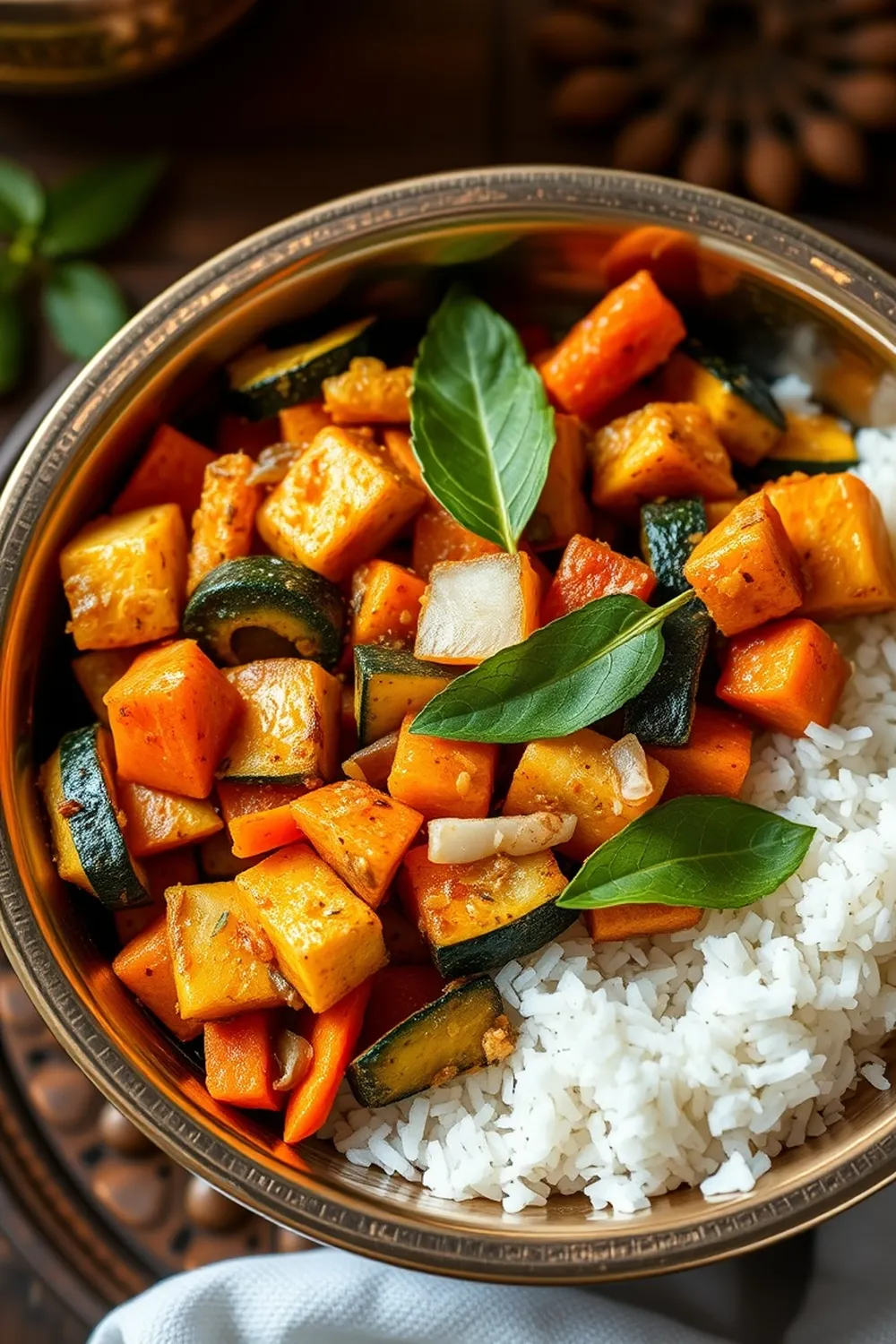
- 0.5 cup Mixed vegetables (carrot, beans, peas, potato)
- 1 no Big onion (for garnish)
- Few Cashews
- As needed Coriander & mint leaves
- As needed Lemon juice
Ingredient Notes
Let’s talk ingredients! A few things make all the difference:
- Basmati Rice: This is the rice for biryani. Look for aged basmati – it stays fluffier. I usually soak mine for at least 30 minutes, sometimes even up to an hour, for the best texture.
- Ghee: Don’t skimp on the ghee! It adds a richness that’s essential to a good biryani. You can use regular ghee or clarified butter.
- Kalpasi/Black Stone Flower: This is where things get interesting. Kalpasi has a smoky, earthy flavour that’s common in South Indian cuisine. It might seem unusual, but it adds a wonderful depth to the biryani. You can find it in Indian grocery stores or online. If you absolutely can’t find it, you can omit it, but it really does make a difference.
- Biryani Masala vs. Garam Masala: You can use either! Biryani masala is specifically blended for biryani, while garam masala is a more general spice blend. I often use a good quality biryani masala, but garam masala works beautifully too.
Step-By-Step Instructions
Alright, let’s get cooking!
- Rice Prep: Start by soaking your basmati rice for 30-60 minutes. This is key for fluffy biryani. Once soaked, cook the rice with 1.5 cups of water, cloves, cinnamon, and cardamom until it’s about 3/4 done. It should still have a slight bite. Spread the cooked rice on a plate to cool – this stops it from overcooking.
- Aromatic Base: Heat 1 tsp of ghee in a pressure cooker. Add the bayleaf and kalpasi, and let them sizzle for a moment. Then, add the ginger-garlic paste and green chilli paste and sauté until fragrant.
- Building the Gravy: Add the sliced onions and chopped tomatoes to the pressure cooker. Cook until they’re soft and golden. Now, add the garam masala (or biryani masala), chilli powder, mixed vegetables, salt, and yogurt. Mix well and cook for a few minutes.
- Pressure Cooking: Add ½ cup of water to the vegetable mixture. Pressure cook for 1 whistle. The goal is to have tender vegetables in a flavourful gravy that isn’t too watery. Make sure the gravy retains some moisture after cooking.
- Garnish Prep: While the vegetables are pressure cooking, let’s make the garnish. Fry onions and cashews in 3 tbsp of ghee until golden brown and crispy. Set aside. This adds a lovely texture and flavour.
- Layering the Biryani: Now for the fun part! In a heavy-bottomed kadai (a deep, wide Indian cooking pot), start layering the biryani. Begin with a layer of rice, followed by a layer of the vegetable gravy. Sprinkle with chopped coriander and mint leaves, and a squeeze of lemon juice. Repeat these layers, ending with a layer of rice.
- Dum Cooking: Top the biryani with the fried onions and cashews. Seal the kadai with a tight-fitting lid. This is crucial for the ‘dum’ cooking method. Place the kadai on a preheated tawa (a flat griddle) over low heat for 10 minutes. This slow cooking process allows the flavours to meld together beautifully.
- Fluff & Serve: Gently fluff the biryani with a fork before serving. It’s ready to be enjoyed!
Expert Tips
- Don’t overcook the rice! It will continue to cook during the dum process.
- Use a heavy-bottomed kadai to prevent sticking and ensure even cooking.
- The ‘dum’ cooking method is key. It’s what makes the biryani so fragrant and flavourful.
Variations
- Vegan Adaptation: Swap the ghee for a plant-based alternative like coconut oil or vegan butter, and use plant-based yogurt.
- Gluten-Free: This recipe is naturally gluten-free!
- Spice Level Adjustment: Adjust the amount of chilli powder to your liking. My family prefers a mild biryani, so I usually use just ½ tsp.
- Festival Adaptations: My aunt always adds a handful of dried rose petals to the biryani when making it for Eid – it adds a beautiful fragrance! For Diwali, she sometimes includes paneer (Indian cheese).
Serving Suggestions
Biryani is a complete meal in itself, but it’s even better with some accompaniments! I love serving it with:
- Raita: A cooling yogurt dip.
- Salad: A simple onion and cucumber salad.
- Pickle: A tangy Indian pickle.
Storage Instructions
Leftover biryani can be stored in an airtight container in the refrigerator for up to 3 days. Reheat gently in a microwave or on the stovetop.
FAQs
- What type of rice is best for biryani? Basmati rice is the gold standard!
- What is Kalpasi and where can I find it? Kalpasi (Black Stone Flower) is a unique spice with a smoky flavour. You can find it in Indian grocery stores or online.
- Can I make this biryani without a pressure cooker? Yes, you can! Just cook the vegetables in a pot until they’re tender. It will take a bit longer.
- How can I prevent the biryani from sticking to the bottom of the kadai? Use a heavy-bottomed kadai and ensure the heat is on low during the dum cooking process.
- What is the ‘dum’ cooking method and why is it important? ‘Dum’ cooking involves sealing the pot and cooking the biryani on low heat. It allows the flavours to meld together and creates incredibly tender rice and vegetables.
- Can I add other vegetables to this biryani? Absolutely! Feel free to add your favourites – cauliflower, peas, or even mushrooms would be delicious.
Enjoy making this Vegetable Biryani! I hope it becomes a family favourite in your home, just like it is in mine. Let me know how it turns out in the comments below!


Neha Deshmukh
Neha holds a B.A. in History with a focus on Indian and world history, including ancient, medieval, and modern periods. At RecipesOfIndia.org — the world’s largest database of Indian recipes — she combines her love for food and history by exploring how India’s past has shaped its culinary traditions.