- Peel and chop raw mangoes into medium pieces, or shave them using a vegetable peeler.
- Melt jaggery in 1/2 cup water, and strain to remove any impurities.
- Cook mango pieces in water until softened (or pressure cook for 2 whistles for a jam-like consistency).
- Combine jaggery syrup, cooked mango, and a pinch of salt. Simmer until the mixture thickens.
- Heat oil, temper mustard seeds, red chilies, and hing (asafoetida). Pour the seasoning over the pachadi.
- For a Tamil New Year version: Fry neem flowers in ghee and mix them into the pachadi before serving.
- Calories:150 kcal25%
- Energy:627 kJ22%
- Protein:1 g28%
- Carbohydrates:35 mg40%
- Sugar:30 mg8%
- Salt:50 g25%
- Fat:3 g20%
Last Updated on 5 months ago by Neha Deshmukh
Raw Mango Pachadi Recipe – Authentic Tamil New Year Mango Pickle
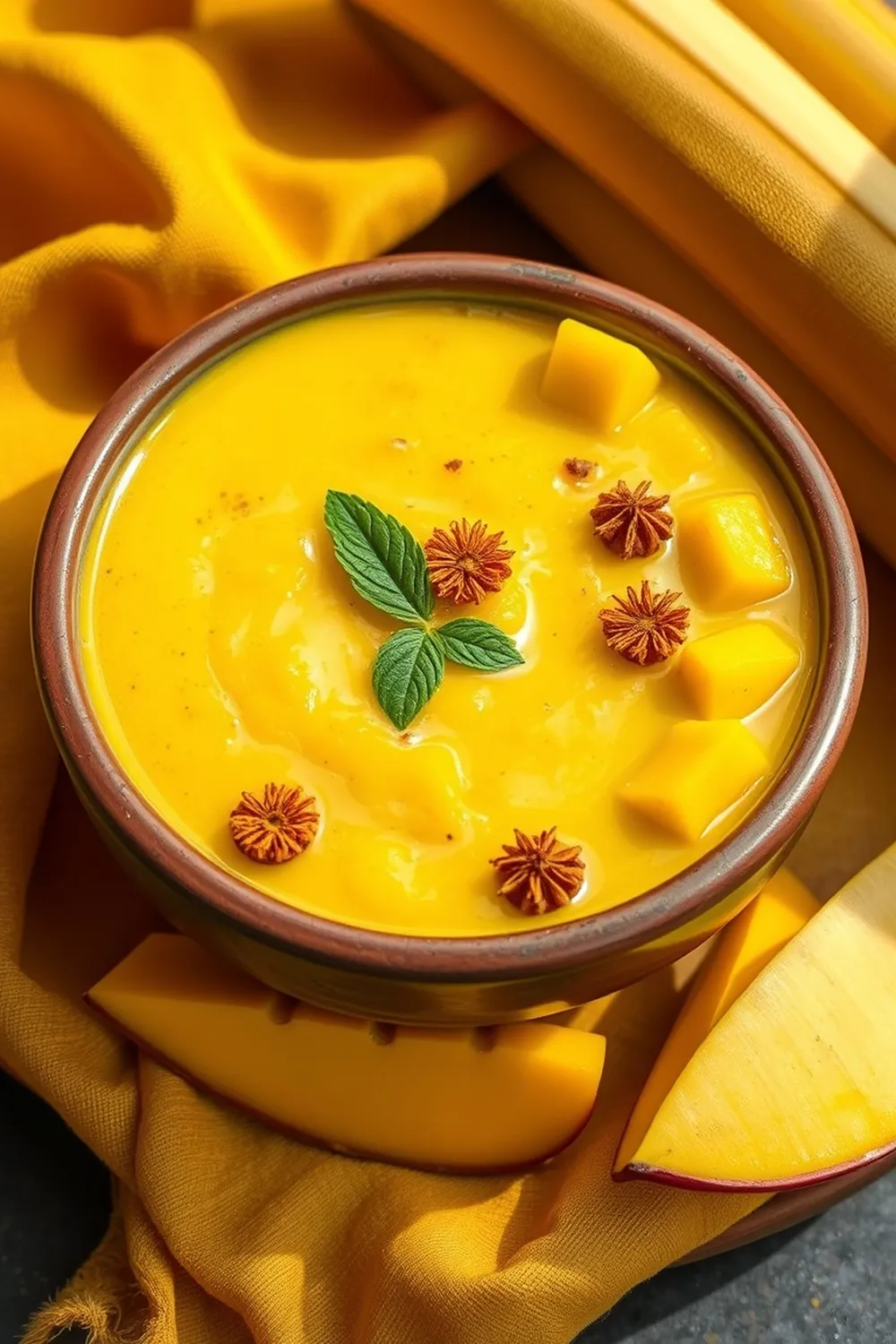
Hey everyone! If you’re anything like me, the arrival of raw mangoes signals the start of spring and a whole lot of deliciousness. Today, I’m sharing a family favorite – Raw Mango Pachadi. It’s a vibrant, tangy, and slightly sweet pickle that’s traditionally made for Tamil New Year (Puthandu), but honestly, I make it whenever I get my hands on some good, tart raw mangoes! It’s a burst of flavor that just feels like sunshine in a jar.
Why You’ll Love This Recipe
This Raw Mango Pachadi isn’t just a recipe; it’s a little piece of tradition. It’s incredibly easy to make, comes together in under 30 minutes, and is packed with flavor. Plus, it’s a fantastic way to balance flavors – the sweetness of jaggery, the tang of the mango, and the subtle bitterness of neem flowers create a truly unique taste experience. Trust me, once you try it, you’ll be hooked!
Ingredients
Here’s what you’ll need to whip up a batch of this delightful pachadi:
- 1.25 cups raw mangoes (about 2 medium)
- 1 cup jaggery
- 1 pinch salt
- 1.5 tsp neem flowers (fresh or dried)
- 1 tsp ghee
- 1 tsp oil
- 0.5 tsp mustard seeds
- 2-3 red chillies (adjust to your spice preference)
- 1 pinch hing (asafoetida)
Ingredient Notes
Let’s talk ingredients! Getting these right will make all the difference.
Raw Mangoes: Choosing the Right Variety
Look for firm, green mangoes that are slightly tart to the touch. Totapuri or Benarasi varieties work wonderfully, but any sour mango will do. You want them to be hard enough to grate or chop easily.
Jaggery: Types and Substitutions
Jaggery is unrefined sugar, and it gives this pachadi a beautiful, complex sweetness. I prefer using dark jaggery for a richer flavor. If you can’t find jaggery, you can substitute it with brown sugar, but the flavor won’t be quite the same. About ¾ cup of packed brown sugar will work.
Neem Flowers: Significance and Availability
Neem flowers (veppampoo in Tamil) are a key ingredient, especially for the Tamil New Year. They symbolize new beginnings and have a slightly bitter taste that balances the sweetness. You can find them at Indian grocery stores, especially around festival times. Dried neem flowers are also a great option!
Hing (Asafoetida): Quality and Usage
A tiny pinch of hing goes a long way! It adds a lovely savory depth. Make sure your hing is fresh – it should have a pungent aroma.
Regional Variations in Spices
While this recipe is rooted in Tamil tradition, you’ll find variations across South India. Some families add a touch of fenugreek seeds to the tempering, while others might include a pinch of turmeric for color. Feel free to experiment and make it your own!
Step-By-Step Instructions
Alright, let’s get cooking!
- First, peel and chop your raw mangoes into medium pieces, or shave them using a vegetable peeler. I usually go for a slightly chunky texture, but it’s up to you.
- In a separate pan, melt the jaggery in ½ cup of water. Gently simmer until the jaggery is completely dissolved. Strain this syrup to remove any impurities – you want a clear, golden liquid.
- Now, add the chopped mangoes to a pot with just enough water to cover them. Cook until they’re soft and tender. If you’re using a pressure cooker, cook for about 2 whistles for a jam-like consistency.
- Once the mangoes are cooked, combine them with the jaggery syrup and a pinch of salt. Simmer this mixture over medium heat, stirring frequently, until it thickens to your desired consistency.
- While the pachadi is simmering, let’s make the tempering! Heat the oil in a small pan. Add the mustard seeds and let them splutter. Then, add the red chillies and hing. Fry for a few seconds until fragrant.
- Pour this lovely tempering over the pachadi and mix well.
- For the Tamil New Year version, gently fry the neem flowers in ghee until they become slightly crisp. Mix these into the pachadi before serving.
Expert Tips
Here are a few things I’ve learned over the years:
Achieving the Right Pachadi Consistency
The consistency is key! You want it thick enough to coat the mango pieces, but not so thick that it’s like a solid block. Keep simmering and stirring until it reaches that sweet spot.
Balancing Sweetness and Sourness
Taste as you go! Adjust the amount of jaggery to suit your preference. If it’s too sweet, add a squeeze of lemon juice.
Working with Jaggery
Jaggery can sometimes be a bit stubborn. Adding a splash of water helps it melt smoothly.
Variations
Vegan Pachadi Adaptation
Simply substitute the ghee with a vegan-friendly oil like coconut oil.
Spice Level Adjustment
Love a fiery kick? Add more red chillies! Or, for a milder flavor, remove the seeds from the chillies before adding them to the tempering.
Tamil New Year Specific Adaptations
Don’t skip the neem flowers if you’re making this for Puthandu! They’re an integral part of the tradition.
Festival Adaptations (Ugadi, Baisakhi)
This pachadi is also enjoyed during Ugadi (Telugu New Year) and Baisakhi (Punjabi New Year). Feel free to adjust the spices to reflect the flavors of those regions.
Serving Suggestions
Serve this Raw Mango Pachadi as part of a traditional South Indian meal, alongside rice, dal, and other side dishes. It’s also fantastic with roti or paratha. I love enjoying a small spoonful straight from the jar – it’s the perfect little pick-me-up!
Storage Instructions
Store the pachadi in an airtight container in the refrigerator. It will keep for up to a week, but honestly, it rarely lasts that long in my house!
FAQs
What is Pachadi and its cultural significance?
Pachadi is a traditional Indian side dish, often sweet and sour, that’s served as part of festive meals. It symbolizes the blend of experiences – sweet, sour, bitter, and spicy – that life throws our way.
Can I use store-bought jaggery or is homemade better?
Store-bought jaggery is perfectly fine! Just make sure it’s good quality. Homemade jaggery has a slightly more complex flavor, but it’s not essential.
What if I can’t find neem flowers? Are there any substitutes?
If you absolutely can’t find neem flowers, you can try using a tiny pinch of bitter melon (karela) juice, but it won’t be quite the same. The neem flowers really add a unique flavor.
How long does this Raw Mango Pachadi last?
It will keep in the refrigerator for up to a week in an airtight container.
Can this pachadi be made ahead of time?
Yes, absolutely! In fact, the flavors develop even more beautifully overnight.
Is it possible to adjust the sourness of the pachadi?
Definitely! Add a squeeze of lemon or lime juice if you prefer a more tart flavor.

Neha Deshmukh
Neha holds a B.A. in History with a focus on Indian and world history, including ancient, medieval, and modern periods. At RecipesOfIndia.org — the world’s largest database of Indian recipes — she combines her love for food and history by exploring how India’s past has shaped its culinary traditions.