- Melt jaggery with 2 tbsp water on low heat, strain to remove impurities, and set aside.
- Dry roast Bengal gram dal until aromatic, then pressure cook with 1/4 cup water for 3 whistles. Drain any excess water.
- Grind cooked dal with melted jaggery into a paste. Add coconut and cardamom, and pulse briefly.
- Heat ghee in a pan, add the dal-jaggery mixture, and cook until thickened. Let the stuffing cool completely.
- Boil 1.5 cups water with sesame oil and salt. Pour over rice flour, mix well, then knead into a smooth dough.
- Shape dough into small cups, fill with 2 tsp stuffing, and seal into modak shapes using oil-and-water-greased fingers.
- Steam the modaks in a greased idli mould for 10 minutes. Rest for 5 minutes before serving.
- Calories:180 kcal25%
- Energy:753 kJ22%
- Protein:4 g28%
- Carbohydrates:32 mg40%
- Sugar:18 mg8%
- Salt:10 g25%
- Fat:4 g20%
Last Updated on 6 months ago by Neha Deshmukh
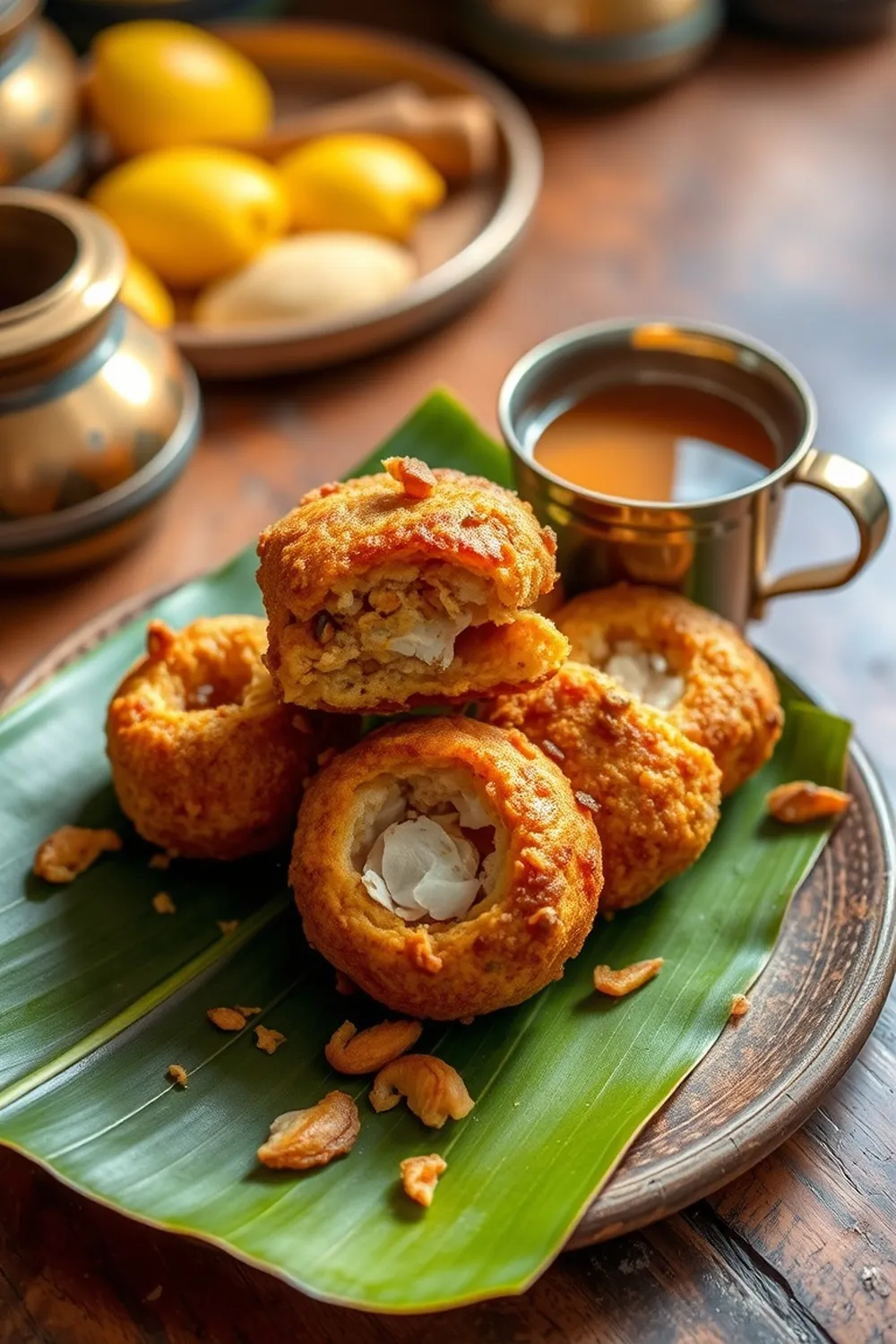
Authentic Kolukattai Recipe – Sweet Bengal Gram Dal Modak
Introduction
Oh, Kolukattai! These little sweet dumplings hold such a special place in my heart. I remember the first time I attempted these – it was for Ganesh Chaturthi, and honestly, it was a bit of a messy affair! But the joy of finally getting those perfect crescent shapes, and the deliciousness of the sweet filling… totally worth it. Today, I’m sharing my family’s treasured recipe with you, complete with all the tips and tricks I’ve learned along the way. Get ready to make some magic in your kitchen!
Why You’ll Love This Recipe
This Kolukattai recipe isn’t just about a sweet treat; it’s about tradition, love, and a little bit of patience. These sweet dumplings, also known as Modak, are a favourite during Ganesh Chaturthi, but honestly, they’re delicious enough to enjoy any time of year. The soft, delicate outer shell combined with the sweet, aromatic Bengal gram dal filling is simply divine. Plus, making them is a fun activity to do with family!
Ingredients
Here’s what you’ll need to create these delightful Kolukattai:
- ½ cup Bengal gram dal (kadalai paruppu)
- ¾ cup jaggery
- ¼ cup grated coconut
- ¼ tsp cardamom powder
- ½ tsp ghee
- 1 cup rice flour
- 1 ¼ cups water
- 1 tsp sesame oil
- 1 pinch salt
Ingredient Notes
Let’s talk ingredients! Choosing the right ones makes all the difference.
Bengal Gram Dal (Kadalai Paruppu) – Significance & Quality
Bengal gram dal, or kadalai paruppu, is the star of our filling. It’s not only delicious but also considered auspicious, especially during Ganesh Chaturthi. Look for good quality dal that’s vibrant yellow and free from any stones or impurities. (About 100g)
Jaggery – Types & Regional Variations
Jaggery is unrefined sugar, and it gives Kolukattai that beautiful colour and unique flavour. You can use any type – old jaggery (which is darker and more intense) or new jaggery (lighter in colour). Regional variations exist too; some prefer a softer jaggery, while others like it harder. (About 150g)
Ghee – Clarified Butter & Its Role
Ghee adds a lovely richness and aroma to the filling. It also helps bind everything together. Don’t skimp on the ghee – it’s what makes the filling so luscious! (About 3ml)
Rice Flour – Choosing the Right Grain
For the outer shell, we’re using rice flour. I recommend using a fine-grained rice flour for a smoother dough. You can find this at most Indian grocery stores. (About 120g)
Sesame Oil – Flavor Profile & Health Benefits
A tiny bit of sesame oil in the dough adds a subtle nutty flavour and helps with the texture. Plus, sesame oil is known for its health benefits! (About 5ml)
Cardamom – Fresh vs. Ground & Aroma
Cardamom adds a beautiful fragrance to the filling. While fresh cardamom is amazing, ground cardamom works perfectly well too. Just make sure it’s fresh for the best aroma. (About 1g)
Step-By-Step Instructions
Alright, let’s get cooking!
- First, melt the jaggery with 2 tablespoons of water on low heat. Strain it to remove any impurities and set aside. This ensures a smooth filling.
- Next, dry roast the Bengal gram dal until it becomes aromatic. Then, pressure cook it with ¼ cup of water for about 3 whistles. Once cooked, drain any excess water.
- Now, grind the cooked dal and melted jaggery into a smooth paste. Add the grated coconut and cardamom powder, and pulse briefly – you don’t want to overmix.
- Heat the ghee in a pan and add the dal-jaggery mixture. Cook until it thickens, stirring constantly. Let the stuffing cool completely.
- While the stuffing cools, let’s make the dough. Boil 1 ¼ cups of water with sesame oil and a pinch of salt. Pour this hot water over the rice flour and mix well. Then, knead it into a smooth, non-sticky dough.
- Grease your fingers with a little oil and water. Take a small portion of the dough and shape it into a small cup. Fill it with about 2 teaspoons of the cooled stuffing and carefully seal it into a modak shape.
- Finally, grease an idli mould and arrange the Kolukattai inside. Steam for 10 minutes. Let them rest for 5 minutes before serving.
Expert Tips
- Don’t overcook the dal, or it will become mushy.
- Make sure the dough is smooth and pliable. If it’s too dry, add a little water. If it’s too sticky, add a little rice flour.
- Greasing your fingers well is key to shaping the Kolukattai without sticking.
Variations
- Vegan Kolukattai Adaptation: Substitute the ghee with coconut oil for a vegan version.
- Gluten-Free Considerations: This recipe is naturally gluten-free as it uses rice flour.
- Adjusting Spice Level (Cardamom): If you prefer a stronger cardamom flavour, add a little more.
- Ganesh Chaturthi Adaptation: Traditionally, Kolukattai are offered to Lord Ganesha during Ganesh Chaturthi. You can make 21 or 108 of them as an offering!
- Regional Variations in Stuffing: Some families add a touch of nutmeg or cloves to the filling for extra warmth. My friend’s grandmother always added a tiny bit of dry ginger!
Serving Suggestions
Kolukattai are best enjoyed warm, fresh out of the steamer. They make a wonderful sweet treat after a meal or as a festive offering. A glass of warm milk complements them beautifully.
Storage Instructions
You can store leftover Kolukattai in an airtight container in the refrigerator for up to 2-3 days. Reheat them gently before serving.
FAQs
What is the best way to prevent Kolukattai from sticking to the idli mould?
Grease the idli mould really well with oil. You can also line it with banana leaves for extra insurance.
Can I make the stuffing ahead of time? If so, how should I store it?
Yes, you can! Make the stuffing a day in advance and store it in an airtight container in the refrigerator.
What type of jaggery works best for this recipe?
Any type of jaggery will work, but old jaggery gives a richer, more complex flavour.
Is it possible to bake Kolukattai instead of steaming?
While steaming is the traditional method, you can try baking them at 180°C (350°F) for about 15-20 minutes. However, the texture might be slightly different.
How can I achieve a perfectly smooth dough for the outer shell?
Kneading the dough well is key. Add hot water gradually and knead until it’s smooth and pliable. If it’s too sticky, add a little rice flour.


Neha Deshmukh
Neha holds a B.A. in History with a focus on Indian and world history, including ancient, medieval, and modern periods. At RecipesOfIndia.org — the world’s largest database of Indian recipes — she combines her love for food and history by exploring how India’s past has shaped its culinary traditions.