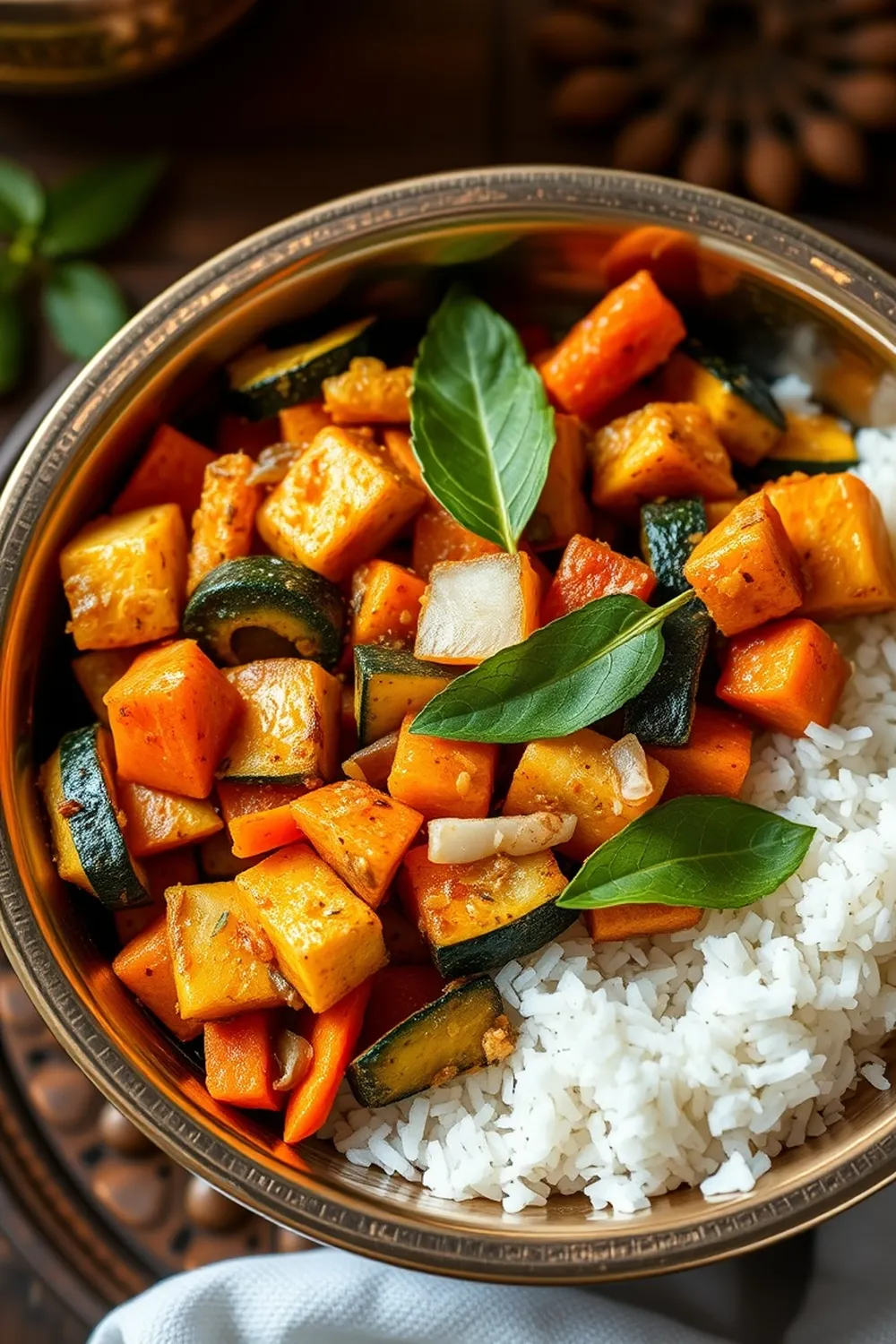
- Heat oil in a pan. Add cumin seeds and sauté until they splutter.
- Add chopped onions and cook until translucent. Stir in ginger-garlic paste and sauté for 30 seconds.
- Mix in tomatoes, green chilies, and all spice powders (turmeric, red chili, coriander, garam masala). Cook until tomatoes soften.
- Add diced potatoes and shredded cabbage. Season with salt and mix well.
- Pour 1/2 cup water, cover, and simmer on low heat until potatoes are tender (20-25 mins). Add water if needed.
- Once cooked, garnish with coriander leaves. Serve hot with roti or rice.
- Calories:150 kcal25%
- Energy:627 kJ22%
- Protein:3 g28%
- Carbohydrates:25 mg40%
- Sugar:3 mg8%
- Salt:300 g25%
- Fat:5 g20%
Last Updated on 5 months ago by Neha Deshmukh
Potato Cabbage Recipe – Authentic Indian Dry Veg Curry
Introduction
There’s just something so comforting about a simple, home-style Indian sabzi (vegetable dish). This Potato Cabbage Curry – or Aloo Gobhi as it’s lovingly called – is one of those dishes that instantly transports me back to my grandmother’s kitchen. It’s a staple in many Indian households, and for good reason! It’s flavorful, satisfying, and surprisingly easy to make. I first made this on my own when I was just starting to learn to cook, and it quickly became a go-to for a quick weeknight meal. You’ll absolutely love how quickly it comes together!
Why You’ll Love This Recipe
This Aloo Gobhi is more than just a recipe; it’s a hug in a bowl. Here’s why you’ll adore it:
- Simple & Flavorful: Packed with aromatic spices, yet incredibly easy to prepare.
- Budget-Friendly: Uses readily available and affordable ingredients.
- Versatile: Perfect with roti, rice, or even as a side dish.
- Healthy & Nutritious: A great way to get your veggies in!
- Quick Cooking: Ready in under an hour, making it perfect for busy weeknights.
Ingredients
Here’s what you’ll need to create this delicious Potato Cabbage Curry:
- 1.5 cups cabbage, chopped
- 3 medium potatoes, diced
- 0.5 cup onion, chopped
- 0.33 cup tomatoes, chopped (about 1 medium tomato)
- 1 green chili, finely chopped (adjust to your spice preference)
- 1 teaspoon ginger-garlic paste
- 1.5-2 tablespoons oil
- 0.5 teaspoon cumin seeds
- 0.25 teaspoon turmeric powder
- 0.25 teaspoon red chili powder
- 0.5 teaspoon coriander powder
- 0.5 teaspoon garam masala
- Salt to taste
- 0.5-0.66 cup water (about 150-160ml)
- Fresh coriander leaves, for garnish
Ingredient Notes
Let’s talk ingredients! A few little things can make a big difference:
- Cabbage: You can use green or purple cabbage – both work beautifully. I personally prefer green for its slightly milder flavor.
- Potatoes: I like using Yukon Gold potatoes because they hold their shape well, but red potatoes or even russet potatoes will do in a pinch.
- Spice Blends: Garam masala blends vary from region to region. Feel free to use your favorite brand or even make your own! Some blends are warmer, others more fragrant.
- Ginger-Garlic Paste: Freshly made is always best, but store-bought works too.
- Oil: Traditionally, this dish is made with mustard oil in some parts of India, which gives it a lovely pungent flavor. However, vegetable oil or canola oil work perfectly well too.
Step-By-Step Instructions
Alright, let’s get cooking!
- Heat the oil in a pan or kadhai (wok) over medium heat. Once hot, add the cumin seeds. Wait for them to splutter – this releases their amazing aroma!
- Add the chopped onions and cook until they turn translucent and slightly golden. This usually takes about 5-7 minutes.
- Stir in the ginger-garlic paste and sauté for about 30 seconds, until fragrant. Don’t let it burn!
- Now, add the chopped tomatoes and green chili. Sprinkle in the turmeric powder, red chili powder, coriander powder, and garam masala. Mix well and cook until the tomatoes soften and the oil starts to separate from the mixture – about 5-7 minutes.
- Add the diced potatoes and shredded cabbage to the pan. Season with salt and mix everything together really well, ensuring the spices coat the vegetables.
- Pour in about ½ cup (120ml) of water, cover the pan, and simmer on low heat for 20-25 minutes, or until the potatoes are tender. If the mixture seems too dry, add a little more water, a tablespoon at a time.
- Once the potatoes are cooked through, garnish with fresh coriander leaves. Serve hot!
Expert Tips
- Don’t overcrowd the pan. If you’re making a large batch, cook in two batches to ensure even cooking.
- Keep the heat on low while simmering. This prevents the vegetables from burning and allows the flavors to meld together beautifully.
- Taste and adjust the seasoning as needed. Everyone’s palate is different!
Variations
- With Peas: My kids love it when I add a handful of frozen peas towards the end of cooking.
- With Cauliflower: Swap out some of the cabbage for cauliflower for a delicious Aloo Gobi variation.
- Dry vs. Gravy: For a drier version, cook until all the water evaporates. For a gravy version, add more water and simmer for longer.
Vegan Adaptation
This recipe is naturally vegan! Just ensure the oil you use is plant-based.
Gluten-Free Adaptation
This recipe is also naturally gluten-free.
Spice Level Adjustment (Mild, Medium, Hot)
- Mild: Reduce the red chili powder to ¼ teaspoon or omit it altogether.
- Medium: Use the recipe as written.
- Hot: Add ½ teaspoon of cayenne pepper or use a hotter variety of chili powder.
Festival Adaptations (Navratri, etc.)
During Navratri, some people avoid onions and garlic. Simply omit the onion and ginger-garlic paste for a vrat-friendly version. You can add a pinch of asafoetida (hing) for extra flavor.
Serving Suggestions
This Aloo Gobhi is incredibly versatile! Here are a few ideas:
- Serve with roti or paratha for a classic Indian meal.
- Enjoy with steamed rice and a side of dal (lentils).
- Serve as a side dish with your favorite Indian curries.
- It’s also delicious with a dollop of yogurt on the side!
Storage Instructions
Leftovers can be stored in an airtight container in the refrigerator for up to 3 days. Reheat gently on the stovetop or in the microwave.
FAQs
What type of oil is best for this potato cabbage curry?
Traditionally, mustard oil is used, but vegetable oil or canola oil work just fine.
Can I make this curry ahead of time?
Yes, you can! The flavors actually develop even more overnight.
What can I substitute for cabbage in this recipe?
Cauliflower is a great substitute, or you can use a mix of both.
How do I adjust the spice level to suit my preference?
Adjust the amount of red chili powder or add cayenne pepper for extra heat.
Is this dish suitable for meal prepping?
Absolutely! It reheats beautifully and is a great option for a healthy and flavorful lunch or dinner.



Neha Deshmukh
Neha holds a B.A. in History with a focus on Indian and world history, including ancient, medieval, and modern periods. At RecipesOfIndia.org — the world’s largest database of Indian recipes — she combines her love for food and history by exploring how India’s past has shaped its culinary traditions.