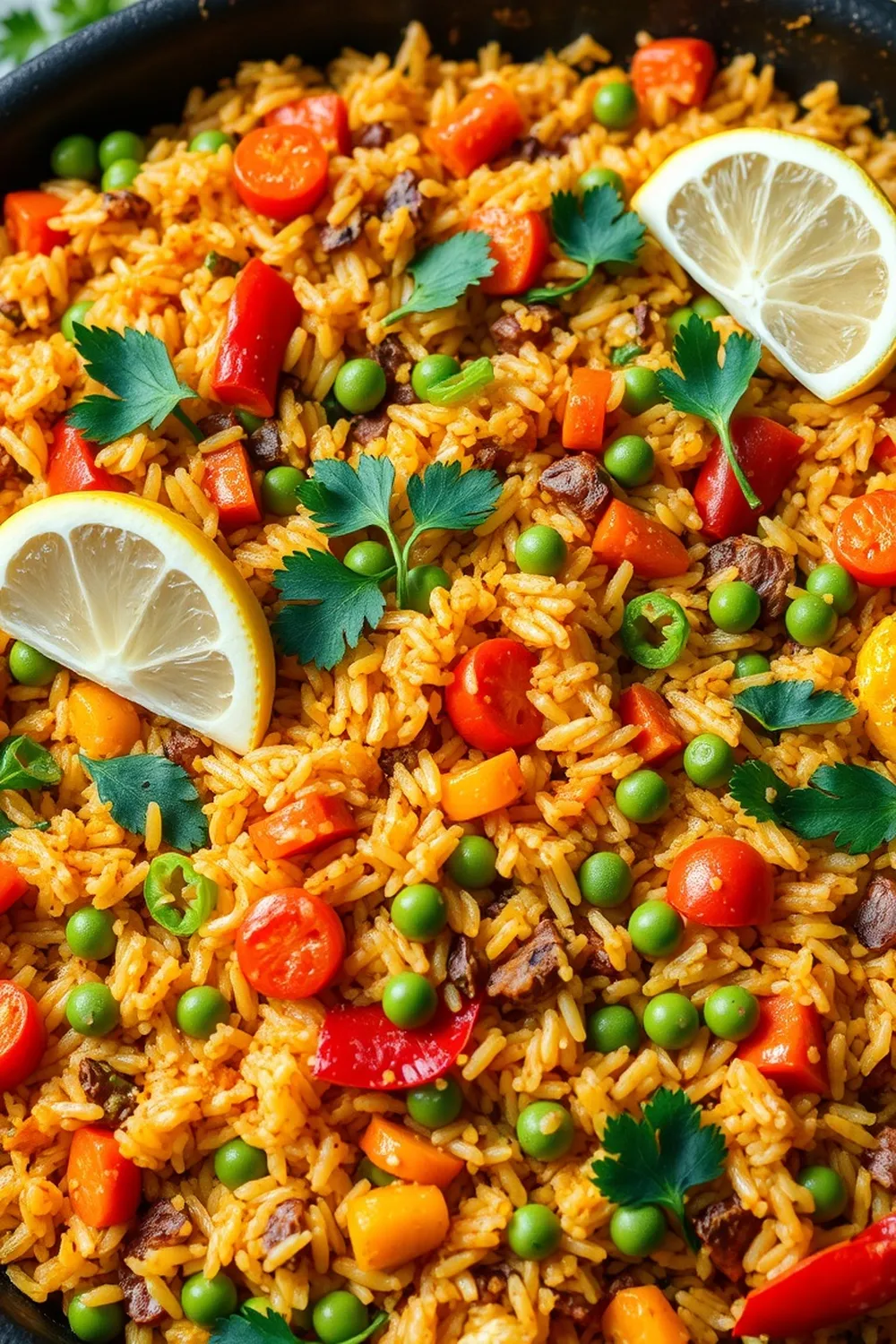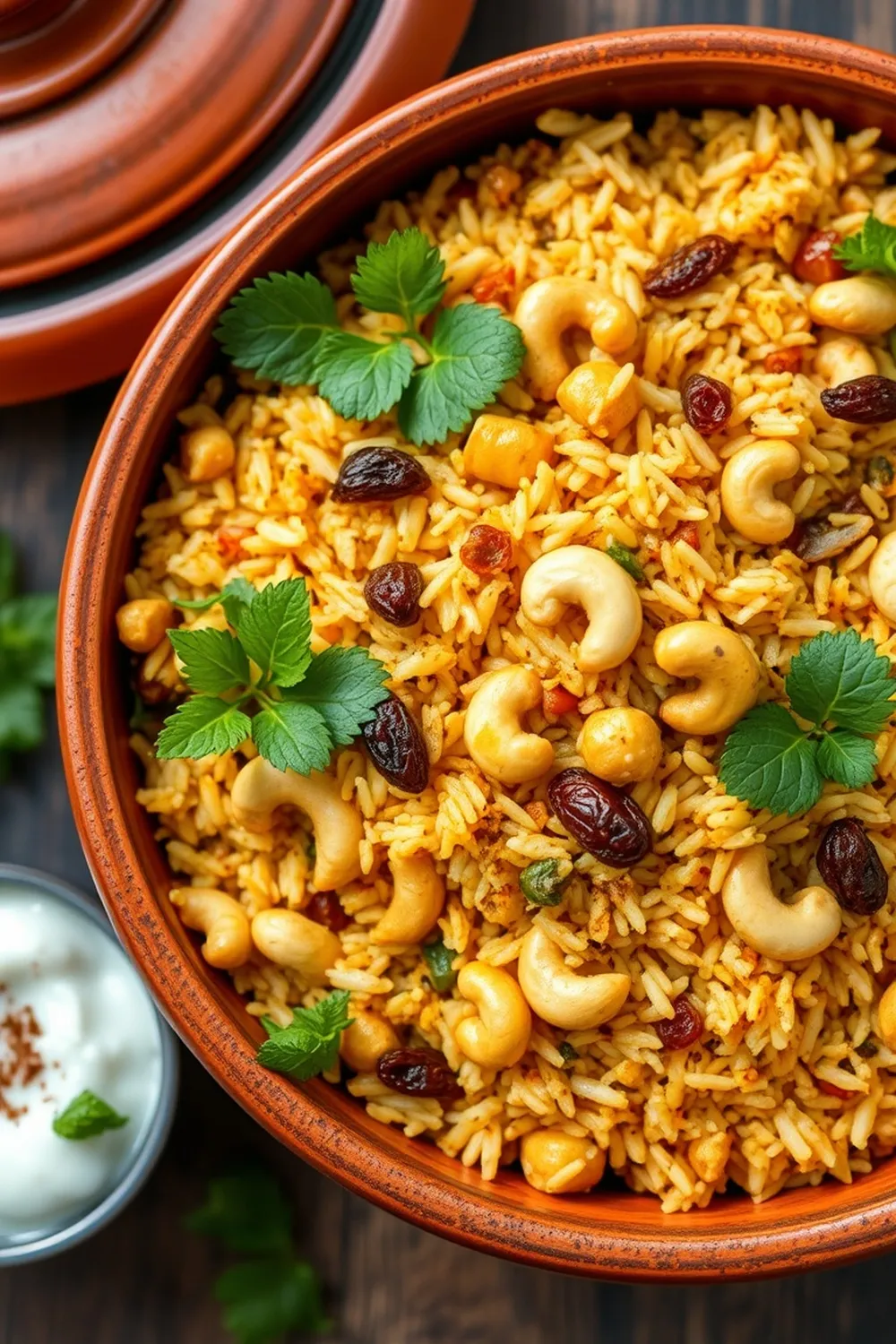
- Rinse and soak basmati rice for 20-30 minutes. Drain before cooking.
- Dry roast moong dal until golden and fragrant. Cool, rinse, and set aside.
- Heat ghee in a pressure cooker. Temper cinnamon, cardamom, cloves, bay leaf, and cumin seeds.
- Add grated ginger and sauté until aromatic. Mix in turmeric, red chili powder, and asafoetida.
- Stir in chopped tomatoes and green chilies. Cook until tomatoes soften.
- Add mixed vegetables (potatoes, cauliflower, peas) and sauté for 1 minute.
- Combine roasted moong dal and soaked rice. Mix gently with the spices.
- Pour water, add sugar and salt. Pressure cook for 4-5 whistles.
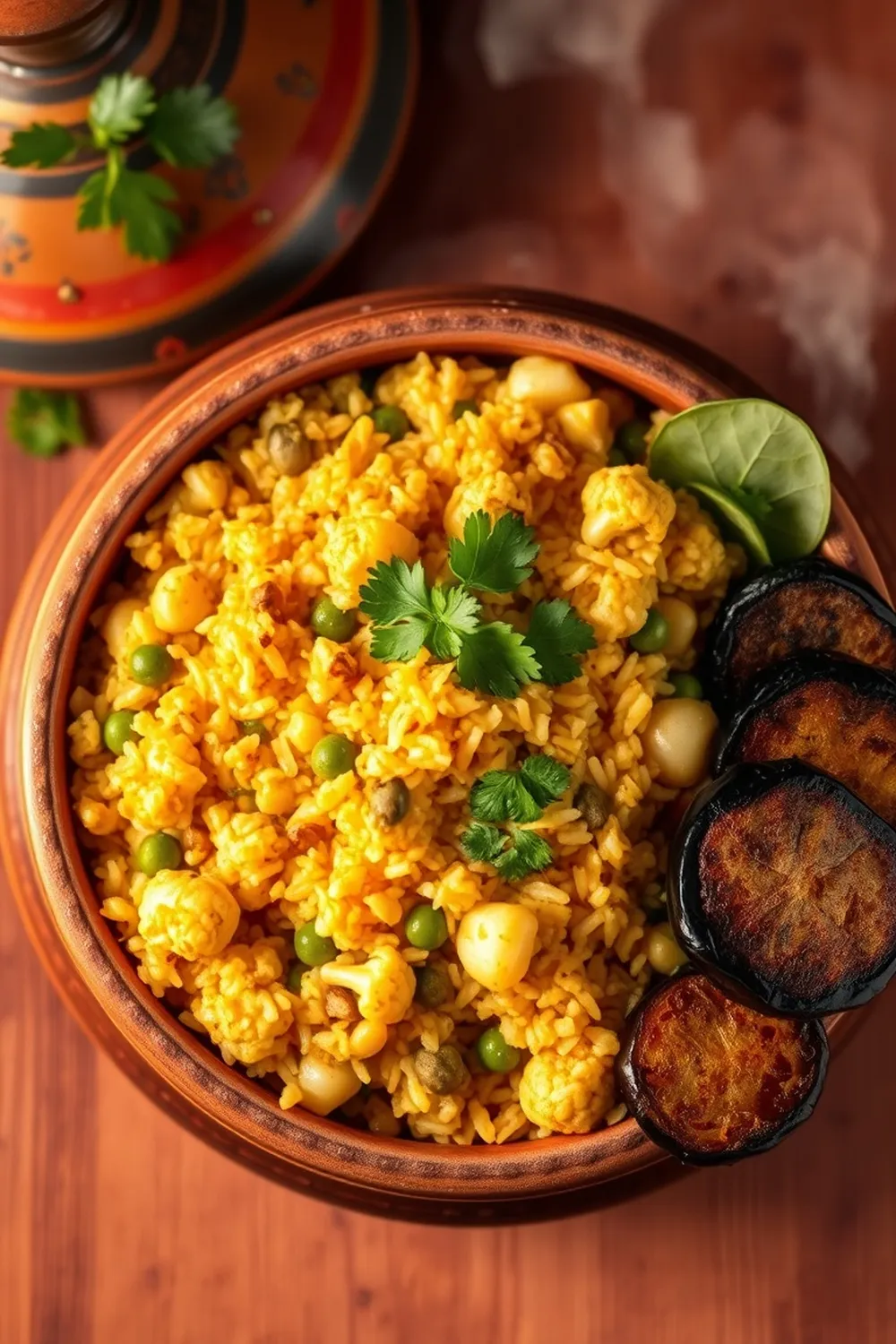
- Let the pressure release naturally. Fluff the khichdi and serve hot with baingan bhaja or yogurt.
- Calories:350 kcal25%
- Energy:1464 kJ22%
- Protein:12 g28%
- Carbohydrates:55 mg40%
- Sugar:4 mg8%
- Salt:300 g25%
- Fat:12 g20%
Last Updated on 6 months ago by Neha Deshmukh
Authentic Moong Dal Khichdi Recipe – Easy One-Pot Indian Meal
Introduction
Khichdi. Just the name evokes such warm, comforting memories, doesn’t it? It’s the ultimate Indian comfort food – a simple, nourishing meal that’s been a staple in our homes for generations. I remember my grandmother making a pot of khichdi whenever anyone was feeling under the weather, or just needed a little extra love. It’s incredibly versatile, easy to digest, and honestly, just tastes like home. Today, I’m sharing my go-to recipe for authentic Moong Dal Khichdi, a one-pot wonder that’s perfect for a quick weeknight dinner or a cozy weekend meal.
Why You’ll Love This Recipe
This khichdi recipe is more than just a meal; it’s a hug in a bowl! It’s incredibly easy to make, requiring minimal effort and ingredients. It’s also wonderfully customizable – you can adjust the spices and vegetables to your liking. Plus, it’s packed with protein and nutrients, making it a healthy and satisfying choice.
Ingredients
Here’s what you’ll need to create this comforting dish:
- 1 cup basmati rice
- 1 cup dhuli moong dal (split yellow lentils)
- 3 tablespoons ghee (clarified butter)
- 1 inch cinnamon stick
- 2 green cardamom
- 3 cloves
- 1 tej patta (bay leaf)
- 1 teaspoon cumin seeds
- 1 inch grated ginger
- ½ – 1 teaspoon turmeric powder (adjust to taste)
- ½ – ¾ teaspoon red chili powder (adjust to taste)
- 1 pinch asafoetida (hing)
- 2 tomatoes, chopped
- 1 green chili, slit (optional)
- 1.5 cups mixed vegetables (potatoes, cauliflower, peas are classic)
- ½ teaspoon sugar
- 5 cups water
- Salt to taste
Ingredient Notes
Let’s talk ingredients! A few little tips can make all the difference.
Basmati Rice: Choosing the Right Grain
Basmati rice is key for that lovely fluffy texture. Look for aged basmati – it tends to be longer, more fragrant, and cooks up beautifully. Around 180-200 grams of basmati rice is equivalent to 1 cup.
Dhuli Moong Dal: Benefits and Varieties
Dhuli moong dal is split and skinless, making it easier to digest. It’s a fantastic source of protein and is considered a very sattvic (pure) food in Ayurveda. You can find it at most Indian grocery stores. About 200 grams of dhuli moong dal equals 1 cup.
Ghee: The Importance of Clarified Butter in Indian Cooking
Ghee adds a richness and aroma that’s simply irreplaceable. It’s also believed to have several health benefits. If you don’t have ghee, you can substitute with vegetable oil, but the flavor won’t be quite the same.
Spices: Exploring the Aromatic Blend (Cinnamon, Cardamom, Cloves, Bay Leaf, Cumin)
These spices are the heart and soul of Indian cooking! They create a warm, inviting aroma and add depth of flavor. Don’t be afraid to experiment with the quantities to suit your taste.
Asafoetida (Hing): A Unique Flavor Profile & Digestive Aid
Asafoetida has a pungent smell in its raw form, but it transforms into a savory, umami-rich flavor when cooked. It’s also known for its digestive properties – a little goes a long way!
Step-By-Step Instructions
Alright, let’s get cooking!
- First, rinse the basmati rice and soak it in water for 20-30 minutes. This helps it cook up fluffier. Drain well before using.
- Dry roast the dhuli moong dal in a pan until it turns golden and fragrant. This step enhances its flavor. Let it cool, then rinse it well.
- Heat the ghee in a pressure cooker over medium heat. Add the cinnamon stick, cardamom, cloves, bay leaf, and cumin seeds. Let them sizzle for a few seconds until fragrant – this is called tempering.
- Add the grated ginger and sauté until it turns golden brown and aromatic. Then, mix in the turmeric powder, red chili powder, and asafoetida. Sauté for another 30 seconds.
- Stir in the chopped tomatoes and green chili (if using). Cook until the tomatoes soften and become mushy.
- Add the mixed vegetables and sauté for about a minute.
- Combine the roasted moong dal and soaked rice. Gently mix everything together with the spices and vegetables.
- Pour in the water, add the sugar and salt. Bring to a boil, then close the pressure cooker lid. Cook for 4-5 whistles.
- Let the pressure release naturally. Once the pressure is released, open the lid and fluff the khichdi with a fork. Serve hot!
Expert Tips
A few little secrets to make your khichdi even better:
Soaking the Rice & Dal for Perfect Texture
Don’t skip the soaking step! It really does make a difference in the texture of the khichdi.
Tempering Spices: Achieving Maximum Flavor
Tempering the spices in ghee is crucial for releasing their aromas and flavors. Be careful not to burn them!
Adjusting Spice Levels to Your Preference
Feel free to adjust the amount of red chili powder to control the spice level.
Pressure Cooking vs. Pot Cooking
If you don’t have a pressure cooker, you can cook the khichdi in a pot. It will take longer – about 45-60 minutes – and you may need to add more water.
Variations
Khichdi is a blank canvas for your culinary creativity!
Vegan Khichdi Adaptation
Simply substitute the ghee with vegetable oil for a delicious vegan version.
Gluten-Free Khichdi Confirmation
This recipe is naturally gluten-free!
Spice Level Adjustments (Mild, Medium, Spicy)
- Mild: Use ¼ teaspoon red chili powder.
- Medium: Use ½ teaspoon red chili powder.
- Spicy: Use ¾ – 1 teaspoon red chili powder.
Festival Adaptations (Makar Sankranti, Pongal)
During Makar Sankranti and Pongal, khichdi is often made with freshly harvested rice and dal. It’s a celebratory dish!
Regional Variations (Gujarati, Punjabi)
Gujarati khichdi often includes a touch of jaggery for sweetness, while Punjabi khichdi might be spicier and include more vegetables.
Serving Suggestions
Khichdi is delicious on its own, but here are a few ideas for serving:
- A dollop of yogurt
- Baingan bhaja (fried eggplant)
- Papadums
- A side of pickle
Storage Instructions
Leftover khichdi can be stored in an airtight container in the refrigerator for up to 3 days. Reheat gently on the stovetop or in the microwave.
FAQs
What is the best type of rice to use for Khichdi?
Basmati rice is the best choice for its aroma and fluffy texture.
Can I make Khichdi without a pressure cooker?
Yes, you can! It will just take longer to cook in a pot.
How can I adjust the consistency of the Khichdi?
If it’s too thick, add more water. If it’s too thin, cook it for a few more minutes uncovered.
What are the health benefits of Moong Dal Khichdi?
It’s easily digestible, packed with protein, and provides essential nutrients.
Can I add other vegetables to this Khichdi recipe?
Absolutely! Feel free to add carrots, beans, spinach, or any other vegetables you like.


Neha Deshmukh
Neha holds a B.A. in History with a focus on Indian and world history, including ancient, medieval, and modern periods. At RecipesOfIndia.org — the world’s largest database of Indian recipes — she combines her love for food and history by exploring how India’s past has shaped its culinary traditions.