- Soak urad dal and rajma overnight (8-9 hours). Drain and rinse well.
- Pressure cook lentils and beans with 3 cups water for 18-20 whistles until tender.
- Heat butter in a pan. Add bay leaf, black cardamom, cloves, cinnamon, and asafoetida. Sauté for 1 minute.
- Add ginger-garlic paste and sauté until aromatic. Add finely chopped onions and cook until golden brown.
- Stir in pureed tomatoes, red chili powder, turmeric, and salt. Cook until oil separates.
- Add cooked dal and 1 cup water. Simmer on low heat for 25-30 minutes, stirring occasionally.
- Mash some lentils to thicken the dal. Add garam masala, kasuri methi, and cream. Mix well.
- Optional: For smoky flavor, use the dhungar method with charcoal or add smoked paprika.
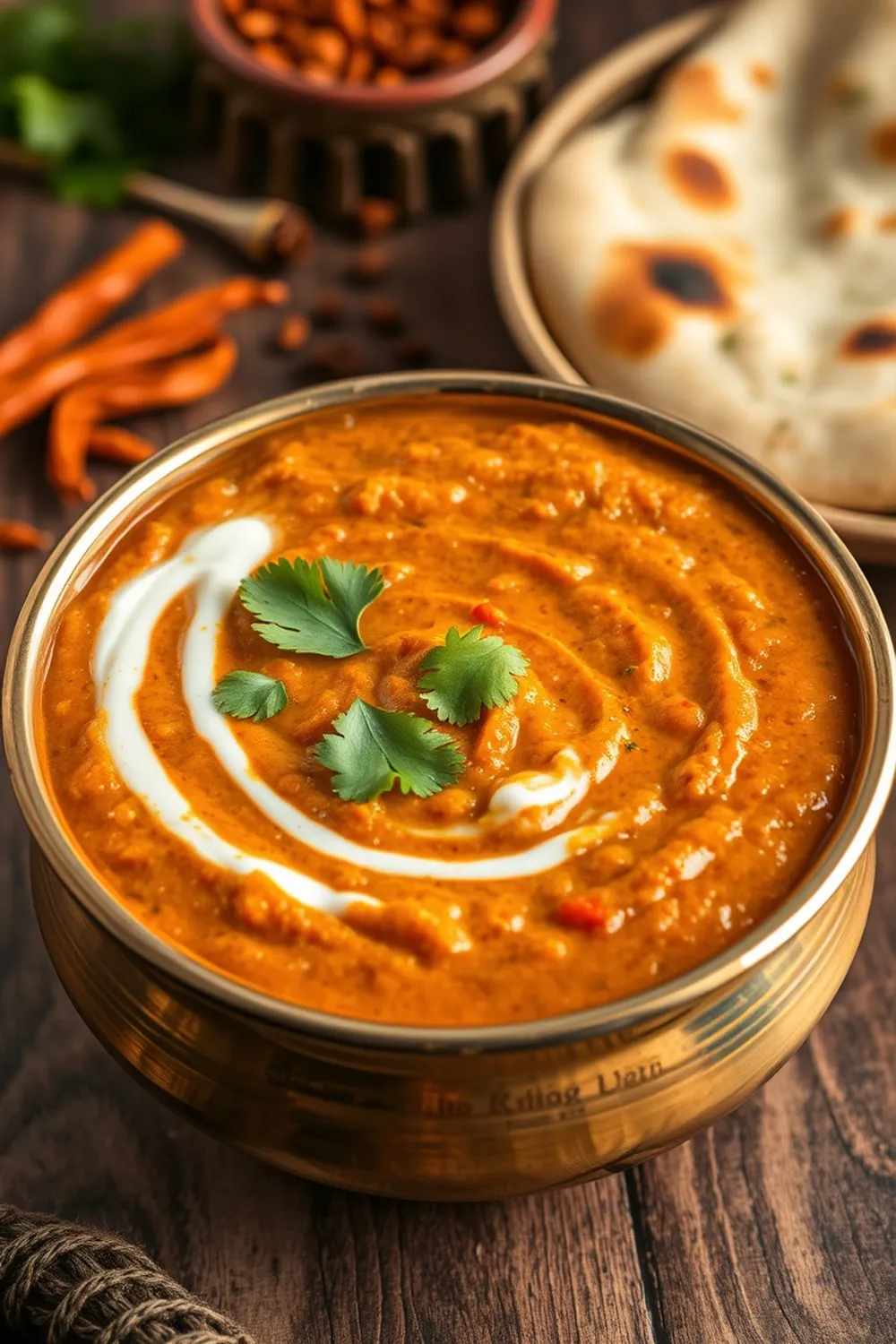
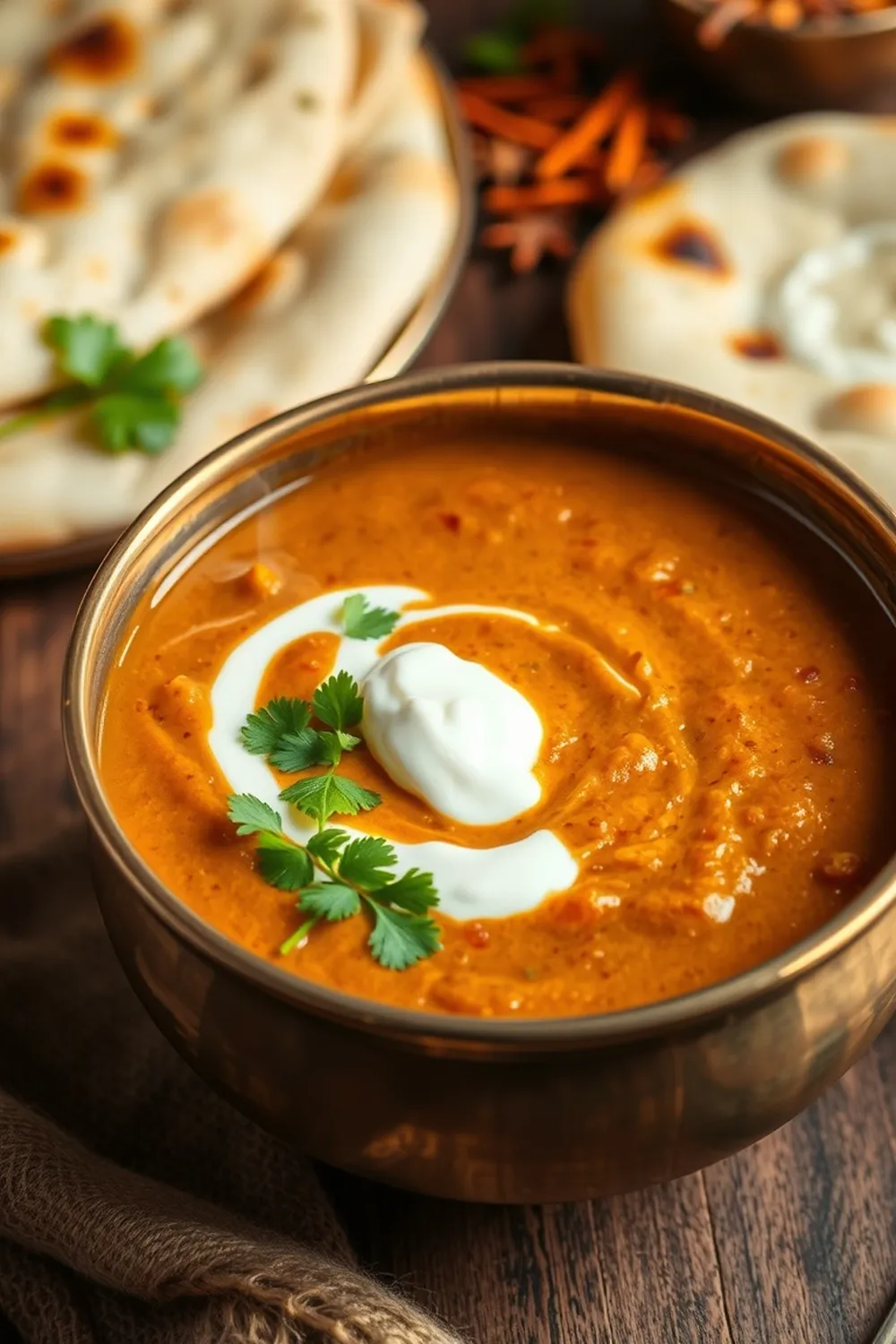
- Garnish with butter and cream. Serve hot with naan or rice.
- Calories:320 kcal25%
- Energy:1338 kJ22%
- Protein:12 g28%
- Carbohydrates:32 mg40%
- Sugar:4 mg8%
- Salt:450 g25%
- Fat:18 g20%
Last Updated on 5 months ago by Neha Deshmukh
Urad Dal & Rajma Recipe – Authentic Indian Black Lentil Stew
Introduction
There’s just something so comforting about a warm, hearty bowl of dal, isn’t there? This Urad Dal & Rajma recipe is a personal favorite – a beautiful blend of creamy black lentils (urad dal) and flavorful kidney beans (rajma). It’s a dish my grandmother used to make, and the aroma always takes me right back to her kitchen. It’s a little bit of effort, but trust me, the depth of flavor is so worth it. This isn’t just a recipe; it’s a hug in a bowl!
Why You’ll Love This Recipe
This Urad Dal & Rajma is more than just a meal. It’s packed with protein, incredibly flavorful, and surprisingly versatile. It’s perfect for a cozy weeknight dinner, a festive gathering, or even meal prepping for the week. Plus, it’s a fantastic way to explore the wonderful world of Indian lentils and beans!
Ingredients
Here’s what you’ll need to create this delicious stew:
- ¾ cup whole black gram (urad dal) – about 170g
- ¼ cup kidney beans (rajma) – about 55g
- 3 cups water – 720ml
- 3 tbsp butter – 42g
- ¼ cup cream – 60ml
- 1 bay leaf
- 1 black cardamom
- 2-3 cloves
- 1 inch cinnamon stick
- ¼ tsp asafoetida (hing)
- 1 tbsp ginger-garlic paste
- 2 medium tomatoes, pureed (about 300g)
- 1 large onion, finely chopped (about 200g)
- 1 tsp red chili powder
- ¼ tsp turmeric powder
- 1 tsp garam masala
- 1 tsp kasuri methi (dried fenugreek leaves)
- Salt to taste
Ingredient Notes
Let’s talk ingredients! Using good quality urad dal and rajma makes a huge difference. Look for lentils and beans that are vibrant in color and free of any debris.
- Urad Dal: I prefer the whole urad dal for this recipe, as it holds its shape better and gives a lovely texture.
- Rajma: Red kidney beans are traditional, but you can experiment with other varieties if you like.
- Butter: Don’t skimp on the butter! It really adds to the richness. But if you’re watching your fat intake, you can reduce the amount slightly.
- Asafoetida (Hing): This might seem like an unusual ingredient, but it adds a unique savory depth. A little goes a long way!
- Kasuri Methi: This dried fenugreek leaf adds a beautiful aroma and slightly bitter flavor. Don’t skip it!
Urad Dal & Rajma: The Powerhouse Combination
Urad dal and rajma are a classic pairing in Indian cuisine. Urad dal, known for its creamy texture, provides a comforting base. Rajma adds a slightly earthy and robust flavor, creating a beautiful balance. Together, they’re a nutritional powerhouse, packed with protein and fiber.
Regional Variations in Dal & Bean Preparations
India is a land of diverse culinary traditions, and dal preparations vary greatly from region to region. While this recipe leans towards a North Indian style, you’ll find variations in spices and cooking methods across the country. Some regions use coconut milk for a South Indian twist, while others add tamarind for a tangy flavor.
The Significance of Whole Spices
Indian cooking relies heavily on whole spices, and for good reason! They release their aromas and flavors slowly during cooking, creating a complex and layered taste. Don’t be tempted to use pre-ground spices – the difference is noticeable.
Butter vs. Ghee: Flavor & Tradition
Traditionally, ghee (clarified butter) is used in many Indian dishes. It has a richer, nuttier flavor than butter and a higher smoke point. While ghee is fantastic, butter works perfectly well and is more readily available. Feel free to substitute if you prefer!
Step-By-Step Instructions
Alright, let’s get cooking!
- Soak the Lentils & Beans: Start by soaking the urad dal and rajma overnight (8-9 hours) in plenty of water. This helps them cook evenly and become beautifully tender. Drain and rinse them well before cooking.
- Pressure Cook: Add the soaked and rinsed lentils and beans to a pressure cooker with 3 cups of water. Pressure cook for 18-20 whistles, or until they are completely tender.
- Temper the Spices: While the dal is cooking, heat the butter in a pan over medium heat. Add the bay leaf, black cardamom, cloves, and cinnamon stick. Sauté for about a minute until fragrant.
- Sauté Aromatics: Add the ginger-garlic paste and sauté until aromatic, about 30 seconds. Then, add the chopped onion and cook until golden brown.
- Build the Flavor Base: Stir in the pureed tomatoes, red chili powder, turmeric powder, and salt. Cook until the oil starts to separate from the mixture – this is a sign that the spices are well-cooked.
- Simmer & Thicken: Add the cooked dal and 1 cup of water to the pan. Bring to a simmer, then reduce the heat to low and cook for 25-30 minutes, stirring occasionally.
- Final Touches: Mash some of the lentils with the back of a spoon to thicken the dal. Stir in the garam masala, kasuri methi, and cream. Mix well and cook for another 5 minutes.
Expert Tips
- Achieving the Perfect Consistency: The consistency of the dal is key. If it’s too thick, add a little more water. If it’s too thin, simmer for a few more minutes.
- Blooming the Spices for Maximum Flavor: Sautéing the whole spices in butter (or ghee) releases their essential oils, creating a more intense flavor. Don’t rush this step!
- Mastering the Dhungar Method (Smoky Flavor): For a truly authentic touch, try the dhungar method. Heat a small piece of charcoal until red hot. Place it in a small steel bowl and place the bowl inside the dal. Pour a teaspoon of ghee over the charcoal – it will smoke immediately. Cover the pot tightly for 5-10 minutes to infuse the dal with a smoky flavor. Alternatively, a pinch of smoked paprika can add a similar effect.
Variations
- Vegan Urad Dal & Rajma: Simply substitute the butter with a plant-based oil and the cream with coconut cream.
- Gluten-Free Adaptation: This recipe is naturally gluten-free!
- Spice Level Adjustment (Mild to Spicy): Adjust the amount of red chili powder to your liking. Start with ½ tsp for a mild flavor and increase from there.
- Festival Adaptations (Maha Shivaratri, Lohri): This dal is often made during festivals like Maha Shivaratri and Lohri. You can add a touch of jaggery (gur) for a slightly sweet flavor during these occasions.
Serving Suggestions
Serve hot with naan, roti, paratha, or steamed rice. A side of raita (yogurt dip) and a simple salad complements the dal beautifully.
Storage Instructions
Leftovers can be stored in an airtight container in the refrigerator for up to 3 days. Reheat gently on the stovetop or in the microwave. It also freezes well for up to 2 months.
FAQs
- What is the best way to soak urad dal and rajma for optimal texture? Soaking overnight in plenty of water is crucial. This softens the lentils and beans, reducing cooking time and improving digestibility.
- Can I use a different type of bean instead of rajma? You can! Chana masala (chickpeas) or lobia (black-eyed peas) are good substitutes.
- How can I adjust the spice level of this dal? Start with a smaller amount of red chili powder and taste as you go. You can always add more, but you can’t take it away!
- What is asafoetida (hing) and why is it used in Indian cooking? Asafoetida is a resin with a pungent aroma. It adds a savory, umami flavor to dishes and aids in digestion.
- Can this dal be made in an Instant Pot? Absolutely! Reduce the pressure cooking time to about 20-25 minutes, followed by a natural pressure release.
Neha Deshmukh
Neha holds a B.A. in History with a focus on Indian and world history, including ancient, medieval, and modern periods. At RecipesOfIndia.org — the world’s largest database of Indian recipes — she combines her love for food and history by exploring how India’s past has shaped its culinary traditions.