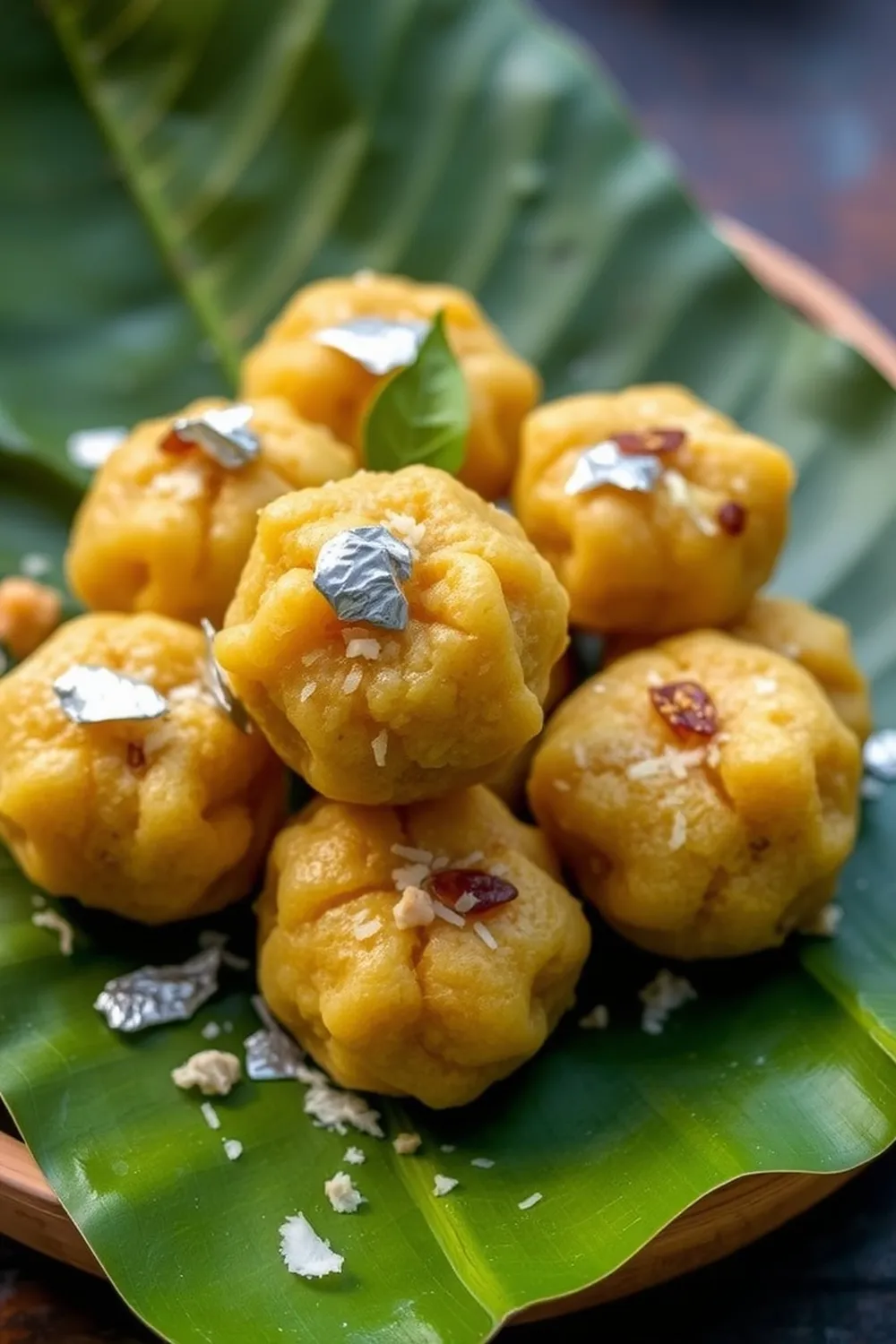
- Prepare the coconut-jaggery stuffing by mixing grated coconut and powdered jaggery in a pan. Cook on low heat until thickened, then add cardamom powder and mix well.
- Bring water to a boil with oil/ghee and salt. Add semolina, stir continuously to form a dough, and cook for 5-6 minutes on low heat until it comes together.
- Knead the cooked semolina dough while warm, applying oil or ghee to prevent sticking. Ensure the dough is smooth and pliable.
- Take a portion of dough, flatten it into a disc, and place a spoonful of stuffing in the center.
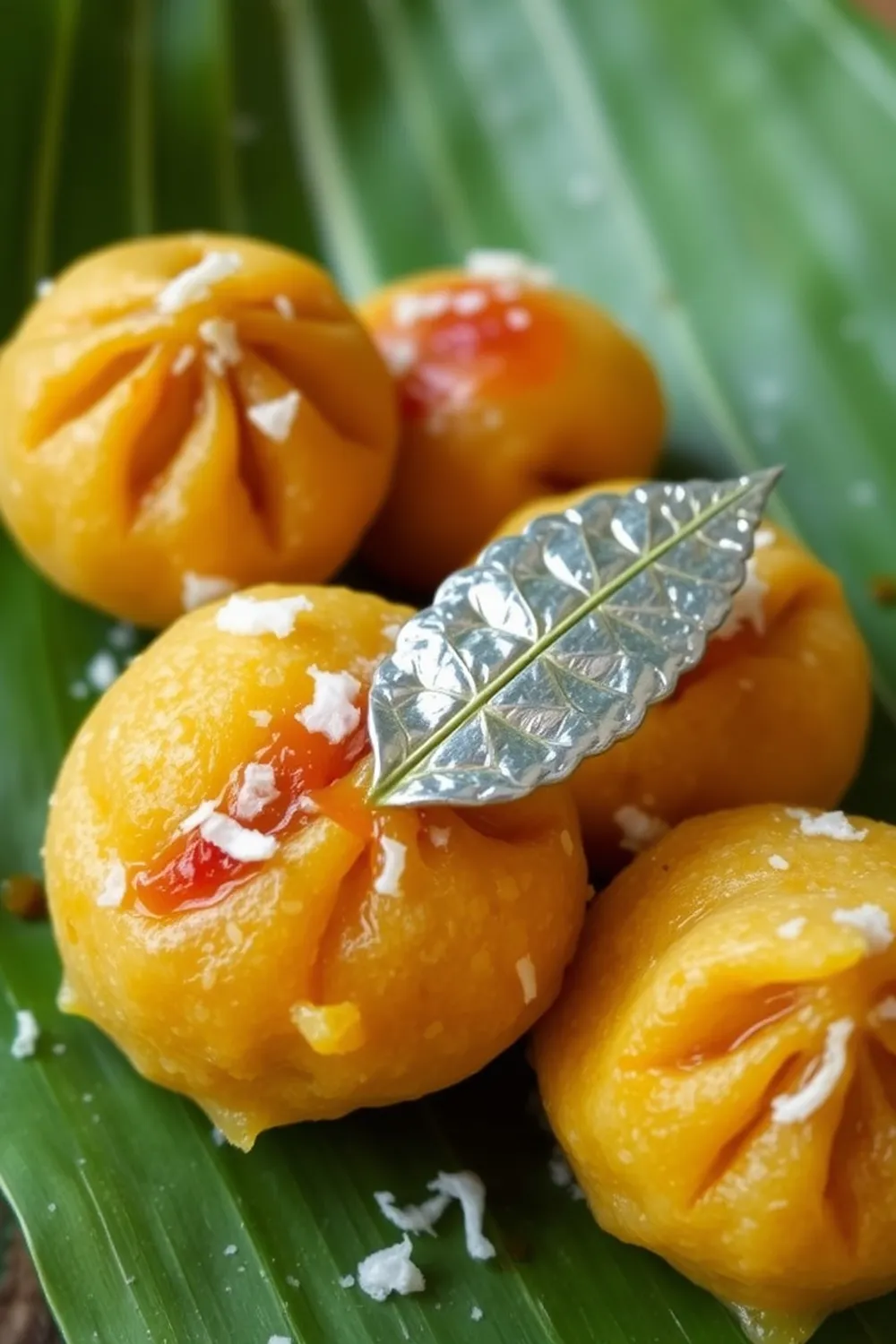
- Pinch the edges together to form a fluted modak shape, tapering the dough at the top to create a pointed end.
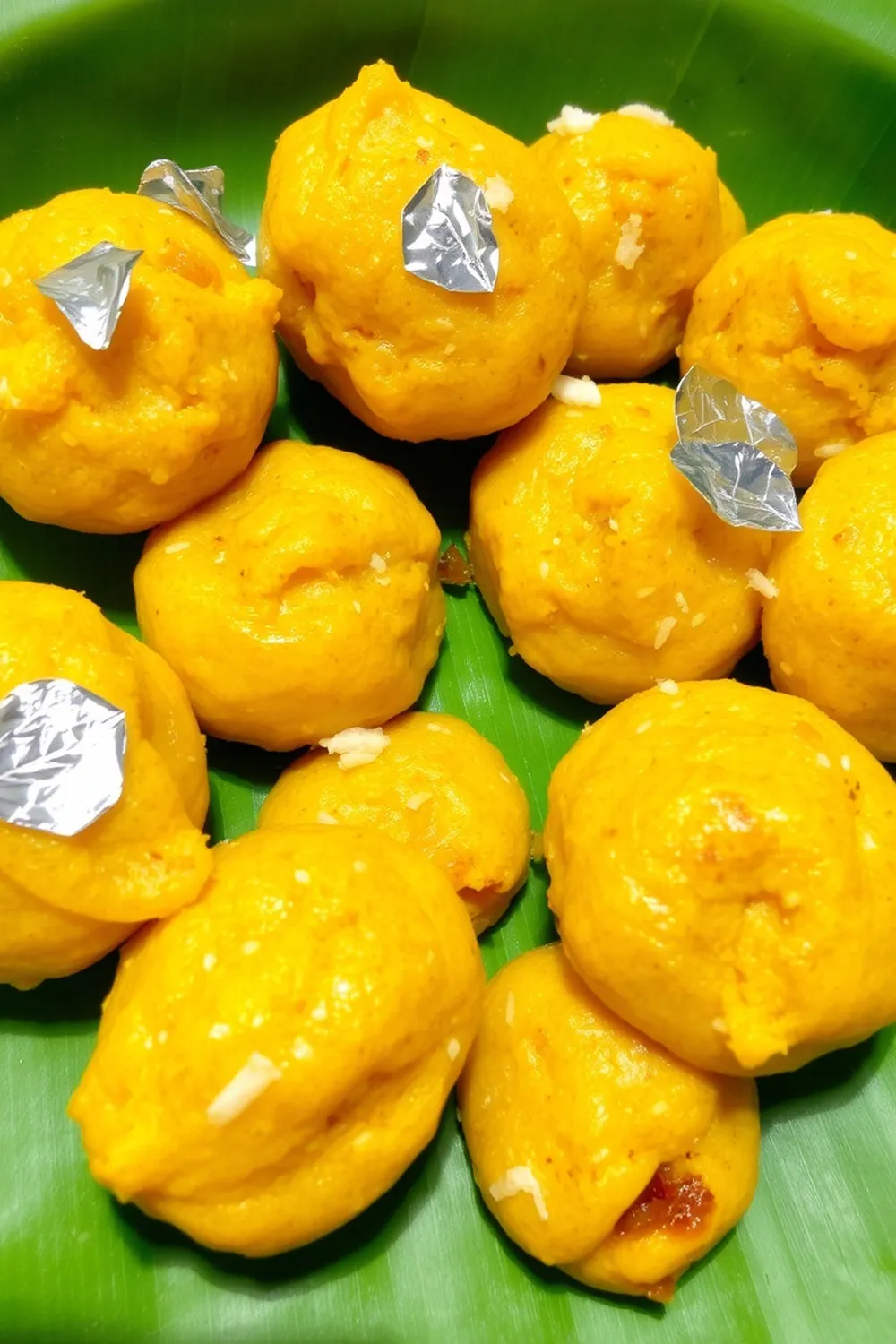
- Serve immediately as prasadam or a sweet snack. Modaks can also be steamed for 10-15 minutes for a softer texture.
- Calories:220 kcal25%
- Energy:920 kJ22%
- Protein:4 g28%
- Carbohydrates:30 mg40%
- Sugar:15 mg8%
- Salt:150 g25%
- Fat:8 g20%
Last Updated on 6 months ago by Neha Deshmukh
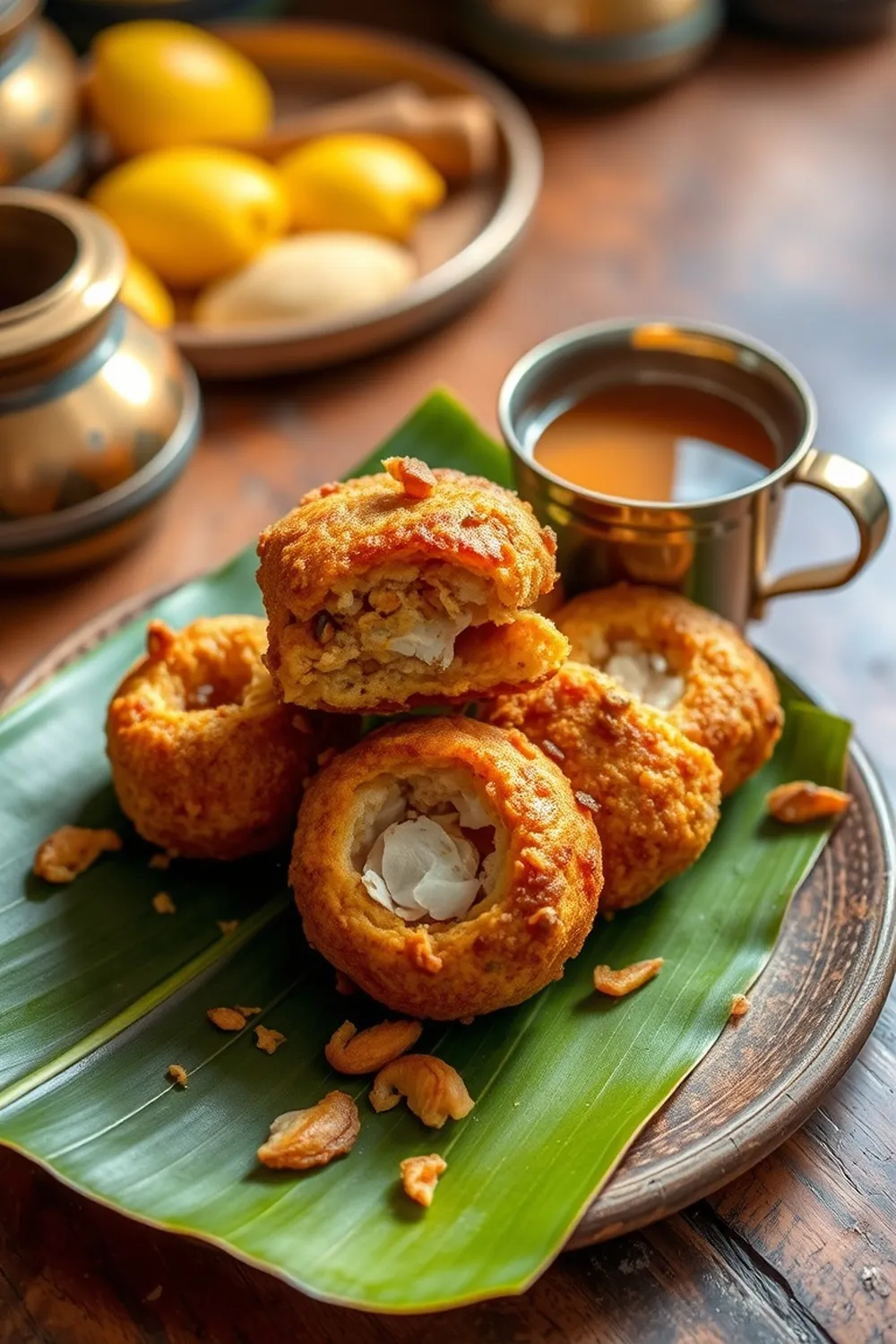
Modak Recipe – Coconut Jaggery Sweet- Traditional Indian Prasadam
Introduction
Oh, Modak! Just the name brings back so many childhood memories of Ganesh Chaturthi at my Nana’s house. The aroma of sweet coconut and jaggery filling the air… it’s pure bliss. This isn’t just a recipe; it’s a little piece of tradition, lovingly made and shared. I’m so excited to share my family’s recipe for these delightful coconut jaggery modaks with you. They’re a little bit of work, but trust me, every bite is worth it!
Why You’ll Love This Recipe
This modak recipe is special because it captures the authentic flavors of this beloved Indian sweet. It’s perfect for offering as prasadam (a devotional offering) during Ganesh Chaturthi, but honestly? You don’t need a festival as an excuse to make these! They’re a wonderful sweet treat to enjoy with family and friends any time. Plus, the process of making them is quite therapeutic – a little kneading, a little shaping, and a whole lot of love.
Ingredients
Here’s what you’ll need to create these little pockets of happiness:
- 2 cups semolina (rava/sooji) – about 240g
- 1.5 cups grated coconut – about 150g (fresh is best!)
- 1.5 cups powdered jaggery – about 300g
- 2.5 cups water – about 600ml
- 0.5 teaspoon cardamom powder – about 2.5g
- 2 teaspoons oil or ghee – about 10ml
- 0.25 teaspoon salt – about 1.25g
Ingredient Notes
Let’s talk ingredients for a moment, because quality really matters here!
- Grated Coconut: Seriously, if you can get your hands on freshly grated coconut, do it. It makes a world of difference. Frozen grated coconut works in a pinch, but thaw it completely and squeeze out any excess water.
- Jaggery: The type of jaggery you use will impact the color and flavor. I prefer a good quality, dark jaggery for a richer taste. Make sure it’s powdered well to avoid a grainy texture in the filling.
- Oil vs. Ghee: This is where regional preferences come in! Some families swear by ghee (clarified butter) for a richer flavor, while others prefer oil for a lighter taste. I’ve grown up using both, and honestly, it’s down to what you prefer. Ghee will give a lovely golden hue to the modaks.
Step-By-Step Instructions
Alright, let’s get cooking!
- Make the Stuffing: In a pan, combine the grated coconut and powdered jaggery. Cook this mixture on low heat, stirring constantly, until it thickens and comes together. This usually takes about 5-7 minutes. Stir in the cardamom powder and set aside to cool.
- Cook the Semolina: In a separate, heavy-bottomed pan, bring the water to a boil. Add the oil or ghee and salt. Now, slowly add the semolina, stirring constantly to prevent lumps. Reduce the heat to low and continue stirring for 5-6 minutes, until the semolina absorbs all the water and forms a soft dough.
- Knead the Dough: This is the arm workout part! Once the semolina is cooked, let it cool slightly (you should be able to handle it without burning yourself). Now, knead the dough until it’s smooth and pliable. If it feels sticky, add a little more oil, a teaspoon at a time.
- Shape the Modaks: Take a small portion of the dough (about a tablespoon). Flatten it into a disc in your palm. Place a spoonful of the coconut-jaggery stuffing in the center.
- Pinch and Pleat: Now comes the fun part! Gently bring the edges of the dough together and pinch them to seal the filling inside. Start pleating the edges to create the traditional fluted modak shape, tapering it to a point at the top. Don’t worry if your first few aren’t perfect – it takes practice!
- Serve Immediately: Traditionally, modaks are served fresh as prasadam or a sweet snack. They’re best enjoyed warm!
Expert Tips
- Don’t Overcook the Semolina: Overcooked semolina will result in a hard, crumbly dough.
- Keep the Dough Covered: While you’re shaping the modaks, keep the dough covered with a damp cloth to prevent it from drying out.
- Practice Makes Perfect: Shaping modaks takes a little practice. Don’t get discouraged if your first few attempts aren’t perfect.
Variations
- Vegan Modak Adaptation: Substitute the ghee with a neutral-flavored oil like coconut oil.
- Gluten-Free Considerations: Semolina isn’t strictly gluten-free, but some brands offer gluten-free semolina. Check the packaging to be sure.
- Spice Level Adjustment (Cardamom): Feel free to adjust the amount of cardamom powder to your liking. Some people like a stronger cardamom flavor!
- My Family’s Secret: My aunt always adds a tiny pinch of nutmeg to the stuffing – it adds a lovely warmth.
Festival Adaptations (Ganesh Chaturthi Specifics)
Modaks are the offering to Lord Ganesha during Ganesh Chaturthi. It’s believed that Lord Ganesha loves modaks so much that he can’t resist them! Making 21 modaks is considered particularly auspicious. The act of making them with devotion is just as important as the offering itself.
Serving Suggestions
Serve these warm, with a glass of milk or a cup of chai. They’re also lovely with a sprinkle of chopped nuts on top. Honestly, they’re delicious all on their own!
Storage Instructions
Modaks are best enjoyed fresh. However, if you have any leftovers, you can store them in an airtight container at room temperature for a day or two. They may lose some of their softness, but they’ll still taste delicious.
FAQs
What is the significance of Modak?
Modaks represent prosperity and good fortune. They are believed to be Lord Ganesha’s favorite food and are offered to him with love and devotion.
Can I make Modak dough in advance?
You can cook the semolina in advance and store it in the refrigerator for a day. However, it’s best to knead and shape the modaks just before serving.
What is the best way to prevent the Modak from cracking?
Make sure the dough is well-kneaded and pliable. Also, avoid overfilling the modaks.
Can I steam Modaks instead of serving them fresh?
Yes, you can! Steam the modaks for about 10-15 minutes. However, they taste best when served fresh.
What type of jaggery is best for Modak?
A good quality, dark jaggery is preferred for a richer flavor. Make sure it’s powdered well to avoid a grainy texture.
Neha Deshmukh
Neha holds a B.A. in History with a focus on Indian and world history, including ancient, medieval, and modern periods. At RecipesOfIndia.org — the world’s largest database of Indian recipes — she combines her love for food and history by exploring how India’s past has shaped its culinary traditions.