- Melt jaggery with 1/2 cup water, strain to remove impurities.
- Fry coconut pieces in ghee until golden brown.
- Mash bananas into a puree and combine with jaggery syrup, rice flour, fried coconut, cardamom, baking soda, and water to form a thick batter. Rest for 30 minutes.
- Heat oil in an Unniappam/Aebleskiver pan to 350°F. Fill each mold with batter.
- Cook for 3 minutes per side until golden brown. Test doneness with a skewer.
- Drain excess oil and serve warm.
- Calories:92 kcal25%
- Energy:384 kJ22%
- Protein:1 g28%
- Carbohydrates:20 mg40%
- Sugar:8 mg8%
- Salt:1 g25%
- Fat:1 g20%
Last Updated on 6 months ago by Neha Deshmukh
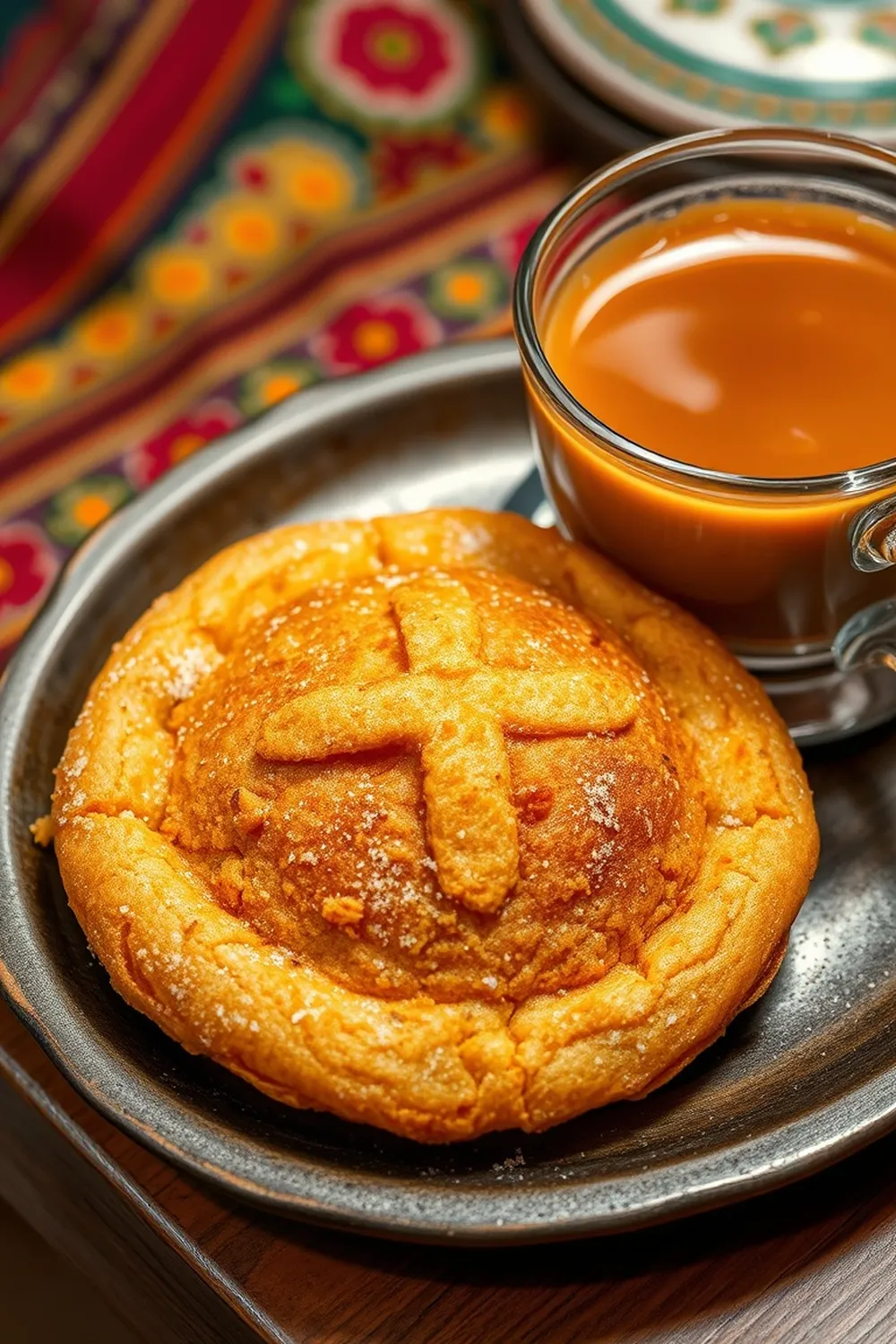
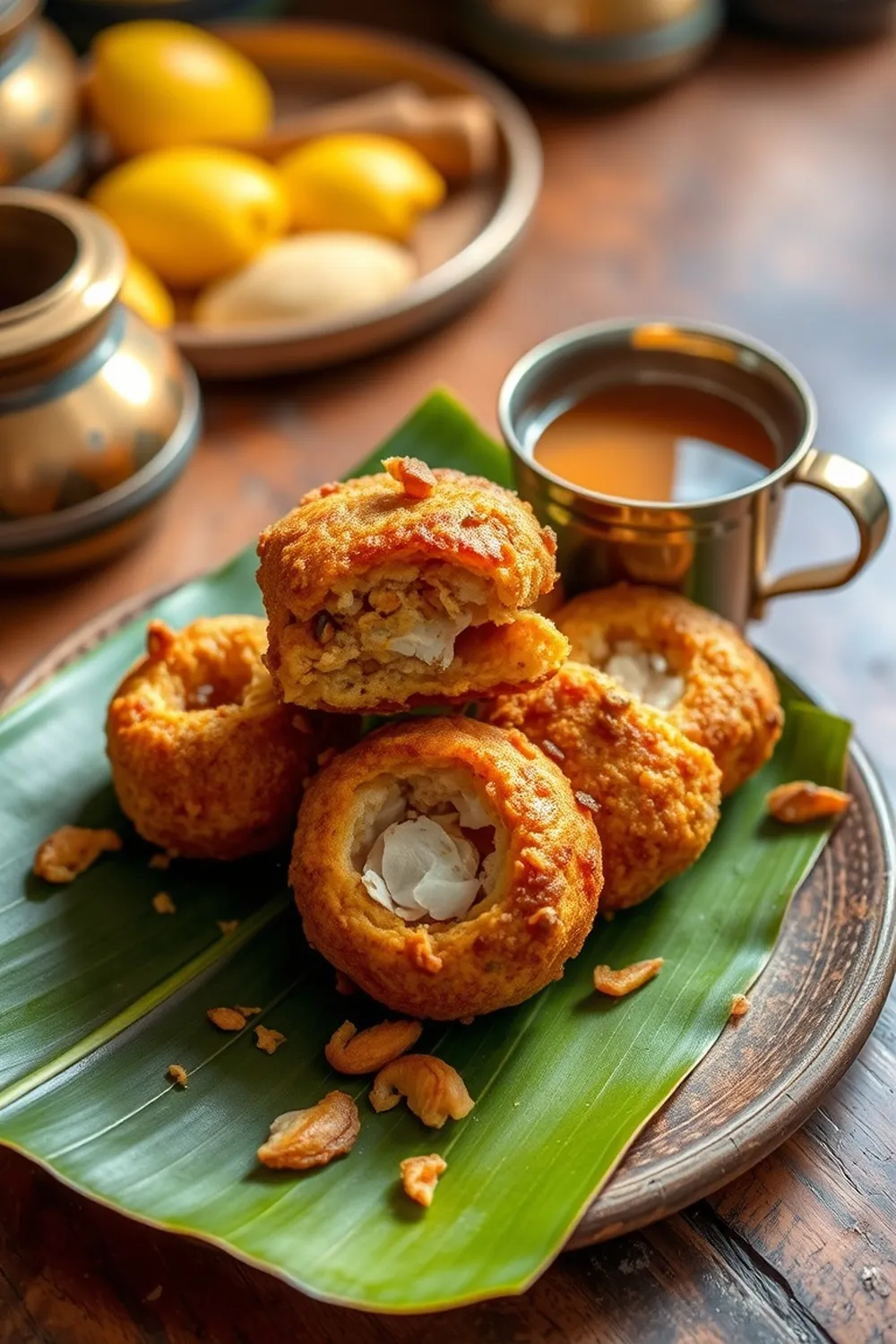
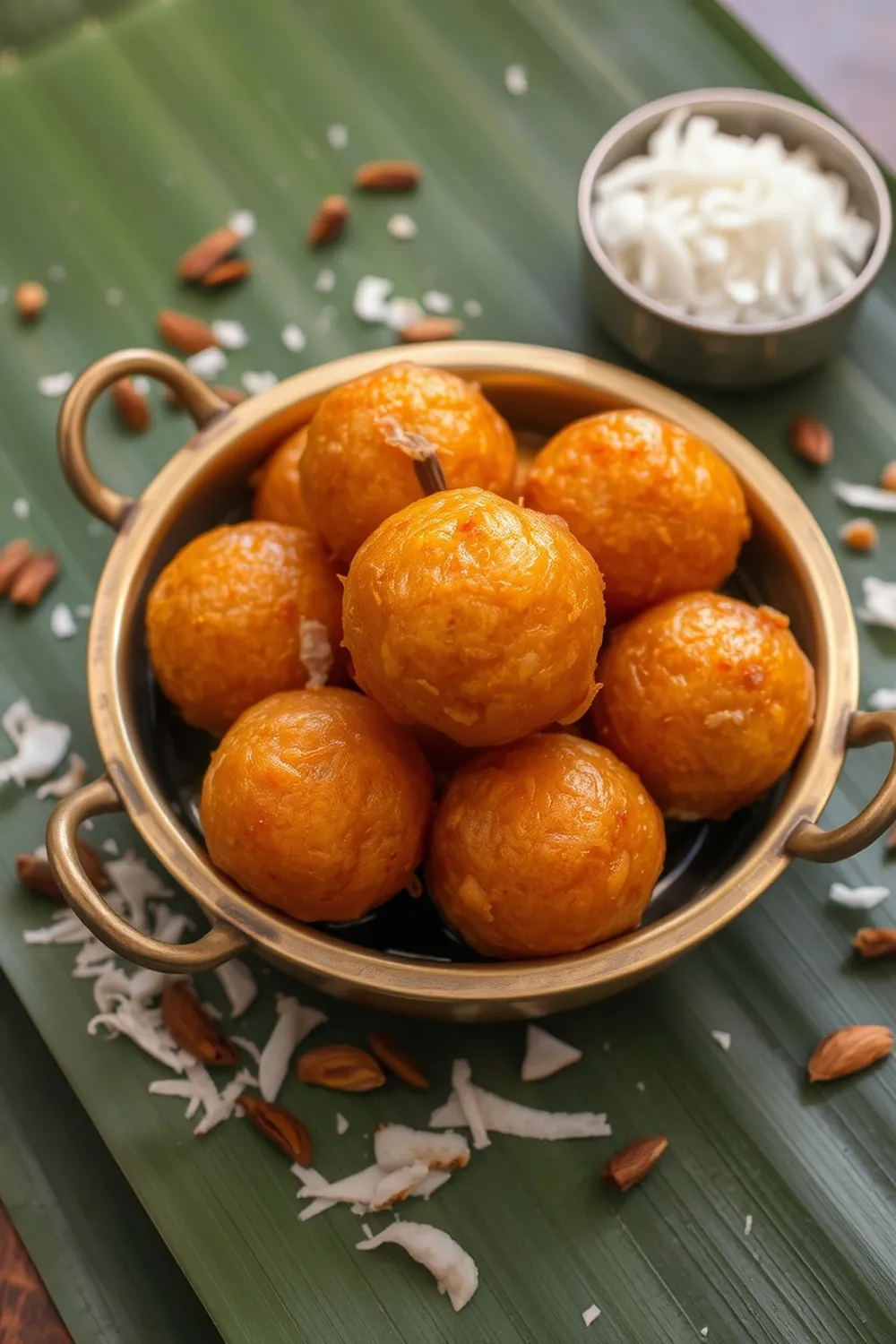
Unniappam Recipe – Kerala Banana Jaggery Rice Flour Puffs
Okay, let’s be real – Unniappam is comfort food defined. These little puffs of goodness are a staple in Kerala, especially during Onam, and honestly, just thinking about them takes me right back to my grandmother’s kitchen. I first tried making these myself years ago, and while it took a few tries to get them just right, the reward is SO worth it. They’re sweet, a little bit chewy, and utterly addictive. Let’s get into it!
Why You’ll Love This Recipe
Unniappam isn’t just a treat; it’s an experience. It’s the perfect blend of flavors – the sweetness of jaggery, the aroma of cardamom, and the subtle earthiness of rice flour. Plus, they’re surprisingly fun to make, especially if you get the whole family involved! If you’re looking for a unique and delicious Indian sweet that’s a little different from the usual, you absolutely have to try this.
Ingredients
Here’s what you’ll need to make these delightful Unniappam:
- 2 cup Rice flour
- ?? cup Jaggery
- 2 Cardamom pods
- 3 tablespoon Coconut pieces
- 1 teaspoon Ghee
- 2 small Banana
- Pinch Baking soda
- 1 cup Water
- Canola oil for frying
Ingredient Notes
Let’s talk ingredients – a few little things can make a big difference!
- Rice Flour Type: I prefer using a fine rice flour for a smoother texture. You can find this at most Indian grocery stores.
- Jaggery Variations: Jaggery comes in different grades. Darker jaggery has a more robust flavor, while lighter jaggery is milder. Feel free to experiment! About ¾ cup should do the trick.
- Ghee Quality: Good quality ghee really shines through in the flavor. Homemade is best, but a good store-bought brand works too.
- Banana Ripeness: You want bananas that are nicely ripe – almost speckled, but not overly mushy. They should mash easily.
- Cardamom Freshness: Freshly crushed cardamom pods are key for that amazing aroma. Don’t skimp on this!
Step-By-Step Instructions
Alright, let’s get cooking!
- First, melt the jaggery with ?? cup of water in a saucepan. Gently heat it until the jaggery dissolves completely. Then, strain it to remove any impurities – you want a nice, clear syrup.
- Next, fry the coconut pieces in ghee until they turn a beautiful golden brown. Set these aside; they add such a lovely texture and flavor.
- Now, mash the bananas into a smooth puree. Add the jaggery syrup, rice flour, fried coconut, cardamom pods (crushed!), baking soda, and water. Mix everything together until you have a thick, smooth batter.
- This is important: let the batter rest for at least 30 minutes. This allows the rice flour to absorb the liquid and develop a better texture.
- Heat canola oil in your Unniappam pan (more on that later!) to around 365°F (185°C).
- Carefully fill each mold of the pan with the batter – don’t overfill!
- Cook for about 3 minutes per side, until golden brown and cooked through. A skewer inserted into the center should come out clean.
- Drain the Unniappam on paper towels to remove any excess oil. Serve them warm and enjoy!
Expert Tips
- Don’t be afraid to adjust the water slightly if the batter seems too thick or too thin.
- Keep the oil temperature consistent for even cooking.
- If you don’t have cardamom pods, a pinch of cardamom powder will work in a pinch (but fresh is always better!).
Variations
Want to switch things up? Here are a few ideas:
- Vegan Adaptation: Substitute the ghee with coconut oil.
- Gluten-Free Notes: This recipe is naturally gluten-free, as long as your rice flour is certified gluten-free.
- Spice Level Adjustment: Add a tiny pinch of nutmeg or a dash of ginger powder for a little extra warmth. My aunt always adds a tiny bit of grated ginger!
- Onam/Festival Adaptation: Traditionally, Unniappam are made in larger quantities for Onam. Feel free to double or triple the recipe for a festive spread.
Serving Suggestions
Unniappam are best enjoyed warm, straight from the pan! They’re delicious on their own, but you can also serve them with a dollop of coconut cream or a sprinkle of cardamom powder. A cup of chai is the perfect accompaniment, of course.
Storage Instructions
If you happen to have any leftovers (which is unlikely!), store them in an airtight container at room temperature for up to 2 days. They’re best enjoyed fresh, though. You can also reheat them gently in a microwave or oven.
FAQs
Let’s answer some common questions:
- What is the best type of jaggery to use for Unniappam? Darker jaggery gives a more intense flavor, but lighter jaggery works well too. It really comes down to personal preference.
- Can I make the batter ahead of time? Yes, you can! Just store it in the refrigerator for up to 24 hours. You might need to add a little extra water to thin it out before frying.
- What is an Unniappam pan, and can I use an alternative? An Unniappam pan is a special pan with round molds. If you don’t have one, you can use an Aebleskiver pan (a Danish pancake pan) as a substitute.
- How do I know if the oil is at the right temperature? A small drop of batter should sizzle and float to the surface immediately.
- Can I use ripe plantains instead of bananas? Yes, you can! Plantains will give the Unniappam a slightly different flavor and texture, but they’re still delicious.


Neha Deshmukh
Neha holds a B.A. in History with a focus on Indian and world history, including ancient, medieval, and modern periods. At RecipesOfIndia.org — the world’s largest database of Indian recipes — she combines her love for food and history by exploring how India’s past has shaped its culinary traditions.