- Choose a sweet recipe (ladoo, halwa, barfi, etc.) from the collection.
- Gather ingredients according to the chosen recipe.
- For milk-based sweets like basundi or rasmalai, simmer milk until it thickens.
- For ladoos, roast the flour and/or other ingredients in ghee, then mix with a sweetener and shape into balls.
- For barfis, cook the mixture to a dough-like consistency, flatten, and cut into squares or desired shapes.
- Let the sweets cool completely before serving or storing them in airtight containers.
- Calories:kcal25%
- Energy:kJ22%
- Protein:g28%
- Carbohydrates:mg40%
- Sugar:mg8%
- Salt:g25%
- Fat:g20%
Last Updated on 6 months ago by Neha Deshmukh
Authentic Indian Sweets Recipe – Ladoo, Halwa & Barfi Guide
Okay, let’s be real. Is there anything better than a warm, sweet Indian treat? From the melt-in-your-mouth goodness of a ladoo to the rich, comforting texture of halwa and the delightful bite of barfi, these sweets are just… happiness in every bite. I remember learning to make these with my grandmother, and honestly, the kitchen was always a sticky, sweet mess – but the best kind of mess! Today, I’m sharing a guide to these classics, so you can create some sweet memories of your own.
Why You’ll Love This Recipe
This isn’t just one recipe, it’s a gateway to a whole world of Indian sweets! We’ll cover the basics of three beloved types – ladoo, halwa, and barfi – giving you the foundation to experiment and create your own variations. It’s easier than you think, and the reward is seriously worth it. Plus, homemade sweets just taste… different. They’re made with love, you know?
Ingredients
Here’s a look at the core ingredients you’ll be working with. Don’t be intimidated by the list – you won’t need all of these for every recipe!
- Sugar: As required (approximately 1 cup)
- Milk: As required (approximately 1 cup)
- Ghee: As required (approximately 2-3 tbsp)
- Jaggery: As required (approximately 1 cup)
- Rice flour: As required (approximately 1 cup)
- Urad dal flour: As required (approximately 1 cup)
- Besan/gram flour: As required (approximately 1 cup)
Servings: 3
Cooking Time: 60 minutes
Preparation Time: 30 minutes
Difficulty: Easy
Ingredient Notes
Let’s talk ingredients! A few little things can make a big difference.
- Sweeteners: Jaggery vs. Sugar: This is a big one! Sugar gives a clean sweetness, while jaggery (gur) has a more complex, molasses-like flavor. I grew up with my mom using jaggery in everything – it adds such a lovely depth. Feel free to experiment with both!
- Ghee Quality: Seriously, don’t skimp on the ghee. Good quality ghee has a beautiful aroma and flavor. It’s the heart and soul of many Indian sweets. Look for ghee that’s golden yellow and smells nutty.
- Flour Types:
- Rice Flour: Perfect for a slightly grainy texture, often used in Mysore Pak or certain types of barfi.
- Urad Dal Flour: This is what gives ladoos their characteristic melt-in-your-mouth texture. It’s a bit nutty and adds a lovely flavor.
- Besan/Gram Flour: A versatile flour used in many halwas and some barfis. It has a slightly earthy flavor.
Step-By-Step Instructions
Okay, let’s get cooking! Remember, these are general guidelines. Each specific ladoo, halwa, or barfi recipe will have its own nuances.
- Select your sweet: First things first, decide what you’re craving! Ladoo, halwa, or barfi?
- Gather your ingredients: Once you’ve chosen, get everything measured out and ready to go. Trust me, mise en place (everything in its place) makes life so much easier.
- Milk-based sweets: If you’re making something like basundi or rasmalai, start by simmering the milk until it thickens. This takes patience, but it’s worth it! Stir frequently to prevent scorching.
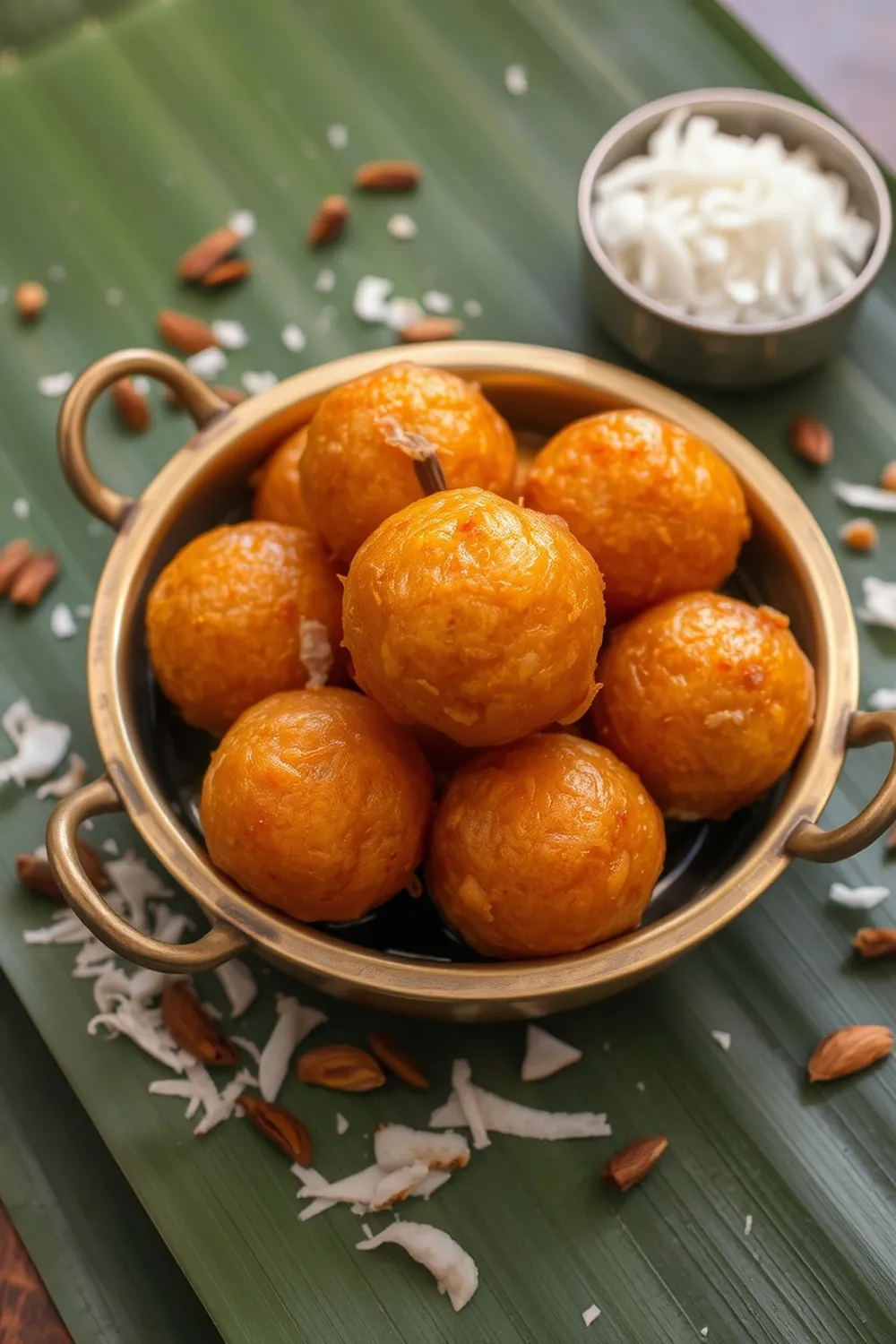
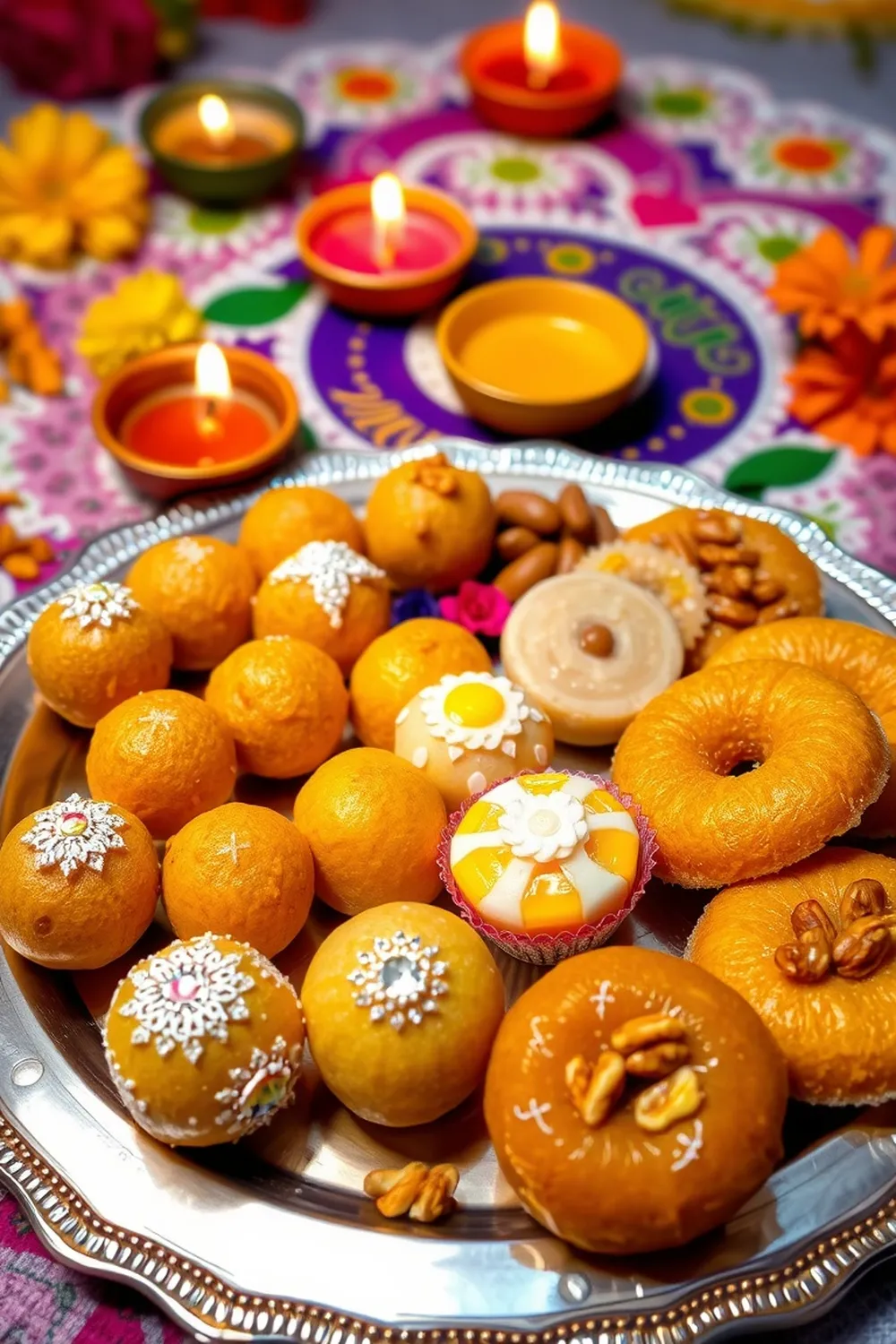
- Ladoos: For ladoos, you’ll typically roast a flour or other ingredient (like semolina) in ghee until golden brown and fragrant. Then, you’ll mix in a sweetener and shape the mixture into small balls.
- Barfis: Barfis involve cooking a mixture (often milk-based) to a dough-like consistency. You’ll then flatten it out and cut it into squares.
- Cooling & Storing: Let your sweets cool completely before serving or storing them in airtight containers. This helps them set properly and stay fresh.
Expert Tips
- Don’t rush the roasting: Roasting the flour or ingredients properly is key to developing the flavor and texture.
- Stir, stir, stir!: Especially when working with milk-based sweets, constant stirring prevents sticking and ensures even cooking.
- Check for the right consistency: This is the trickiest part! Pay close attention to the recipe instructions and look for visual cues (like the mixture pulling away from the sides of the pan).
Variations
This is where the fun begins!
- Vegan Adaptations: You can often substitute ghee with coconut oil or a vegan butter alternative. Use plant-based milk and ensure your sweetener is vegan-friendly (some sugars are processed with bone char).
- Gluten-Free Adaptations: Most traditional recipes are naturally gluten-free, but always double-check ingredients. If a recipe calls for wheat flour, you can try using a gluten-free flour blend.
- Spice Level Variations: A pinch of cardamom is classic, but don’t be afraid to experiment! Saffron adds a beautiful color and aroma. A tiny bit of nutmeg can also be lovely.
- Festival Adaptations:
- Diwali: Ladoos and barfis are staples during Diwali.
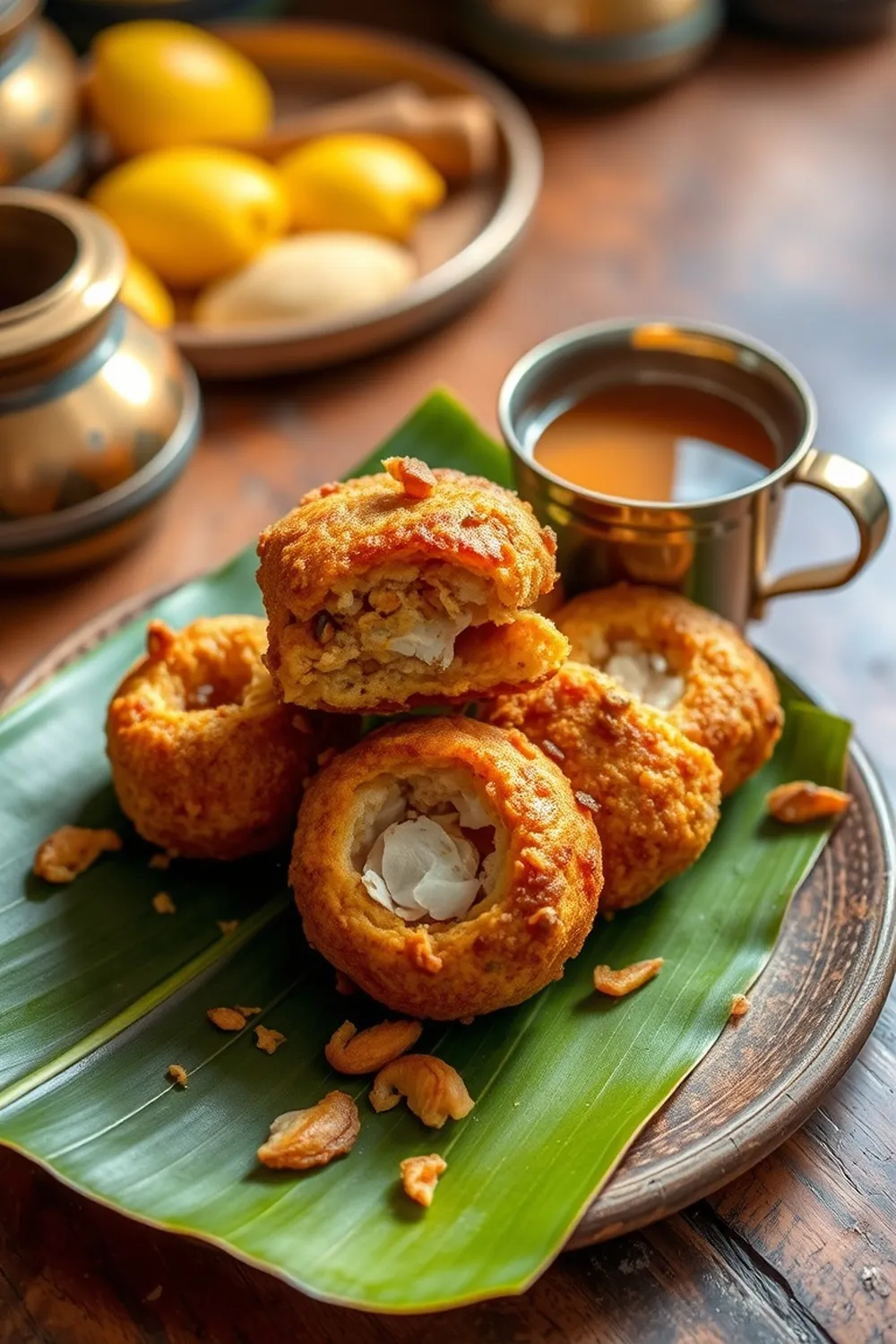
- Holi: Gujiya (a sweet dumpling) is popular during Holi.
- Janmashtami: Makhan Mishri (white butter and sugar) is offered to Lord Krishna.
Serving Suggestions
These sweets are perfect on their own with a cup of chai. You can also serve them with a scoop of ice cream or a sprinkle of chopped nuts. My family loves to enjoy them after a big meal!
Storage Instructions
Store your sweets in airtight containers at room temperature for up to 3-5 days. Some sweets, like barfi, can also be refrigerated for longer storage.
FAQs
What is the difference between Ladoo, Halwa, and Barfi?
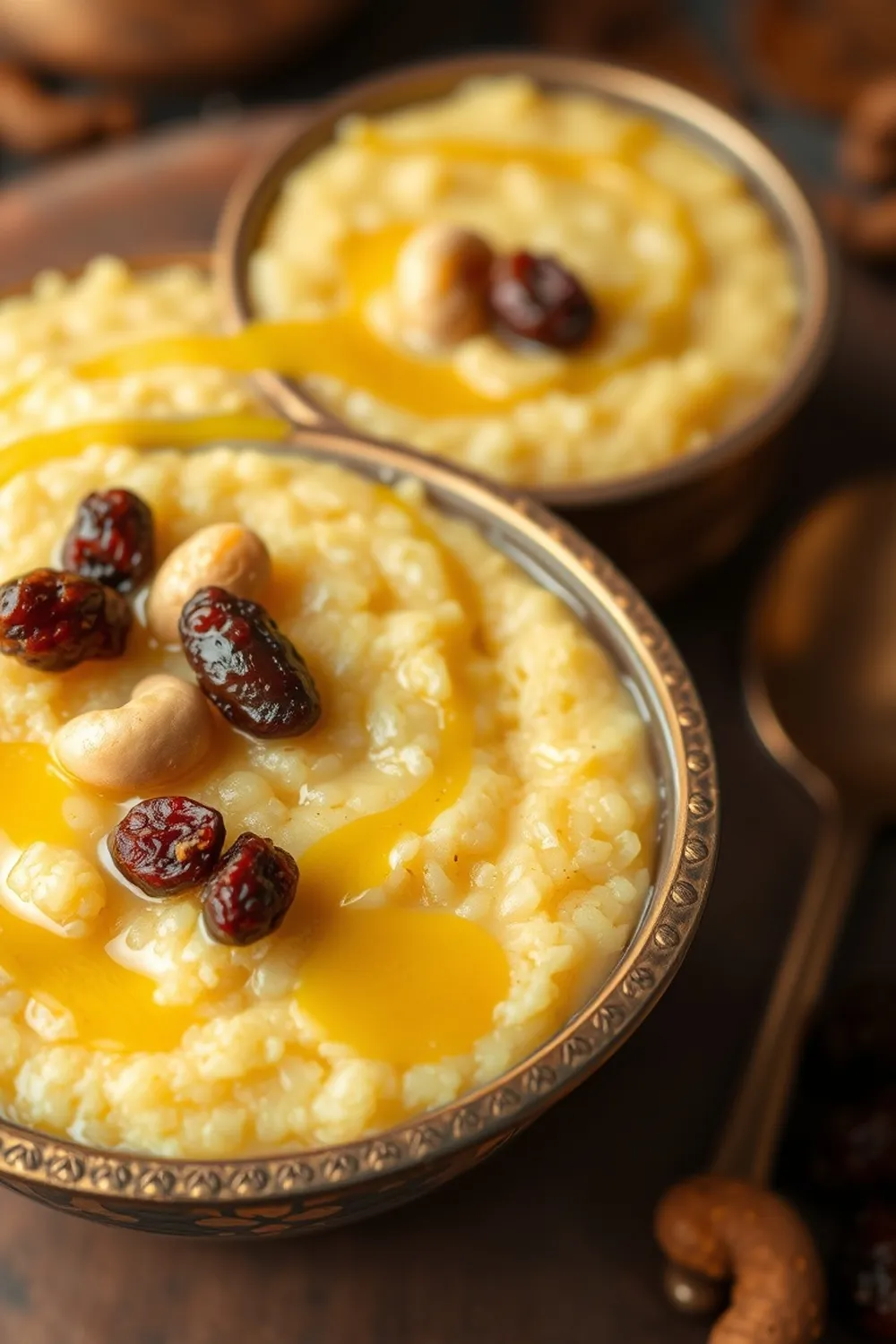
That’s a great question! Ladoos are typically spherical and made with flour, ghee, and sugar. Halwa is a dense, pudding-like sweet, often made with semolina, carrots, or lentils. Barfi is a milk-based sweet that’s cooked to a firm consistency and cut into squares.
Can I use powdered sugar instead of granulated sugar?
You can, but it might affect the texture. Granulated sugar helps create a slightly grainy texture, while powdered sugar will result in a smoother sweet.
How do I know when the mixture is the right consistency for Barfi?
This takes practice! The mixture should start to pull away from the sides of the pan and form a soft ball when you try to roll it between your palms.
What is the best way to store homemade Indian sweets?
Airtight containers are key! This prevents them from drying out or absorbing odors.
Can I make these sweets ahead of time?
Absolutely! Many Indian sweets actually taste better after a day or two, as the flavors have time to meld.

Neha Deshmukh
Neha holds a B.A. in History with a focus on Indian and world history, including ancient, medieval, and modern periods. At RecipesOfIndia.org — the world’s largest database of Indian recipes — she combines her love for food and history by exploring how India’s past has shaped its culinary traditions.