- Boil 1 ½ cups water with salt and oil. Add ragi flour to the boiling water on low heat, stirring quickly to form a dough.
- Cover the dough and let it cool slightly. Knead until smooth.
- Divide the dough into 8 balls. Roll each ball with dry ragi flour into thin chapatis.
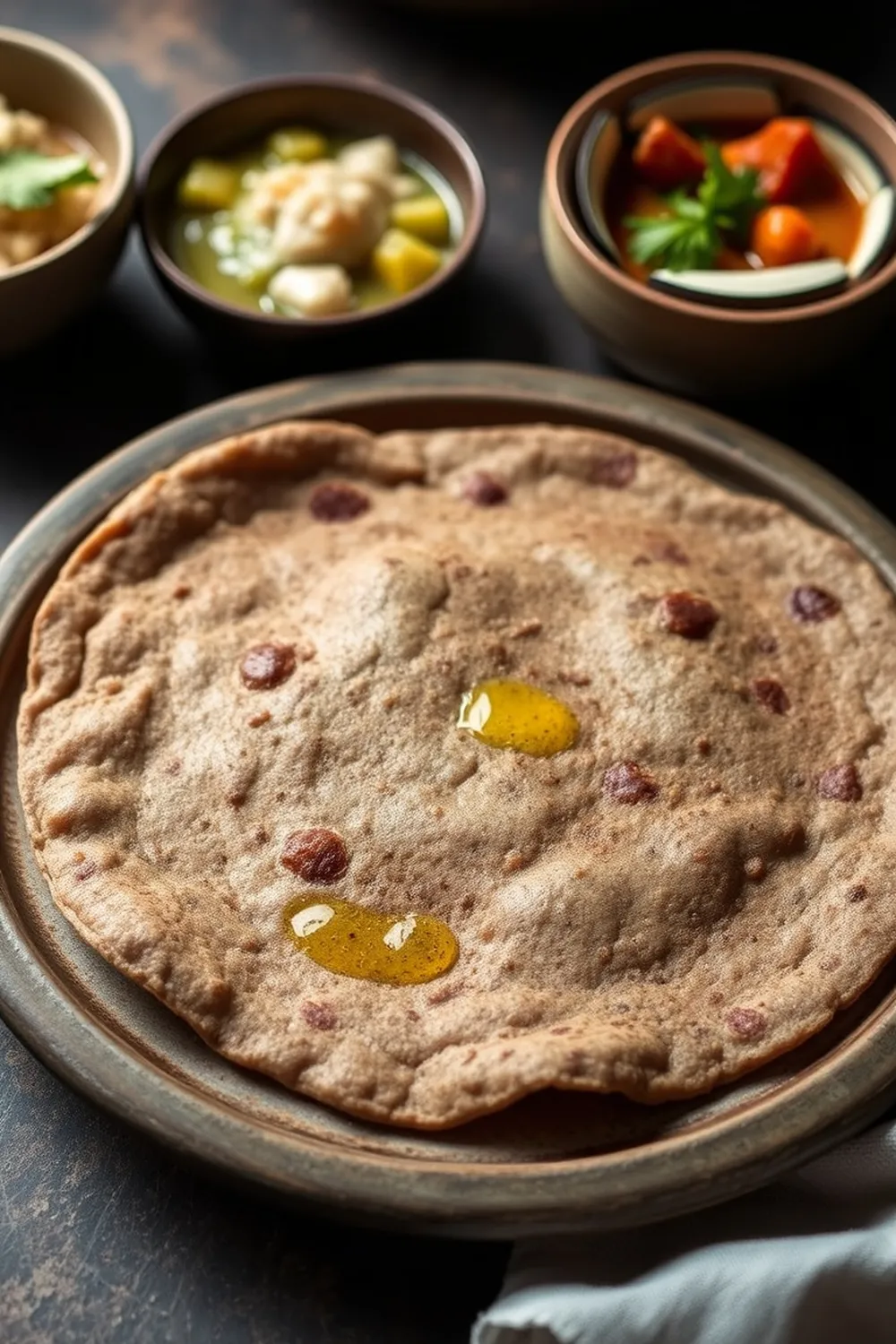
- Cook on a hot tawa for 30-40 seconds per side. Press gently with a spatula to ensure even cooking.
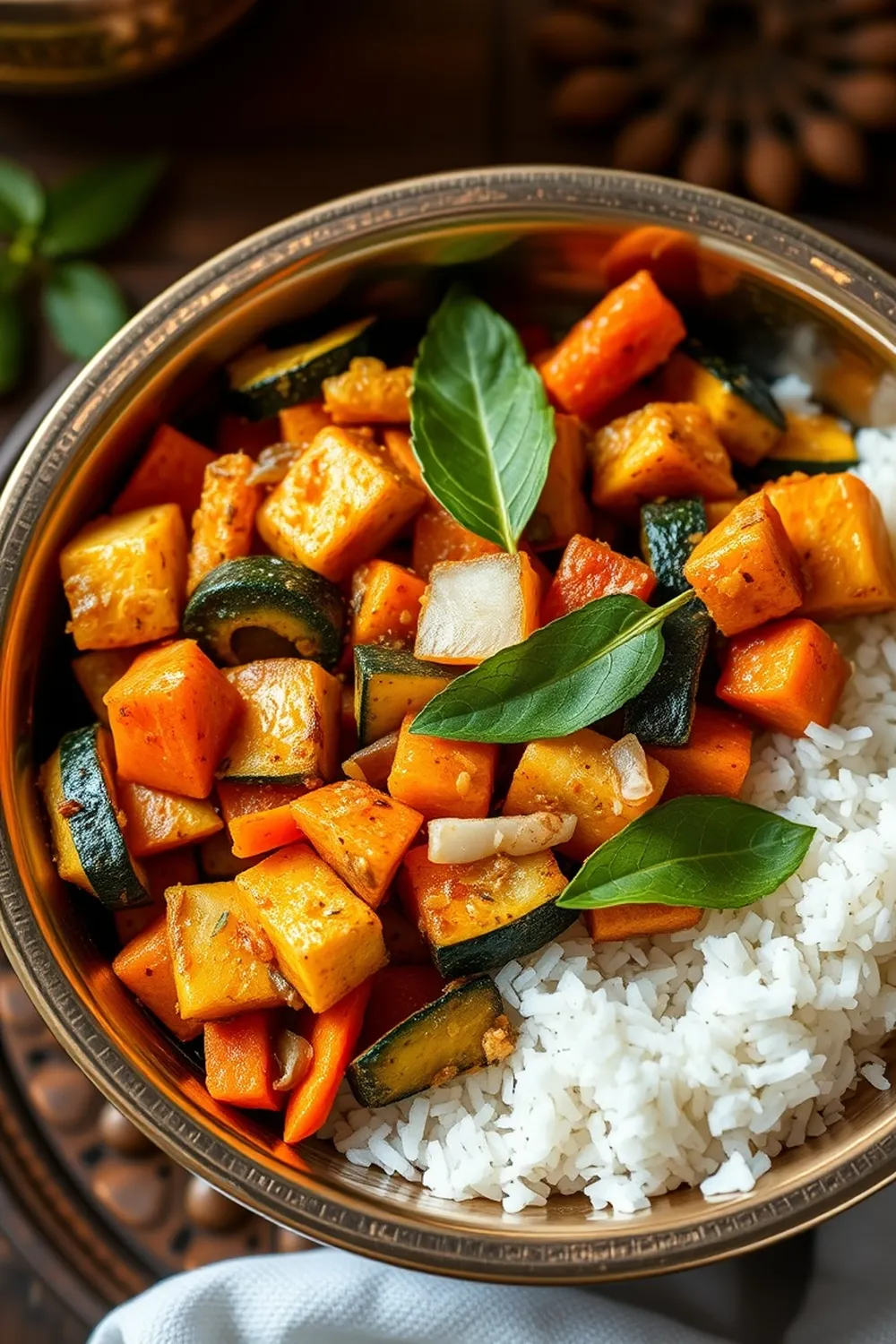
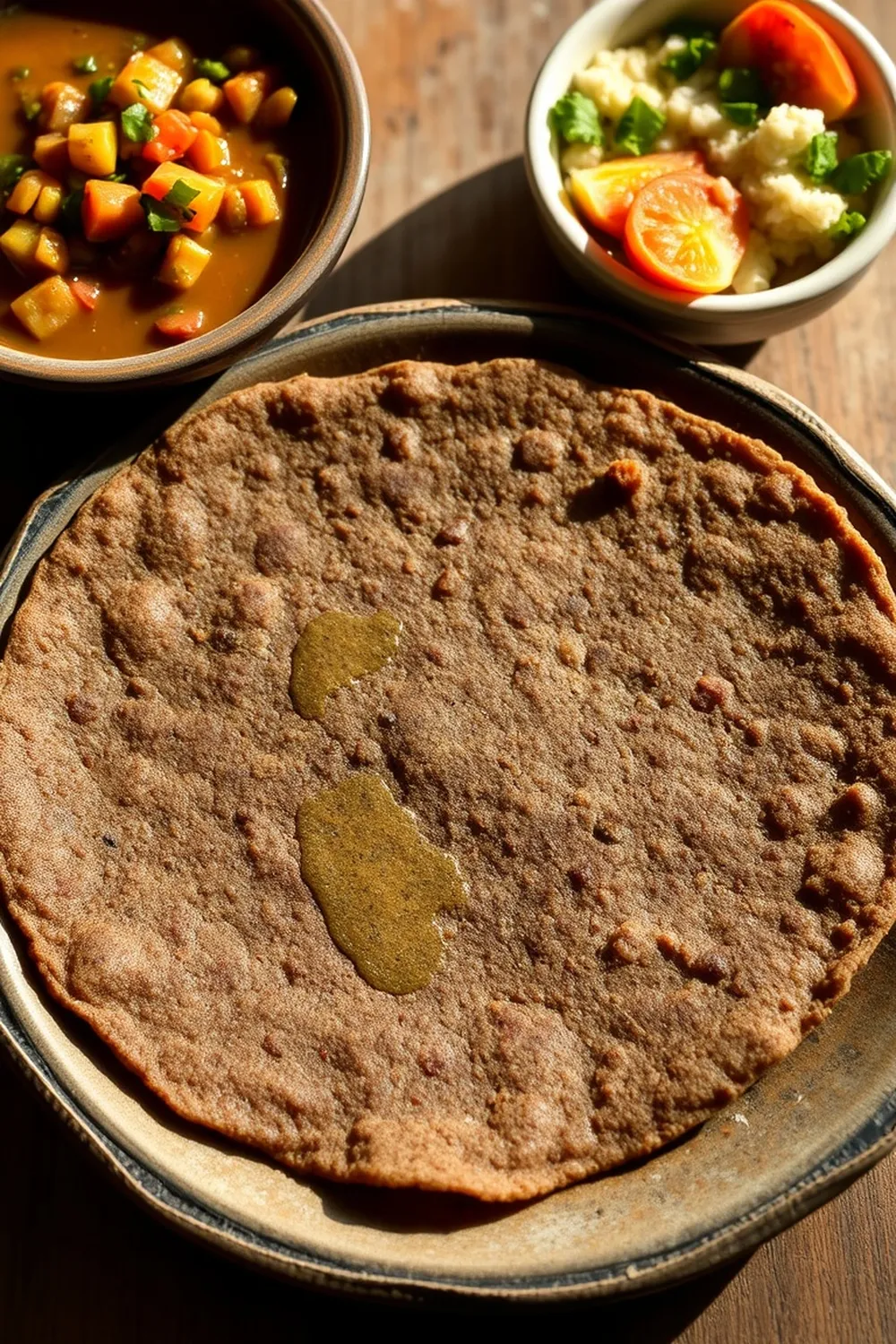
- Optional: Smear with ghee. Serve hot with side dishes like vegetable sagu or chutney.
- Calories:35 kcal25%
- Energy:146 kJ22%
- Protein:1 g28%
- Carbohydrates:7 mg40%
- Sugar:mg8%
- Salt:100 g25%
- Fat:0.5 g20%
Last Updated on 6 months ago by Neha Deshmukh
Ragi Chapati Recipe – Easy Finger Millet Flatbread For Healthy Eating
Hey everyone! I’m so excited to share this recipe for Ragi Chapati with you. Honestly, I rediscovered the goodness of ragi (finger millet) a few years ago, and it’s become a staple in our home. These chapatis are not only incredibly nutritious but surprisingly easy to make – and they taste delicious! Let’s get cooking, shall we?
Why You’ll Love This Recipe
These Ragi Chapatis are a fantastic way to add a healthy twist to your everyday meals. They’re packed with calcium, iron, and fiber, making them a superfood disguised as a simple flatbread. Plus, they’re naturally gluten-free, which is a win for many! You’ll love how easily they come together and how satisfying they are.
Ingredients
Here’s what you’ll need to make these amazing Ragi Chapatis:
- ?? cup Ragi flour (Finger millet flour) – about 120g
- ?? cup Water – about 180ml
- ?? teaspoon Salt – about 5g
- 1 teaspoon Oil – about 5ml
Ingredient Notes
Let’s talk ingredients for a sec! Getting the right ones makes all the difference.
Ragi Flour (Finger Millet Flour) – Health Benefits & Selection
Ragi is a nutritional powerhouse! It’s excellent for bone health, helps regulate blood sugar, and aids digestion. When buying ragi flour, look for a finely milled variety for the best texture. You can find it at most Indian grocery stores or online.
Oil – Choosing the Right Oil for Ragi Chapati
Any neutral-flavored oil works well here – sunflower, canola, or even a light olive oil. I personally prefer using sunflower oil for its mild taste. A little goes a long way, so don’t overdo it!
Regional Variations in Ragi Chapati Preparation
Ragi chapati isn’t a one-size-fits-all recipe! In some parts of Karnataka, they add a pinch of cumin seeds to the dough for extra flavor. My friend’s grandmother in Maharashtra always adds a spoonful of yogurt to make them extra soft. Feel free to experiment and find what you like best!
Step-By-Step Instructions
Alright, let’s get down to making these chapatis!
- First, boil the water with salt and oil in a saucepan. Once boiling, slowly add the ragi flour to the boiling water, stirring constantly with a wooden spoon or spatula. This is key to prevent lumps!
- Keep stirring on low heat until the mixture starts to come together and forms a dough. It will look a bit sticky at first, but don’t worry.
- Cover the dough and let it cool down slightly – enough to handle it comfortably. Once cooled, knead the dough for a few minutes until it becomes smooth and pliable.
- Now, divide the dough into 8 equal balls. Dust a clean surface with dry ragi flour.
- Roll each ball into a thin chapati, using the ragi flour to prevent sticking. Don’t worry if they aren’t perfectly round – rustic is beautiful!
- Heat a flat griddle or tawa over medium-high heat. Place the chapati on the hot tawa and cook for about 30-40 seconds per side.
- Press gently with a spatula to ensure even cooking. You’ll know it’s ready to flip when you see small bubbles forming.
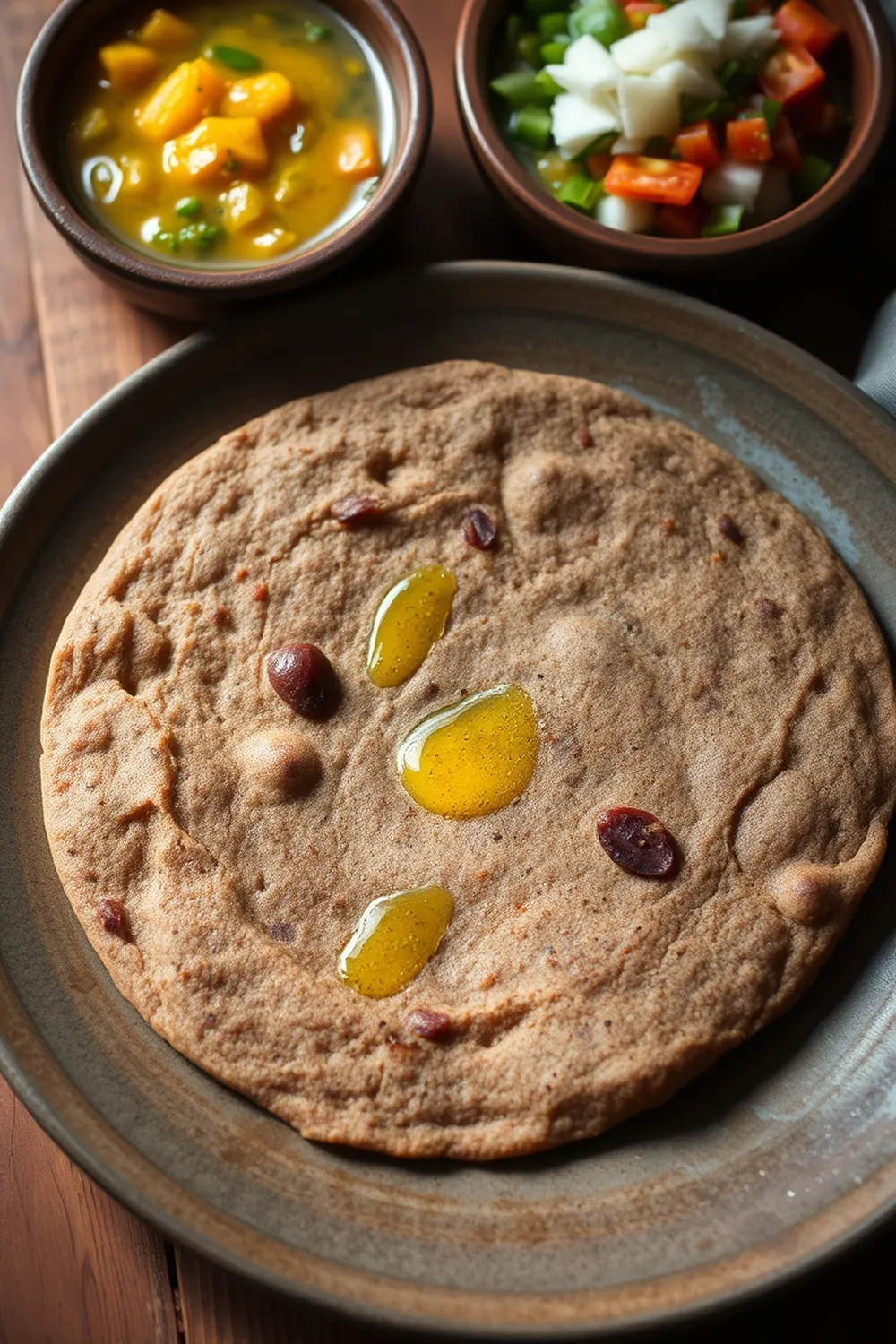
- Optional: Smear a tiny bit of ghee on both sides for extra flavor and softness. Serve hot with your favorite side dishes!
Expert Tips
Here are a few things I’ve learned along the way to help you nail this recipe:
Achieving Soft & Fluffy Ragi Chapatis
The key to soft chapatis is kneading the dough well and not overcooking them. A little ghee also helps!
Troubleshooting Sticky Dough
If your dough is too sticky, add a little more ragi flour, one tablespoon at a time, until it reaches the right consistency.
Tips for Rolling Thin Chapatis
Practice makes perfect! If you’re struggling to roll them thin, start with a small portion of dough and gradually increase the size as you get more comfortable.
Variations
Let’s get creative!
Vegan Ragi Chapati
Simply skip the ghee at the end. They’re delicious without it too!
Gluten-Free Ragi Chapati
This recipe is naturally gluten-free as long as you use pure ragi flour. Double-check the packaging to ensure it hasn’t been processed in a facility that also handles wheat.
Spice Level Adjustment – Adding Chili Flakes
For a little kick, add a pinch of chili flakes to the dough. My husband loves this!
Festival Adaptations – Incorporating Ragi Chapati into a Traditional Thali
During festivals, I love serving Ragi Chapati as part of a traditional thali with a variety of curries and side dishes. It adds a healthy and unique element to the meal.
Serving Suggestions
Ragi Chapatis are incredibly versatile. They pair beautifully with:
- Vegetable Sagu (a South Indian stew)
- Chutneys (coconut, tomato, or mint)
- Dal (lentil soup)
- Any of your favorite Indian curries!
Storage Instructions
Leftover Ragi Chapatis can be stored in an airtight container at room temperature for up to 2 days. Reheat them on a tawa or in a microwave before serving.
FAQs
Got questions? I’ve got answers!
What are the health benefits of Ragi flour?
Ragi flour is incredibly nutritious! It’s a great source of calcium, iron, fiber, and antioxidants. It’s also known to help regulate blood sugar levels and improve digestion.
Can I use a different flour if I don’t have Ragi flour?
While you can experiment with other flours, the taste and texture will be different. Jowar (sorghum) flour is the closest substitute, but you might need to adjust the water quantity.
How can I prevent Ragi chapati from cracking while rolling?
Make sure the dough is well-kneaded and not too dry. Also, use enough dry ragi flour to prevent sticking.
What is the best way to store leftover Ragi chapati?
Store them in an airtight container at room temperature. Reheat on a tawa or in the microwave.
Can I make Ragi chapati ahead of time?
Yes, you can! You can make the dough ahead of time and store it in the refrigerator for up to 24 hours. Just bring it to room temperature before rolling.

Neha Deshmukh
Neha holds a B.A. in History with a focus on Indian and world history, including ancient, medieval, and modern periods. At RecipesOfIndia.org — the world’s largest database of Indian recipes — she combines her love for food and history by exploring how India’s past has shaped its culinary traditions.