- Wash and cube the eggplants, soaking them in water to prevent browning.
- Heat oil in a kadai or wok over medium heat.
- Add mustard seeds and let them splutter.
- Add kalonji, saunf (fennel seeds), cumin seeds, and fenugreek seeds. Sauté until golden (10-15 seconds).
- Stir in hing (asafoetida) and turmeric powder to bloom the spices.
- Add minced ginger, garlic, and green chilies. Sauté for 30 seconds.
- Mix in diced tomatoes with a pinch of salt. Cook covered until softened (5-7 minutes).
- Stir in chili powder for heat.
- Drain and add eggplant cubes. Mix well to coat with spices.
- Cover and cook on medium heat until tender (8-10 minutes), stirring occasionally.
- Avoid overcooking to maintain texture.
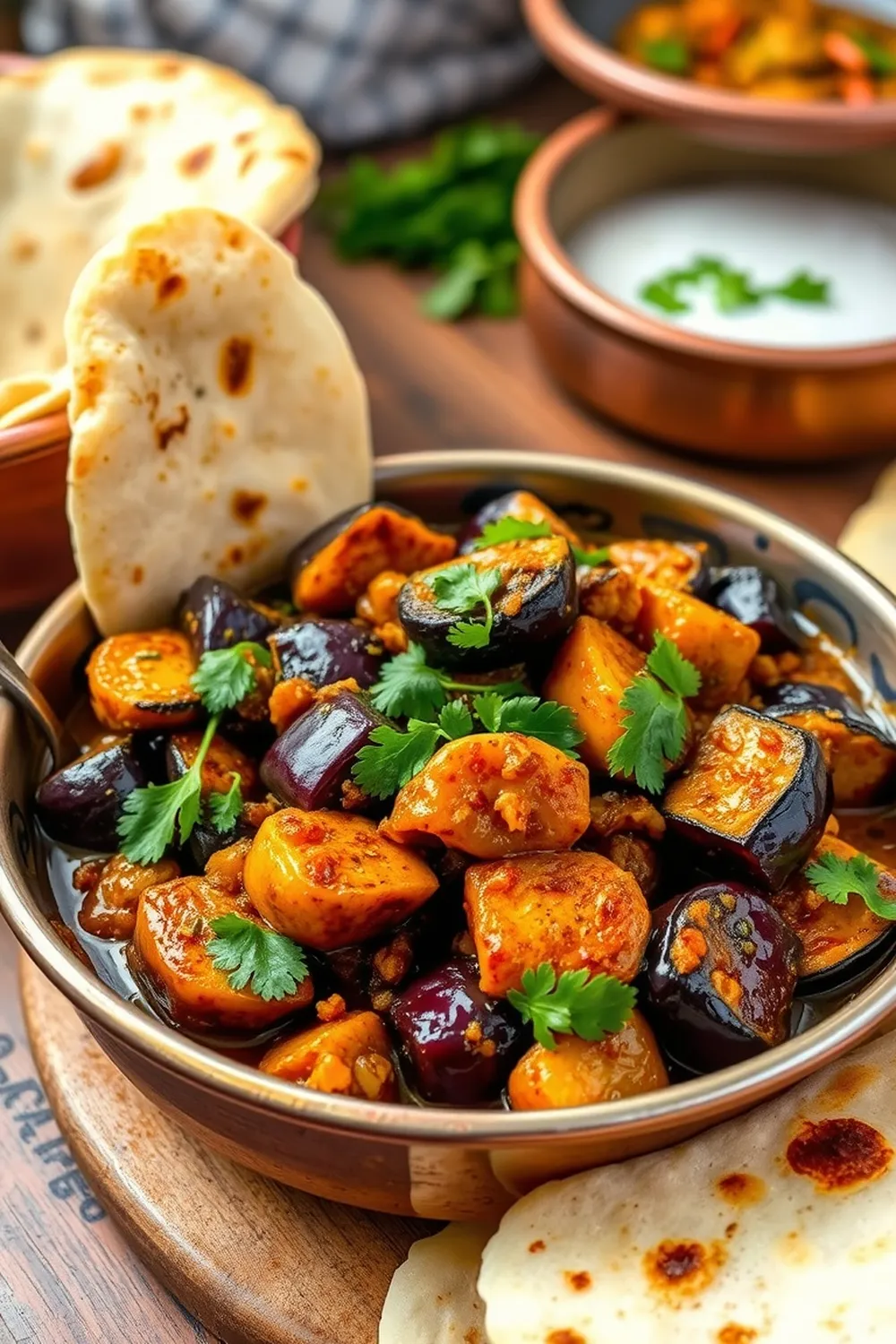
- Garnish with fresh cilantro.
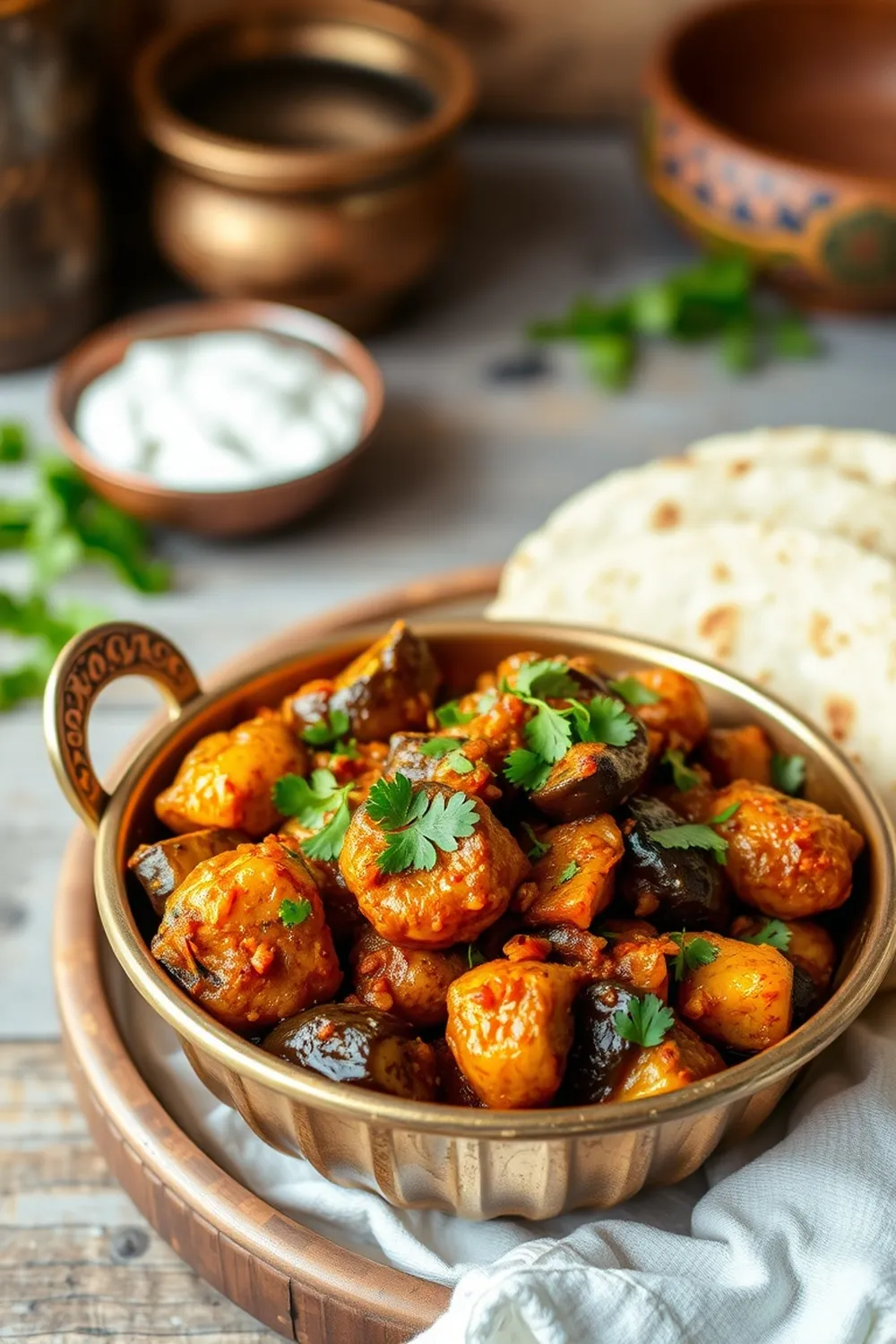
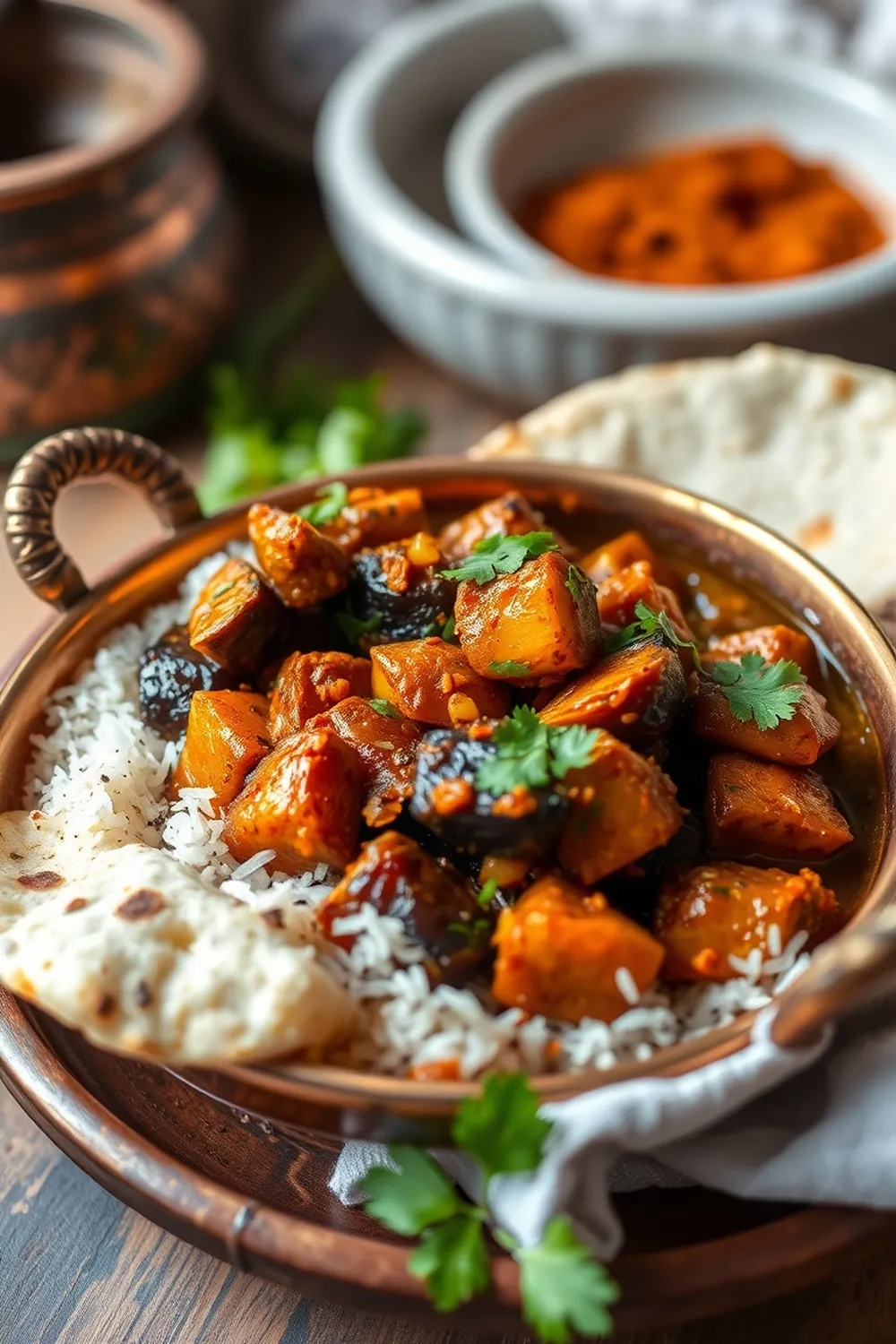
- Serve hot with roti or chapati.
- Calories:90 kcal25%
- Energy:376 kJ22%
- Protein:2 g28%
- Carbohydrates:11 mg40%
- Sugar:6 mg8%
- Salt:150 g25%
- Fat:5 g20%
Last Updated on 6 months ago by Neha Deshmukh
Authentic Baingan Recipe – Chinese Eggplant with Spiced Seeds
Hey everyone! Today, I’m sharing a recipe that’s been a family favorite for years – a wonderfully spiced Chinese eggplant dish, or Baingan as we call it. It’s a simple, comforting dish that’s bursting with flavour, and honestly, it’s one of those recipes that just gets better with every make. I first learned this from my dadi (grandmother), and it’s a taste of home I love to recreate.
Why You’ll Love This Recipe
This Baingan recipe is more than just a vegetable dish; it’s an experience. The tender eggplant soaks up all the beautiful spices, creating a flavour explosion in every bite. It’s relatively quick to make, perfect for a weeknight meal, and it pairs beautifully with roti, chapati, or even rice. Plus, the aroma while it’s cooking? Absolutely divine!
Ingredients
Here’s what you’ll need to make this delicious Baingan:
- 4 long Chinese Eggplant (about 500g)
- 2 Tbsp Oil (I prefer mustard oil for an authentic flavour, but any cooking oil works)
- 0.5 tsp Kalonji (Onion Seeds)
- 1 tsp Saunf (Fennel Seeds)
- 0.5 tsp Jeera (Cumin Seeds)
- 0.5 tsp Rai (Mustard Seeds)
- 0.125 tsp Methi (Fenugreek Seeds)
- 0.25 tsp Hing (Asafoetida)
- 0.5 tsp Haldi (Turmeric Powder)
- 1 Tbsp Ginger, minced
- 1 Tbsp Garlic, minced
- 3 medium Tomatoes, diced
- Salt to taste
- 0.5 tsp Chili Powder (adjust to your spice preference)
- Green Chilies to taste (optional)
- Cilantro, for garnish
Ingredient Notes
Let’s talk about a few key ingredients to make sure you get the best results:
- Chinese Eggplant: This variety is perfect because of its delicate skin and spongy texture. It absorbs flavours beautifully and doesn’t get overly bitter. Look for firm, smooth eggplants.
- Kalonji (Onion Seeds): These little black seeds add a lovely, slightly pungent flavour. Don’t skip them!
- Saunf (Fennel Seeds): Fennel seeds bring a subtle sweetness and anise-like aroma. They really elevate the flavour profile.
- Hing (Asafoetida): This one’s a bit funky, but trust me! Hing adds a savoury depth that’s essential in Indian cooking. It also aids digestion. You can find it at most Indian grocery stores, or online. A little goes a long way!
- Regional Variations: Spice levels vary hugely across India. My family likes a good kick, but feel free to adjust the chili powder and green chilies to your liking.
Step-By-Step Instructions
Alright, let’s get cooking!
- First, wash and cube the eggplants. Place them in a bowl of water while you prep the other ingredients – this prevents them from browning.
- Heat the oil in a kadai or wok over medium heat.
- Add the mustard seeds and let them splutter – you’ll know they’re ready when they start to pop!
- Now, add the kalonji, saunf, cumin seeds, and fenugreek seeds. Sauté for about 10-15 seconds, until they become fragrant and golden.
- Stir in the hing and turmeric powder. Cook for another 30 seconds to bloom the spices – this releases their flavour.
- Add the minced ginger, garlic, and green chilies (if using). Sauté for about 30 seconds, until fragrant.
- Mix in the diced tomatoes with a pinch of salt. Cover and cook until the tomatoes soften, about 5-7 minutes.
- Stir in the chili powder for that lovely heat.
- Drain the eggplant cubes and add them to the kadai. Mix well to coat them with the spice mixture.
- Cover and cook on medium heat until the eggplant is tender, about 8-10 minutes. Stir occasionally to prevent sticking.
- Be careful not to overcook the eggplant, or it will become mushy. You want it to be soft but still hold its shape.
- Garnish with fresh cilantro.
Expert Tips
- Don’t overcrowd the pan: Cook the eggplant in batches if necessary, to ensure even cooking.
- Salt is your friend: Adding a pinch of salt to the tomatoes helps them break down faster.
- Taste as you go: Adjust the spices to your liking.
Variations
- Vegan Adaptation: This recipe is naturally vegan!
- Spice Level Adjustments: For a milder flavour, reduce or omit the chili powder and green chilies. For extra heat, add a pinch of cayenne pepper.
- Festival Adaptations: This Baingan is a popular side dish during Janmashtami and Navratri festivals.
- Oil Choices: While mustard oil gives the most authentic flavour, you can use vegetable oil, sunflower oil, or even coconut oil.
Serving Suggestions
Serve this Baingan hot, straight from the kadai! It’s absolutely delicious with:
- Roti or Chapati (Indian flatbreads)
- Steamed Rice
- A side of yogurt (raita) to cool things down
Storage Instructions
Leftovers can be stored in an airtight container in the refrigerator for up to 3 days. Reheat gently on the stovetop or in the microwave.
FAQs
- What type of eggplant works best for this recipe? Chinese eggplant is ideal, but you can also use Indian eggplant (brinjal) – just be aware it might have more seeds and a slightly bitter taste.
- Can I make this recipe ahead of time? You can prep the ingredients (chop the vegetables, measure the spices) ahead of time, but it’s best to cook the Baingan just before serving.
- How do I prevent the eggplant from becoming mushy? Don’t overcook it! Keep a close eye on it and stir occasionally. Soaking it in water also helps.
- What is Hing and where can I find it? Hing is asafoetida, a resin with a pungent smell. You can find it at Indian grocery stores or online.
- Can I use a different cooking vessel instead of a kadai? Yes, a wok or a deep frying pan will work just fine.
- Is this dish naturally gluten-free? Yes, this recipe is naturally gluten-free!
Enjoy this flavourful Baingan recipe! I hope it brings a little bit of Indian sunshine to your kitchen. Let me know how it turns out in the comments below!

Neha Deshmukh
Neha holds a B.A. in History with a focus on Indian and world history, including ancient, medieval, and modern periods. At RecipesOfIndia.org — the world’s largest database of Indian recipes — she combines her love for food and history by exploring how India’s past has shaped its culinary traditions.