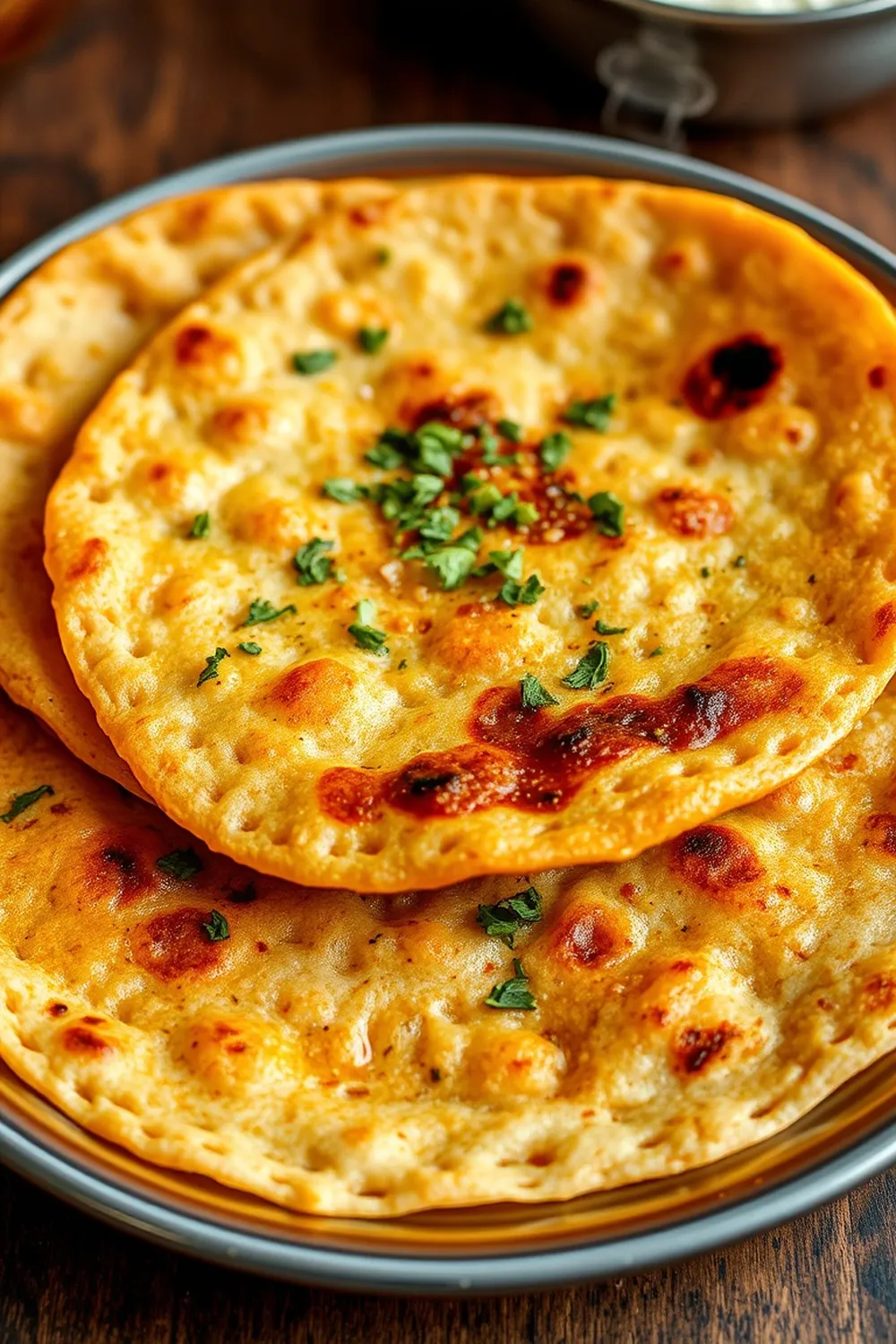
- In a bowl, combine wheat flour, chili powder, turmeric powder, yogurt (curd), garam masala, kasoori methi, chat masala, cumin seeds, sugar, and salt. Gradually add water and knead to form a soft dough. Mix in oil and knead for 5-7 minutes. Rest the dough for at least 30 minutes.
- Divide the dough into lemon-sized balls. Flatten each ball, dust lightly with flour, and roll into thin circles (approximately 6-8 inches in diameter).
- Heat a flat griddle or pan over medium-high heat. Cook each chapati, applying oil or ghee, until golden brown spots appear on both sides. Press gently with a clean cloth while cooking for a softer texture.
- Calories:101 kcal25%
- Energy:422 kJ22%
- Protein:3 g28%
- Carbohydrates:19 mg40%
- Sugar:0.4 mg8%
- Salt:492 g25%
- Fat:2 g20%
Last Updated on 6 months ago by Neha Deshmukh
Authentic Chapati Recipe – Wheat Flour, Kasoori Methi & Spices
Introduction
There’s just something about a warm, soft chapati, isn’t there? It’s the taste of home, of comfort, and honestly, of a thousand family meals. I remember learning to make these with my nani (grandmother) – her hands moving so quickly, the chapatis practically flying onto the hot tawa (pan)! This recipe is my attempt to share that same warmth and flavour with you. It’s a classic, but with a little extra love from a few special spices.
Why You’ll Love This Recipe
This isn’t just any chapati recipe. We’re taking the traditional and giving it a little boost with kasoori methi and chat masala. These additions add a wonderful aroma and a subtle tang that elevates the simple chapati to something truly special. Plus, it’s surprisingly easy to make, even if you’ve never rolled a chapati before!
Ingredients
Here’s what you’ll need to create these delicious chapatis:
- 2 cups wheat flour (approx. 250g)
- 1 teaspoon chili powder (approx. 5g)
- A small pinch of turmeric powder (approx. 1/4 tsp)
- 2 tablespoons curd (approx. 30ml)
- ½ teaspoon garam masala powder (approx. 2.5g)
- 1 teaspoon kasoori methi (dried fenugreek leaves) (approx. 5g)
- ½ teaspoon chat masala powder (approx. 2.5g)
- ½ teaspoon cumin seeds (approx. 2.5g)
- A tiny pinch of sugar
- Salt to taste
- As required water (approx. ¾ – 1 cup)
- 2 teaspoons oil or ghee (approx. 10ml)
Ingredient Notes
Let’s talk ingredients – a few little tips from my kitchen to yours!
Wheat Flour: Choosing the Right Type
- Atta is best: Look for chakki atta – this is whole wheat flour milled in a stone grinder. It gives the best texture and flavour.
- Whole wheat vs. all-purpose: Don’t substitute all-purpose flour! It won’t give you the same authentic chapati texture.
- Freshness matters: Older flour can sometimes result in harder chapatis.
Spices: The Role of Chili Powder, Turmeric, and Garam Masala
- Chili powder: Adjust the amount to your spice preference. Kashmiri chili powder gives a lovely colour with mild heat.
- Turmeric: Just a pinch adds a beautiful golden hue and subtle earthy flavour.
- Garam masala: This warm spice blend is essential for that classic Indian flavour.
Kasoori Methi: A Unique Flavor Profile
- Don’t skip it! Kasoori methi adds a distinct, slightly bitter, and wonderfully aromatic flavour. Rub it between your palms before adding to release its fragrance.
- Where to find it: You can find it at most Indian grocery stores.
Chat Masala: Adding Tang and Complexity
- A little goes a long way: Chat masala adds a lovely tangy kick.
- Homemade option: If you’re feeling ambitious, you can make your own chat masala!
Oil or Ghee: Regional Preferences & Flavor Impact
- Ghee for richness: Ghee (clarified butter) gives a richer, more authentic flavour. It’s traditional, and honestly, my nani always used ghee!
- Oil for a lighter option: Oil works perfectly well too, especially if you prefer a lighter chapati. Any neutral oil like sunflower or vegetable oil will do.
Step-By-Step Instructions
Alright, let’s get cooking!
- Make the dough: In a bowl, combine the wheat flour, chili powder, turmeric powder, curd, garam masala powder, kasoori methi, chat masala powder, cumin seeds, sugar, and salt.
- Add water gradually: Slowly add water, a little at a time, mixing with your hands until a dough forms.
- Knead, knead, knead: Add the oil or ghee and knead the dough for about 5 minutes until it’s smooth and elastic. This is a good arm workout, I promise!
- Rest the dough: Cover the dough with a damp cloth and let it rest for at least 30 minutes. This allows the gluten to relax, making the chapatis softer.
- Divide and roll: Divide the dough into lemon-sized balls. Flatten each ball, dust with flour, and roll it out into a thin circle (about 6-7 inches in diameter). Don’t worry if they aren’t perfect circles – mine never are!
- Cook the chapatis: Heat a pan (preferably a tawa) over medium-high heat. Cook each chapati with a little oil or ghee until golden spots start to appear on both sides. Flip and cook the other side.
- Puff it up! Once both sides are cooked, you can either press gently around the edges with a clean cloth to encourage puffing, or briefly hold the chapati directly over a medium flame (be careful!).
Expert Tips
- Achieving the Perfect Dough Consistency: The dough should be soft and pliable, but not sticky. If it’s too sticky, add a little more flour. If it’s too dry, add a little more water.
- Rolling Technique for Thin Chapatis: Practice makes perfect! Start from the center and roll outwards, rotating the chapati as you go.
- Cooking Chapatis to Golden Perfection: Don’t overcrowd the pan. Cook one chapati at a time for the best results.
Variations
- Vegan Chapati: Simply substitute the curd with plant-based yogurt or a tablespoon of lemon juice.
- Gluten-Free Chapati (Using Alternative Flours): You can experiment with gluten-free flours like sorghum flour or millet flour, but the texture will be different. A blend often works best.
- Spice Level Adjustment: Reduce or omit the chili powder for a milder flavour.
- Festival Adaptations: During festivals like Holi or Diwali, I sometimes add a pinch of saffron to the dough for a beautiful colour and aroma.
Serving Suggestions
Chapatis are incredibly versatile! They’re perfect with:
- Dal (lentil soup)
- Vegetable curries
- Paneer dishes
- Yogurt
- Pickles
Storage Instructions
- Leftover chapatis: Store leftover chapatis in an airtight container at room temperature for up to 2 days.
- Reheating: Reheat them on a tawa or in a microwave with a damp cloth over them to keep them soft.
FAQs
What type of wheat flour is best for making chapati?
Chakki atta (stone-ground whole wheat flour) is the best! It gives the most authentic flavour and texture.
Can I make the dough ahead of time? If so, how should I store it?
Yes! You can make the dough a few hours ahead of time. Store it in an airtight container in the refrigerator. Bring it back to room temperature before rolling.
What can I do if my chapatis are too hard?
Make sure you’ve kneaded the dough well and allowed it to rest. Also, don’t overcook them!
Can I use oil instead of ghee? What’s the difference in taste?
Yes, you can! Ghee gives a richer, more traditional flavour, while oil is a lighter option.
How do I get the chapatis to puff up?
Ensure your tawa is hot enough. You can also gently press around the edges of the chapati with a clean cloth while it’s cooking, or briefly hold it over a medium flame.


Neha Deshmukh
Neha holds a B.A. in History with a focus on Indian and world history, including ancient, medieval, and modern periods. At RecipesOfIndia.org — the world’s largest database of Indian recipes — she combines her love for food and history by exploring how India’s past has shaped its culinary traditions.