- Wash sorghum thoroughly under running water 2-3 times. Soak in ample water for 8-10 hours (if using rice, soak it with the sorghum).
- Soak urad dal and fenugreek seeds separately in water for at least 4 hours.
- Drain urad dal and fenugreek seeds and grind into a fine paste using up to 1/2 cup water. Set aside.
- Drain sorghum and blend with shallots, red chilies, cumin, salt, and curry leaves using 1-1.5 cups water until a coarse, semolina-like texture is achieved.
- Combine the sorghum mixture with the urad dal paste and mix thoroughly.
- Cover and ferment the batter for 8-24 hours in a warm place until bubbly. Avoid stirring after fermentation begins.
- Heat a paniyaram pan and add 1/2 tsp oil per mold on a low flame.
- Gently ladle batter into the molds, avoiding disturbing any air bubbles.
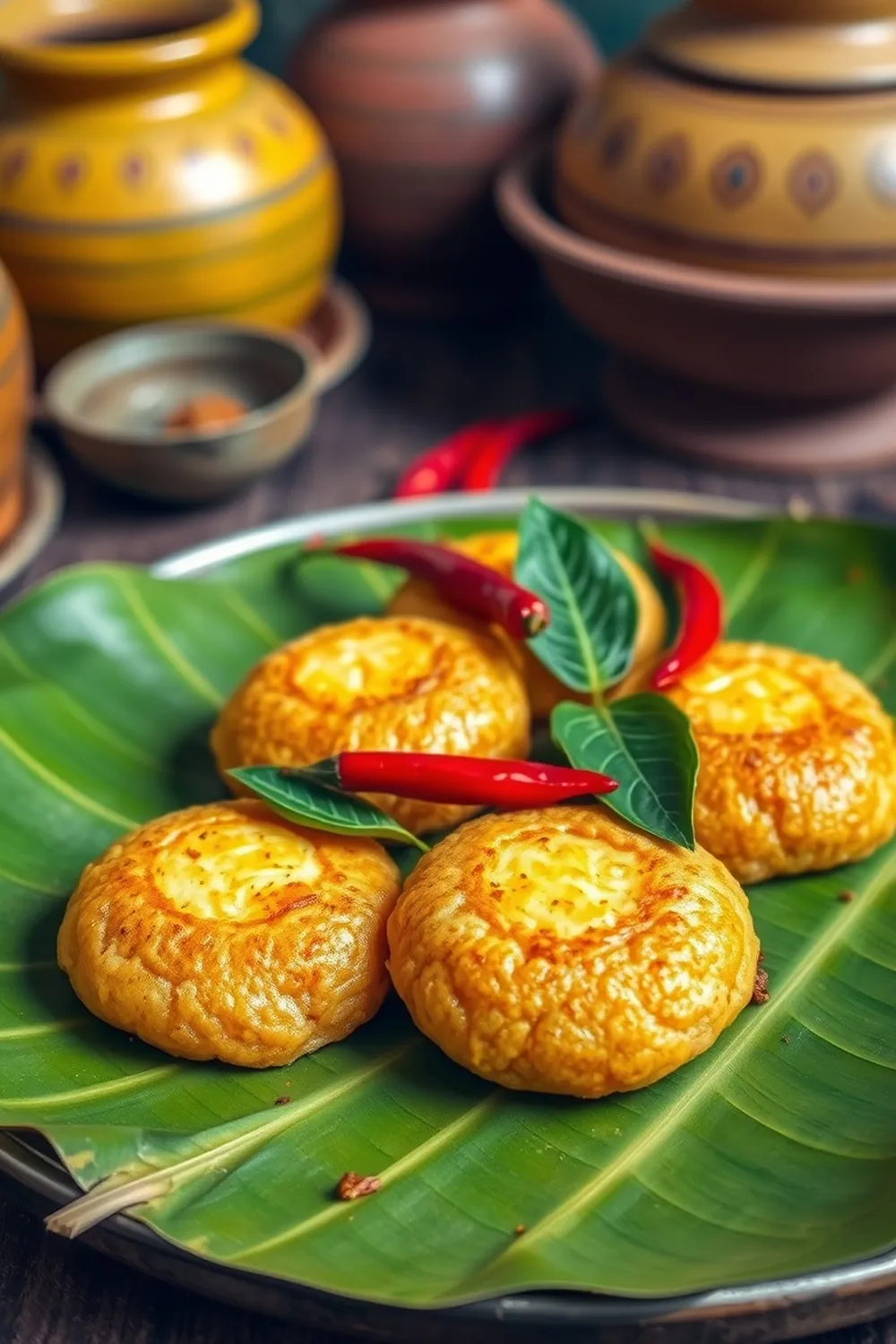
- Cook for 1-2 minutes per side, until golden brown and crispy.
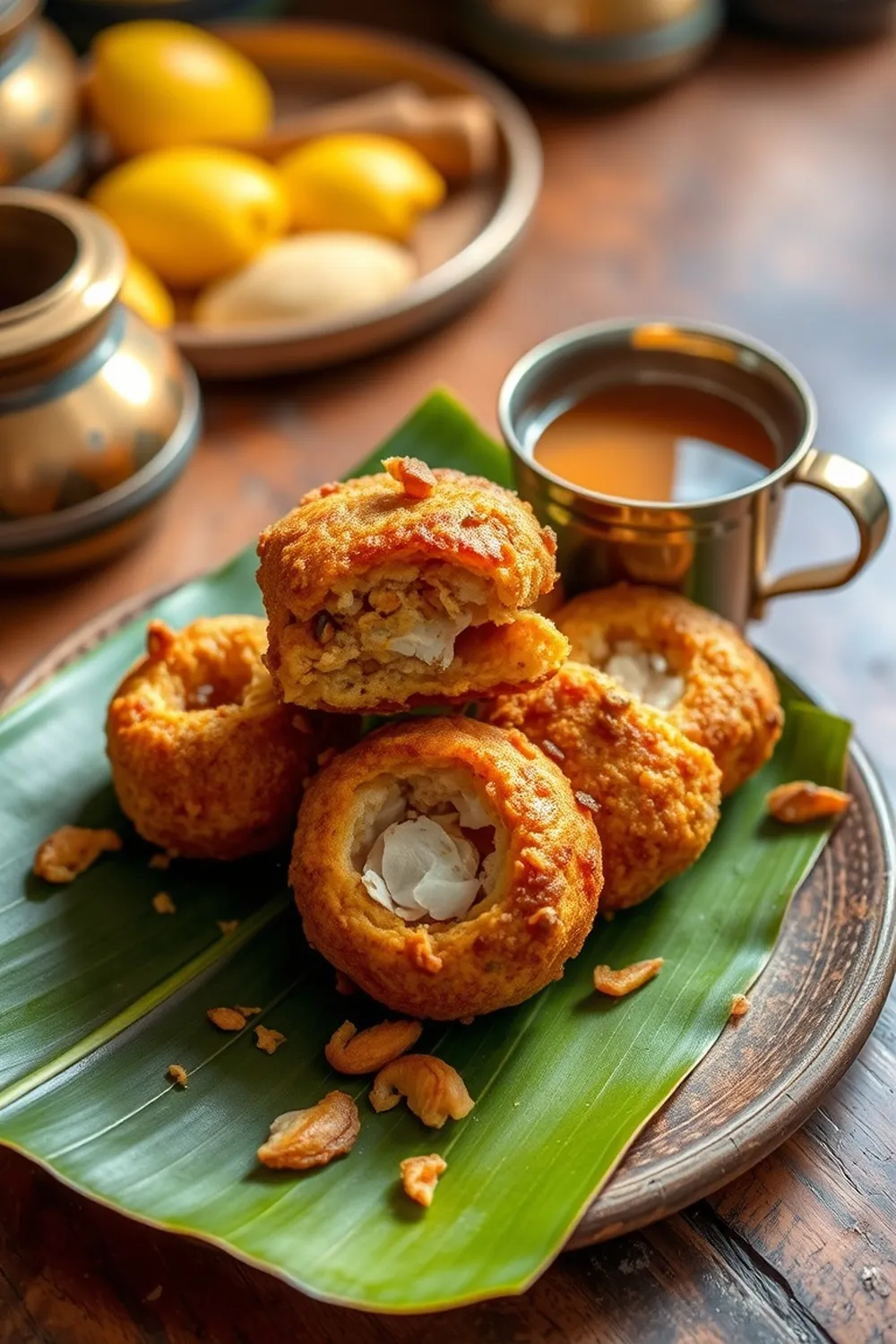
- Serve hot with coconut chutney or sambar.
- Calories:180 kcal25%
- Energy:753 kJ22%
- Protein:5 g28%
- Carbohydrates:35 mg40%
- Sugar:2 mg8%
- Salt:300 g25%
- Fat:3 g20%
Last Updated on 6 months ago by Neha Deshmukh
Authentic Cholam Paniyaram Recipe – Sorghum & Urad Dal Bites
Introduction
Oh, Paniyaram! These little bites of goodness are a huge favourite in our house. I remember the first time I tried making them – it felt a little daunting, honestly! But the incredible flavour and satisfying crunch were so worth it. This Cholam Paniyaram recipe, using sorghum (cholam), is a slightly healthier and wonderfully flavourful twist on the classic. It’s a perfect snack or light meal, and I’m so excited to share it with you.
Why You’ll Love This Recipe
This isn’t just another snack recipe. It’s a little piece of South Indian culinary tradition. Cholam Paniyaram is packed with flavour, naturally gluten-free, and offers a lovely textural contrast – crispy on the outside, soft on the inside. Plus, sorghum is a nutritional powerhouse! It’s a great way to add a different grain to your diet.
Ingredients
Here’s what you’ll need to make these delightful bites:
- 1 Cup Cholam / Sorghum
- 1 Cup Idli Rice (optional)
- 0.5 Cup Whole Urad Dal
- 0.25 teaspoon Fenugreek Seeds
- 10 Shallots / Small Onions
- 3 Dry Red Chillies
- 1 teaspoon Salt
- 1 teaspoon Cumin Seeds
- 1 sprig Curry Leaves
Ingredient Notes
Let’s talk ingredients – a few little tips from my kitchen to yours!
Cholam / Sorghum: Nutritional Benefits & Regional Variations
Cholam, or sorghum, is a fantastic grain. It’s rich in fibre, antioxidants, and is naturally gluten-free. You can usually find it at Indian grocery stores or online. Different regions in India use different varieties of sorghum, so the colour might vary slightly.
Idli Rice: Optional Addition for Texture
The idli rice isn’t essential, but it adds a lovely softness to the paniyaram. If you want a slightly more rustic texture, feel free to skip it!
Urad Dal: The Fermentation Powerhouse
Urad dal (black gram) is key for that perfect fermentation. Make sure it’s good quality for the best results.
Fenugreek Seeds: Flavor & Fermentation Aid
Don’t skip the fenugreek seeds! They add a subtle bitterness that balances the flavours and also help with the fermentation process.
Shallots/Small Onions: Aromatic Base
Shallots give a lovely mild onion flavour. If you can’t find them, you can use a small red onion, finely chopped.
Dry Red Chillies: Spice Level & Regional Preferences
I use Byadagi chillies for colour and mild heat, but you can adjust the type and quantity to your spice preference.
Curry Leaves: Freshness & Aroma
Fresh curry leaves are a must! They add such a beautiful aroma and flavour.
Step-By-Step Instructions
Alright, let’s get cooking!
- First, give the sorghum a good wash under running water 2-3 times. Then, soak it in plenty of water for 8-10 hours. If you’re using idli rice, soak that along with the sorghum.
- In separate bowls, soak the urad dal and fenugreek seeds in water. This is important for softening them up for grinding.
- Drain the urad dal and fenugreek seeds. Grind them into a really fine, smooth paste using up to ½ cup of water. Set this aside – this is your urad dal batter.
- Drain the sorghum and blend it with the shallots, red chillies, cumin seeds, salt, and curry leaves. Use about 1-1.5 cups of water and blend until you get a coarse, semolina-like texture. Don’t over-blend!
- Now, combine the sorghum mixture and the urad dal paste. Mix everything together really well.
- Cover the batter and let it ferment in a warm place for 8-24 hours. You’ll know it’s ready when it’s bubbly and has increased in volume. Don’t stir it after it starts fermenting!
- Heat your paniyaram pan over low heat. Add about ½ teaspoon of oil to each mold.
- Gently ladle the batter into the molds, filling them about ¾ full. Try not to disturb the air bubbles – they help create that lovely crispy texture.
-
Cook for about 1 minute per side, until golden brown and crispy. Flip carefully!
-
Serve hot with your favourite chutney or sambar. Coconut chutney is a classic pairing!
Expert Tips
- Fermentation is Key: The fermentation time will vary depending on the weather. In warmer climates, it will be faster.
- Batter Consistency: The batter should be thick enough to hold its shape in the molds, but not too thick that it’s difficult to ladle.
- Paniyaram Pan Heat: Keep the heat on low to medium-low. If it’s too hot, the paniyaram will burn on the outside before cooking through.
Variations
- Sweet Paniyaram: My aunt makes a delicious sweet version by adding jaggery and cardamom to the batter.
- Vegetable Paniyaram: Add finely chopped onions, carrots, and peas to the batter for a veggie boost. My friend loves adding spinach!
- Spicy Paniyaram: Increase the number of red chillies or add a pinch of chilli powder for extra heat.
Vegan Adaptation
This recipe is naturally vegan! No changes needed.
Gluten-Free Confirmation
Yes! This recipe is naturally gluten-free, as long as you ensure your sorghum and urad dal are certified gluten-free.
Spice Level Adjustment
Easily adjustable! Reduce or increase the number of red chillies to suit your taste. You can also remove the seeds from the chillies for less heat.
Festival Adaptations (e.g., Ganesh Chaturthi)
Paniyaram is often made during festivals like Ganesh Chaturthi as an offering. You can shape them into small rounds to symbolise prosperity.
Serving Suggestions
Serve hot with:
- Coconut Chutney
- Sambar
- Tomato Chutney
- A dollop of yogurt
Storage Instructions
Leftover paniyaram can be stored in an airtight container in the refrigerator for up to 2 days. Reheat in a pan or oven to restore crispness.
FAQs
What is Cholam and where can I find it?
Cholam is sorghum, a gluten-free grain popular in South India. You can find it at Indian grocery stores or online retailers.
Can I use a different type of lentil instead of Urad Dal?
While urad dal is traditional, you could try moong dal (yellow split lentils) in a pinch, but the texture and flavour will be different.
How do I know when the batter is perfectly fermented?
The batter will be bubbly, increase in volume, and have a slightly sour aroma.
What if I don’t have a Paniyaram pan? Can I use something else?
You can use a mini muffin tin, but the shape will be different. You might also need to adjust the cooking time.
How can I adjust the consistency of the batter if it’s too thick or too thin?
If it’s too thick, add a little water. If it’s too thin, add a tablespoon of sorghum flour.


Neha Deshmukh
Neha holds a B.A. in History with a focus on Indian and world history, including ancient, medieval, and modern periods. At RecipesOfIndia.org — the world’s largest database of Indian recipes — she combines her love for food and history by exploring how India’s past has shaped its culinary traditions.