- Soak urad dal for 4-6 hours. Drain water completely and grind to a fluffy batter with minimal water.
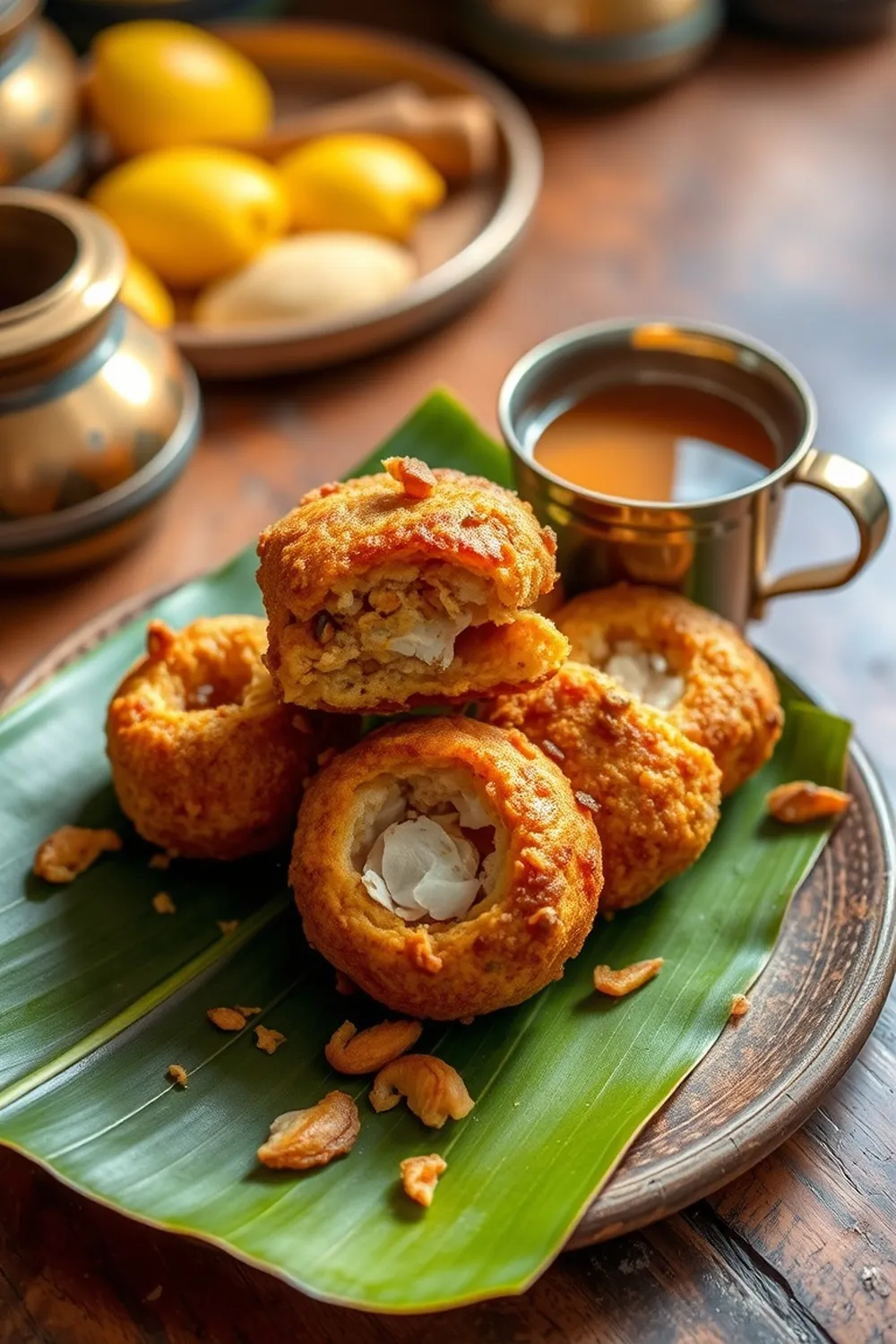
- Shape vadas by forming batter balls on a greased surface (e.g., plastic sheet or parchment paper), creating a hole in the center before frying in hot oil until golden brown and crisp.
- Grind coconut, green chilies, and ginger into a smooth paste. Whisk curd with salt and mix in the paste.
- Temper mustard seeds, cumin seeds, curry leaves, and hing in oil. Add the tempering to the curd mixture.
- Soak fried vadas briefly in warm water to soften, then arrange them on a serving plate.
- Pour curd mixture over the vadas. Garnish with grated carrot, boondi, and coriander leaves. Serve chilled.
- Calories:209 kcal25%
- Energy:874 kJ22%
- Protein:10 g28%
- Carbohydrates:25 mg40%
- Sugar:5 mg8%
- Salt:300 g25%
- Fat:7 g20%
Last Updated on 5 months ago by Neha Deshmukh
Authentic Dahi Vada Recipe – Urad Dal & Coconut Delight
Hey everyone! Today, I’m sharing a recipe that’s close to my heart – Dahi Vada. It’s a classic Indian snack, perfect for a hot afternoon or a festive gathering. I remember the first time I tried making these… it was a bit of a learning curve, but so worth it! The combination of fluffy vadas, creamy yogurt, and that delightful tempering is just chef’s kiss. Let’s get started, shall we?
Why You’ll Love This Recipe
This Dahi Vada recipe isn’t just about following steps; it’s about experiencing a burst of flavors and textures. It’s a delightful balance of sweet, savory, and tangy. Plus, it’s surprisingly satisfying to make from scratch! It’s a guaranteed crowd-pleaser, and honestly, it’s a little bit of sunshine on a plate.
Ingredients
Here’s what you’ll need to create this magic:
- ½ cup Urad Dal (split black lentils)
- 2 cups Thick Curd / Yogurt
- 2 tablespoon Coconut (fresh or dried)
- 1 Green Chili
- ¼ inch Ginger
- 2 tablespoon Carrot (grated, for garnish)
- 4 tablespoon Kara Boondi (for garnish)
- 1 tablespoon Coriander Leaves (chopped, for garnish)
Ingredient Notes
Let’s talk ingredients! A few little tips can make all the difference.
Urad Dal: Choosing the Right Type & Soaking
Using good quality urad dal is key. Make sure it’s fresh! I prefer the whole, split urad dal (urad dal chilka) for a slightly rustic texture, but regular urad dal works beautifully too. Soaking is crucial – it softens the lentils, making them easier to grind into a fluffy batter. Aim for 1-2 hours, but don’t exceed that, or it can get too sticky.
Curd/Yogurt: Achieving the Perfect Consistency
Thick curd is non-negotiable here! You want a yogurt that’s creamy and holds its shape. If your yogurt is a little too runny, you can strain it through a muslin cloth for a couple of hours to thicken it up. About 400-500g of thick yogurt should do the trick.
Coconut: Fresh vs. Dried – What to Use
Fresh coconut definitely adds a lovely aroma and flavor, but dried coconut works perfectly well in a pinch. If using dried coconut, soak it in a little warm water for about 10-15 minutes to soften it before grinding.
Green Chili: Adjusting the Spice Level
I like a little kick, so I usually use one green chili. But feel free to adjust this based on your spice preference! You can remove the seeds for a milder flavor.
Kara Boondi: Regional Variations & Substitutions
Kara boondi adds a lovely crunch and a hint of spice. It’s readily available in Indian grocery stores. If you can’t find it, you can substitute it with boondi (plain fried chickpea flour balls) and a pinch of chili powder.
Step-By-Step Instructions
Alright, let’s get cooking!
- Soak the Urad Dal: Start by soaking the urad dal in enough water for 1-2 hours.
- Grind the Batter: Drain the water completely and grind the dal into a smooth, fluffy batter. Use minimal water – you want a thick consistency. It should take about 5-7 minutes.
- Prepare the Coconut-Ginger Paste: While the dal is soaking, grind the coconut, green chili, and ginger into a semi-fine paste.
- Whisk the Curd Mixture: In a bowl, whisk the curd with a pinch of salt. Mix in the coconut-ginger paste.
- Temper the Spices: Heat a little oil in a small pan. Add mustard seeds and let them splutter. Then, add cumin seeds, curry leaves, and a pinch of hing (asafoetida). Pour this tempering over the curd mixture.
- Fry the Vadas: Heat oil in a deep frying pan. Wet your hands and take a small portion of the batter. Shape it into a ball and gently create a hole in the center with your thumb. Carefully drop it into the hot oil and fry until golden brown.
- Soften the Vadas: Immediately after frying, soak the vadas briefly in hot water for about 2-3 minutes. This softens them up and makes them absorb the curd better.
- Assemble & Garnish: Arrange the softened vadas on a plate. Pour the curd mixture generously over them. Garnish with grated carrot, kara boondi, and chopped coriander leaves.
- Chill & Serve: Pop it in the fridge for about 15-20 minutes to chill before serving.
Expert Tips
A few little secrets to make your Dahi Vadas perfect!
Achieving Fluffy Vadas
The key to fluffy vadas is the batter consistency and not overmixing. Don’t add too much water when grinding the dal. And gently drop the vadas into the oil – don’t just plop them in!
Perfecting the Curd Mixture
The curd mixture should be smooth and creamy. Whisk it well to avoid any lumps. The tempering adds a wonderful aroma, so don’t skip that step!
The Importance of Tempering
Tempering (tadka) is what elevates the flavor profile. The spices release their aromas when heated in oil, creating a fragrant and delicious base for the curd mixture.
Soaking Time for Soft Vadas
Don’t skip the soaking step! It’s what makes the vadas soft and allows them to soak up all that lovely curd. But don’t soak them for too long, or they’ll become mushy.
Variations
Want to switch things up? Here are a few ideas:
Vegan Dahi Vada
Use plant-based yogurt (soy, coconut, or almond) instead of dairy curd. It works surprisingly well!
Gluten-Free Adaptation
This recipe is naturally gluten-free, as long as your kara boondi is also gluten-free. Always check the label!
Spice Level Adjustment (Mild to Spicy)
Adjust the amount of green chili to your liking. You can also add a pinch of red chili powder for extra heat.
Festival Adaptations (Janmashtami, Diwali)
During Janmashtami, Dahi Vada is often offered to Lord Krishna. For Diwali, you can add a sprinkle of chopped nuts for extra richness. My grandmother always added a tiny bit of black salt for a unique flavor during Diwali!
Serving Suggestions
Dahi Vada is best served chilled. It’s a perfect snack on its own, or you can serve it as part of a larger Indian meal. A side of sweet chutney complements it beautifully.
Storage Instructions
Dahi Vada is best enjoyed fresh. However, you can store the vadas and curd mixture separately in the refrigerator for up to 2 days. Assemble just before serving to prevent the vadas from getting soggy.
FAQs
Let’s answer some common questions!
What is the best way to get the vadas to stay light and fluffy?
Don’t overmix the batter, use minimal water when grinding, and fry at the right temperature. Soaking in hot water also helps!
Can I make the vada batter ahead of time?
You can, but it’s best to use it immediately. If you do make it ahead, store it in the refrigerator and whisk it well before frying.
What can I substitute for kara boondi?
Plain boondi with a pinch of chili powder, or even crushed papdi (Indian crackers) can work as a substitute.
How do I adjust the sweetness in the curd mixture?
Add a teaspoon of sugar or a drizzle of honey to the curd mixture. Taste and adjust as needed.
Is it necessary to soak the vadas in hot water, and for how long?
Yes, it’s important! It softens the vadas and helps them absorb the curd. Soak for 2-3 minutes.
Enjoy making this delicious Dahi Vada! I hope it brings a little bit of Indian sunshine to your kitchen. Let me know how it turns out in the comments below!


Neha Deshmukh
Neha holds a B.A. in History with a focus on Indian and world history, including ancient, medieval, and modern periods. At RecipesOfIndia.org — the world’s largest database of Indian recipes — she combines her love for food and history by exploring how India’s past has shaped its culinary traditions.