- Wash and soak rice, urad dal, toor dal, chana dal, and fenugreek seeds for at least 4-6 hours, or overnight. Drain completely.
- Add soaked and drained ingredients to a blender with tomatoes, coconut, ginger, green chilies, red chilies, cumin seeds, curry leaves, asafoetida, salt, and enough water to form a smooth batter. Grind to a smooth batter.
- Adjust batter consistency with water if needed. Use immediately or refrigerate for up to 1 day (batter may ferment slightly).
- Heat a dosa griddle or tawa on medium heat. Pour a ladleful of batter onto the hot griddle and spread into a thin circle using the back of the ladle.
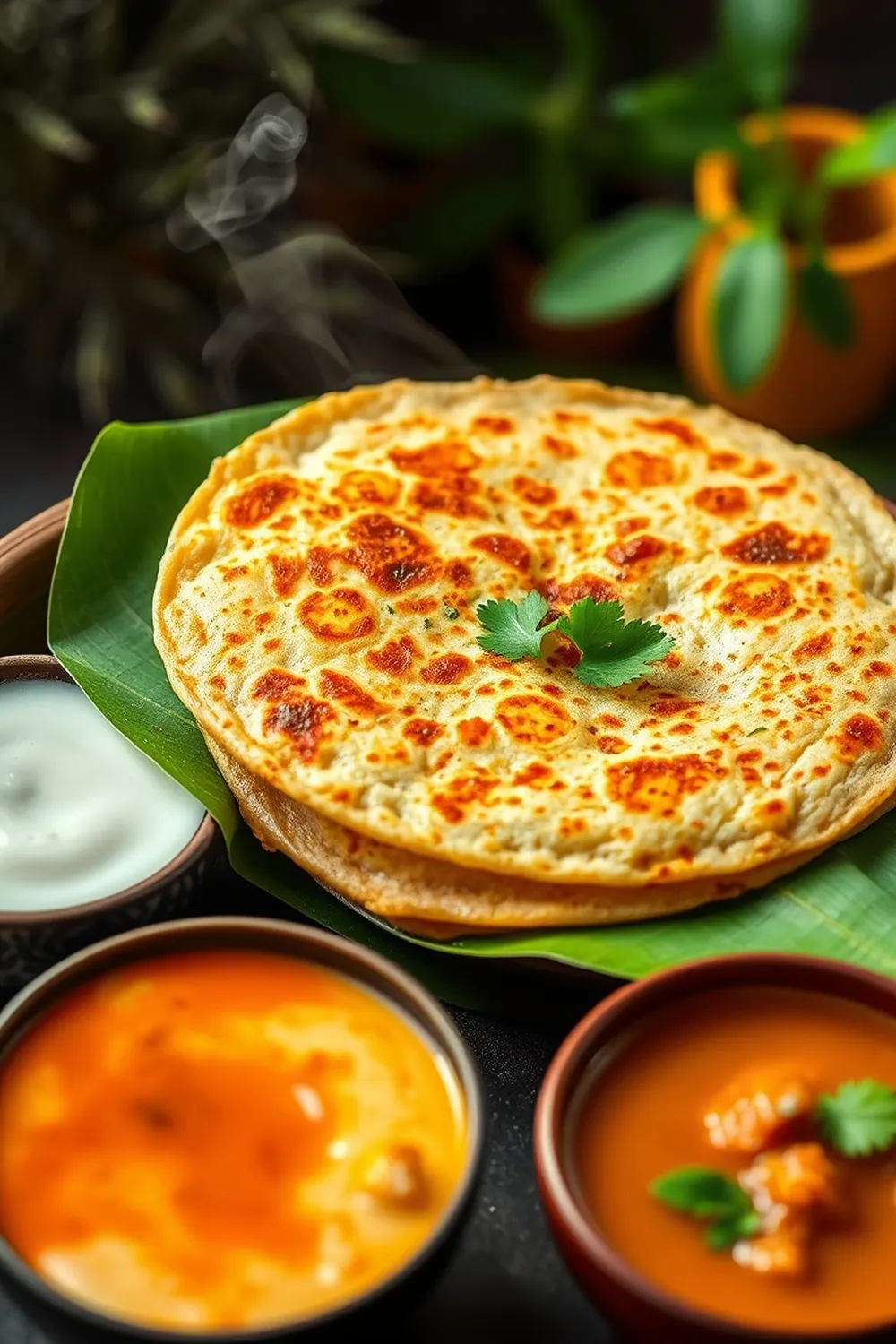
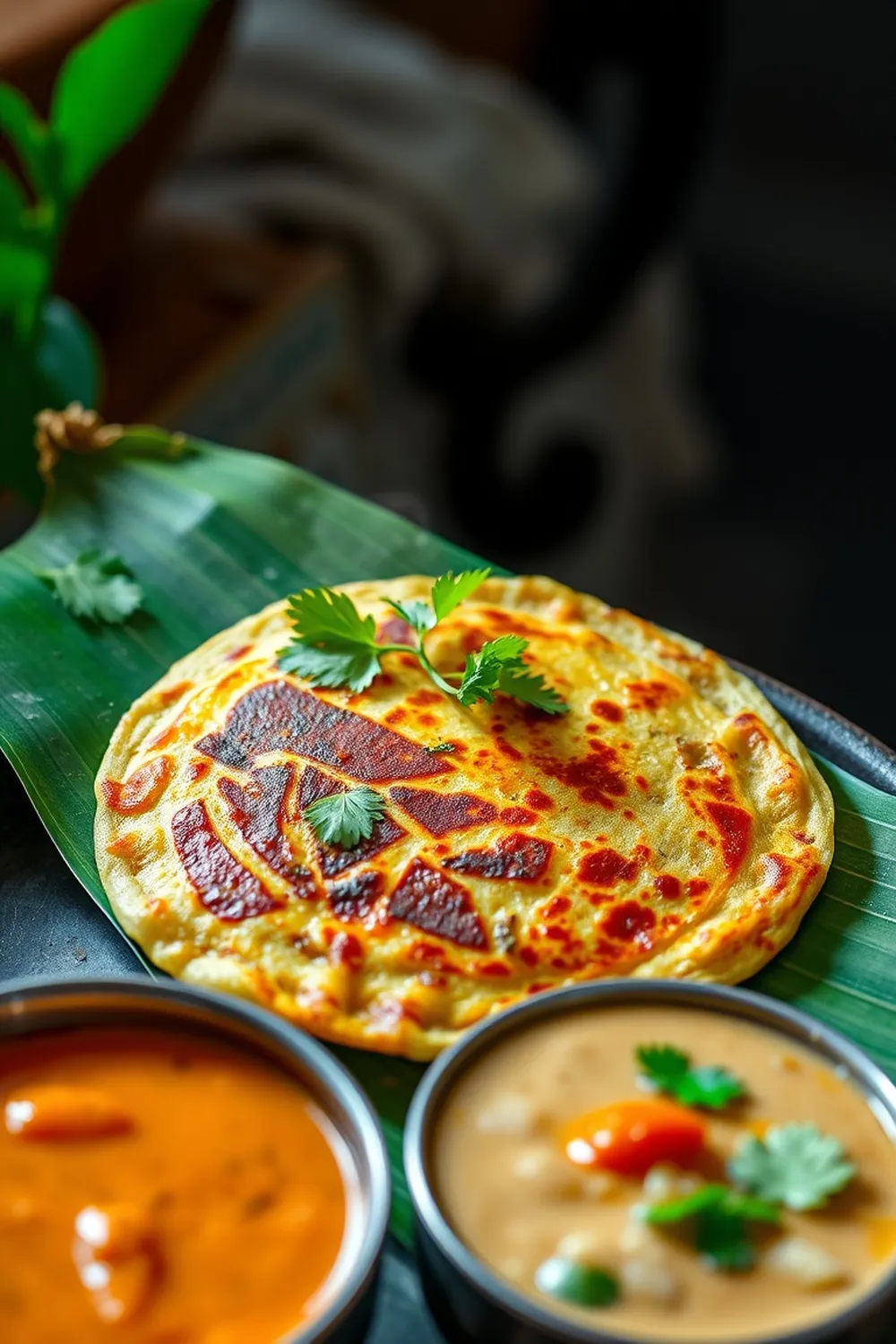
- Drizzle oil around the edges of the dosa. Cook until golden brown and crispy, flip, and cook the other side for a few seconds. Serve hot with coconut chutney and sambar.
- Calories:220 kcal25%
- Energy:920 kJ22%
- Protein:6 g28%
- Carbohydrates:30 mg40%
- Sugar:4 mg8%
- Salt:450 g25%
- Fat:8 g20%
Last Updated on 6 months ago by Neha Deshmukh
Authentic Dosa Recipe – South Indian Rice & Dal Pancake
Introduction
Oh, dosa! Just the word conjures up memories of bustling South Indian kitchens and the satisfying crunch of a perfectly crisp pancake. This isn’t just a recipe; it’s a little piece of my childhood. I remember my amma (mom) making these every Sunday, the aroma filling the entire house. It’s a bit of a process, yes, but trust me – the reward is so worth it. This authentic dosa recipe will guide you through making these delicious rice and dal pancakes, just like they make back home.
Why You’ll Love This Recipe
This dosa recipe isn’t just about a tasty breakfast (or dinner!). It’s about experiencing a cornerstone of South Indian cuisine. It’s wonderfully versatile – you can adjust the spice level to your liking, and it’s naturally gluten-free! Plus, making your own dosa batter is surprisingly satisfying. You’ll feel like a true chef! And honestly, nothing beats a homemade dosa with a side of coconut chutney.
Ingredients
Here’s what you’ll need to create these golden beauties:
- 1 cup idli rice
- ¼ cup white unpolished urad dal (black lentils)
- ¼ cup toor dal (split pigeon peas)
- ¼ cup chana dal (split chickpeas)
- ½ teaspoon fenugreek seeds
- 4 tomatoes
- ¼ cup fresh coconut, grated
- ¼ inch piece of ginger
- 2 green chillies
- 4 dried red chillies
- ¼ teaspoon cumin seeds
- 2 sprigs curry leaves
- ¼ teaspoon asafoetida (hing)
- 1 teaspoon salt
- 1 cup water (plus extra for soaking and grinding)
Ingredient Notes
Let’s talk ingredients! Getting these right makes all the difference.
- Idli Rice: This is key! You need idli rice for that perfect texture. It’s different from regular rice. If you can’t find it, short-grain rice is the next best option, but the texture won’t be quite the same.
- Urad Dal: I prefer using white, unpolished urad dal. It gives a lovely fluffy texture. You can find it at most Indian grocery stores.
- Coconut Freshness: Freshly grated coconut is always best. It adds a beautiful sweetness and aroma. Frozen coconut works in a pinch, but thaw it completely and squeeze out any excess water.
- Regional Chilli Variations: The number of red chillies you use depends on how spicy you like things! In my family, we use Byadagi chillies for colour and flavour, and a few Guntur chillies for heat. Feel free to experiment!
Step-By-Step Instructions
Alright, let’s get cooking!
- First, wash the idli rice, urad dal, toor dal, chana dal, and fenugreek seeds together really well. Then, soak them in plenty of water for at least 2 hours. This is crucial for softening them up for grinding.
- Drain the soaked ingredients completely. Seriously, drain them well!
- Now, add the drained ingredients to a blender. Add the tomatoes, coconut, ginger, green chillies, red chillies, cumin seeds, curry leaves, asafoetida, salt, and 1 cup of water.
- Grind everything into a very smooth batter. You might need to add a little more water if it’s too thick. The consistency should be like a thick pancake batter.
- Once blended, give the batter a good stir. If it’s still too thick, add a splash of water to adjust.
- Heat a dosa griddle (or a non-stick pan) on medium flame. Drizzle a little oil around the edges.
- Pour a ladleful of batter onto the hot griddle and quickly spread it into a thin circle. Don’t worry if it’s not perfect at first – practice makes perfect!
- Drizzle a little more oil around the edges. Cook until the dosa turns golden brown and crispy.
- Flip the dosa and cook the other side for a minute or so.
- Serve immediately while hot!
Expert Tips
- Fermentation is Key: Letting the batter ferment for 8-12 hours (or even overnight) is what gives dosas their light and airy texture. The warmer the climate, the faster it will ferment.
- Griddle Temperature: The griddle needs to be hot enough, but not too hot. Medium heat is usually best.
- Don’t Overcrowd: Don’t try to make too many dosas at once. It’s better to make them one at a time to ensure they cook evenly.
Variations
Want to switch things up? Here are a few ideas:
- Vegan Adaptation: This recipe is already naturally vegan! Just ensure your asafoetida doesn’t contain any wheat flour (some brands do).
- Gluten-Free Confirmation: Absolutely gluten-free! All the ingredients are naturally gluten-free.
- Spice Level Adjustment: Reduce or omit the red chillies for a milder dosa. My friend, Priya, makes hers with just green chillies for a subtle kick.
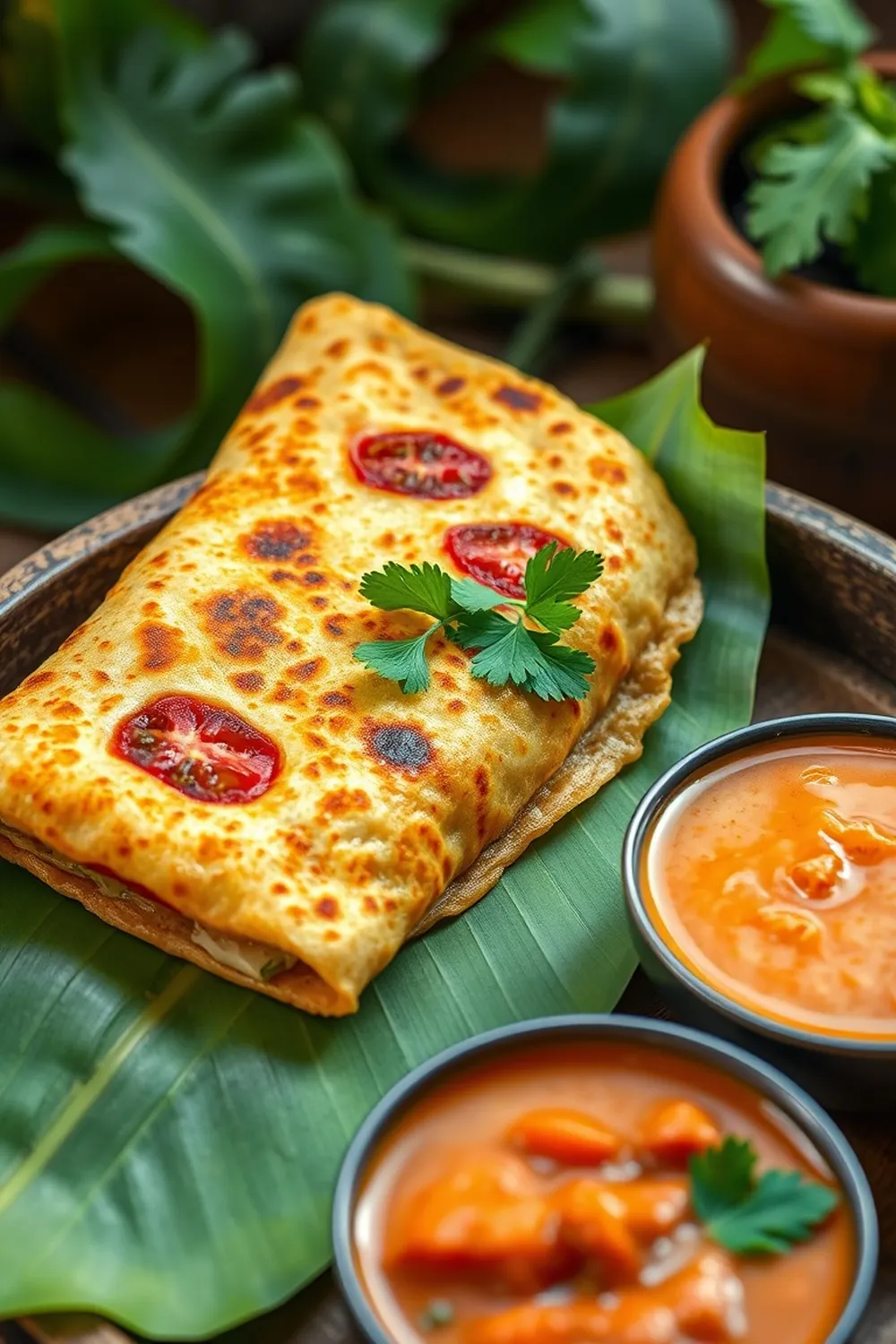
- Festival Adaptations: Dosas are a staple during Ganesh Chaturthi and South Indian New Year! You can make a special “Hejavarige Dosa” (a layered dosa) for these occasions.
Serving Suggestions
Dosas are best enjoyed hot, straight off the griddle! Here are some classic accompaniments:
- Coconut Chutney (a must-have!)
- Sambar (a lentil-based vegetable stew)
- Tomato Chutney
- Potato Masala (for a Masala Dosa)
Storage Instructions
You can store the dosa batter in the refrigerator for up to 1 day. It will continue to ferment, so it might become slightly more sour. If you’re not planning to use it right away, you can freeze it for up to a month. Thaw it completely before using.
FAQs
Let’s answer some common questions:
- What is the best rice to use for dosa? Idli rice is the best! It gives the dosa its light and fluffy texture.
- Can I make the batter in advance? Yes! In fact, it’s better to let the batter ferment for 8-12 hours.
- How long will it keep? The batter will keep in the refrigerator for up to 1 day, or in the freezer for up to a month.
- What is asafoetida (hing) and can I substitute it? Asafoetida is a pungent spice that adds a unique flavour. If you can’t find it, you can omit it, but it does add a lot to the flavour profile.
- Why is soaking the rice and lentils important? Soaking softens the grains, making them easier to grind into a smooth batter.
- What kind of oil is traditionally used for making dosa? Traditionally, groundnut oil (peanut oil) is used, but any neutral-flavoured oil like vegetable oil or sunflower oil will work.
Neha Deshmukh
Neha holds a B.A. in History with a focus on Indian and world history, including ancient, medieval, and modern periods. At RecipesOfIndia.org — the world’s largest database of Indian recipes — she combines her love for food and history by exploring how India’s past has shaped its culinary traditions.