- Combine gram flour (besan), carom seeds (ajwain), crushed black pepper, turmeric powder, asafoetida (hing), baking soda, and salt in a bowl.
- Gradually add water and knead into a stiff dough. Mix in oil until smooth and incorporated. Rest for 30 minutes.
- Divide the dough into small, equal-sized balls. Lightly grease a board and flatten each ball into elongated strips using gentle palm pressure.
- Heat oil in a kadai or deep frying pan. Fry the fafda strips on medium-low heat until golden brown and crisp. Drain on paper towels to remove excess oil.
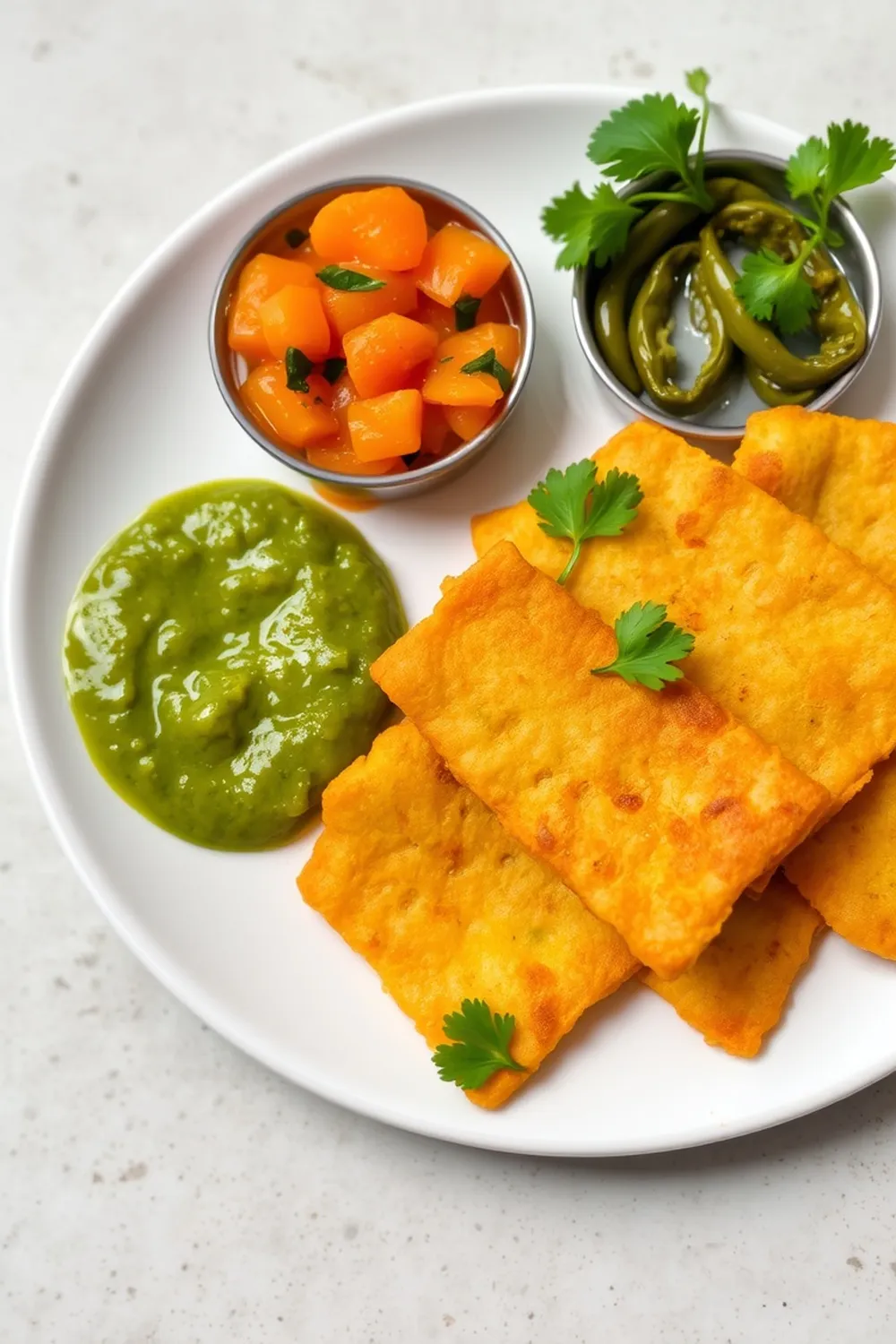
- Serve warm with papaya sambharo, besan chutney, or Gujarati kadhi.
- Calories:180 kcal25%
- Energy:753 kJ22%
- Protein:6 g28%
- Carbohydrates:20 mg40%
- Sugar:1 mg8%
- Salt:300 g25%
- Fat:8 g20%
Last Updated on 6 months ago by Neha Deshmukh
Authentic Fafda Recipe – Crispy Gujarati Snack with Ajwain & Pepper
Introduction
Oh, fafda! Just the name brings back so many memories of festive mornings in Gujarat. This crispy, slightly savory snack is the quintessential accompaniment to jalebi, and honestly, even without it, it’s just pure joy to munch on. I first made this recipe trying to recreate my dadi’s (grandmother’s) fafda, and while it took a few tries, I finally got it just right. I’m so excited to share this authentic fafda recipe with you – it’s easier than you think!
Why You’ll Love This Recipe
This fafda recipe isn’t just about a delicious snack; it’s about experiencing a little piece of Gujarati culture. It’s wonderfully crunchy, subtly spiced with ajwain and pepper, and incredibly satisfying. Plus, it’s a fantastic make-ahead treat for festivals or gatherings. You’ll love how simple the ingredients are, and the process, while needing a little attention, is totally achievable.
Ingredients
Here’s what you’ll need to make this crispy delight:
- 1 cup gram flour (besan) – about 180g
- ¼ teaspoon carom seeds (ajwain) – about 1g
- 10-12 crushed black peppercorns
- ¼ teaspoon turmeric powder – about 1g
- 1 pinch asafoetida (hing) – about 0.5g
- ⅛ teaspoon baking soda – about 0.5g
- ¾ teaspoon salt – about 4g
- 3-4 tablespoons water – about 45-60ml
- 2 tablespoons oil – about 30ml (for the dough) + more for frying
Ingredient Notes
Let’s talk ingredients – getting these right makes all the difference!
- Gram Flour (Besan) – Quality and Freshness: This is the star! Use a good quality, fresh besan. It should smell fragrant, not musty. Old besan can give a bitter taste.
- Carom Seeds (Ajwain) – Regional Variations & Benefits: Ajwain is essential for that signature fafda flavor and aids digestion. Some families like to lightly roast the ajwain before adding it to the dough for a more intense aroma.
- Asafoetida (Hing) – Types & Substitutions: Hing adds a lovely savory depth. You can find it in powdered or resin form. If using resin, bloom it in a little warm oil before adding it to the dough. If you absolutely can’t find hing, a tiny pinch of garlic powder can offer a similar (though not identical) flavor.
- Oil – Best Oils for Deep Frying & Flavor: For frying, use a neutral-flavored oil with a high smoke point, like groundnut oil, sunflower oil, or vegetable oil. I personally prefer groundnut oil for that authentic taste.
Step-By-Step Instructions
Alright, let’s get cooking!
- First, in a nice big bowl, combine the gram flour, carom seeds, crushed black pepper, turmeric powder, asafoetida, baking soda, and salt. Give it a good mix so everything is evenly distributed.
- Now, gradually add the water, a tablespoon at a time, and start kneading. You want a stiff dough – it shouldn’t be sticky at all.
- Once the dough comes together, add the 2 tablespoons of oil and knead again until it’s smooth and well incorporated. This takes a little elbow grease, but it’s worth it!
- Cover the dough and let it rest for at least 30 minutes. This allows the besan to hydrate and the flavors to meld.
- Time to shape! Lightly grease a board with oil. Divide the dough into small, equal-sized balls (about 1 inch in diameter). Flatten each ball into an elongated strip using the palm of your hand. Don’t worry about making them perfect – rustic is charming!
- Heat oil in a kadai (or deep frying pan) over medium-low heat. The oil should be hot enough to fry, but not so hot that it burns the fafda.
- Carefully slide a few fafda strips into the hot oil. Fry them until they’re golden brown and beautifully crisp, flipping them halfway through. This usually takes about 2-3 minutes per batch.
- Remove the fried fafda and drain them on paper towels to remove any excess oil.
Expert Tips
- Oil Temperature is Key: Maintaining the right oil temperature is crucial for crispy fafda. If the oil is too cold, the fafda will absorb too much oil and become soggy. If it’s too hot, they’ll burn before they cook through.
- Don’t Overcrowd the Pan: Fry the fafda in batches to maintain the oil temperature.
- Stiff Dough is Your Friend: A stiff dough is essential for achieving that signature crispness.
Variations
Let’s get creative!
- Spice Level – Adjusting Black Pepper: If you like a little extra kick, feel free to add more crushed black pepper. My friend’s grandmother always added a tiny pinch of red chili powder too!
- Gluten-Free Adaptation – Ensuring Besan Purity: This recipe is naturally gluten-free, as long as your besan is pure. Always check the packaging to ensure it hasn’t been processed in a facility that also handles wheat.
- Festival Adaptation – Making Fafda for Diwali or Janmashtami: Fafda is a staple during Diwali and Janmashtami. You can make a large batch and store it in an airtight container for several days.
- Vegan Adaptation – Oil Choice Considerations: This recipe is already vegan! Just ensure the oil you use is plant-based.
Serving Suggestions
Fafda is best enjoyed fresh!
- Traditional Accompaniments – Papaya Sambharo & Besan Chutney: The classic pairing is fafda with papaya sambharo (a grated papaya salad) and besan chutney (a savory chickpea flour chutney).
- Other Chutney Pairings: You can also enjoy fafda with mint chutney, tamarind chutney, or even a simple yogurt dip.
- Serving Temperature: Serve fafda warm for the best texture and flavor.
Storage Instructions
Leftover fafda can be stored in an airtight container at room temperature for up to 3-4 days. It will lose some of its crispness over time, but it will still be delicious!
FAQs
Let’s tackle some common questions:
- What type of gram flour (besan) is best for making fafda? A fresh, good-quality besan is key. Look for a vibrant yellow color and a fragrant aroma.
- Can I make the dough ahead of time? If so, how should I store it? Yes, you can! Wrap the dough tightly in plastic wrap and store it in the refrigerator for up to 24 hours. Bring it back to room temperature before shaping.
- Why is asafoetida (hing) used in this recipe, and can I skip it? Hing adds a unique savory flavor that’s characteristic of fafda. While you can skip it, the flavor won’t be quite the same.
- How do I know when the oil is at the right temperature for frying fafda? A small piece of dough should sizzle and rise to the surface immediately when dropped into the oil.
- My fafda turned out soft, not crispy. What went wrong? The dough was likely too soft, the oil wasn’t hot enough, or the pan was overcrowded.
- Can I bake fafda instead of frying it? While it’s possible to bake fafda, it won’t achieve the same crispy texture as frying.
- What is the significance of carom seeds (ajwain) in this recipe? Ajwain adds a distinctive flavor and aids digestion, making fafda a light and enjoyable snack.


Neha Deshmukh
Neha holds a B.A. in History with a focus on Indian and world history, including ancient, medieval, and modern periods. At RecipesOfIndia.org — the world’s largest database of Indian recipes — she combines her love for food and history by exploring how India’s past has shaped its culinary traditions.