- Heat coconut oil in a saucepan. Add mustard seeds, cumin seeds, and fennel seeds. Allow them to splutter.
- Add thinly sliced onions and slit green chilies. Sauté until onions turn translucent.
- Stir in pounded ginger and garlic. Cook until the raw aroma disappears.
- Add chopped tomatoes and cook until they soften and blend into a thick mixture.
- Mix in turmeric powder, red chili powder, garam masala powder, and salt. Sauté until the masala darkens and releases oil.
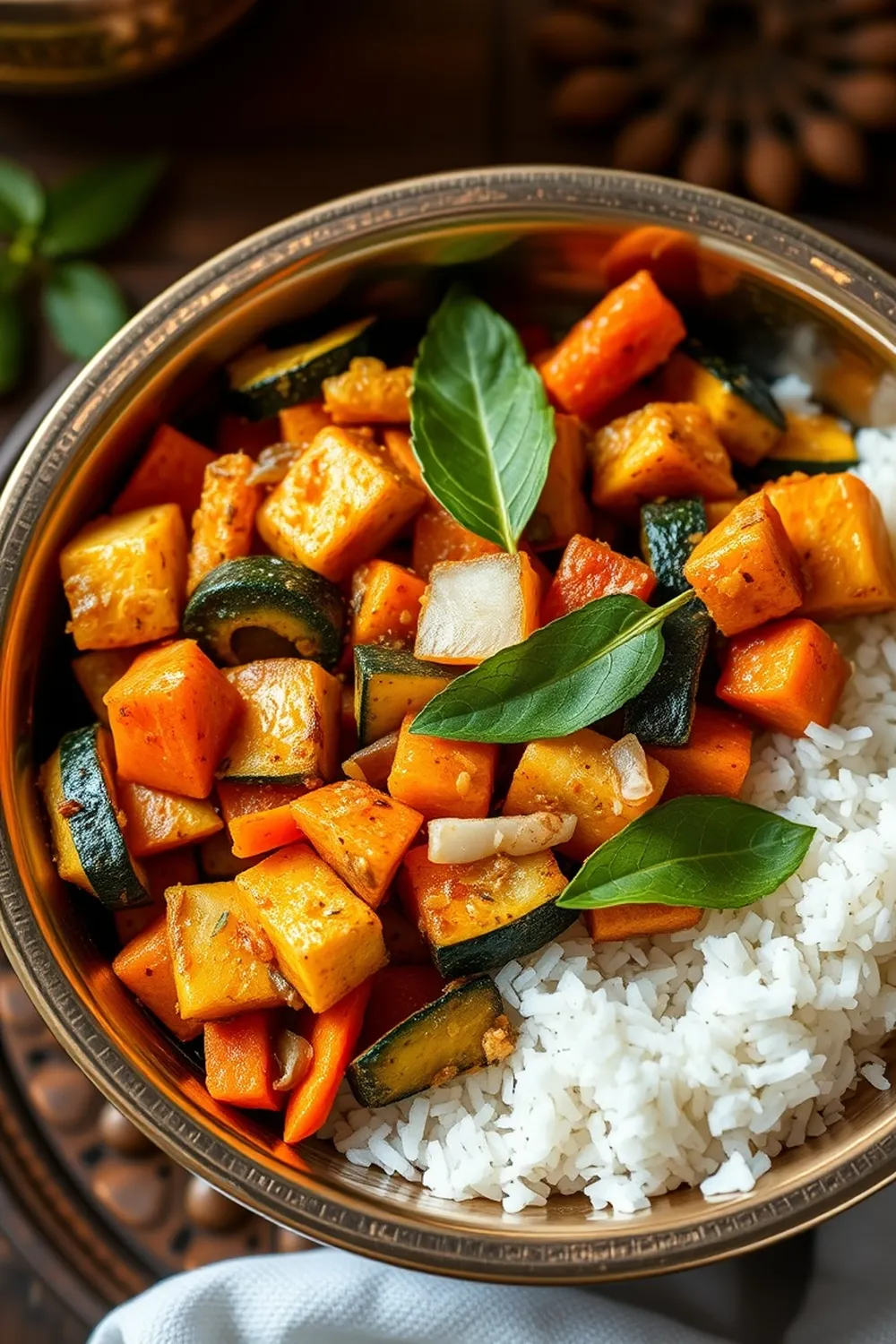
- Garnish with fresh curry leaves and coriander leaves. Serve hot with fried chicken or roti.
- Calories:120 kcal25%
- Energy:502 kJ22%
- Protein:2 g28%
- Carbohydrates:14 mg40%
- Sugar:6 mg8%
- Salt:300 g25%
- Fat:7 g20%
Last Updated on 6 months ago by Neha Deshmukh
Authentic Indian Tomato Onion Masala Recipe – Garam Masala & Curry Leaves
Introduction
There’s just something magical about a good masala, isn’t there? This Tomato Onion Masala is a staple in my kitchen – it’s the base for so many of my favorite dishes! I first made this when I was just starting to learn to cook, and honestly, it’s been a go-to ever since. It’s vibrant, flavorful, and surprisingly easy to whip up. Get ready to fill your kitchen with the most incredible aromas!
Why You’ll Love This Recipe
This isn’t just a masala; it’s the masala. It’s incredibly versatile – perfect with fried chicken, alongside roti, or even as a base for vegetable curries. It’s quick, taking only about 20 minutes from start to finish, and it’s packed with authentic Indian flavors. Plus, the aroma of the curry leaves and garam masala is simply irresistible!
Ingredients
Here’s what you’ll need to create this deliciousness:
- 2 tbsp coconut oil
- 1 tsp mustard seeds
- 0.5 tsp cumin seeds
- 0.5 tsp fennel seeds
- 3 large onions
- 3 green chilies
- 1 pc ginger
- 4 garlic cloves
- 3 medium tomatoes
- 0.75 tsp turmeric powder
- 1 tsp red chili powder
- 0.5 tsp garam masala powder
- Salt to taste
- Curry leaves and coriander leaves for garnish
Ingredient Notes
Let’s talk ingredients! A few little tips can make all the difference.
Coconut Oil: Regional Variations & Health Benefits
Coconut oil is traditional in South Indian cooking, giving a lovely subtle sweetness. You can use refined or unrefined – refined has a higher smoke point if you’re cooking at high heat. About 30ml is a good measure.
Mustard Seeds: The South Indian Flavor Base
These tiny seeds pack a punch! They must splutter in the hot oil – that’s how you know the flavor is released. Black mustard seeds are most common, but yellow work too. 5ml is a good starting point.
Fennel Seeds: Aromatic & Digestive Aid
Don’t skip these! Fennel seeds add a beautiful anise-like aroma and are known for aiding digestion. 2.5ml is perfect.
Garam Masala Powder: Blending the Spices
Garam masala is a blend of warming spices – every family has their own recipe! Store-bought is fine, but if you’re feeling ambitious, making your own is amazing. 2.5ml will give a lovely warmth.
Fresh Curry Leaves: The Signature Aroma
These are essential for that authentic South Indian flavor. If you can find them, grab a big bunch! They wilt quickly, so add them at the very end.
Step-By-Step Instructions
Alright, let’s get cooking!
- Heat the coconut oil in a saucepan over medium heat. Once hot, add the mustard seeds. Listen closely – they’ll start to pop and splutter!
- Next, add the cumin seeds and fennel seeds. Let them sizzle for about 30 seconds, until fragrant.
- Now, toss in the thinly sliced onions and slit green chilies. Sauté until the onions turn translucent and start to soften – about 5-7 minutes.
- Stir in the pounded ginger and garlic. Cook for another minute or two, until the raw aroma disappears. You want it smelling fragrant, not harsh.
- Add the chopped tomatoes and cook until they soften and break down into a thick mixture. This will take about 5-8 minutes.
- Time for the spices! Mix in the turmeric powder, red chili powder, garam masala powder, and salt. Sauté for another 3-5 minutes, stirring constantly, until the masala darkens and the oil starts to separate from the sides. This is where the magic happens!
- Finally, garnish with fresh curry leaves and coriander leaves. Serve hot!
Expert Tips
- Don’t rush the sautéing process. Building the flavors slowly is key.
- Pounding the ginger and garlic releases more flavor than mincing.
- Adjust the amount of green chilies and red chili powder to your spice preference.
- A pinch of sugar can balance the acidity of the tomatoes.
Variations
Vegan Adaptation: This recipe is naturally vegan! Just ensure your garam masala doesn’t contain any hidden animal products.
Spice Level Adjustment: Mild to Fiery: My family loves a bit of heat, so I usually add an extra green chili. For a milder version, remove the seeds from the chilies or use Kashmiri chili powder for color without the heat.
Festival Adaptation: Serving During Special Occasions: During Diwali, my mom would always make a huge batch of this masala to serve with various snacks and sweets. It’s considered very auspicious!
Regional Variations: Exploring Different Masala Styles: In some parts of India, they add a touch of tamarind paste for a tangy flavor. Others might include a pinch of asafoetida (hing) for a unique aroma.
Serving Suggestions
This masala is incredibly versatile! Here are a few ideas:
- Serve with crispy fried chicken – a classic combination!
- Enjoy with warm roti or naan.
- Use it as a base for vegetable curries like potato masala or cauliflower masala.
- It’s also delicious with rice and dal.
Storage Instructions
Leftover masala can be stored in an airtight container in the refrigerator for up to 3 days. You can also freeze it for longer storage – just thaw it completely before reheating.
FAQs
What is the best way to balance the spice level in this masala?
Start with less chili powder and green chilies, then taste and adjust as you go. A little sweetness (like a pinch of sugar) can also help balance the heat.
Can I use tomato paste instead of fresh tomatoes?
You can, but the flavor won’t be quite as vibrant. Use about 2 tablespoons of tomato paste and add a splash of water to thin it out.
What type of rice or bread pairs best with this masala?
Basmati rice is a classic choice. For bread, roti, naan, or even paratha work beautifully.
How can I adjust the consistency of the masala?
If it’s too thick, add a splash of water. If it’s too thin, continue to cook it until it thickens.
Is it possible to make this masala ahead of time?
Absolutely! It actually tastes even better the next day as the flavors meld together. Just store it properly and reheat gently.



Neha Deshmukh
Neha holds a B.A. in History with a focus on Indian and world history, including ancient, medieval, and modern periods. At RecipesOfIndia.org — the world’s largest database of Indian recipes — she combines her love for food and history by exploring how India’s past has shaped its culinary traditions.