- Prepare the dough by bringing water to a boil with sesame oil, then mixing in rice flour. Knead into a soft dough and divide into lemon-sized portions.
- Combine jaggery, grated coconut, and cardamom powder to make the filling. Roll the mixture into small balls.
- Grease the modak mould with sesame oil. Press a portion of dough into the mould, spreading it evenly along the inside.
- Place a filling ball in the center and seal with a thin layer of the remaining dough.
- Gently open the mould to release the shaped modak. Repeat with the remaining dough portions.
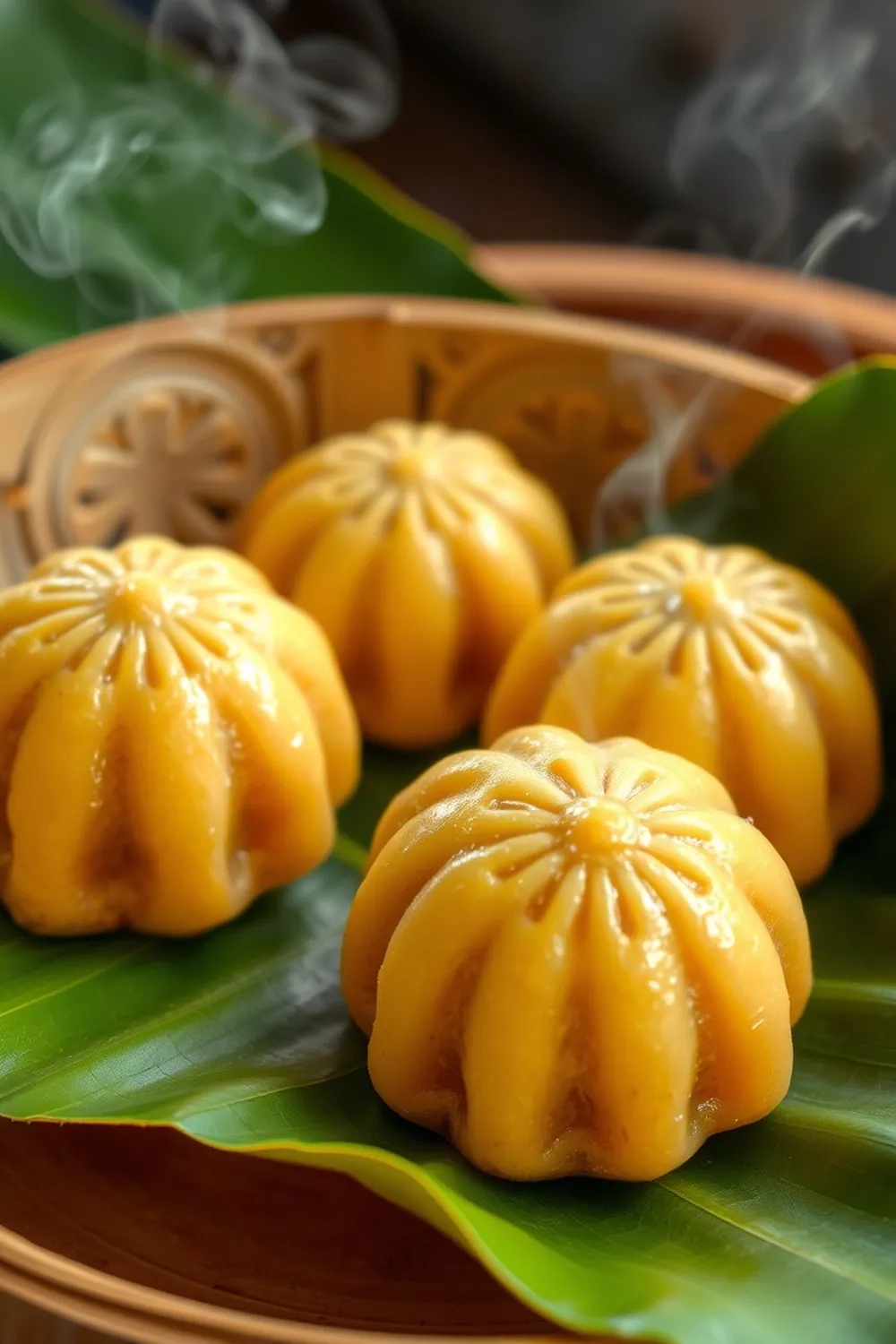
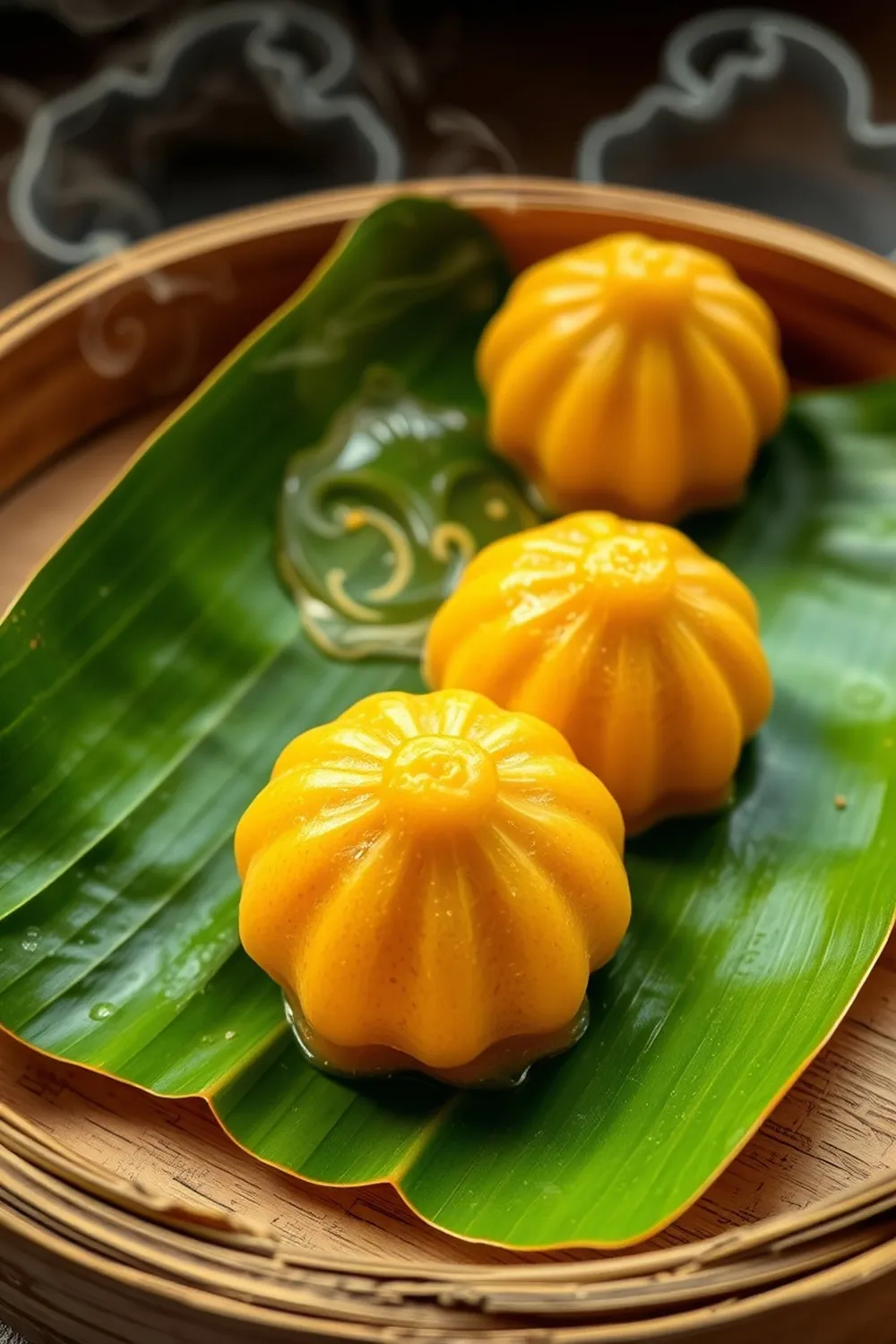
- Steam the modaks in a greased idli steamer for 10-15 minutes, or until glossy. Let them rest for 2-3 minutes before serving.
- Calories:60 kcal25%
- Energy:251 kJ22%
- Protein:0.5 g28%
- Carbohydrates:12 mg40%
- Sugar:5 mg8%
- Salt:2 g25%
- Fat:1.5 g20%
Last Updated on 5 months ago by Neha Deshmukh
Authentic Modak Recipe – Sweet Coconut & Jaggery Steamed Rice Dumplings
Hey everyone! If you’ve ever experienced the joy of Ganesh Chaturthi, or just have a sweet tooth for truly comforting Indian desserts, you need to try making modaks. These little steamed dumplings are more than just a treat; they’re a labor of love, and honestly, the aroma filling your kitchen while they steam is pure magic. I remember the first time I attempted these – it took a few tries to get the hang of the mould, but the reward was SO worth it! Let’s dive in and I’ll share my family’s recipe with you.
Why You’ll Love This Recipe
These aren’t just any sweet dumplings. Modaks are traditionally offered to Lord Ganesha, and making them is a way to connect with tradition and celebrate. But beyond that, they’re incredibly delicious! The soft, chewy rice flour shell perfectly complements the sweet, fragrant coconut and jaggery filling. Plus, they’re surprisingly easy to make – don’t let the shape intimidate you!
Ingredients
Here’s what you’ll need to create these delightful modaks:
- 1 cup Rice flour | Idiyappam Flour (approx. 150g)
- As needed Water (approx. ¾ cup – 1 cup)
- 1 tsp Sesame oil (approx. 5ml)
- 2 tbsp Jaggery (approx. 30g)
- ½ cup Fresh Coconut, grated (approx. 60g)
- ¼ tsp Cardamom powder (approx. 1g)
Ingredient Notes
Let’s talk ingredients – a few little things can make a big difference!
Rice Flour (Idiyappam Flour) – Choosing the Right Grain
Using Idiyappam flour (also known as string hopper flour) is key for that perfect, soft texture. It’s a slightly coarser rice flour than regular rice flour. If you can’t find Idiyappam flour, you can use regular rice flour, but the texture might be a little different.
Sesame Oil – Regional Variations & Aroma
Sesame oil adds a beautiful nutty aroma. In some regions, people use ghee (clarified butter) instead, which is also lovely! I personally prefer sesame oil for its distinct flavour.
Jaggery – Types & Sweetness Levels
Jaggery is unrefined cane sugar, and it gives modaks a unique, caramel-like sweetness. You can use dark or light jaggery – dark jaggery has a stronger flavour. Adjust the amount to your sweetness preference.
Fresh Coconut – Using Fresh vs. Desiccated
Freshly grated coconut is always best. It has a wonderful flavour and texture. If you absolutely can’t find fresh, you can use desiccated coconut, but rehydrate it with a little warm water before using.
Cardamom Powder – Quality & Flavor Impact
Good quality cardamom powder makes all the difference. Make sure yours is fresh and fragrant! A little goes a long way.
Step-By-Step Instructions
Alright, let’s get cooking!
- Prepare the dough: Bring about 1 cup of water to a boil with the sesame oil. Gradually add the rice flour, stirring constantly to avoid lumps.
- Knead the dough: Once the flour is incorporated, reduce the heat and continue kneading for about 5-7 minutes until you have a soft, pliable dough. It shouldn’t be sticky.
- Rest the dough: Divide the dough into lemon-sized balls. Cover them with a damp cloth to prevent them from drying out.
- Make the filling: In a separate bowl, combine the jaggery, grated coconut, and cardamom powder. Mix well until everything is evenly distributed. Roll this mixture into small balls – about the size of a marble.
- Shape the modaks: Grease the modak mould generously with sesame oil. This is crucial to prevent sticking!
- Fill the mould: Take a portion of dough and press it into the mould, spreading it evenly along the walls.
- Add the filling: Place a filling ball in the center of the dough.
- Seal the modak: Cover the filling with a thin layer of the remaining dough, sealing it tightly.
- Release the modak: Gently open the mould to release the shaped modak. Repeat with the remaining dough and filling.
- Steam the modaks: Grease an idli steamer plate with sesame oil. Arrange the modaks on the plate, leaving a little space between them. Steam for 10-12 minutes, or until they become glossy and slightly translucent.
- Rest & Serve: Let the modaks rest for about 3 minutes before serving. Enjoy!
Expert Tips
Here are a few things I’ve learned over the years to help you make perfect modaks:
Achieving the Perfect Dough Consistency
The dough should be soft and pliable, like playdough. If it’s too dry, add a little more water, a teaspoon at a time. If it’s too sticky, add a little more rice flour.
Preventing Modaks from Sticking to the Mould
Greasing the mould really well is the key! Don’t be shy with the sesame oil.
Steaming for Optimal Glossiness
Steaming for the right amount of time is important. Under-steamed modaks will be sticky, while over-steamed ones can become hard.
Working with Jaggery – Avoiding Crystallization
If your jaggery is very hard, you can grate it or melt it slightly with a little water before mixing it with the coconut. This helps prevent crystallization.
Variations
Want to switch things up? Here are a few ideas:
Vegan Modak Adaptation
Simply substitute the ghee (if using) with vegan butter or more sesame oil.
Gluten-Free Confirmation
This recipe is naturally gluten-free, as long as your rice flour is certified gluten-free.
Spice Level Adjustment – Adding a Hint of Nutmeg
My friend loves adding a tiny pinch of nutmeg to the filling for a warm, comforting flavour. Feel free to experiment!
Ganesh Chaturthi Special – Traditional Offerings & Significance
Traditionally, modaks are offered to Lord Ganesha during Ganesh Chaturthi. They represent prosperity and auspiciousness. Offering homemade modaks is a sign of devotion and love.
Serving Suggestions
Modaks are best enjoyed warm, fresh from the steamer. They’re delicious on their own, or you can serve them with a glass of warm milk or a cup of chai.
Storage Instructions
Steamed modaks are best eaten fresh. However, you can store them in an airtight container in the refrigerator for up to 2 days. Reheat them gently in a steamer or microwave before serving.
FAQs
Let’s answer some common questions:
What type of rice flour is best for making modaks?
Idiyappam flour is ideal, but regular rice flour can work in a pinch.
Can I make the filling ahead of time?
Yes, you can! The filling can be made a day in advance and stored in the refrigerator.
How do I prevent the modaks from bursting while steaming?
Make sure the dough is sealed tightly and don’t overcrowd the steamer.
What can I substitute for jaggery?
You can use brown sugar or coconut sugar, but the flavour will be slightly different.
How long do steamed modaks stay fresh?
They’re best eaten fresh, but will keep in the fridge for up to 2 days.

Neha Deshmukh
Neha holds a B.A. in History with a focus on Indian and world history, including ancient, medieval, and modern periods. At RecipesOfIndia.org — the world’s largest database of Indian recipes — she combines her love for food and history by exploring how India’s past has shaped its culinary traditions.