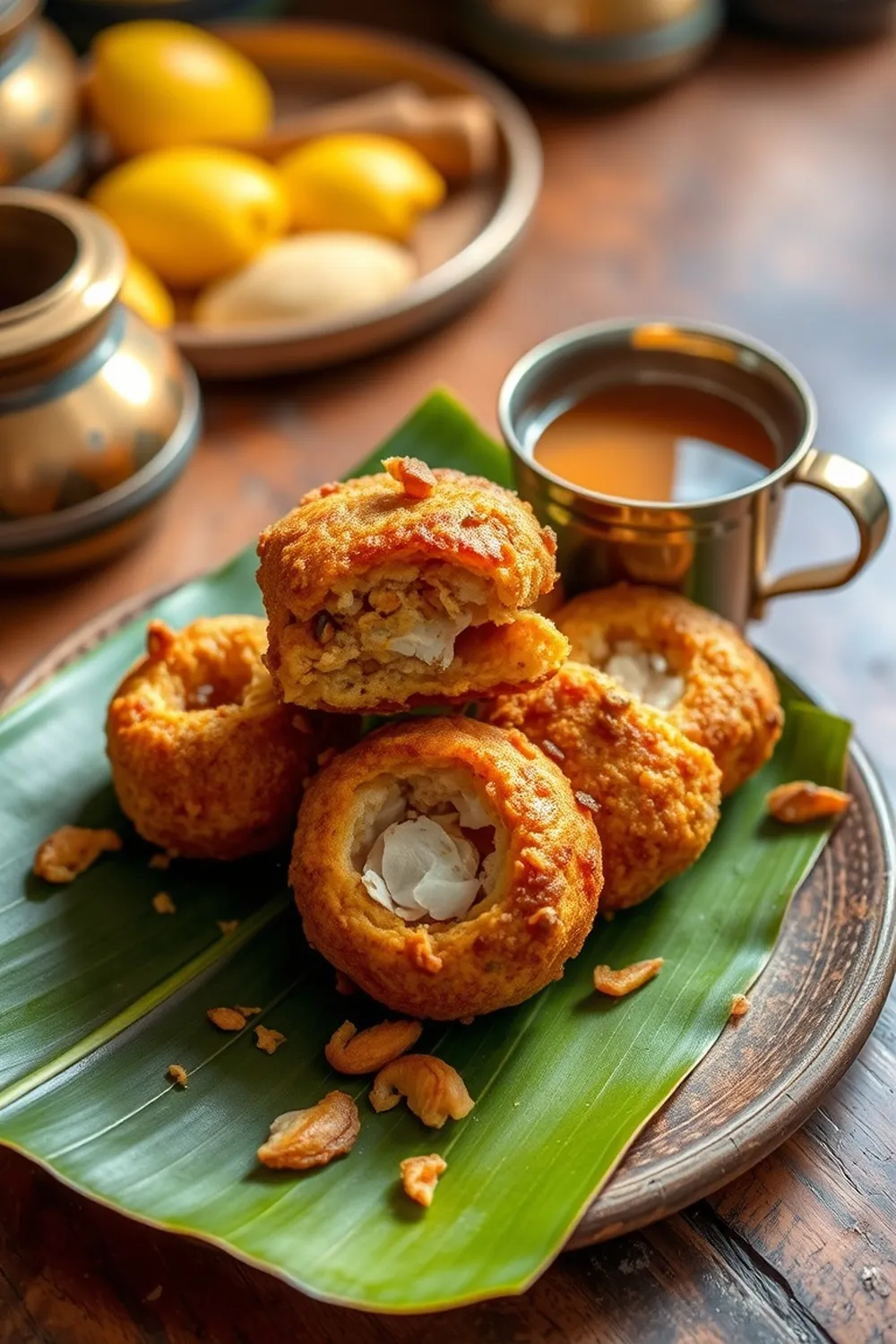
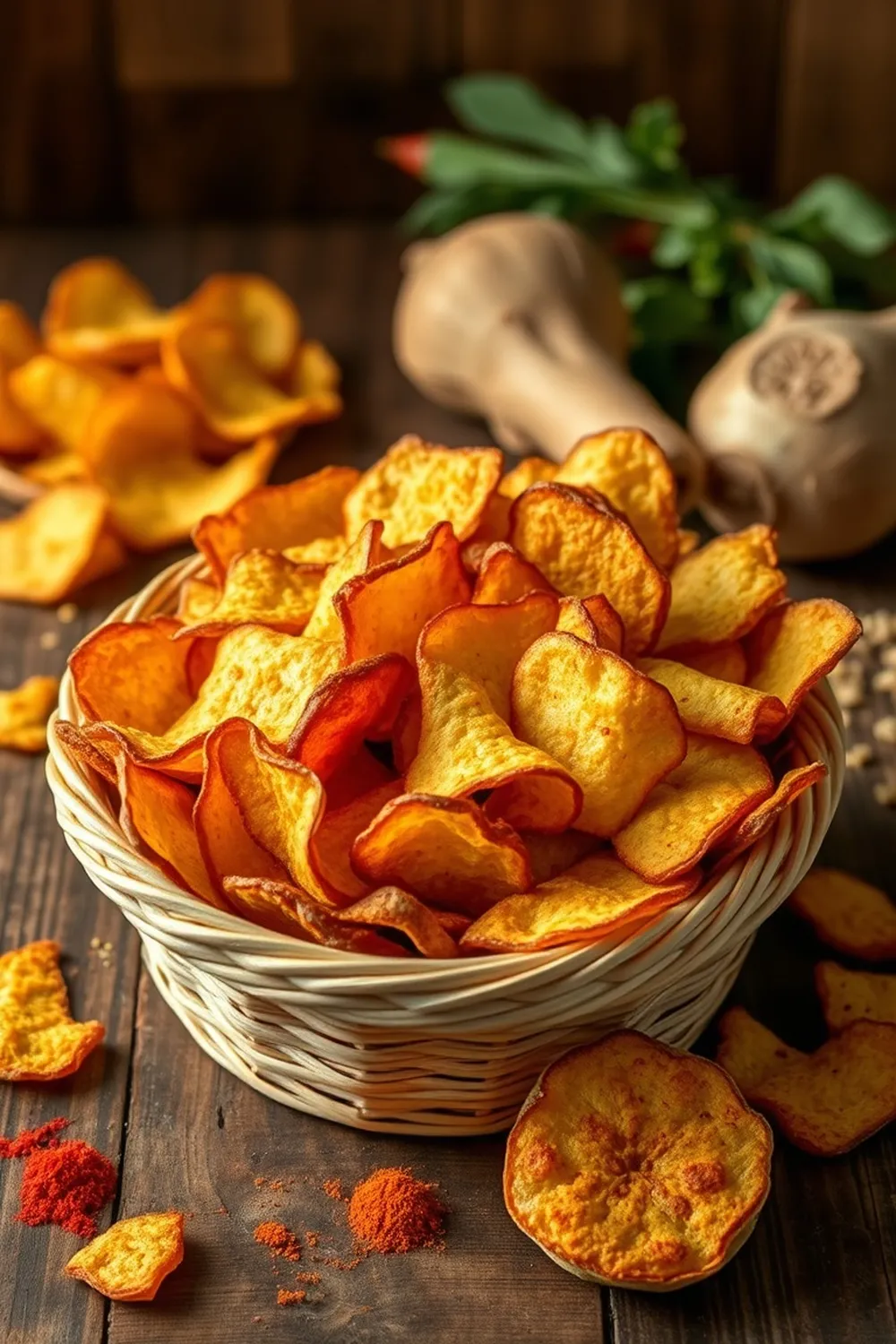
- Combine maida, rice flour, rawa, chopped onion, green chilies, chopped coriander leaves, curry leaves, sour curd, and salt in a bowl. Mix into a thick batter, adding 1-2 tbsp water only if necessary.
- Cover and let the batter rest for 30-60 minutes (traditional recipes recommend 5-6 hours).
- After resting, add baking soda and mix well.
- Heat oil for deep frying. Take small portions of the batter, shape into round balls, and fry on medium heat until golden brown and crisp.
- Drain on paper towels to remove excess oil and serve immediately with coconut chutney.
- Calories:80 kcal25%
- Energy:334 kJ22%
- Protein:1.5 g28%
- Carbohydrates:9 mg40%
- Sugar:0.3 mg8%
- Salt:50 g25%
- Fat:4 g20%
Last Updated on 6 months ago by Neha Deshmukh
Authentic Onion Pakora Recipe – Crispy Indian Fritters
Introduction
Oh, pakoras! Is there anything more comforting than a plate of these crispy, golden fritters, especially on a rainy day? I remember the first time I made these – it was a monsoon evening, and the aroma filled the entire house, instantly making it feel cozy. This onion pakora recipe is a family favorite, passed down through generations, and I’m so excited to share it with you. It’s surprisingly easy to make, and the result is seriously addictive. Get ready for some serious crunch!
Why You’ll Love This Recipe
This isn’t just any onion pakora recipe. It’s the perfect balance of crispy, flavorful, and satisfying. We’re using a blend of flours to achieve that incredible texture, and a touch of sour curd for that authentic tang. Plus, it’s a fantastic snack or side dish that’s always a crowd-pleaser. Trust me, once you try these, you’ll be making them again and again!
Ingredients
Here’s what you’ll need to whip up a batch of these delicious pakoras:
- 0.5 cup Maida (all-purpose flour) – about 60g
- 2 tbsp Rice flour – about 15g
- 0.5 tbsp Rawa/Sooji (semolina) – about 8g
- 1 Big onion (finely chopped)
- 1 Green chili (finely chopped)
- 2 tbsp Coriander leaves, curry leaves (finely chopped)
- 0.5 cup Thick sour curd – about 120ml
- 1 pinch Cooking soda
- As needed Salt
- 1-2 tbsp Water (if needed)
- As needed Cooking oil
Ingredient Notes
Let’s talk ingredients! A few little tips can make all the difference.
Maida (All-Purpose Flour) – Types and Substitutions
Maida is the base of our batter, giving it structure. You can use regular all-purpose flour. If you’re looking for a healthier option, you can substitute up to ¼ cup with whole wheat flour, but it might slightly alter the texture.
Rice Flour – The Role of Rice Flour in Crispy Pakoras
Don’t skip the rice flour! This is key to achieving that signature crispy texture. It helps create a light and airy coating.
Rawa/Sooji (Semolina) – Adding Texture and Bite
A little bit of rawa adds a lovely bite and prevents the pakoras from becoming too soft. It contributes to the overall crunch.
Onion – Choosing the Right Variety
I prefer using regular yellow onions for pakoras, but red onions work well too, offering a slightly sweeter flavor. Just make sure they’re finely chopped – no one wants a big chunk of onion in their pakora!
Sour Curd – Importance of Sourness & Regional Variations
The sourness of the curd is crucial! It reacts with the baking soda to create a light and fluffy batter. If your curd isn’t sour enough, you can leave it out at room temperature for a few hours to develop that tang. In some regions, people even add a teaspoon of lemon juice.
Unique Spice Blend – Green Chili, Coriander & Curry Leaves
This is where you can really customize things! I love the freshness of coriander and curry leaves, and the green chili adds a nice kick. Feel free to adjust the amount of chili to your liking.
Oil for Frying – Best Oils for Deep Frying
For deep frying, I recommend using a neutral-flavored oil with a high smoke point, like vegetable oil, canola oil, or peanut oil.
Step-By-Step Instructions
Alright, let’s get cooking!
- In a bowl, combine the maida, rice flour, rawa, chopped onion, green chili, coriander leaves, curry leaves, sour curd, and salt.
- Mix everything together really well. Don’t add any water just yet! The batter should be thick. If it’s too dry, add 1-2 tablespoons of water, a little at a time.
- Cover the bowl and let the batter rest for at least 30-60 minutes. Traditionally, pakora batter is rested for 5-6 hours, which develops a fantastic flavor, but honestly, even 30 minutes makes a difference.
- Just before frying, add the pinch of cooking soda and mix well. You’ll notice the batter gets a little bubbly – that’s exactly what we want!
- Heat oil in a deep frying pan or wok over medium heat. To test if the oil is ready, drop a tiny piece of batter into it. If it sizzles and floats to the surface, it’s good to go.
- Take small portions of the batter (about a tablespoon) and gently drop them into the hot oil. Shape them into round balls with the back of a spoon.
- Fry the pakoras for 3-4 minutes, turning occasionally, until they’re golden brown and crispy.
- Remove the pakoras from the oil and drain them on a paper towel-lined plate.
- Serve immediately with your favorite chutney!
Expert Tips
Here are a few secrets to pakora perfection:
Achieving the Perfect Batter Consistency
The batter should be thick enough to hold its shape but not so thick that it’s difficult to drop into the oil. Think of a very thick pancake batter.
Resting Time – Traditional vs. Quick Methods
While the traditional 5-6 hour rest is ideal, a 30-60 minute rest is perfectly fine for a quick weeknight snack.
Frying Temperature – Ensuring Crispy, Not Soggy, Pakoras
Maintaining the right oil temperature is crucial. If the oil is too hot, the pakoras will burn on the outside before they cook through. If it’s too cold, they’ll absorb too much oil and become soggy.
Preventing Pakoras from Disintegrating
Make sure the oil is at the right temperature and don’t overcrowd the pan. Gently lower the batter into the oil, and avoid stirring too much.
Variations
Let’s get creative!
Vegan Onion Pakora
Substitute the sour curd with plant-based yogurt (like cashew or soy yogurt).
Gluten-Free Onion Pakora
Use a gluten-free all-purpose flour blend instead of maida. You might need to adjust the amount of water slightly.
Spice Level Adjustment – Mild to Spicy
Adjust the amount of green chili to your preference. You can also add a pinch of red chili powder for extra heat.
Festival Adaptations – Diwali, Holi, Monsoon Snacks
Pakoras are a staple during Indian festivals like Diwali and Holi, and they’re especially popular during the monsoon season. They’re the perfect comfort food!
Serving Suggestions
Serve these hot and crispy with:
- Coconut chutney
- Mint-coriander chutney
- Tamarind chutney
- A cup of hot chai!
Storage Instructions
Pakoras are best enjoyed fresh. However, if you have leftovers, you can store them in an airtight container at room temperature for a few hours. Reheat them in a preheated oven or air fryer to restore some of their crispiness.
FAQs
What type of onion is best for making pakoras?
Yellow onions are classic, but red onions add a nice sweetness.
Can I make the batter ahead of time? How long will it keep?
You can make the batter a few hours ahead of time, but it’s best to add the cooking soda just before frying.
Why is sour curd used in pakoras, and can I substitute it?
Sour curd adds tang and helps create a light and fluffy texture. You can substitute it with plant-based yogurt for a vegan option.
What is the purpose of adding rice flour and rawa to the batter?
Rice flour adds crispiness, and rawa adds bite. They both contribute to the overall texture.
How can I prevent the pakoras from absorbing too much oil?
Maintain the correct oil temperature and don’t overcrowd the pan.
Can I bake these instead of frying?
While traditionally fried, you can bake them! Brush them with oil and bake at 200°C (390°F) for about 20-25 minutes, flipping halfway through. They won’t be as crispy, but still delicious.


Neha Deshmukh
Neha holds a B.A. in History with a focus on Indian and world history, including ancient, medieval, and modern periods. At RecipesOfIndia.org — the world’s largest database of Indian recipes — she combines her love for food and history by exploring how India’s past has shaped its culinary traditions.