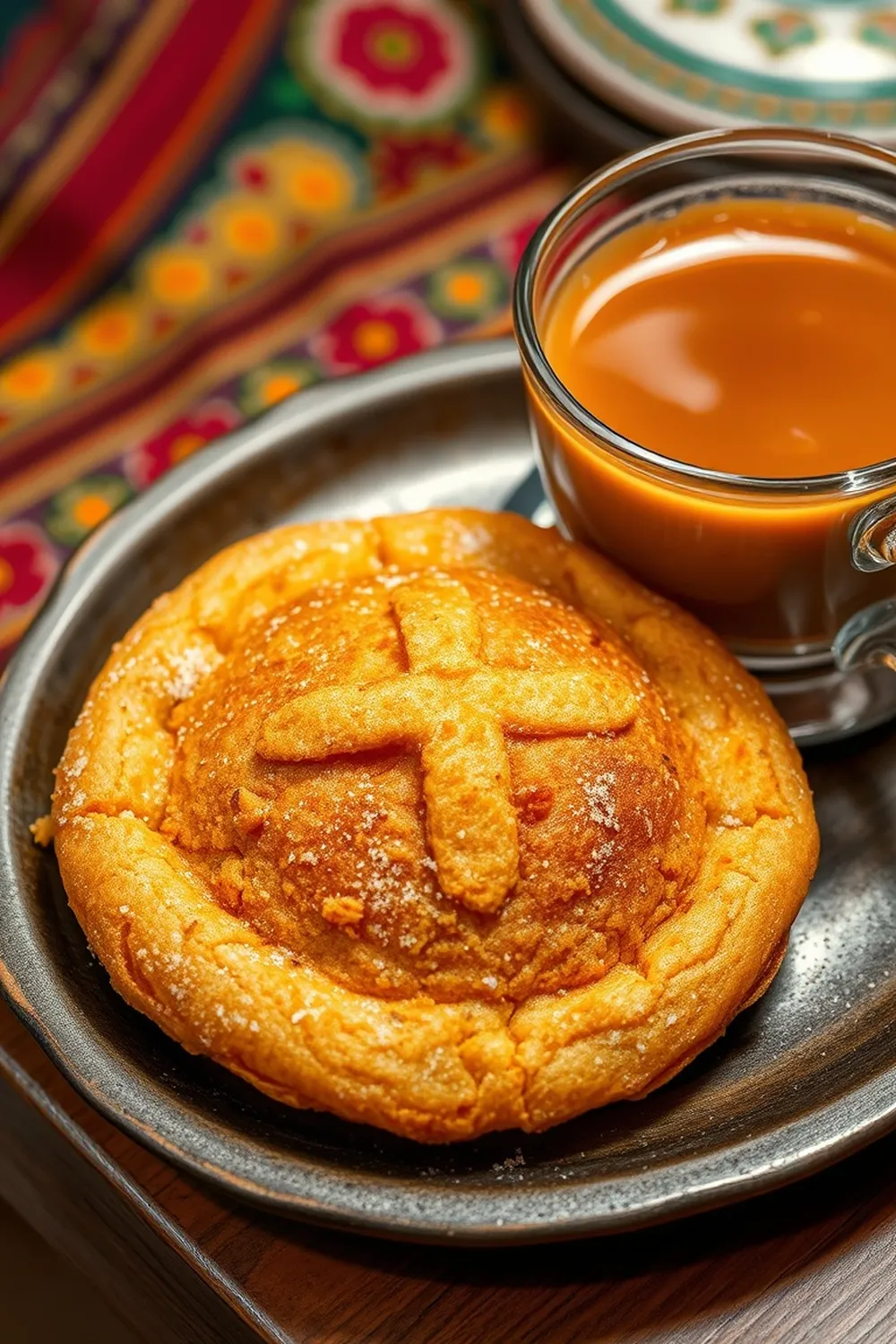
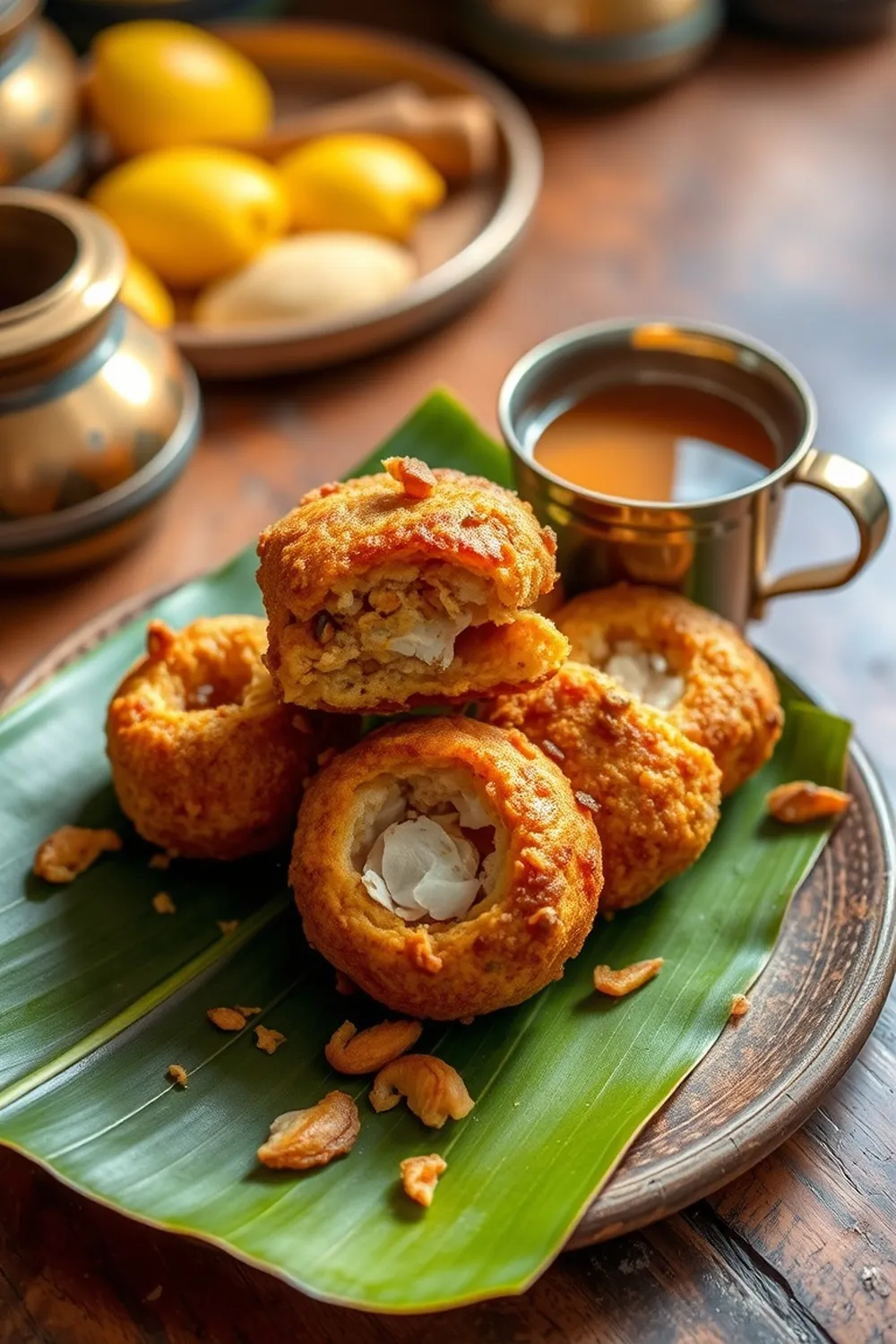
- Soak raw rice in water for at least 4 hours, or preferably overnight. Drain and grind into a smooth paste using minimal water.
- Melt jaggery with a little water, strain to remove impurities, and mix into the rice batter. Let the mixture ferment for 8-12 hours.
- Add grated coconut, cardamom powder, salt, and baking soda to the batter. Mix well.
- Heat a paniyaram pan. Add 1 tsp ghee to each mold. Fill each mold with batter, leaving a little space at the top.
- Cover and cook on low heat for 2-3 minutes. Flip carefully using a skewer or spoon, adding a little more ghee to each mold if needed.
- Cook uncovered for another 2-3 minutes, or until golden brown and cooked through.
- Serve warm as a festive treat.
- Calories:220 kcal25%
- Energy:920 kJ22%
- Protein:3 g28%
- Carbohydrates:35 mg40%
- Sugar:18 mg8%
- Salt:150 g25%
- Fat:8 g20%
Last Updated on 6 months ago by Neha Deshmukh
Authentic Paniyaram Recipe – Rice & Jaggery Sweet Pancakes
Introduction
Oh, Paniyaram! These little golden-brown pancakes hold such a special place in my heart. I remember my grandmother making these during festivals, the aroma of jaggery and cardamom filling the entire house. They’re a delightful treat, perfect for a sweet snack or a festive offering. Today, I’m so excited to share my family’s authentic recipe with you – it’s easier than you think, and the results are so worth it!
Why You’ll Love This Recipe
Paniyaram are more than just a sweet treat; they’re a little piece of South Indian culinary heritage. They’re wonderfully fluffy, subtly sweet, and incredibly satisfying. Plus, they’re naturally vegetarian and can easily be adapted to be vegan and gluten-free (more on that later!). This recipe is perfect for beginners venturing into South Indian cooking, and seasoned cooks looking for a reliable, delicious recipe.
Ingredients
Here’s what you’ll need to create these delightful little pancakes:
- 1 cup Raw rice
- 1 cup Jaggery
- 4 tablespoons grated Coconut
- 1 teaspoon powdered Cardamom
- ??> teaspoon Cooking soda (about ¼ tsp is usually good)
- ??> teaspoon Salt (a pinch will do!)
- As needed Ghee (for cooking)
Ingredient Notes
Let’s talk ingredients! Getting these right will make all the difference.
Raw Rice Varieties for Paniyaram
Traditionally, short-grain rice like ponni rice or seeraga samba rice are used. These give the best texture. However, you can also use regular short-grain rice. About 200g of rice is equivalent to 1 cup.
The Sweetness of Jaggery: Types & Substitutions
Jaggery is unrefined sugar, giving Paniyaram a unique, caramel-like flavour. You can use different types – dark jaggery has a stronger flavour, while light jaggery is milder. If you absolutely can’t find jaggery, you can substitute with sugar (about ¾ cup), but the flavour won’t be quite the same.
Coconut – Fresh vs. Dried
Freshly grated coconut is best, hands down! It adds a lovely aroma and moisture. If you’re using dried coconut (about 30g), soak it in a little warm water for about 10-15 minutes to soften it before adding it to the batter.
Cardamom: Aromatic Spice Profile
Cardamom is essential for that classic Paniyaram fragrance. Use freshly ground cardamom powder for the most intense flavour. About 2-3 green cardamom pods, crushed, will yield 1 teaspoon of powder.
Understanding Cooking Soda in Paniyaram
A tiny bit of cooking soda (sodium bicarbonate) helps create that light and fluffy texture. Don’t overdo it, though – too much will give a soapy taste!
Ghee: The Traditional Fat – Alternatives & Benefits
Ghee (clarified butter) is traditionally used for cooking Paniyaram, lending a beautiful nutty flavour. You can substitute with vegetable oil or coconut oil if you prefer, but ghee really elevates the taste.
Step-By-Step Instructions
Alright, let’s get cooking!
- Soak the Rice: Start by soaking 1 cup (200g) of raw rice in plenty of water for at least 3 hours. This is crucial for getting a smooth batter.
- Grind the Rice: Drain the soaked rice and grind it into a thick paste using minimal water. You want a consistency similar to a thick pancake batter.
- Melt the Jaggery: In a separate pan, melt 1 cup (200g) of jaggery with a little water. Strain it to remove any impurities.
- Combine & Rest: Pour the melted jaggery into the rice batter and mix well. Now, the important part – let this mixture rest for at least 2 hours. This allows the flavours to meld and the batter to ferment slightly.
- Add the Extras: After resting, add 4 tablespoons of grated coconut, 1 teaspoon of cardamom powder, a pinch of salt, and about ¼ teaspoon of cooking soda to the batter. Mix everything together gently.
- Heat the Pan: Heat a paniyaram pan (a special pan with hemispherical molds) over medium-low heat. Add about 1 teaspoon of ghee to each mold.
- Fill & Cook: Fill each mold about ¾ full with the batter. Cover the pan and cook for 1-2 minutes on low heat.
- Flip & Finish: Carefully flip the Paniyaram using a skewer or spoon, adding a little more ghee to the uncooked side. Cook uncovered for another 1-2 minutes, until golden brown and cooked through.
- Serve Warm: Serve your Paniyaram warm and enjoy!
Expert Tips
Here are a few things I’ve learned over the years to make the perfect Paniyaram:
Achieving the Perfect Paniyaram Texture
The key is the batter consistency. It should be thick enough to hold its shape but pourable. If it’s too thick, add a little water. If it’s too thin, add a tablespoon of rice flour.
Troubleshooting Sticky Paniyaram
If your Paniyaram are sticking to the pan, make sure the pan is properly heated and well-greased with ghee. Also, don’t try to flip them too early!
Tips for Even Cooking
Keep the heat on low to medium-low. This ensures the Paniyaram cook evenly without burning.
The Importance of Batter Consistency
Seriously, this is the most important part! A well-rested, properly textured batter is the foundation of delicious Paniyaram.
Variations
Let’s get creative!
Vegan Paniyaram Adaptation
Substitute the ghee with coconut oil and ensure your jaggery is vegan-friendly (some jaggery is processed with bone char).
Gluten-Free Confirmation
This recipe is naturally gluten-free, as long as you use pure rice and ensure your cooking soda doesn’t contain any gluten-based additives.
Spice Level Adjustment (Adding a Hint of Spice)
My friend loves adding a tiny pinch of nutmeg or a very finely chopped green chili to the batter for a subtle kick!
Festival Adaptations (Ganesh Chaturthi, Onam, etc.)
These are often made during festivals. For Ganesh Chaturthi, you can shape them into small rounds to resemble modaks.
Regional Variations in Paniyaram (Tamil Nadu, Kerala)
In some parts of Tamil Nadu, they add a little bit of urad dal (black lentils) to the batter for extra fluffiness. In Kerala, you might find variations with different types of jaggery.
Serving Suggestions
Paniyaram are best enjoyed warm, straight from the pan! They’re delicious on their own, or you can serve them with a dollop of yogurt or a sprinkle of coconut flakes. A cup of hot filter coffee is the perfect accompaniment.
Storage Instructions
Leftover Paniyaram can be stored in an airtight container at room temperature for a day, or in the refrigerator for up to 3 days. Reheat them gently in a pan or microwave before serving.
FAQs
Let’s answer some common questions:
What type of rice is best for making Paniyaram?
Short-grain rice like ponni rice or seeraga samba rice is ideal, but regular short-grain rice works too.
Can I use sugar instead of jaggery in this recipe?
Yes, you can, but the flavour will be different. Use about ¾ cup of sugar for every 1 cup of jaggery.
How do I know when the Paniyaram are cooked through?
They should be golden brown and firm to the touch. You can also insert a toothpick into the center – it should come out clean.
What if I don’t have a Paniyaram pan? Can I use something else?
You can try using a mini muffin tin, but the shape will be different.
How can I prevent the Paniyaram from sticking to the pan?
Make sure the pan is well-heated and generously greased with ghee. Don’t flip them too early!
Can this batter be made ahead of time? If so, how long will it keep?
Yes, the batter can be made ahead of time. It will keep in the refrigerator for up to 2 days. You might need to add a little water to adjust the consistency before cooking.


Neha Deshmukh
Neha holds a B.A. in History with a focus on Indian and world history, including ancient, medieval, and modern periods. At RecipesOfIndia.org — the world’s largest database of Indian recipes — she combines her love for food and history by exploring how India’s past has shaped its culinary traditions.