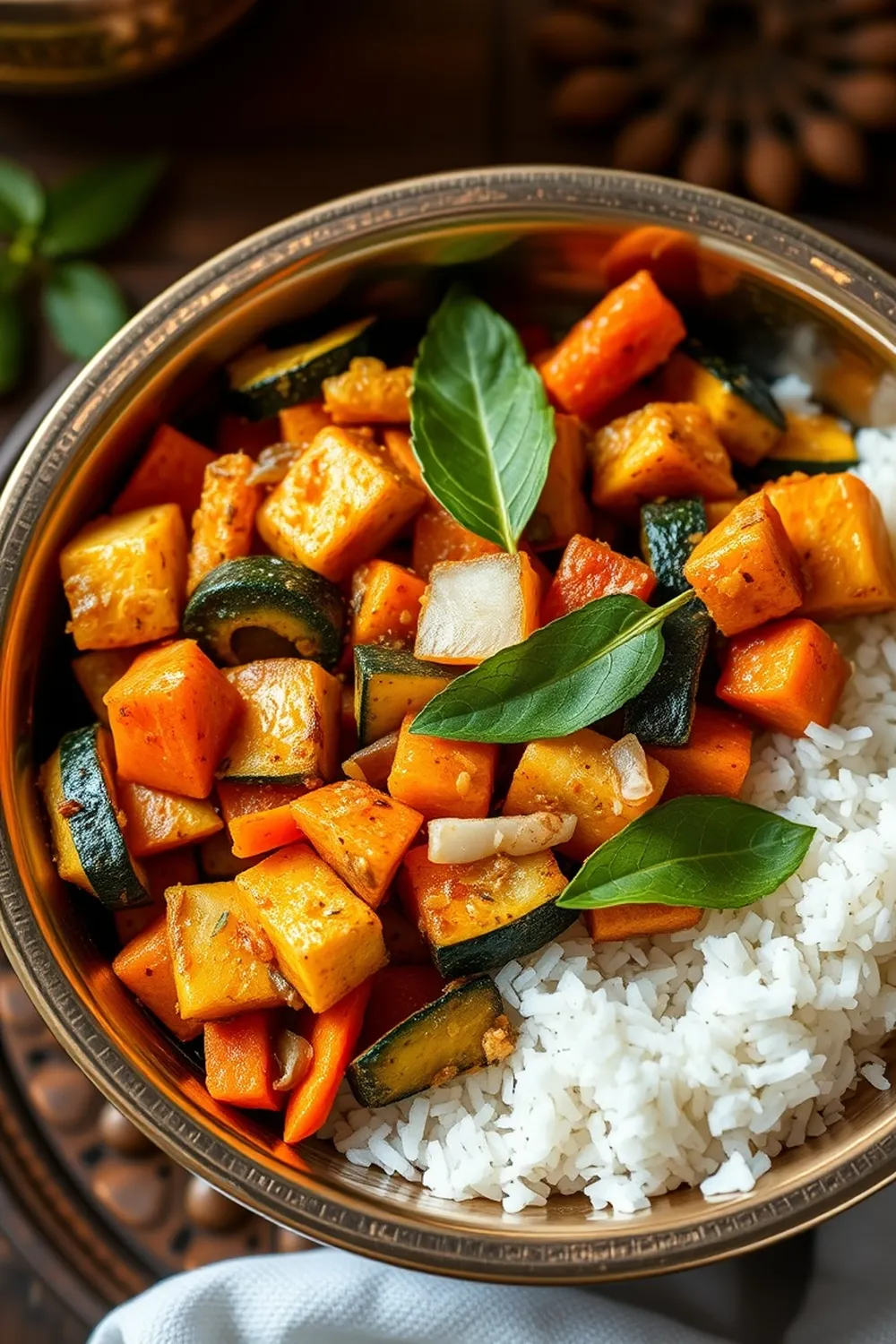
- Heat coconut oil in a clay pot or deep pan. Add fenugreek seeds, sliced onions, and pearl onions. Sauté until softened (do not brown).
- Add crushed ginger and garlic. Cook for 2-3 minutes until aromatic.
- Mix chili powder, turmeric powder, 1 tsp coconut oil, and 1 tbsp water into a smooth paste. Add this paste to the pan and cook until the oil separates (2-3 minutes).
- Stir in sliced raw mango, curry leaves, salt, and 1-2 tsp hot water. Mix well.
- Pour medium-thick coconut milk into the pan and bring to a gentle boil.
- Reduce heat to low. Add fish pieces, ensuring they are submerged in the gravy. Cover and simmer for 8-10 minutes.
- Add thick coconut milk, gently rotate the pan to mix, and cook covered for 4-5 minutes until the gravy thickens and fish is tender.
- Drizzle with coconut oil if desired. Let the curry rest for 30 minutes before serving to enhance flavors.
- Calories:280 kcal25%
- Energy:1171 kJ22%
- Protein:22 g28%
- Carbohydrates:10 mg40%
- Sugar:4 mg8%
- Salt:450 g25%
- Fat:18 g20%
Last Updated on 6 months ago by Neha Deshmukh
Authentic Pomfret Fish Curry Recipe – Kerala Style Raw Mango & Coconut
Hey everyone! If you’ve ever dreamt of tasting the sun-kissed flavors of Kerala, then you need to try this Pomfret Fish Curry. It’s a dish that instantly transports me back to my grandmother’s kitchen, filled with the aroma of coconut and spices. I first made this myself when I was craving a taste of home, and it’s been a family favorite ever since. It’s a little bit of effort, but trust me – the reward is so worth it.
Why You’ll Love This Recipe
This isn’t just any fish curry. It’s a beautiful blend of tangy raw mango, creamy coconut milk, and the delicate flavor of Pomfret. The Kerala-style preparation uses a unique combination of spices that create a depth of flavor you won’t find anywhere else. It’s comforting, flavorful, and surprisingly easy to make once you get the hang of it. Plus, it’s a fantastic way to experience the authentic tastes of South India!
Ingredients
Here’s what you’ll need to create this magic:
- 250 gms Cleaned fish (Pomfret)
- 1 small Onion (sliced)
- 4-5 Small onion / Pearl onion (sliced)
- 1.5 tsp Crushed ginger & garlic
- 1 – 1.5 tbsp Chilli powder
- 0.5 tsp Turmeric powder
- 1 small Raw mango (sliced)
- 1 cup Medium thick coconut milk
- 0.5 cup Thick coconut milk
- A pinch Fenugreek seeds (3-4 seeds)
- Coconut oil
- Salt
- Curry leaves
Ingredient Notes
Let’s talk ingredients! Getting these right makes all the difference.
- Pomfret: This is my go-to fish for this curry. It has a lovely, firm texture that holds up beautifully in the gravy. You can substitute with other firm white fish like Snapper or Seabass if Pomfret isn’t available.
- Kerala Coconut Milk: This is key. Kerala coconut milk is known for its richness and sweetness. Traditionally, you’d use freshly squeezed coconut milk, and that’s always best! You’ll need both medium-thick and thick coconut milk – the medium-thick forms the base of the curry, while the thick one adds a luxurious creaminess at the end.
- Fenugreek Seeds: Don’t skip these! They add a subtle, slightly bitter note that balances the sweetness of the coconut milk and the tang of the mango. Just a pinch is enough.
- Raw Mango: The raw mango provides a wonderful tartness that cuts through the richness of the curry. Look for a mango that’s firm and slightly green.
- Spice Blend: Kerala cuisine is all about balance. We’re using a generous amount of chili powder for heat, but turmeric adds warmth and color. Feel free to adjust the chili powder to your liking!
Step-By-Step Instructions
Alright, let’s get cooking!
- Heat a generous amount of coconut oil in a clay pot or a deep pan. I love using a clay pot because it imparts a unique earthy flavor, but any heavy-bottomed pan will work. Add the fenugreek seeds, sliced onions, and pearl onions. Sauté until they soften and become translucent – we’re not looking for any browning here.
- Add the crushed ginger and garlic. Cook for 2-3 minutes, stirring constantly, until you can really smell that beautiful aroma filling your kitchen.
- Now for the spice paste! In a small bowl, mix the chili powder, turmeric powder, 1 tsp of coconut oil, and 1 tbsp of water to form a smooth paste. Add this paste to the pan and cook for another 2-3 minutes, stirring until the oil starts to separate from the mixture. This is a sign that the spices are nicely roasted.
- Stir in the sliced raw mango, curry leaves, and salt. Add 1-2 tsp of hot water to help everything come together. Mix well and let it cook for a minute or two.
- Pour in the medium-thick coconut milk and bring the mixture to a gentle boil. Don’t let it boil vigorously, or the coconut milk might split.
- Reduce the heat to low. Gently add the fish pieces, making sure they are fully submerged in the gravy. Cover the pan and simmer for 8-10 minutes, or until the fish is almost cooked through.
- Finally, pour in the thick coconut milk. Gently rotate the pan to mix it in, and cook covered for another 4-5 minutes, until the gravy thickens and the fish is perfectly tender.
- Drizzle with a little extra coconut oil if you like, and let the curry rest for at least 30 minutes before serving. This allows the flavors to meld together beautifully.
Expert Tips
- Don’t overcook the fish! It should be flaky and tender, but not dry.
- Taste as you go. Adjust the salt and chili powder to your preference.
- Low and slow is the key. Simmering the curry gently allows the flavors to develop fully.
Variations
Want to switch things up? Here are a few ideas:
- Vegan Adaptation: Swap the fish for jackfruit or banana blossom. They both have a lovely texture that works well in this curry.
- Gluten-Free: This recipe is naturally gluten-free!
- Spice Level Adjustments: If you prefer a milder curry, reduce the amount of chili powder. For extra heat, add a slit green chili along with the spice paste.
- Festival Adaptations: This curry is often made during Onam and Vishnu festivals in Kerala. My aunt always adds a few extra pearl onions for these special occasions!
Serving Suggestions
This Pomfret Fish Curry is best served with steamed rice. A side of simple vegetable thoran (stir-fry) and a dollop of yogurt complete the meal perfectly.
Storage Instructions
Leftovers can be stored in an airtight container in the refrigerator for up to 2 days. The flavors actually develop even more overnight!
FAQs
Let’s answer some common questions:
1. What type of fish is best for this Kerala fish curry?
Pomfret is traditional and fantastic, but you can also use Snapper, Seabass, or any other firm white fish.
2. Can I use store-bought coconut milk, or is fresh preferred?
Freshly squeezed coconut milk is always best for the most authentic flavor. However, good quality store-bought coconut milk will work in a pinch. Look for brands with a high coconut content.
3. How can I adjust the spice level of this curry?
Reduce the amount of chili powder for a milder curry, or add a slit green chili for extra heat.
4. What is the significance of using a clay pot for this recipe?
A clay pot imparts a unique earthy flavor to the curry and helps to distribute heat evenly. But a heavy-bottomed pan works just fine too!
5. How do I know when the fish is perfectly cooked in this curry?
The fish should be flaky and tender, and it should easily come apart with a fork.
6. Can I use a different type of mango if raw mango isn’t available?
While raw mango is ideal, you can use a tart green apple as a substitute. It won’t have the exact same flavor, but it will provide a similar tanginess.
Enjoy this little piece of Kerala sunshine! I hope you love it as much as my family does. Let me know in the comments how it turns out for you!



Neha Deshmukh
Neha holds a B.A. in History with a focus on Indian and world history, including ancient, medieval, and modern periods. At RecipesOfIndia.org — the world’s largest database of Indian recipes — she combines her love for food and history by exploring how India’s past has shaped its culinary traditions.