- Grind ajwain, mint leaves, and salt into a coarse powder using a blender or spice grinder.
- Add cooked potato cubes, lemon juice, and 1 tablespoon of water; blend into a smooth paste.
- In a bowl, combine gram flour, rice flour, asafoetida, turmeric powder, red chilli powder, and black pepper powder.
- Combine the ground paste with the flour mixture and knead to form a non-sticky dough. Grease hands with oil if the dough is sticky.
- Grease a murukku press with oil and attach the sev plate. Fill the press with dough.
- Heat oil in a kadai or deep frying pan over medium heat. Squeeze the dough into the hot oil in a single layer.
- Fry until the bubbles subside, flip, and cook for 30 seconds, or until golden brown and crisp.
- Drain on paper towels to remove excess oil. Repeat with the remaining dough.
- Sprinkle chaat masala over the cooled bhujia before storing or serving.
- Calories:150 kcal25%
- Energy:627 kJ22%
- Protein:4 g28%
- Carbohydrates:18 mg40%
- Sugar:1 mg8%
- Salt:200 g25%
- Fat:8 g20%
Last Updated on 6 months ago by Neha Deshmukh
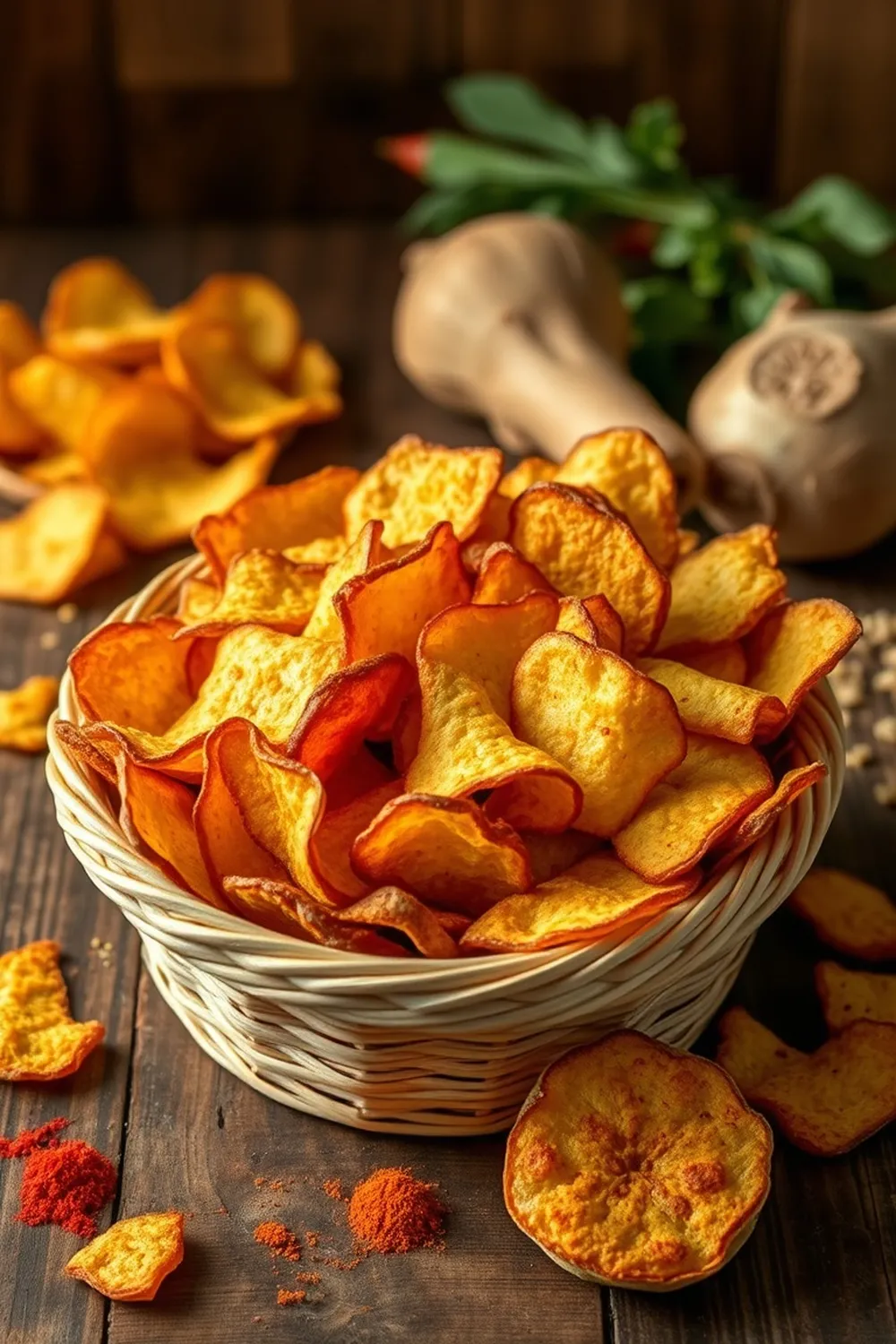
Authentic Potato Bhujia Recipe – Ajwain & Mint Flavored Snack
Hey everyone! If you’re anything like me, you love a good crunchy, savory snack. And honestly, nothing beats a homemade one. Today, I’m sharing my family’s recipe for Potato Bhujia – a delightfully crispy, flavorful snack that’s perfect with a cup of chai or just to munch on when those cravings hit. I first made this when I was trying to recreate the bhujia my grandmother used to make, and after a few tries, I think I finally got it just right!
Why You’ll Love This Recipe
This isn’t just any bhujia recipe. The addition of ajwain (carom seeds) and fresh mint gives it a really unique and refreshing flavor. It’s a little different from the usual, and trust me, it’s so good. Plus, it’s surprisingly satisfying to make from scratch – there’s something special about creating a snack that everyone enjoys. It’s a little bit of effort, but totally worth it!
Ingredients
Here’s what you’ll need to make this delicious Potato Bhujia:
- 1 cup Gram flour (besan) – about 120g
- ?? cup Rice flour – about 1/2 cup (60g)
- 1 large Potato – about 200g
- 2 tablespoons Mint leaves – roughly chopped
- 1 teaspoon Lemon juice
- 1 teaspoon Red chilli powder – adjust to your spice preference
- ?? teaspoon Black pepper powder – about 1/2 teaspoon (2.5g)
- ?? teaspoon Asafoetida (hing) – about 1/4 teaspoon (1g)
- ?? teaspoon Turmeric powder – about 1/2 teaspoon (2.5g)
- 1 teaspoon Ajwain (Omam)
- To deep fry – Oil (vegetable, canola, or sunflower oil work well)
- To taste – Salt
- To sprinkle – Chaat masala
Ingredient Notes
Let’s talk ingredients for a sec!
- Ajwain: This is the star of the show! Ajwain has a unique, slightly peppery, and aromatic flavor that really elevates the bhujia. Don’t skip it!
- The Flour Blend: We use a mix of gram flour and rice flour. Gram flour gives it structure, while rice flour adds that lovely crispness. You can experiment with the ratio a little – more rice flour means a crispier bhujia.
- Spice Levels: Traditionally, bhujia can range from mild to quite spicy. Feel free to adjust the red chilli powder to your liking. My family prefers a medium spice level, but my friend Priya likes to add a pinch of cayenne pepper for extra heat!
- Regional Variations: Some families also add a little bit of cumin powder or coriander powder to their bhujia mixture. Feel free to experiment and make it your own.
Step-By-Step Instructions
Alright, let’s get cooking!
- First, let’s make the base paste. Grind the ajwain, mint leaves, and salt into a coarse powder using a blender.
- Add the cooked potato cubes, lemon juice, and 1 tablespoon of water to the blender. Blend everything into a smooth paste. Set this aside.
- In a bowl, combine the gram flour, rice flour, asafoetida, turmeric, red chilli powder, and black pepper powder. Mix well.
- Now, add the ground paste to the flour mixture. Start combining it, and slowly add a little water (about 1 tablespoon at a time) if needed, to form a non-sticky dough. If the dough feels too sticky, grease your hands with a little oil.
- Grease the plate of your murukku press with a little oil. Fill the press with the dough.
- Heat oil in a kadai (or a deep frying pan) over medium heat. You want the oil to be hot enough to fry, but not so hot that it burns the bhujia.
- Squeeze the dough into the hot oil in a single layer, using the murukku press. Don’t overcrowd the pan!
- Fry for about 30-45 seconds, until the bhujia turns light golden and the bubbles start to subside. Gently flip them over and cook for another 30 seconds, until golden brown and crisp.
- Remove the bhujia from the oil and drain them on paper towels.
- Repeat the process with the remaining dough.
- Once the bhujia has cooled completely, sprinkle with chaat masala. This adds a lovely tangy flavor!
Expert Tips
- Oil Temperature is Key: Maintaining the right oil temperature is crucial for crispy bhujia. If the oil is too cold, the bhujia will absorb too much oil and become soggy. If it’s too hot, they’ll burn quickly.
- Don’t Overcrowd: Frying in batches ensures even cooking and prevents the oil temperature from dropping too much.
- Cooked Potato: Make sure your potato is fully cooked and slightly cooled before adding it to the blender.
Variations
- Vegan Adaptation: This recipe is naturally vegan!
- Gluten-Free Adaptation: This recipe is naturally gluten-free, as long as your asafoetida (hing) doesn’t contain wheat flour (some brands do).
- Spice Level Adjustments: As I mentioned earlier, feel free to adjust the red chilli powder to your liking. You can also add a pinch of cayenne pepper for extra heat.
- Diwali/Festival Snack Adaptation: During Diwali, my aunt adds a few strands of saffron to the dough for a beautiful color and subtle flavor. It’s a lovely touch!
Serving Suggestions
Potato Bhujia is best enjoyed fresh and crispy! It’s perfect as a standalone snack with a cup of chai, or you can serve it alongside other Indian snacks and appetizers. My kids love it packed in their lunchboxes too.
Storage Instructions
Store cooled bhujia in an airtight container at room temperature. It should stay crispy for up to a week, but honestly, it never lasts that long in my house!
FAQs
Q: What is the best type of potato to use for bhujia?
A: I prefer using a starchy potato like Russet or Yukon Gold. They give the bhujia a nice texture.
Q: Can I make the bhujia dough ahead of time?
A: You can, but it’s best to fry it immediately for the best texture. If you do make it ahead, store the dough in an airtight container in the refrigerator for up to 24 hours.
Q: How do I get the bhujia perfectly crisp?
A: Maintaining the right oil temperature and not overcrowding the pan are key. Also, make sure the dough isn’t too wet.
Q: What is asafoetida and can I substitute it?
A: Asafoetida (hing) has a pungent aroma, but it adds a unique savory flavor to the bhujia. If you can’t find it, you can try substituting it with a pinch of garlic powder, but it won’t be quite the same.
Q: How can I adjust the spice level of this bhujia?
A: Simply adjust the amount of red chilli powder. Start with a smaller amount and add more to taste.
Enjoy making this delicious and authentic Potato Bhujia! I hope it becomes a favorite in your home too. Let me know how it turns out in the comments below!



Neha Deshmukh
Neha holds a B.A. in History with a focus on Indian and world history, including ancient, medieval, and modern periods. At RecipesOfIndia.org — the world’s largest database of Indian recipes — she combines her love for food and history by exploring how India’s past has shaped its culinary traditions.