- Mix flour, salt, oil, and ajwain. Add water to make a firm dough. Rest for 15-20 minutes.
- Sauté cumin, ginger, and spices in oil. Add potatoes, peas, and cook for 3-4 minutes. Mix in kasuri methi, lemon juice, and coriander.
- Roll dough into thin oval shapes. Cut into semi-circles and fold into cones.
- Fill cones with potato mixture. Seal edges with water to prevent leakage.
- Deep fry samosas in medium-hot oil until golden brown, turning occasionally.
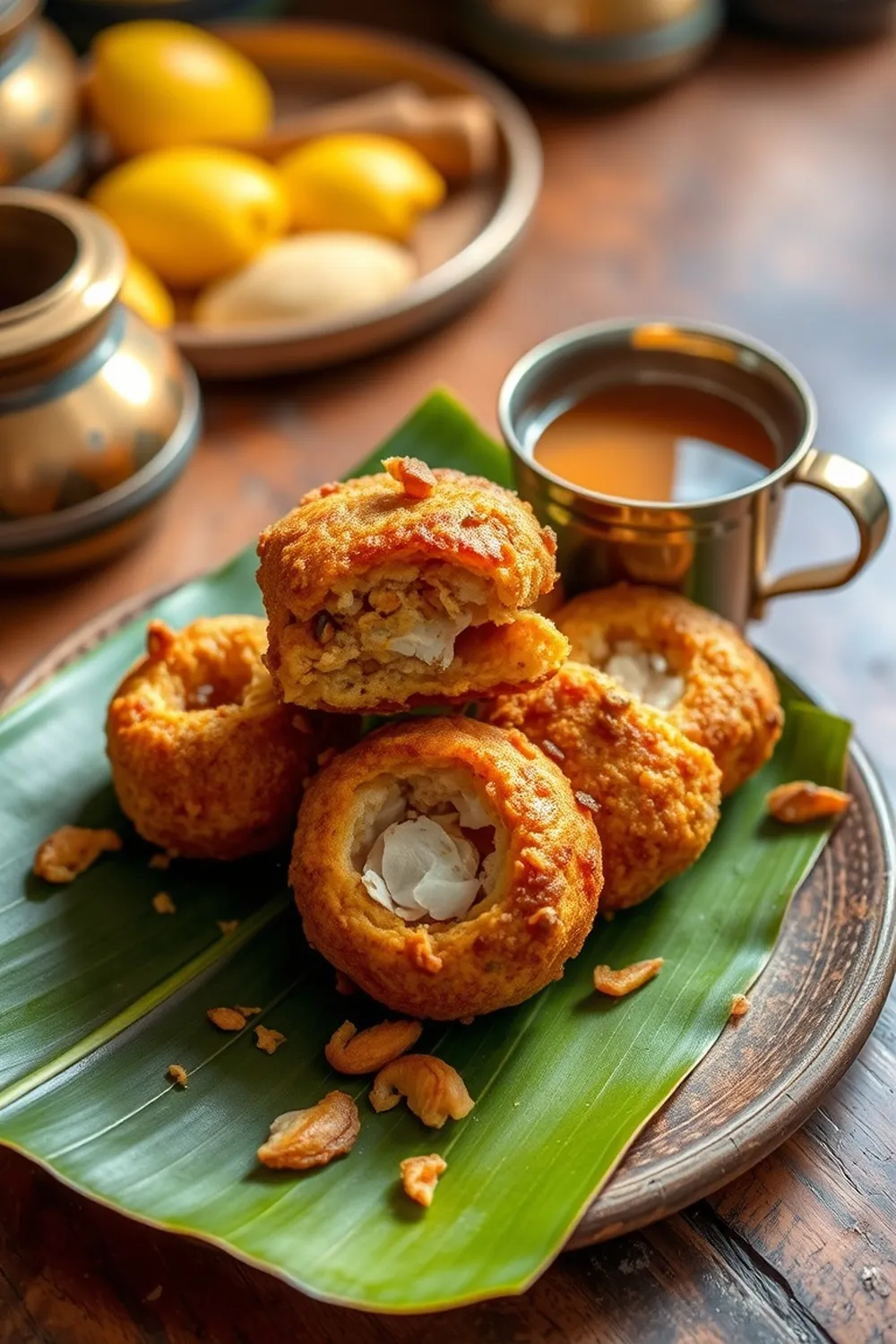
- Drain on paper towels. Serve warm with chutney and masala chai.
- Calories:150 kcal25%
- Energy:627 kJ22%
- Protein:2 g28%
- Carbohydrates:18 mg40%
- Sugar:1 mg8%
- Salt:120 g25%
- Fat:8 g20%
Last Updated on 6 months ago by Neha Deshmukh
Authentic Potato Samosa Recipe – Ajwain & Kasuri Methi Flavors
Introduction
Oh, samosas! Is there anything more comforting than a crispy, golden samosa, bursting with a flavorful potato filling? Seriously, these little triangles of goodness are a staple in Indian households – and for good reason. I remember the first time I tried to make these myself… let’s just say it was a learning experience! But after years of tweaking and perfecting, I’m so excited to share my family’s authentic potato samosa recipe with you. This recipe isn’t just about following steps; it’s about capturing the heart of Indian flavors, especially with the lovely touch of ajwain and kasuri methi.
Why You’ll Love This Recipe
This samosa recipe is special. It delivers that perfect balance of crispy pastry and a warmly spiced potato filling. The ajwain adds a subtle digestive quality and a unique flavor, while the kasuri methi lends an authentic aroma that will transport you straight to India. Plus, I’ve included tons of tips to help you avoid common samosa-making pitfalls – like soggy bottoms or bursting seams!
Ingredients
Here’s what you’ll need to create these delightful samosas:
- 1 cup maida (all-purpose flour) – about 120g
- 2 tbsp oil – about 30ml
- Large pinch of ajwain (carom seeds)
- Enough water for dough – approximately ½ cup (120ml)
- Salt – to taste
- Oil for deep frying
- 2 boiled potatoes, mashed
- ¼ cup boiled peas – about 60g
- ¼ tsp grated ginger
- 1 tsp red chili powder
- ½ tsp coriander powder
- Pinch of cumin powder
- Pinch of kasuri methi (dried fenugreek leaves)
- Dash of lemon juice
- Pinch of garam masala
- Chopped coriander leaves – for garnish
Ingredient Notes
Let’s talk ingredients! A few little things can make a big difference.
Maida (All-Purpose Flour) – Choosing the Right Flour
Maida is the key to that flaky, crisp texture. You can find it at most Indian grocery stores, or online. Don’t substitute with whole wheat flour, as it won’t give you the same result.
Ajwain – The Digestive Seed & Its Flavor Profile
Ajwain isn’t just about flavor; it’s also known for its digestive properties – perfect after indulging in these delicious treats! It has a slightly thyme-like, pungent flavor.
Kasuri Methi – The Secret to Authentic Samosa Taste
Don’t skip the kasuri methi! It adds a unique, slightly bitter, and wonderfully aromatic flavor that’s essential for an authentic samosa taste. Crush it between your palms before adding to release its fragrance.
Oil – Selecting the Best Oil for Deep Frying
I prefer using vegetable oil or canola oil for deep frying because of their neutral flavor and high smoke point. Groundnut oil is also a popular choice in India.
Regional Variations in Samosa Spices
Samosa spice blends vary across India! Some regions add amchur (dried mango powder) for tanginess, while others use more garam masala. Feel free to adjust the spices to your liking.
Step-By-Step Instructions
Alright, let’s get cooking!
- Make the Dough: In a large bowl, mix the maida, salt, oil, and ajwain. Gradually add water, kneading until you form a firm, smooth dough. Cover and let it rest for 15-20 minutes. This resting period is crucial for a flaky crust.
- Prepare the Filling: While the dough rests, heat a little oil in a pan. Sauté the cumin seeds and grated ginger for a few seconds. Add the red chili powder, coriander powder, and garam masala. Cook for another 30 seconds, then add the mashed potatoes and peas. Mix well and cook for 3-4 minutes.
- Finish the Filling: Stir in the kasuri methi, lemon juice, and chopped coriander leaves. Taste and adjust seasonings as needed. Let the filling cool completely.
- Shape the Samosas: Divide the dough into equal-sized balls. Roll each ball into a thin oval shape. Cut the oval in half to form semi-circles.
- Form the Cones: Fold one semi-circle to form a cone, sealing the edges with a little water. Make sure there are no gaps!
- Fill & Seal: Fill each cone with a spoonful of the potato mixture. Seal the edges tightly with water to prevent leakage during frying. This is important!
- Fry to Perfection: Heat oil in a deep frying pan over medium heat. Carefully add the samosas, frying in batches to avoid overcrowding. Fry until golden brown and crispy, turning occasionally.
- Drain & Serve: Remove the samosas and drain them on paper towels. Serve warm with your favorite chutney and a steaming cup of masala chai.
Expert Tips
Let’s make sure your samosas turn out amazing!
Achieving the Perfect Dough Consistency
The dough should be firm but pliable. If it’s too soft, it will be difficult to shape. If it’s too hard, the samosas will be tough.
Mastering the Samosa Cone Shape
Practice makes perfect! Don’t worry if your first few cones aren’t perfect. The important thing is to seal the edges well.
Tips for a Crispy & Golden Fry
Maintain a consistent oil temperature. If the oil is too hot, the samosas will burn on the outside before the filling is heated through. If it’s too cold, they’ll be soggy.
Preventing Samosas from Bursting During Frying
Sealing the edges properly is key! Also, don’t overcrowd the pan, and ensure the oil isn’t too hot.
Variations
Want to switch things up? Here are a few ideas:
Vegan Samosa Adaptation
Simply ensure your oil is vegan-friendly! The filling is naturally vegan.
Gluten-Free Samosa Option (Using Alternative Flours)
You can experiment with gluten-free flour blends, but the texture will be different. A mix of rice flour and potato starch can work well.
Spice Level Adjustment – Mild to Spicy
Adjust the amount of red chili powder to control the heat. You can also add a pinch of cayenne pepper for extra spice.
Festival Adaptations – Samosas for Diwali, Holi, etc.
Samosas are a must-have for many Indian festivals! You can make mini samosas for parties or add festive spices like cardamom to the filling.
Serving Suggestions
Samosas are best enjoyed hot and fresh! Serve them with:
- Mint-coriander chutney
- Tamarind chutney
- Sweet yogurt dip
- Masala chai
Storage Instructions
Leftover samosas can be stored in an airtight container at room temperature for a day or two. Reheat in a preheated oven or air fryer to restore crispness.
FAQs
Got questions? I’ve got answers!
What is the best way to prevent samosas from becoming soggy?
Make sure the oil is hot enough, don’t overcrowd the pan, and drain the samosas on paper towels immediately after frying.
Can I make the samosa filling ahead of time?
Yes! The filling can be made a day in advance and stored in the refrigerator.
What is ajwain and can I substitute it?
Ajwain is a carom seed with a unique flavor. If you can’t find it, you can try substituting with a pinch of thyme, but it won’t be quite the same.
What is the ideal oil temperature for frying samosas?
Around 350°F (175°C) is ideal. You can test the oil by dropping a small piece of dough into it – it should sizzle and rise to the surface.
How can I freeze uncooked samosas?
Arrange the filled and sealed samosas on a baking sheet lined with parchment paper and freeze until solid. Then, transfer them to a freezer bag. Fry directly from frozen, adding a few extra minutes to the cooking time.


Neha Deshmukh
Neha holds a B.A. in History with a focus on Indian and world history, including ancient, medieval, and modern periods. At RecipesOfIndia.org — the world’s largest database of Indian recipes — she combines her love for food and history by exploring how India’s past has shaped its culinary traditions.