- Soak rice for 1 hour, drain, and dry. Grind into coarse flour, then lightly roast the flour.
- Melt jaggery with 1 cup of water, strain to remove impurities, and bring to a boil.
- Combine roasted rice flour, grated coconut, cardamom powder, and mashed banana in a bowl.
- Gradually add the strained jaggery water to the mixture to form a thick dough. Let it cool completely.
- Cut banana leaves into rectangles, briefly warm them to soften, and place a portion of dough onto each leaf.
- Roll the banana leaves into cone-shaped parcels, securing them with toothpicks or leaf stems.
- Add cinnamon sticks to the steamer's water. Steam the parcels for 20-25 minutes.
- Serve warm, allowing the aroma of cinnamon-infused banana leaves to enhance the flavor.
- Calories:392 kcal25%
- Energy:1640 kJ22%
- Protein:3 g28%
- Carbohydrates:77 mg40%
- Sugar:41 mg8%
- Salt:8 g25%
- Fat:8 g20%
Last Updated on 6 months ago by Neha Deshmukh
Authentic Puli Pitha Recipe – Rice Flour & Jaggery Steamed Cakes
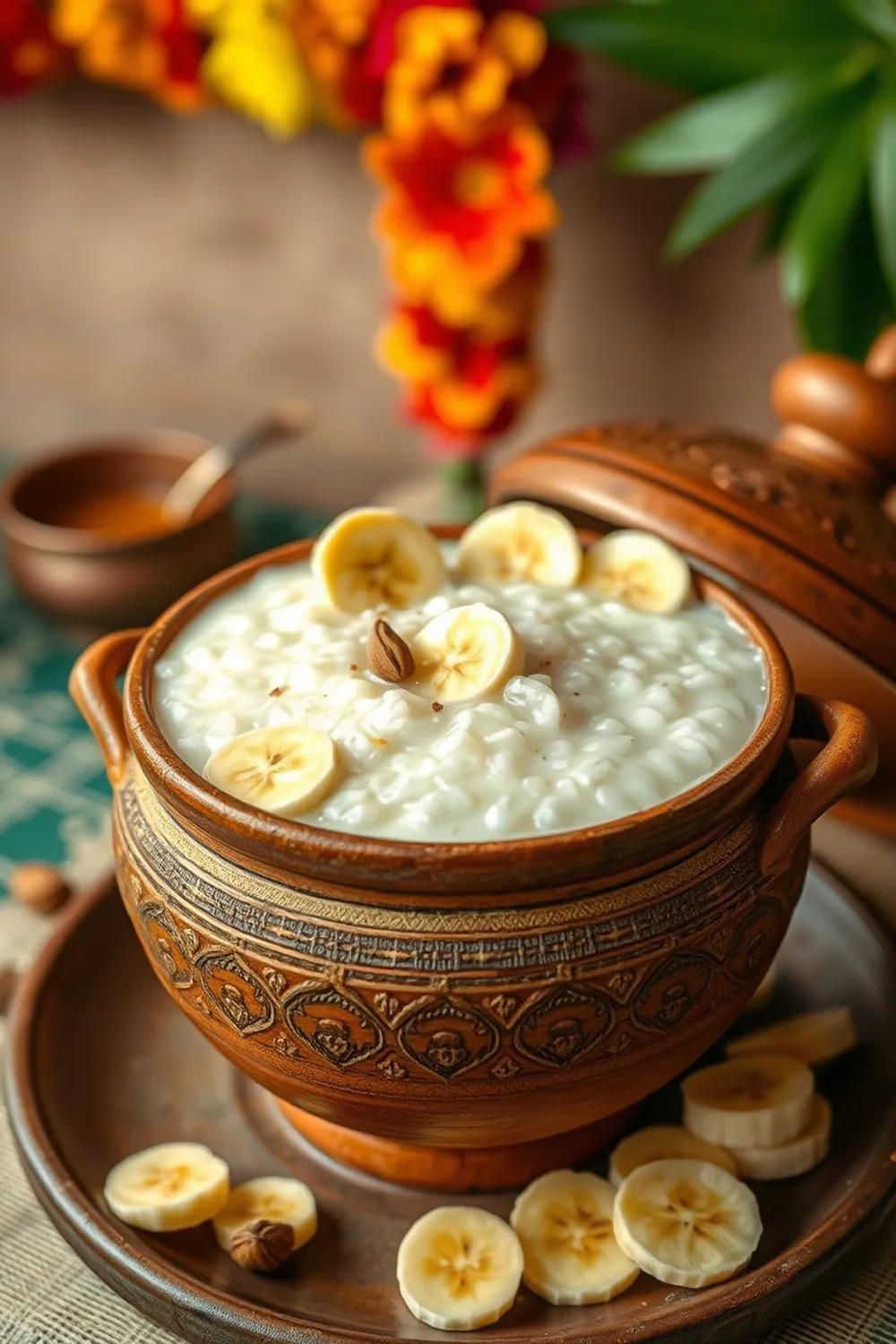
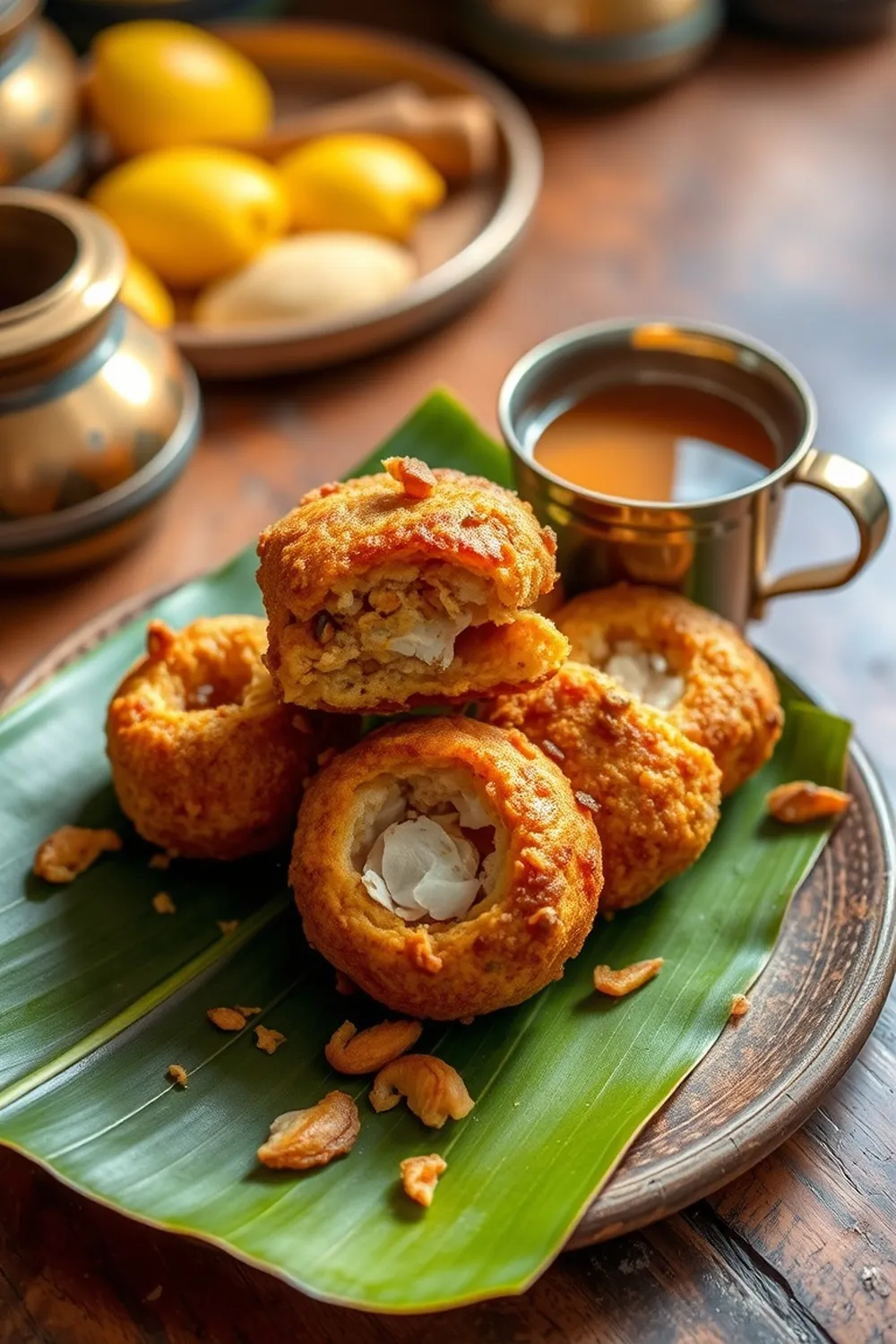
Hey everyone! Today, I’m so excited to share a recipe that’s incredibly close to my heart – Puli Pitha. These little steamed cakes are a traditional Odia delicacy, and honestly, the aroma alone transports me right back to my grandmother’s kitchen. It’s a bit of work, but trust me, the sweet, fragrant reward is so worth it. Let’s get started!
Servings: 8
Cooking Time: 20 minutes
Preparation Time: 10 minutes
Difficulty: Medium
Why You’ll Love This Recipe
Puli Pitha isn’t just a sweet treat; it’s a little piece of culture. The combination of the earthy rice flour, the rich jaggery, and the subtle spice of cardamom, all wrapped in fragrant banana leaves, is just magical. It’s perfect for festivals, special occasions, or just when you need a little comfort. Plus, the steaming process keeps them wonderfully moist and fluffy!
Ingredients
Here’s what you’ll need to make these delightful Puli Pitha:
- 2 cup rice flour
- 1.5 cup jaggery
- 2.25 cup water
- 1 cup grated coconut
- 2 teaspoon cardamom powder
- 1 small banana (ripe, but firm)
- Banana leaves (enough for 8-10 parcels)
- 4-5 cinnamon sticks
Ingredient Notes
Let’s talk ingredients – a few little things can make a big difference!
Rice Flour: Type and Roasting Importance
I recommend using a good quality, finely ground rice flour. You can find this at most Indian grocery stores. Roasting the flour lightly is key – it removes any raw flour taste and gives the Pitha a lovely, slightly nutty flavor. Just a few minutes in a dry pan over medium heat is all it takes.
Jaggery: Regional Variations & Quality
Jaggery is unrefined cane sugar, and it comes in different forms depending on where you are in India. I prefer using a darker, more flavorful jaggery, but any good quality jaggery will work. If you can find it, Nolen Gur (date palm jaggery) is amazing in this recipe, but it’s not essential.
Grated Coconut: Fresh vs. Dried
Freshly grated coconut is always best, if you can get it! It adds a wonderful freshness. However, unsweetened desiccated coconut works perfectly well in a pinch. About 1 cup of desiccated coconut is a good substitute.
Cardamom Powder: Freshly Ground vs. Store-Bought
Freshly ground cardamom is always more fragrant, but good quality store-bought cardamom powder is perfectly fine. Just make sure it smells potent!
Banana Leaves: Selection and Preparation
Choosing good banana leaves is important. Look for leaves that are flexible and don’t have too many tears. You’ll want to wipe them clean with a damp cloth and briefly warm them over a flame (or quickly pass them over a gas stove) to make them more pliable. This prevents them from cracking when you roll them.
Cinnamon Sticks: Impact on Aroma
Don’t skip the cinnamon sticks in the steamer! They infuse the Pitha with a beautiful aroma that really elevates the whole experience.
Step-By-Step Instructions
Alright, let’s get cooking!
- First, let’s prep the rice flour. Soak the rice for about an hour, then drain it well and let it dry completely. Once dry, grind it into a coarse flour and lightly roast it in a pan until fragrant. Set aside to cool.
- Next, melt the jaggery with 1 cup of water in a saucepan. Bring it to a boil, and carefully skim off any impurities that rise to the surface. Strain the jaggery water and keep it warm.
- In a large bowl, combine the roasted rice flour, grated coconut, cardamom powder, and mashed banana. Mix well.
- Now, gradually add the warm, strained jaggery water to the dry ingredients, mixing continuously. You want to form a thick, slightly sticky dough. Let the dough cool down a bit – it’s easier to work with when it’s not piping hot.
- Cut the banana leaves into rectangles, about 6×8 inches. Briefly warm each leaf over a flame to make it soft and pliable.
- Place a portion of the dough (about 2-3 tablespoons) onto each banana leaf rectangle.
- Roll the leaves into a cone-shaped parcel, securing the edges with toothpicks or small stems from the banana leaf.
- Place 4-5 cinnamon sticks in the bottom of your steamer. Add enough water to the steamer so it doesn’t dry out during cooking.
- Arrange the Pitha parcels in the steamer, making sure they aren’t overcrowded. Steam for about 20 minutes, or until the parcels are firm to the touch.
- Serve warm, and enjoy the incredible aroma of the banana leaves!
Expert Tips
- Don’t overmix the dough – just combine the ingredients until everything is incorporated.
- If the dough is too dry, add a little more jaggery water, a teaspoon at a time.
- If the dough is too sticky, add a little more rice flour.
- Make sure the banana leaves are well-sealed to prevent water from seeping in during steaming.
Variations
- Vegan Puli Pitha Adaptation: Substitute the banana with 1 tablespoon of applesauce or mashed sweet potato.
- Gluten-Free Confirmation: This recipe is naturally gluten-free, as it uses rice flour!
- Spice Level Adjustment (Cardamom): If you prefer a stronger cardamom flavor, feel free to add a little more.
- Festival Adaptations (Specific Odia Festivals): Puli Pitha is traditionally made during festivals like Makar Sankranti and Durga Puja. My family always makes a larger batch for these occasions!
Serving Suggestions
Puli Pitha is delicious on its own, but it’s also lovely with a cup of warm chai. It’s a perfect afternoon snack or a sweet treat after dinner.
Storage Instructions
Leftover Puli Pitha can be stored in an airtight container in the refrigerator for up to 3 days. To reheat, steam them again for a few minutes, or microwave them briefly. Steaming is definitely the preferred method to retain the moisture and flavor.
FAQs
What is Puli Pitha and where does it originate?
Puli Pitha is a traditional steamed cake from Odisha, India. “Puli” means sour or fermented, though this recipe doesn’t involve fermentation, and “Pitha” means cake. It’s a beloved sweet treat, especially during festivals.
Can I use store-bought rice flour for this recipe?
Yes, absolutely! Just make sure it’s a good quality, finely ground rice flour.
What can I substitute for jaggery if I can’t find it?
You can use dark brown sugar as a substitute for jaggery, though the flavor won’t be exactly the same. You could also use a combination of brown sugar and molasses.
How do I know if the banana leaves are pliable enough to roll?
They should bend easily without cracking. Warming them over a flame helps to soften them up.
How long can Puli Pitha be stored, and what’s the best way to reheat it?
They can be stored in the refrigerator for up to 3 days. Steaming is the best way to reheat them.
Is it possible to make smaller or larger Puli Pitha?
Yes, you can adjust the portion size of the dough to make smaller or larger Pitha. Just adjust the steaming time accordingly.
What is the significance of steaming in banana leaves?
Steaming in banana leaves imparts a unique aroma and flavor to the Pitha. The leaves also help to keep the cakes moist and prevent them from drying out. It’s a traditional method that adds a special touch to the recipe!



Neha Deshmukh
Neha holds a B.A. in History with a focus on Indian and world history, including ancient, medieval, and modern periods. At RecipesOfIndia.org — the world’s largest database of Indian recipes — she combines her love for food and history by exploring how India’s past has shaped its culinary traditions.