- Combine chapatti flour, salt, and oil in a bowl. Mix until the oil is fully incorporated.
- Gradually add warm water and knead to form a firm, smooth dough. Knead for 5-7 minutes.
- Lightly coat the dough with oil, cover, and let it rest for at least 30 minutes.
- Knead the rested dough briefly. Divide into 12-15 equal-sized balls.
- Heat oil for deep frying in a deep pan or wok over medium-high heat.
- Roll each ball into a smooth, even circle, approximately 4-5 inches in diameter (slightly thicker than a roti).
- Gently slide a puri into the hot oil. Using a slotted spoon or ladle, gently press the center of the puri to encourage puffing.
- Fry for 30-60 seconds per side, or until golden brown and puffed up. Drain on paper towels.
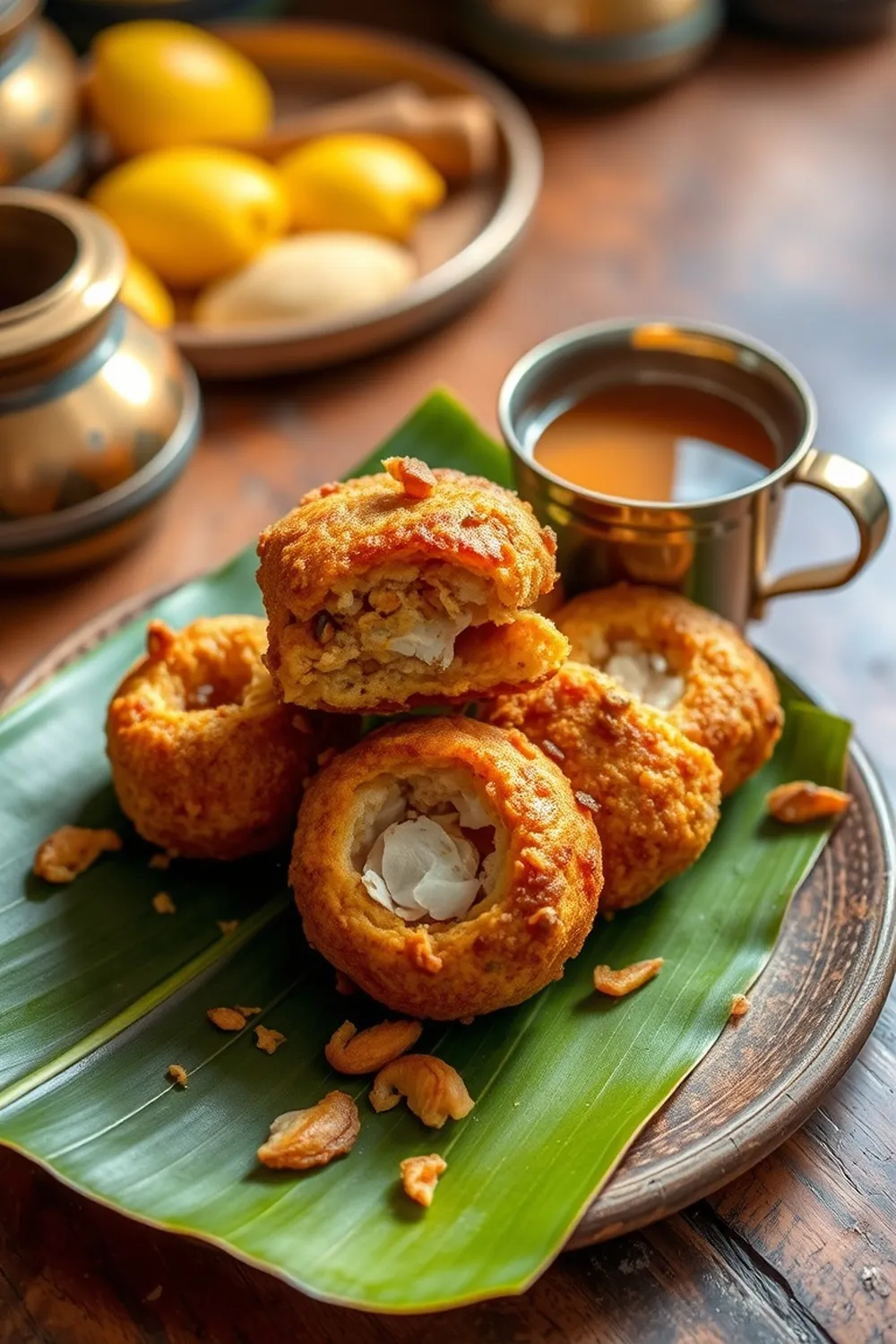
- Serve immediately with chole, aloo sabzi, or halwa.
- Calories:180 kcal25%
- Energy:753 kJ22%
- Protein:3 g28%
- Carbohydrates:24 mg40%
- Sugar:mg8%
- Salt:150 g25%
- Fat:8 g20%
Last Updated on 6 months ago by Neha Deshmukh
Authentic Puri Recipe – Fluffy Indian Fried Bread
Hey everyone! If you’ve ever craved that light, airy, and utterly delicious Indian fried bread – puri – you’re in the right place. I remember the first time I tried making puri; it was a bit of a disaster! But trust me, with a little practice and these tips, you’ll be whipping up perfect, puffed-up puris in no time. They’re a staple in our home, especially for festive breakfasts or a special treat with a comforting sabzi. Let’s get started!
Why You’ll Love This Recipe
This puri recipe is all about achieving that perfect balance – a crispy exterior and a soft, fluffy interior. It’s surprisingly simple, even if it seems a little daunting at first. Plus, the aroma of freshly fried puri filling your kitchen is just heavenly. It’s a guaranteed crowd-pleaser and a little taste of India you can easily make at home.
Ingredients
Here’s what you’ll need to make these delightful puris:
- 1.5 cup Chapatti Flour (approx. 195g)
- 0.25 tsp Salt (approx. 1.5g)
- 1 tbsp Oil (approx. 15ml)
- 0.5 cup Warm Water (approx. 120ml)
Ingredient Notes
Let’s talk flour! Traditionally, atta (whole wheat flour) is used for making puri, giving it a lovely rustic flavour. However, you can also use a mix of atta and sooji (semolina) for extra crispness – my grandmother always added a tablespoon or two of sooji! Some people even use a little maida (all-purpose flour) for a softer texture, but I prefer sticking to mostly atta.
Now, about the oil. In North India, many families swear by mustard oil for its distinct flavour when frying puri. It does give a slightly pungent aroma, which some love! If you prefer a milder taste, vegetable oil works perfectly well. Just make sure it has a high smoke point.
Step-By-Step Instructions
Alright, let’s get cooking!
- First, in a nice big bowl, combine the chapatti flour and salt. Add the oil and start mixing it in with your fingertips. You want to rub the oil into the flour until it resembles breadcrumbs – this is key for flaky puris.
- Now, gradually add the warm water, a little at a time, and start bringing the dough together. Knead it for 2-3 minutes until it forms a firm, smooth dough. Don’t add too much water at once, you can always add more if needed!
- Once you have a dough, lightly coat it with a few drops of oil. This prevents it from drying out. Cover the bowl with a damp cloth or plastic wrap and let it rest for at least 30 minutes. This resting period is crucial – it allows the gluten to relax, resulting in softer puris.
- After the rest, give the dough a quick knead again, just for a minute or so. Divide it into 12-15 equal-sized balls, about the size of a table tennis ball.
- Heat oil for frying in a deep pan or kadhai over medium heat. The oil should be hot enough to fry, but not smoking.
- Now, take one ball and gently roll it out into a smooth circle, about 4-5 inches in diameter. It should be slightly thicker than a chapati.
- Carefully slide the rolled puri into the hot oil. Gently press down on it with a slotted ladle – this encourages it to puff up!
- Fry for about a minute on each side, until golden brown and puffed up.
- Remove the puri from the oil and drain it on paper towels to remove any excess oil.
- Repeat with the remaining dough balls. Serve immediately!
Expert Tips
Want to take your puri game to the next level? Here are a few tips I’ve learned over the years:
- The Puff is the Goal: The key to a good puri is getting it to puff up. Pressing gently with the ladle helps, but the right oil temperature and rested dough are even more important.
- Oil Temperature Control: If the oil is too cold, the puri will absorb too much oil. If it’s too hot, it will burn quickly. Medium heat is your friend! A good test is to drop a tiny piece of dough into the oil – it should sizzle and rise to the surface.
- Dough Consistency: The dough should be firm but pliable. If it’s too soft, the puris will be oily. If it’s too hard, they’ll be tough.
Variations
Puri is a blank canvas for flavour! Here are a few ways to spice things up:
- Vegan Puri: Simply use a plant-based oil like sunflower or canola oil.
- Gluten-Free Puri: Experiment with gluten-free flour blends, like a mix of rice flour, potato starch, and tapioca starch. It might take a little tweaking to get the consistency right.
- Spice Level: Add a pinch of turmeric powder, red chilli powder, or cumin powder to the dough for a subtle flavour boost. My friend’s mom always adds a tiny bit of asafoetida (hing) to the dough – it adds a lovely aroma!
- Festival Adaptations: During Holi, we often make smaller, bite-sized puris. For Diwali or Pooja, I sometimes add a little bit of edible silver leaf (varak) for a festive touch.
Serving Suggestions
Puri is best enjoyed fresh and hot! Traditionally, it’s served with:
- Chole: A classic combination! Spicy chickpea curry.
- Aloo Sabzi: A dry potato curry.
- Halwa: A sweet semolina pudding.
- Regional Variations: In some parts of India, puri is served with bhaji (a vegetable curry) or even a simple yogurt dip.
Storage Instructions
Honestly, puri is best eaten immediately. However, if you have leftovers, you can store them in an airtight container at room temperature for a day or two. They will lose some of their crispness, but you can reheat them briefly in a tawa or oven to restore some of the texture.
FAQs
Let’s tackle some common questions:
1. What type of flour is best for making puri?
Atta (whole wheat flour) is the most traditional choice, but you can experiment with a mix of atta and sooji for extra crispness.
2. Why are my puris not puffing up?
This could be due to several reasons: the oil isn’t hot enough, the dough hasn’t rested long enough, or you’re not pressing down gently with the ladle.
3. Can I make the dough ahead of time? How long will it keep?
Yes, you can make the dough ahead of time. It will keep in the refrigerator for up to 24 hours. Just bring it back to room temperature before rolling.
4. What is the ideal oil temperature for frying puri?
Medium heat is best. The oil should be hot enough to sizzle when you drop a tiny piece of dough in, but not smoking.
5. Can I use ghee instead of oil? What adjustments should I make?
Yes, you can use ghee! It will give the puris a richer flavour. However, ghee has a lower smoke point than oil, so you’ll need to fry them at a slightly lower temperature.
6. How do I prevent puris from absorbing too much oil?
Make sure the oil is hot enough, don’t overcrowd the pan, and drain the puris on paper towels immediately after frying.
Enjoy making these fluffy, golden puris! I hope this recipe brings a little bit of Indian sunshine to your kitchen. Let me know how they turn out in the comments below!



Neha Deshmukh
Neha holds a B.A. in History with a focus on Indian and world history, including ancient, medieval, and modern periods. At RecipesOfIndia.org — the world’s largest database of Indian recipes — she combines her love for food and history by exploring how India’s past has shaped its culinary traditions.