- Soak the Bhagar (Samo Rice) in 1 cup of water for at least 15 minutes.
- Roast peanuts, cool, remove skins, and coarsely grind them into a powder.
- Finely chop green chilies and coriander leaves.
- Drain soaked Bhagar after 15 minutes; the grains will appear slightly puffed.
- Heat 1 tsp ghee in a kadhai. Add cumin seeds and sauté until aromatic.
- Add chopped green chilies and sauté for 30 seconds.
- Add drained Bhagar and sauté on low flame until moisture evaporates.
- Pour 2 cups of boiling water into the kadhai. Add salt, sugar, and peanut powder. Mix well.
- Cover and cook for 5-7 minutes until the Bhagar reaches a soft, khichdi-like consistency.
- Turn off heat. Add remaining 1 tsp ghee and coriander leaves. Mix gently.
- Serve hot with curd or fasting-friendly chutney.
- Calories:350 kcal25%
- Energy:1464 kJ22%
- Protein:8 g28%
- Carbohydrates:50 mg40%
- Sugar:3 mg8%
- Salt:300 g25%
- Fat:15 g20%
Last Updated on 6 months ago by Neha Deshmukh
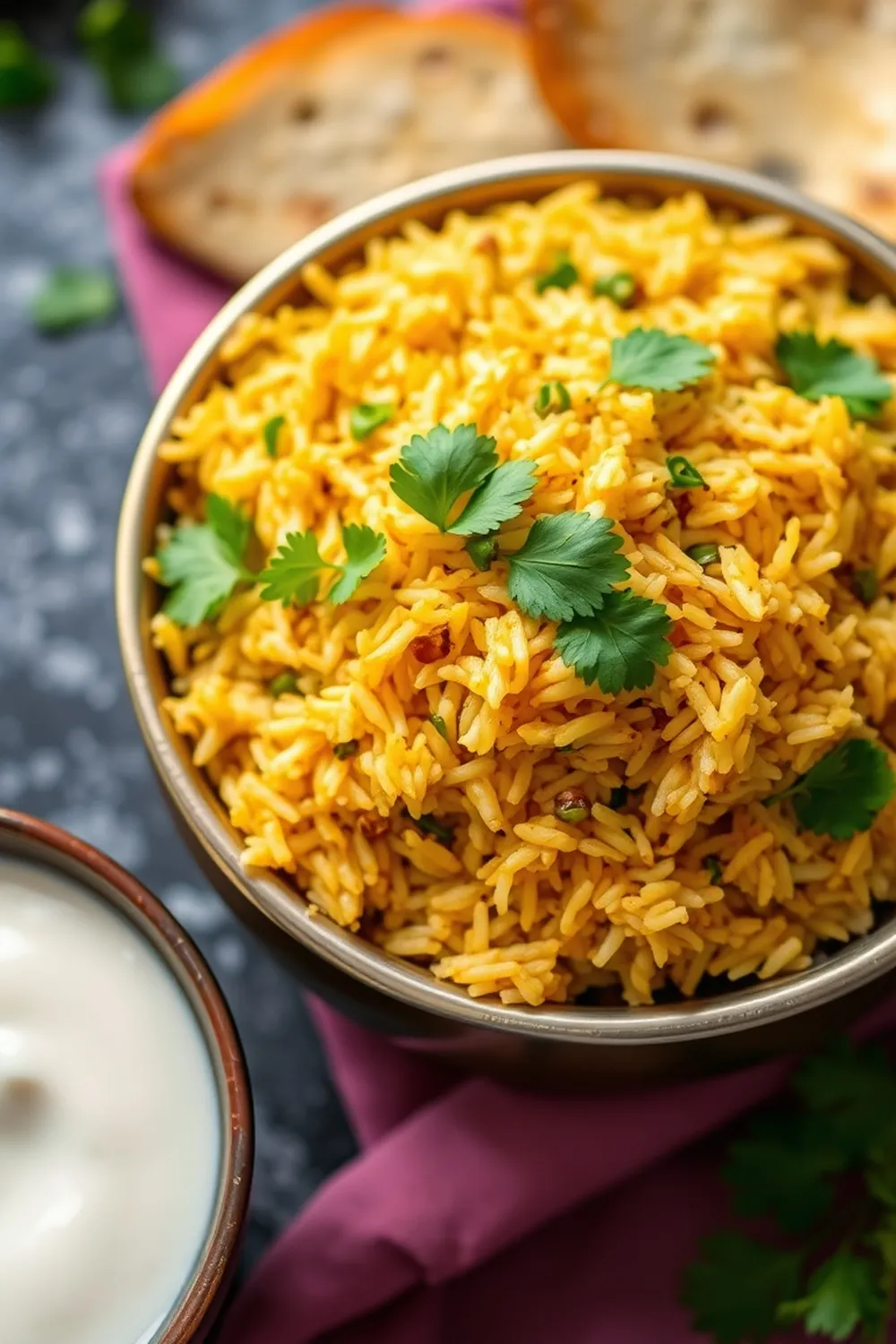
Authentic Samo Rice Recipe – Quick Bhagar Khichdi with Peanuts
Introduction
There’s something so comforting about a warm bowl of khichdi, isn’t there? It’s the ultimate feel-good food! This particular recipe holds a special place in my heart. I first made this Samo Rice Khichdi when I was looking for a quick and nourishing meal during a fasting period, and it’s been a staple ever since. It’s incredibly easy to make, packed with flavour, and perfect for when you want something light yet satisfying. Let’s dive in!
Why You’ll Love This Recipe
This Bhagar Khichdi (also known as Samo Rice Khichdi) is a winner for so many reasons. It’s ready in under 30 minutes, making it ideal for busy weeknights. It’s naturally gluten-free and can easily be made vegan. Plus, the combination of the slightly nutty Samo rice with the crunchy peanuts and aromatic spices is just divine. It’s a complete meal in itself, offering a good balance of carbs, protein, and healthy fats.
Ingredients
Here’s what you’ll need to make this delicious khichdi:
- 1 cup Varicha Bhat (Samo Rice)
- 2 cups hot water
- ¼ cup roasted peanuts, peeled and coarsely ground (about 30g)
- 2 tsp ghee (about 14g)
- ½ tsp cumin seeds (about 2g)
- ¼ tsp sugar (about 1g)
- 1 no. green chilli, finely chopped
- To taste rock salt (Sendha Namak)
- For garnish: fresh coriander leaves, finely chopped
Ingredient Notes
Let’s talk about these ingredients a little more, shall we? Knowing what each one brings to the table can really elevate your cooking!
Varicha Bhat (Samo Rice) – Understanding this fasting grain
Varicha Bhat, also known as Samo Rice or Barnyard Millet, is a popular grain consumed during fasting periods in India. It’s light, easy to digest, and a great source of carbohydrates. It’s naturally gluten-free, making it a fantastic option for those with gluten sensitivities.
Roasted Peanuts – The source of protein and flavour
Peanuts add a lovely nutty flavour and a good dose of protein to this khichdi. Roasting them beforehand intensifies their flavour. Don’t skip grinding them – it creates a beautiful texture in the final dish!
Ghee – Traditional fat for flavour and aroma
Ghee (clarified butter) is a traditional fat used in Indian cooking. It adds a rich, aromatic flavour that’s simply unmatched. You can substitute with oil if you prefer, but ghee really takes this khichdi to the next level.
Sendha Namak (Rock Salt) – The preferred salt for fasting
During fasting, regular table salt is often avoided. Sendha Namak, or rock salt, is the preferred choice. It has a slightly different flavour profile than table salt, and is believed to have cooling properties.
Cumin Seeds – Aromatic base for tempering
Cumin seeds are a staple in Indian cuisine. They add a warm, earthy flavour and a lovely aroma when tempered in ghee.
Green Chillies – Adjusting the spice level
Green chillies add a touch of heat. Feel free to adjust the quantity according to your spice preference. You can even remove the seeds for a milder flavour.
Step-By-Step Instructions
Alright, let’s get cooking!
- First, soak the Bhagar (Samo Rice) in 1 cup of water for at least 15 minutes. This helps soften the grains and reduces cooking time.
- While the rice is soaking, roast peanuts, cool, remove skins, and coarsely grind them into a powder.
- Finely chop your green chillies and coriander leaves – get everything prepped and ready to go!
- Drain the soaked Bhagar after 15 minutes. You’ll notice the grains have puffed up slightly.
- Heat 1 tsp of ghee in a kadhai (or a deep pan). Add the cumin seeds and sauté until they become fragrant – this usually takes about 30 seconds.
- Add the chopped green chillies and sauté for another 30 seconds.
- Now, add the drained Bhagar and sauté on low flame until any excess moisture evaporates. This step is important for preventing a sticky khichdi.
- Pour in 2 cups of boiling water. Add the salt, sugar, and peanut powder. Give everything a good mix.
- Cover the kadhai and cook for 5-7 minutes, or until the Bhagar reaches a soft, khichdi-like consistency.
- Turn off the heat. Stir in the remaining 1 tsp of ghee and the chopped coriander leaves. Mix gently.
- Serve hot with curd or a fasting-friendly chutney.
Expert Tips
- Don’t overcook the Bhagar! You want it to be soft but still retain a slight bite.
- Using boiling water speeds up the cooking process.
- Adjust the amount of water if you prefer a thicker or thinner consistency.
Variations
- Vegan Adaptation: Simply substitute the ghee with any vegetable oil.
- Gluten-Free Confirmation: This recipe is naturally gluten-free, as long as you ensure your spices are also gluten-free.
- Spice Level Adjustment: Add more or fewer green chillies, or a pinch of red chilli powder, to adjust the spice level.
- Fasting Variations – Navratri & Ekadashi Friendly: This recipe is perfect for Navratri and Ekadashi fasts as it uses fasting-friendly ingredients.
Serving Suggestions
This khichdi is delicious on its own, but it’s even better with a side of:
- Cool, creamy curd (yogurt)
- Fasting-friendly chutney (like peanut or mint chutney)
- A simple salad
Storage Instructions
Leftover khichdi can be stored in an airtight container in the refrigerator for up to 2 days. Reheat gently on the stovetop or in the microwave. You might need to add a splash of water to loosen it up.
FAQs
What is Bhagar/Samo Rice and is it gluten-free?
Bhagar, also known as Samo Rice or Barnyard Millet, is a nutritious grain commonly used in Indian fasting cuisine. Yes, it’s naturally gluten-free!
Can I use pre-ground peanut powder?
Yes, you can! Just make sure it’s finely ground. However, freshly ground peanuts have a more intense flavour.
What is Sendha Namak and where can I find it?
Sendha Namak is rock salt, traditionally used during fasting. You can find it at most Indian grocery stores or online.
Can I make this recipe in an Instant Pot?
Absolutely! Sauté the cumin seeds and chillies in the Instant Pot, then add the remaining ingredients. Cook on high pressure for 2-3 minutes, followed by a natural pressure release.
How can I adjust the consistency of the Khichdi?
For a thicker khichdi, use less water. For a thinner khichdi, add more water.
Is this recipe suitable for those with nut allergies?
Unfortunately, no. This recipe contains peanuts. You could potentially substitute with sunflower seeds, but it will alter the flavour.
What other vegetables can I add to this Khichdi?
You can add finely chopped vegetables like potatoes, carrots, or peas for extra nutrition and flavour. Add them along with the Bhagar and sauté for a few minutes before adding the water.


Neha Deshmukh
Neha holds a B.A. in History with a focus on Indian and world history, including ancient, medieval, and modern periods. At RecipesOfIndia.org — the world’s largest database of Indian recipes — she combines her love for food and history by exploring how India’s past has shaped its culinary traditions.