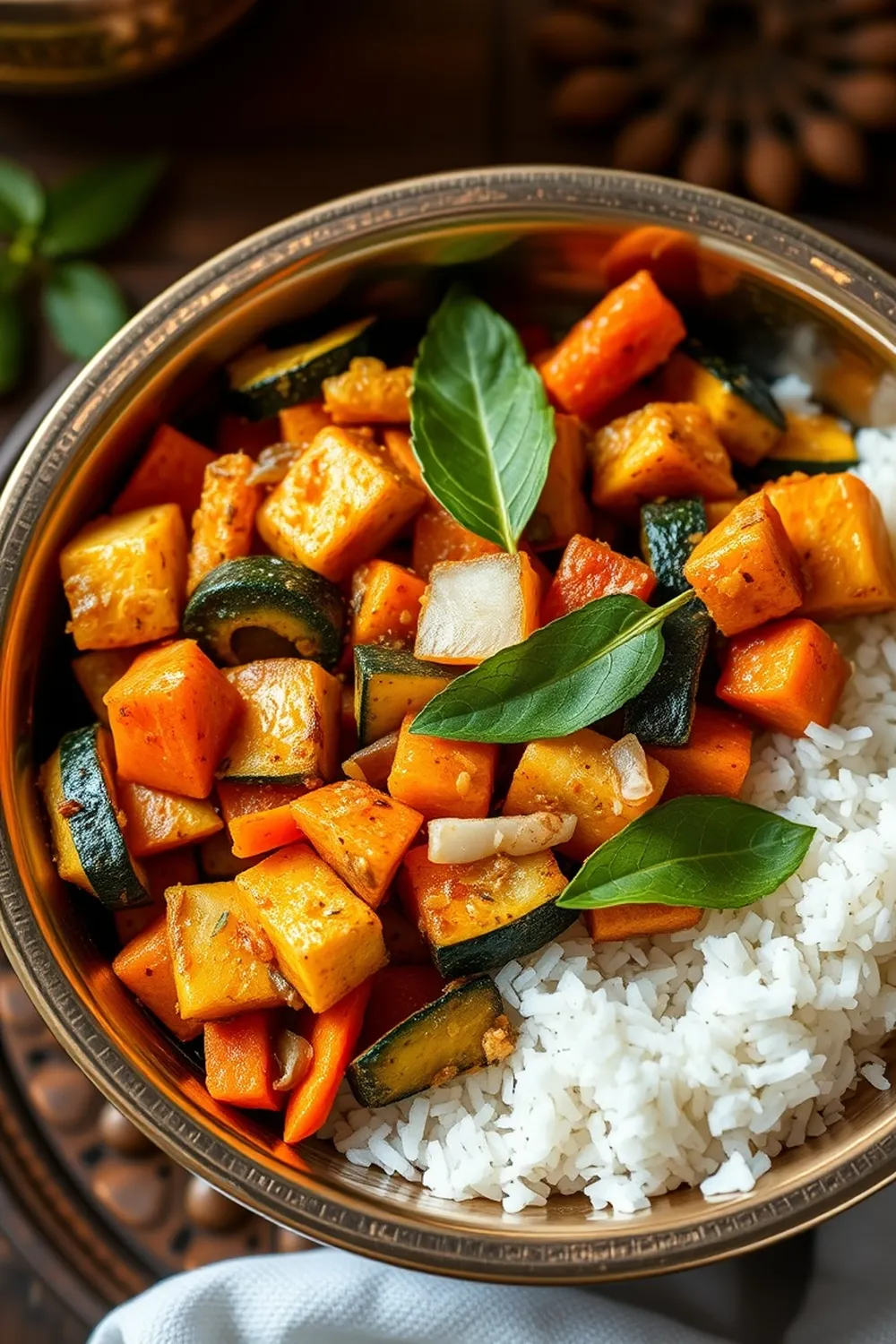
- Heat 1 tsp oil in a pan. Add urad dal, channa dal, toor dal, red chilies, black pepper, and asafoetida. Sauté until dals turn golden.
- Add mixed greens (mint, coriander, and curry leaves) and sauté until wilted. Remove from heat.
- Mix in grated coconut using residual pan heat. Let mixture cool completely.
- Grind cooled mixture with tamarind and salt, adding minimal water for a coarse texture.
- Serve with steamed rice and ghee or sesame oil, or as a side for chapati or dosa.
- Calories:180 kcal25%
- Energy:753 kJ22%
- Protein:5 g28%
- Carbohydrates:15 mg40%
- Sugar:2 mg8%
- Salt:300 g25%
- Fat:12 g20%
Last Updated on 5 months ago by Neha Deshmukh
Authentic South Indian Greens & Dal Recipe – A Flavorful Relish
Hey everyone! Today, I’m sharing a recipe that’s incredibly close to my heart – a vibrant, flavorful South Indian greens and dal relish. It’s something my grandmother used to make, and the aroma always filled the house with such warmth. It’s a simple dish, but bursting with taste and perfect with a comforting plate of rice. Let’s get cooking!
Why You’ll Love This Recipe
This isn’t just a chutney; it’s a little explosion of South Indian flavors. It’s quick to make (seriously, under 20 minutes!), packed with nutrients, and incredibly versatile. Whether you’re looking for a side for your everyday meals or something special for a festive occasion, this relish delivers. Plus, it’s naturally gluten-free and easily adaptable to be vegan!
Ingredients
Here’s what you’ll need to whip up this deliciousness:
- 2 tbsp urad dal (split black lentils)
- 1 tbsp channa dal (split chickpeas)
- 1 tbsp toor dal (split pigeon peas)
- 2-3 red chillies (adjust to your spice preference!)
- 1/4 tsp whole black pepper
- 1 pinch asafoetida (hing)
- 1 small tamarind ball (about 10-15g)
- 1 cup tightly packed mixed greens (about 75g) – mint, coriander, and curry leaves are classic!
- 1 tbsp grated coconut (about 10g)
- Salt to taste
- 1 tsp oil
Ingredient Notes
Let’s talk about some of these ingredients – they really make the dish!
Urad Dal & Other Dals: Significance & Variations
These dals aren’t just about adding protein. They contribute a lovely nutty flavor and texture. You can experiment with the ratios a bit – some families prefer more channa dal for a slightly coarser texture.
Mixed Greens: Regional Choices & Nutritional Benefits
The mix of greens is where you can really personalize this recipe. Traditionally, it’s a blend of mint, coriander, and curry leaves. But feel free to add a little spinach or even some fenugreek leaves for extra flavor and a boost of vitamins!
Asafoetida (Hing): A Key Flavor Component
Don’t skip the asafoetida! It adds a unique savory depth that’s essential to South Indian cooking. It has a pungent smell in its raw form, but transforms beautifully when cooked. If you’re sensitive to the smell, a tiny pinch is all you need.
Tamarind: Balancing Tartness & Texture
Tamarind provides that lovely tangy counterpoint to the richness of the dals and coconut. The amount you use will depend on how tart you like things – start with a small ball and adjust to your taste.
Coconut: Fresh vs. Dried – Which to Use?
Freshly grated coconut is always best, if you can get it. But unsweetened desiccated coconut works perfectly well in a pinch. I often use desiccated when fresh isn’t available, and it still tastes amazing.
Step-By-Step Instructions
Alright, let’s get down to making this relish!
- Heat 1 tsp oil in a pan over medium heat. Add the urad dal, channa dal, toor dal, red chillies, black pepper, and asafoetida. Sauté until the dals turn a beautiful golden brown – this usually takes about 3-5 minutes. Keep stirring so they don’t burn!
- Add the mixed greens and sauté until they wilt down. This will only take a minute or two. You’ll start to smell that amazing aroma filling your kitchen!
- Remove the pan from the heat and mix in the grated coconut using the residual heat. This prevents the coconut from browning.
- Let the mixture cool completely. Once cooled, transfer it to a grinder or blender. Add the tamarind and salt.
- Grind everything together, adding minimal water (just a tablespoon or two at a time) to achieve a coarse texture. You don’t want a smooth paste – a little bit of texture is key!
Expert Tips
Here are a few things I’ve learned over the years to make this recipe even better:
Achieving the Right Coarseness
The texture is important! Add water sparingly while grinding. Pulse the grinder instead of running it continuously for better control.
Controlling the Spice Level
Adjust the number of red chillies to suit your preference. You can also remove the seeds from the chillies for a milder heat.
Working with Tamarind
Soak the tamarind ball in warm water for about 10 minutes before adding it to the grinder if it’s very hard. This will make it easier to blend.
Tempering Techniques for Enhanced Flavor
For an extra layer of flavor, you can temper a little mustard seeds and curry leaves in oil and pour it over the chutney after grinding.
Variations
This recipe is a great base for experimentation!
- Vegan Adaptation: This recipe is already naturally vegan! Just ensure your oil doesn’t contain any animal products.
- Gluten-Free Confirmation: Absolutely gluten-free!
- Spice Level Adjustments: For mild, use just one red chilli and remove the seeds. For hot, add 4-5 red chillies.
- Festival Adaptations: During Pongal or Onam, I sometimes add a pinch of turmeric for a beautiful golden color and extra festive touch.
Serving Suggestions
This relish is incredibly versatile!
- Serve it with steamed rice and a dollop of ghee or sesame oil. It’s a classic combination!
- It’s also fantastic as a side for chapati, dosa, or idli.
- My kids love it with a simple yogurt rice.
Storage Instructions
Leftover chutney can be stored in an airtight container in the refrigerator for up to 3-4 days.
FAQs
Let’s answer some common questions:
What is the origin of this South Indian relish?
This type of relish is common throughout South India, with regional variations in the greens and dals used. It’s a staple in many households and has been passed down through generations.
Can I make this chutney ahead of time?
Yes, you can! It actually tastes even better after the flavors have had a chance to meld together.
What is the best way to store leftover chutney?
Store it in an airtight container in the refrigerator. Adding a tiny drop of oil on top can help prevent it from drying out.
What rice varieties pair best with this chutney?
Short-grain rice varieties like Sona Masoori or Jeera Rice are perfect.
Can I use frozen greens instead of fresh?
While fresh is best, frozen greens can work in a pinch. Just make sure to thaw them completely and squeeze out any excess water before using.
How can I adjust the tamarind quantity for desired tartness?
Start with a small amount of tamarind and add more to taste. Remember, you can always add more, but you can’t take it away!
Is asafoetida essential for this recipe? What can I substitute if I don’t have it?
Asafoetida adds a unique flavor, but if you don’t have it, you can omit it. A tiny pinch of garlic powder can offer a similar savory note, but it won’t be quite the same.
Enjoy! I hope you love this recipe as much as my family does. Let me know how it turns out in the comments below!



Neha Deshmukh
Neha holds a B.A. in History with a focus on Indian and world history, including ancient, medieval, and modern periods. At RecipesOfIndia.org — the world’s largest database of Indian recipes — she combines her love for food and history by exploring how India’s past has shaped its culinary traditions.