- Soak tamarind in warm water for 30 minutes. Squeeze to extract the pulp, discarding the solids, and set the juice aside.
- In a bowl, combine onions, green chilies, salt, tamarind juice, cumin powder, and coriander powder. Adjust the consistency with water if needed.
- Heat oil in a pan. Add cumin seeds, mustard seeds, dried red chilies, curry leaves, and turmeric. Once the spices splutter, pour this tempering over the rasam mixture.
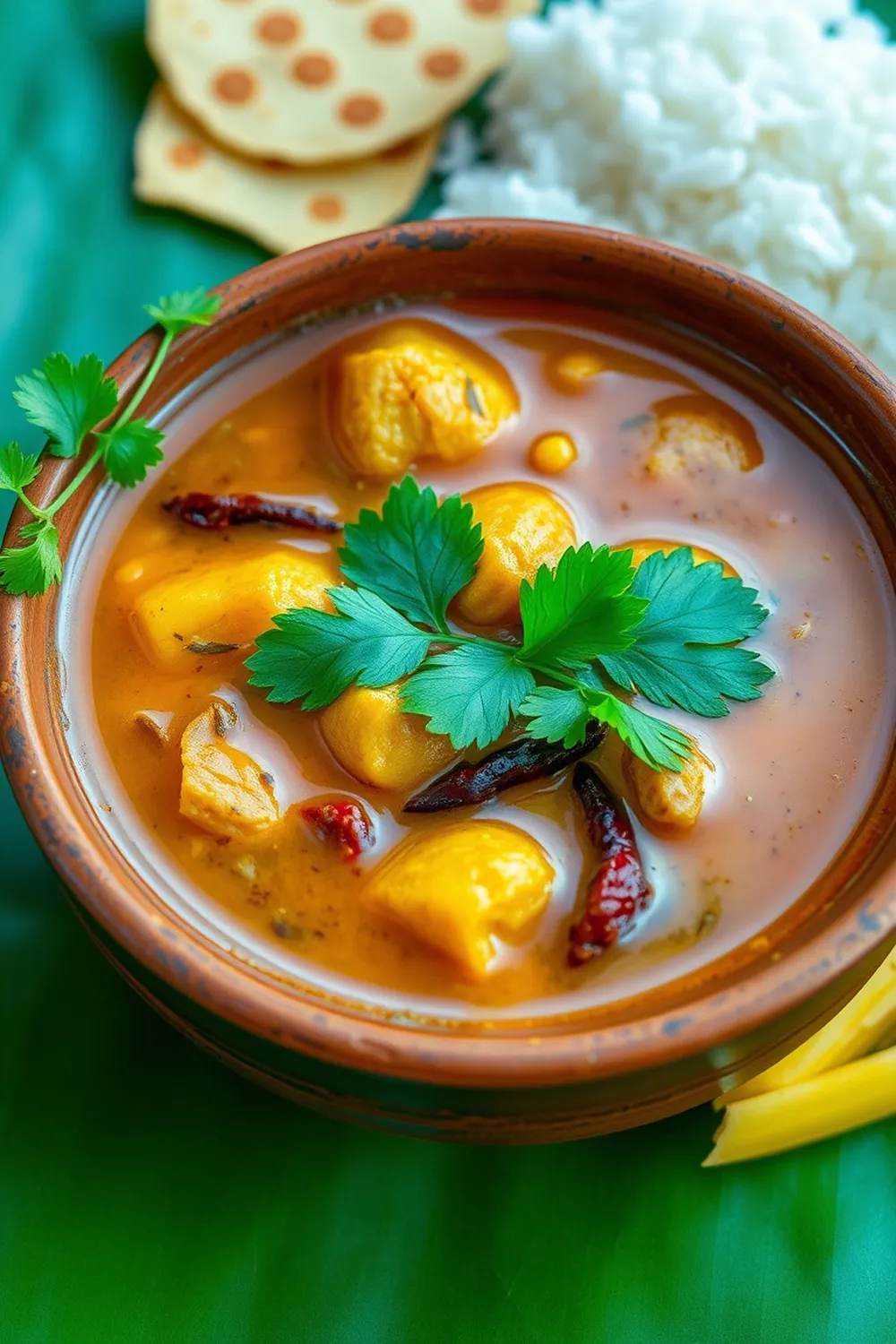
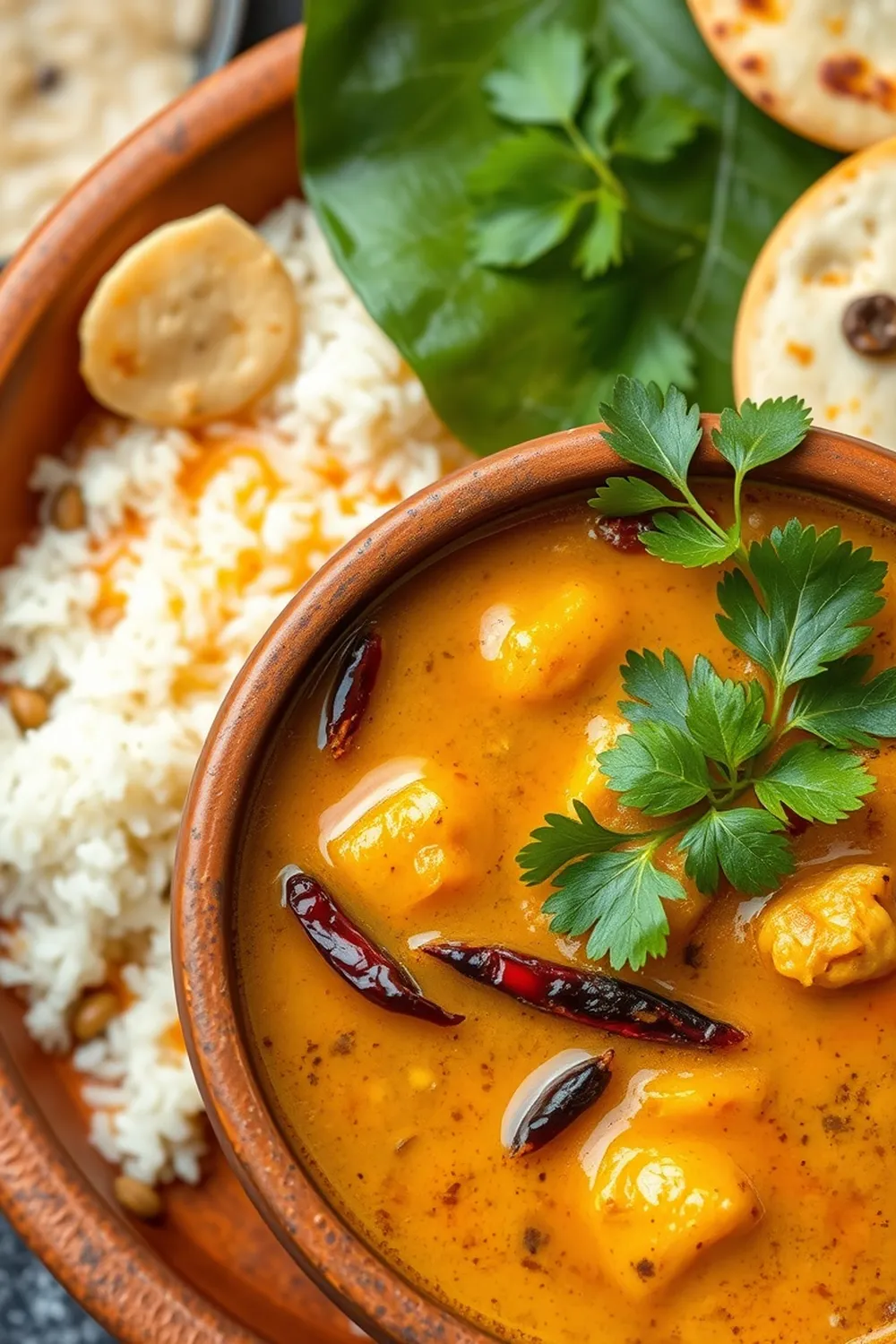
- Garnish with fresh coriander leaves and serve hot with steamed rice.
- Calories:150 kcal25%
- Energy:627 kJ22%
- Protein:3 g28%
- Carbohydrates:20 mg40%
- Sugar:5 mg8%
- Salt:600 g25%
- Fat:5 g20%
Last Updated on 6 months ago by Neha Deshmukh
Authentic Tamarind Rasam Recipe – South Indian Comfort Food
Hey everyone! If you’re craving a warm, comforting bowl of goodness, you’ve come to the right place. Rasam is the quintessential South Indian soup – tangy, spicy, and incredibly soothing. It’s one of those dishes my grandmother always made when I was feeling under the weather, and honestly, it just feels like a hug in a bowl. Today, I’m sharing my family’s authentic tamarind rasam recipe with you. It’s surprisingly easy to make, and I promise, it’ll become a regular in your kitchen too!
Why You’ll Love This Recipe
This rasam isn’t just delicious; it’s also incredibly versatile. It’s perfect as a light meal on its own, a comforting starter, or a wonderful accompaniment to rice and other South Indian dishes. Plus, it’s ready in under 30 minutes – perfect for a weeknight dinner! It’s a flavour explosion that’s both healthy and satisfying.
Ingredients
Here’s what you’ll need to create this magic:
- 1 lemon size or 10-12 pieces tamarind
- 1 medium onion
- 4-5 green chillies
- 1 teaspoon roasted cumin seeds powder
- 1 teaspoon roasted coriander seeds powder
- 3 tablespoons oil
- 1 teaspoon cumin seeds
- 1 teaspoon mustard seeds
- 4-5 dried red chillies
- 5-6 curry leaves
- 1 teaspoon turmeric powder
- 2 tablespoons coriander leaves, chopped
- Salt to taste
Ingredient Notes
Let’s talk ingredients! A few little tips can make all the difference.
Tamarind: Varieties and Choosing the Right One
Tamarind is the star of the show, so choosing the right one is important. You can find it in block form, paste, or concentrate. I prefer using the block form – it gives the most authentic flavour. Make sure it’s pliable and not too brittle.
Spice Powders: The Importance of Roasting Cumin and Coriander
Don’t skip roasting the cumin and coriander seeds before grinding them! It really deepens their flavour. Just a quick dry roast in a pan until fragrant is all it takes.
Regional Variations in Rasam Spice Blends
Every family has their own little twist on rasam. Some add black pepper, others a pinch of asafoetida (hing). Feel free to experiment!
Oil: Traditional South Indian Cooking Oils
Traditionally, rasam is made with groundnut oil or sesame oil. They add a lovely nutty flavour. But you can use any neutral cooking oil if that’s what you have on hand.
Curry Leaves: Fresh vs. Dried
Fresh curry leaves are always best. They have a much more vibrant aroma. If you can’t find fresh, dried will do in a pinch, but use a little less as the flavour is more concentrated.
Step-By-Step Instructions
Alright, let’s get cooking!
- First, soak the tamarind in about 2 cups of warm water for at least 30 minutes. This helps to soften it and extract all that lovely tangy flavour.
- Once softened, squeeze the tamarind with your hands to extract the pulp. Discard the solids and set the tamarind juice aside.
- Now, in a bowl, combine the chopped onion, slit green chillies, salt, tamarind juice, cumin powder, and coriander powder. Give it a good mix. Add a little water if you prefer a thinner consistency.
- Time for the tempering! Heat the oil in a pan over medium heat. Add the cumin seeds and mustard seeds. Let them splutter and dance for a few seconds.
- Next, add the dried red chillies and curry leaves. Sauté for another 30 seconds until the curry leaves are crisp and fragrant.
- Pour this beautiful tempering over the rasam mixture. Give it a gentle stir.
- Finally, garnish with fresh coriander leaves and serve hot!
Expert Tips
- Don’t overcook the rasam after adding the tempering. You want to preserve the freshness of the spices.
- Adjust the amount of green chillies to your spice preference.
- A pinch of jaggery (gur) can balance the sourness beautifully.
Variations
Rasam is super adaptable! Here are a few of my favourite variations:
Vegan Rasam
This recipe is naturally vegan! Just ensure your oil doesn’t contain any animal products.
Gluten-Free Rasam
This recipe is also naturally gluten-free.
Spice Level Adjustments (Mild, Medium, Hot)
- Mild: Reduce the number of green chillies to 1-2.
- Medium: Use 3-4 green chillies.
- Hot: Add 5-6 green chillies or a pinch of cayenne pepper.
Rasam for Festivals & Special Occasions (Pongal, etc.)
During Pongal, we often make a slightly thicker rasam with added vegetables like tomatoes and pumpkin. It’s a festive treat!
Serving Suggestions
Rasam is amazing with:
- Steamed rice – a classic pairing!
- Idli or dosa – perfect for breakfast or a light meal.
- A side of papadums – for extra crunch.
Storage Instructions
You can store leftover rasam in an airtight container in the refrigerator for up to 3 days. The flavours actually develop even more overnight!
FAQs
Let’s answer some common questions:
What is the best type of tamarind to use for rasam?
I recommend using the block form of tamarind for the most authentic flavour.
Can I make rasam ahead of time?
Yes! You can make the rasam base (without the tempering) a day ahead and store it in the fridge. Add the tempering just before serving.
How do I adjust the sourness of the rasam?
Add a pinch of jaggery (gur) to balance the sourness. You can also adjust the amount of tamarind used.
What is the purpose of the tempering (tadka) in rasam?
The tempering adds a wonderful aroma and flavour to the rasam. It’s a crucial step!
Can I use a pressure cooker to make rasam?
While traditionally made in a pot, you can use a pressure cooker. Reduce the cooking time significantly – just 1-2 whistles is enough.

Neha Deshmukh
Neha holds a B.A. in History with a focus on Indian and world history, including ancient, medieval, and modern periods. At RecipesOfIndia.org — the world’s largest database of Indian recipes — she combines her love for food and history by exploring how India’s past has shaped its culinary traditions.