- In a saucepan, combine tamarind pulp and 500ml water. Boil for 15 minutes until softened. Strain, pressing to extract all the liquid.
- Return the tamarind extract to the saucepan with the remaining 500ml water and sugar. Boil for another 15 minutes. Strain again and combine with the first extract.
- Stir in rose water. Refrigerate until thoroughly chilled.
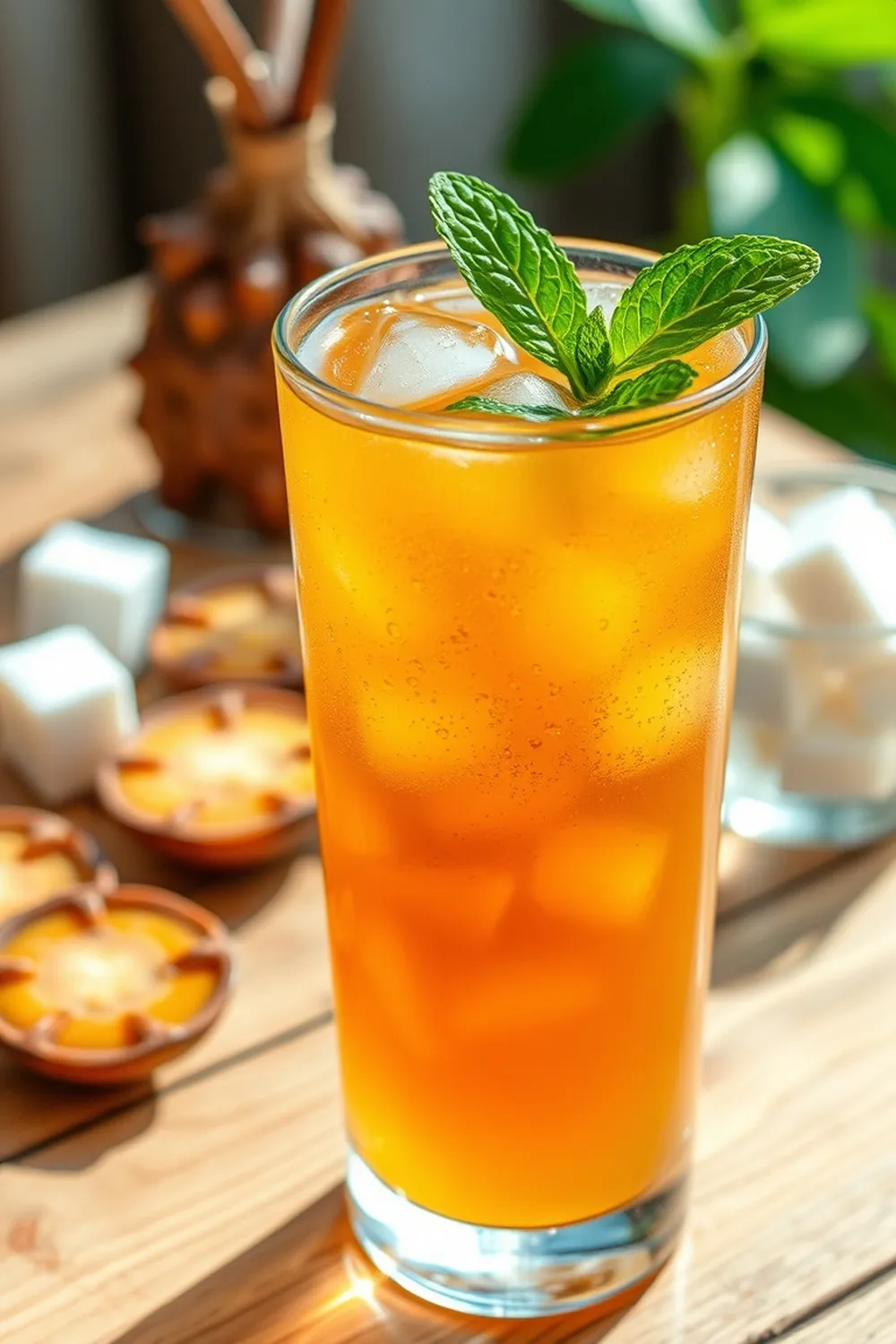
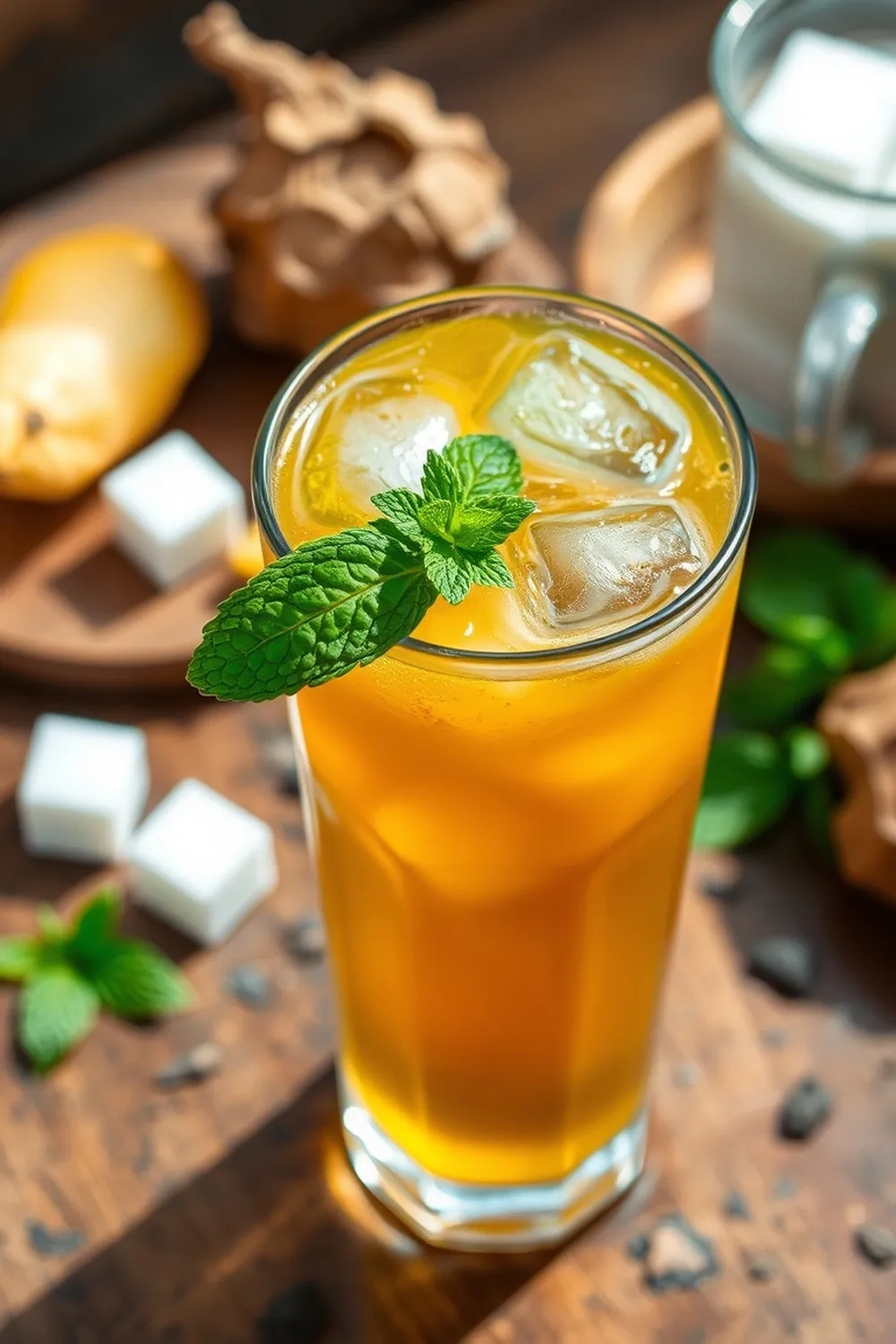
- For serving, add 1/4 to 1/2 cup syrup to a glass filled with ice. Top with cold water. Adjust sweetness to taste with additional sugar syrup.
- Calories:150 kcal25%
- Energy:627 kJ22%
- Protein:0.5 g28%
- Carbohydrates:38 mg40%
- Sugar:32 mg8%
- Salt:5 g25%
- Fat:0.5 g20%
Last Updated on 5 months ago by Neha Deshmukh
Authentic Tamarind Rose Sharbat Recipe – Summer Cooler Drink
Okay, let’s be real. Summer in India (or anywhere with scorching heat!) demands a good cooler. And honestly, nothing beats a glass of homemade Sharbat. This Tamarind Rose Sharbat isn’t just refreshing; it’s a little taste of nostalgia for me. I remember my Dadi (grandmother) making this every summer, and the aroma of rose water instantly transports me back to her kitchen. It’s the perfect balance of tangy, sweet, and floral – seriously addictive!
Why You’ll Love This Recipe
This recipe is more than just a drink; it’s an experience. It’s incredibly easy to make, requires just a handful of ingredients, and is so much better than anything you can buy in a store. Plus, it’s a fantastic way to beat the heat and impress your friends and family with a truly authentic Indian beverage.
Ingredients
Here’s what you’ll need to create this magic:
- 100 gm tamarind (seedless if possible)
- 1 litre water
- 0.5 cup sugar (adjust to taste)
- 2 tbsp rose water
Ingredient Notes
Let’s talk ingredients – getting these right makes all the difference!
Tamarind: Choosing the Right Type & Preparing It
Tamarind is the star here! You can find it in blocks, pods, or as a concentrate. I prefer using the blocks, as they give the most authentic flavour. Seedless tamarind is a lifesaver, but if yours has seeds, don’t worry – just pick them out after soaking.
Sugar: Adjusting Sweetness Levels
I’ve used ½ cup of sugar, but feel free to adjust this based on your preference and the tartness of your tamarind. Start with less, taste, and add more if needed. You can also use other sweeteners like jaggery for a more rustic flavour.
Rose Water: Quality & Authenticity
Rose water can vary a lot in quality. Look for a brand that smells genuinely floral and not artificial. A little goes a long way, so don’t overdo it! It really adds that special touch.
Regional Variations in Sharbat Making
Sharbat making is an art, and every family has their own little secrets! Some people add a pinch of black salt for an extra tangy kick, while others prefer to use cardamom instead of rose water. In some regions, you’ll find variations with ginger or even a hint of saffron. Feel free to experiment and make it your own!
Step-By-Step Instructions
Alright, let’s get to the fun part!
- First, in a saucepan, combine the tamarind and 500ml of water. Bring it to a boil and let it simmer for about 15 minutes, or until the tamarind is nice and softened.
- Now, strain the mixture through a fine-mesh sieve, pressing down on the tamarind to extract as much liquid as possible. This is important – you want all that flavour!
- Return the tamarind extract to the saucepan. Add the remaining 500ml of water and the sugar. Bring it back to a boil and simmer for another 15 minutes, stirring until the sugar dissolves completely.
- Strain the syrup again to remove any remaining pulp. This ensures a smooth, refreshing drink.
- Finally, stir in the rose water. Let the Sharbat cool completely, then refrigerate until it’s beautifully chilled.
Expert Tips
Achieving the Perfect Tangy-Sweet Balance
The key to a great Sharbat is balance. Don’t be afraid to taste and adjust the sugar levels as you go. A little bit of lemon juice can also brighten up the flavour if needed.
Making Ahead & Infusion Times
You can absolutely make this Sharbat ahead of time! In fact, the flavours actually meld together and get even better after a day or two in the fridge.
Variations
Vegan Adaptation
This recipe is naturally vegan! Just double-check your rose water to ensure it doesn’t contain any animal-derived ingredients.
Adjusting Spice Level (Adding Ginger or Cardamom)
My friend, Priya, loves adding a small piece of grated ginger to the simmering syrup for a warming spice. You could also add a few crushed cardamom pods for a fragrant twist.
Festival Adaptations (Ramadan, Holi)
This Sharbat is perfect for breaking your fast during Ramadan, providing instant energy and hydration. It’s also a lovely, cooling drink to enjoy during Holi celebrations.
Sugar-Free Option
For a sugar-free version, use a sugar substitute like stevia or erythritol. Adjust the amount according to the package instructions.
Serving Suggestions
Garnishes & Presentation Ideas
Serve your Tamarind Rose Sharbat in pretty glasses! Garnish with a few rose petals, a sprig of mint, or a slice of lemon. A little bit of chaat masala sprinkled on top adds a lovely tangy kick.
Pairing with Snacks & Meals
This Sharbat pairs beautifully with spicy Indian snacks like samosas or pakoras. It’s also a great accompaniment to a light meal, like biryani or pulao.
Storage Instructions
How Long Does Sharbat Last?
Homemade Sharbat will last for up to a week in the refrigerator, stored in an airtight container.
Freezing Instructions
You can also freeze the Sharbat for longer storage. Pour it into ice cube trays for easy portioning, or freeze it in a larger container. It will keep for up to 3 months.
FAQs
What is the best type of tamarind to use for Sharbat?
Seedless tamarind is the easiest to work with, but you can use any type as long as you remove the seeds after soaking.
Can I make this Sharbat ahead of time?
Absolutely! It actually tastes better after a day or two, as the flavours have time to develop.
How can I adjust the sweetness of the Sharbat?
Start with less sugar and add more to taste. Remember, you can always add more, but you can’t take it away!
What is the purpose of straining the tamarind pulp?
Straining ensures a smooth, refreshing drink without any gritty texture.
Can I use artificial rose water in this recipe?
While you can, I highly recommend using natural rose water for the best flavour. Artificial rose water often tastes synthetic and doesn’t have the same delicate aroma.

Neha Deshmukh
Neha holds a B.A. in History with a focus on Indian and world history, including ancient, medieval, and modern periods. At RecipesOfIndia.org — the world’s largest database of Indian recipes — she combines her love for food and history by exploring how India’s past has shaped its culinary traditions.