- Heat oil in a pan and sauté garlic cloves until aromatic.
- Add chopped tomatoes and cook until soft and pulpy.
- Mix in tamarind pieces and cook for 4-5 minutes. Allow the mixture to cool.
- Blend the cooled tomato mixture with salt, red chili powder, roasted fenugreek, and mustard powder into a smooth paste.
- For tempering: Heat oil in another pan. Add cumin seeds, mustard seeds, urad dal, and chana dal. Sauté until golden.
- Add dried red chilies and curry leaves to the tempering. Sauté until crisp.
- Pour the tempering over the tomato paste and mix thoroughly.
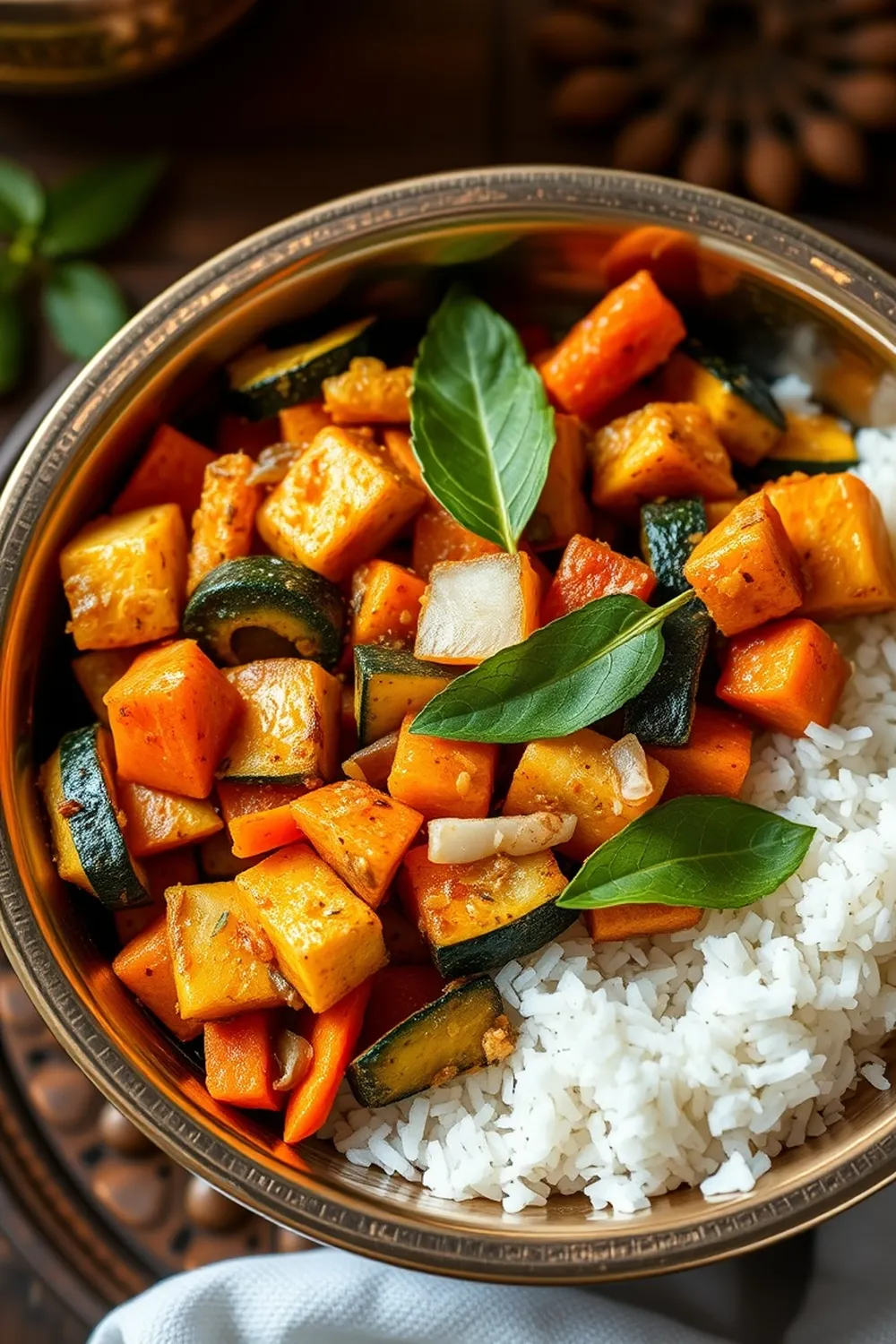
- Store in an airtight container or serve immediately with steamed rice.
- Calories:300 kcal25%
- Energy:1255 kJ22%
- Protein:5 g28%
- Carbohydrates:25 mg40%
- Sugar:10 mg8%
- Salt:800 g25%
- Fat:15 g20%
Last Updated on 5 months ago by Neha Deshmukh
Authentic Tomato Tamarind Chutney Recipe – South Indian Style
Hey everyone! If you’re anything like me, you love a good chutney. It just elevates everything, doesn’t it? Today, I’m sharing a recipe that’s been a family favorite for years – a vibrant, tangy, and slightly spicy Tomato Tamarind Chutney. It’s a South Indian staple, and honestly, once you try it, you’ll be making it all the time. I first made this when I was trying to recreate my grandmother’s flavors, and it took a few tries, but I think I’ve finally nailed it!
Why You’ll Love This Recipe
This Tomato Tamarind Chutney is seriously addictive. It’s the perfect balance of sweet, sour, and spicy, and it’s incredibly versatile. It’s ready in under 30 minutes, and requires ingredients you likely already have in your pantry. Plus, it’s a fantastic way to add a burst of flavor to simple meals. Trust me, a dollop of this chutney with some steaming rice and dal? Pure comfort food.
Ingredients
Here’s what you’ll need to make this delicious chutney:
- 0.5 kg tomatoes
- 2 tablespoons oil (plus another 2 tablespoons for tempering)
- 8-10 garlic cloves
- 6-7 tamarind pieces
- To taste salt
- 1.5 teaspoons red chilli powder
- 1 teaspoon roasted fenugreek seeds powder and roasted mustard seeds powder
- 1 teaspoon cumin seeds
- 1 teaspoon mustard seeds
- 1 teaspoon urad dal (split black lentils)
- 1 teaspoon chana dal (split chickpeas)
- 5-6 dried red chillies
- 8-10 curry leaves
Ingredient Notes
Let’s talk ingredients! A few little things can make a big difference.
- Tamarind: There are so many varieties! I prefer using imli, the dried pulp form, as it gives a lovely tang. You can find it at most Indian grocery stores. If using tamarind paste, start with about 2 tablespoons and adjust to taste.
- Roasted Fenugreek & Mustard Seed Powders: These are key to that authentic South Indian flavor. You can find pre-made blends, or easily roast and grind the seeds yourself. My aunt swears by a specific blend from her village, and it does have a unique aroma!
- Oil: Traditionally, South Indian cooking uses groundnut oil or sesame oil. They add a lovely nutty flavor. But you can use any neutral oil like sunflower or vegetable oil if that’s what you have on hand.
Step-By-Step Instructions
Alright, let’s get cooking!
- Heat 2 tablespoons of oil in a pan over medium heat. Add the garlic cloves and sauté until they become fragrant – about a minute. Don’t let them burn!
- Add the chopped tomatoes and cook until they soften and become pulpy. This usually takes around 5-7 minutes.
- Now, toss in the tamarind pieces and cook for another 4-5 minutes. Let the mixture cool down a bit before moving on.
- Once cooled, blend the tomato mixture with salt, red chilli powder, roasted fenugreek powder, and roasted mustard powder into a smooth paste. A good blender is your friend here!
- Time for the tempering! Heat the remaining 2 tablespoons of oil in a separate pan. Add the cumin seeds and mustard seeds. Let them splutter – that’s how you know they’re ready.
- Add the urad dal and chana dal to the pan and sauté until they turn golden brown.
- Throw in the dried red chillies and curry leaves. Sauté for a few seconds until the chillies are crisp and the curry leaves are fragrant.
- Carefully pour the tempering over the tomato paste and mix everything thoroughly. The sizzle is the best part!
Expert Tips
- Don’t skip the tempering! It’s what gives the chutney its signature flavor.
- Adjust the amount of red chilli powder to your liking.
- For a smoother chutney, strain the blended mixture before adding the tempering.
Variations
Want to switch things up? Here are a few ideas:
- Vegan Adaptation: This recipe is naturally vegan!
- Spice Level Adjustment: For a milder chutney, reduce the amount of red chilli powder or remove the seeds from the dried red chillies. If you like it really hot, add a pinch of cayenne pepper.
- Festival Adaptations: This chutney is often made during Makar Sankranti and Pongal in South India.
- Regional Variations: In Karnataka, they sometimes add a bit of jaggery for sweetness. Tamil Nadu versions might include a touch of asafoetida (hing). Kerala styles often use coconut oil for the tempering. My friend from Kerala makes a fantastic version with a hint of black pepper!
Serving Suggestions
This chutney is incredibly versatile! Here are a few of my favorite ways to enjoy it:
- With steamed rice and a side of dal.
- As a dip for idli and dosa.
- Spread on sandwiches or wraps.
- Served alongside vegetable stir-fries.
Storage Instructions
You can store this Tomato Tamarind Chutney in an airtight container in the refrigerator for up to a week. You can also freeze it for longer storage – just thaw it completely before using.
FAQs
Let’s answer some common questions:
- What is the best type of tamarind to use for this chutney? Imli (dried tamarind pulp) is my go-to, but tamarind paste works too.
- Can I make this chutney ahead of time and freeze it? Absolutely! It freezes beautifully.
- How can I adjust the spice level of this chutney? Reduce or increase the amount of red chilli powder, or remove the seeds from the dried red chillies.
- What is the purpose of roasting the fenugreek and mustard seeds? Roasting enhances their flavor and aroma.
- What are some other dishes this chutney pairs well with besides steamed rice? Idli, dosa, vada, uttapam, and even vegetable pakoras!
Enjoy! I hope you love this recipe as much as my family does. Let me know in the comments how it turns out for you!



Neha Deshmukh
Neha holds a B.A. in History with a focus on Indian and world history, including ancient, medieval, and modern periods. At RecipesOfIndia.org — the world’s largest database of Indian recipes — she combines her love for food and history by exploring how India’s past has shaped its culinary traditions.