- Soak tamarind in hot water for 15-20 minutes. Extract the juice, discarding the pulp, to obtain 2 cups of tamarind extract.
- Wash, peel, and cut carrots into rounds.
- Soak toor dal (tur dal) in hot water for at least 30 minutes. Pressure cook the dal and carrots with turmeric powder for 3-4 whistles. Mash the dal thoroughly.
- Heat oil in a pan. Add mustard seeds. Once they splutter, add fenugreek seeds, asafoetida (hing), and curry leaves.
- Pour the tamarind extract into the pan. Add salt and sambar powder. Simmer until the mixture thickens and the raw tamarind smell disappears.
- Mix the mashed dal, cooked carrots, and 1-2 cups of water. Cook on medium heat until the desired consistency is achieved.
- Garnish with coriander leaves. Serve hot with rice, idli, or dosa.
- Calories:280 kcal25%
- Energy:1171 kJ22%
- Protein:12 g28%
- Carbohydrates:45 mg40%
- Sugar:7 mg8%
- Salt:600 g25%
- Fat:8 g20%
Last Updated on 6 months ago by Neha Deshmukh
Authentic Tur Dal & Carrot Sambar Recipe – Tamarind & Spice Blend
Introduction
There’s just something about a steaming bowl of sambar that feels like home, doesn’t there? It’s the kind of dish my grandmother always made, filling the house with the most incredible aroma. This Tur Dal & Carrot Sambar is a classic for a reason – it’s comforting, flavorful, and surprisingly easy to make. I’m so excited to share my version with you, a recipe I’ve tweaked and perfected over the years. Get ready for a taste of South India!
Why You’ll Love This Recipe
This sambar isn’t just delicious; it’s a complete package. It’s packed with protein from the tur dal, sweetness from the carrots, and a lovely tang from the tamarind. Plus, the blend of spices is just chef’s kiss! It’s perfect for a weeknight meal, a weekend brunch, or even a festive occasion. And honestly, it’s a great way to get your veggies in!
Ingredients
Here’s what you’ll need to create this flavorful sambar:
- 1/3 cup Tur dal (Split Pigeon Peas)
- 3/4 – 1 cup Carrot, chopped
- Small gooseberry sized ball Tamarind
- 2 tsp Sambar powder
- 2 tsp Oil
- 1 tsp Mustard seeds
- 3/4 tsp Fenugreek seeds
- A pinch Asafoetida (hing)
- A sprig Curry leaves
- A pinch Turmeric powder
- As needed Salt
- 1 tbsp Coriander leaves, chopped
Ingredient Notes
Let’s talk ingredients! Knowing a little about each one can really elevate your sambar game.
Tur Dal (Split Pigeon Peas) – A Staple in South Indian Cuisine
Tur dal is the heart of this sambar. It’s a yellow lentil that cooks up beautifully and has a mild, nutty flavor. You can usually find it at any Indian grocery store, or even in the international aisle of larger supermarkets. (Approximately 175g)
Tamarind – The Sour Backbone of Sambar
Tamarind provides that signature tangy flavor. I prefer using a block of tamarind and extracting the juice myself – it just tastes fresher! But tamarind paste works in a pinch. (About 50-60g of tamarind block will yield 2 cups of extract)
Sambar Powder – Regional Variations & Spice Blends
Sambar powder is where things get interesting. There are so many variations! You can buy pre-made sambar powder, or make your own. I usually buy mine, but feel free to experiment with different brands to find your favorite.
Fenugreek Seeds – Adding Depth and Aroma
Don’t skip the fenugreek seeds! They add a subtle bitterness and a wonderful aroma that really rounds out the flavor profile. A little goes a long way, though.
Carrots – A Sweet & Nutritious Addition
Carrots add a touch of sweetness and a lovely texture. They’re also a great way to sneak in some extra veggies. Feel free to use other vegetables too – I’ll share some ideas later!
Step-By-Step Instructions
Alright, let’s get cooking!
- Start by soaking the tamarind in about 2 cups of hot water for 15-20 minutes. Once softened, extract the juice, discarding the pulp. You should have around 2 cups of tamarind extract.
- While the tamarind is soaking, wash, peel, and cut the carrots into roundels.
- Rinse the tur dal and soak it in hot water for about 20 minutes. Then, add the dal, carrots, and a pinch of turmeric powder to a pressure cooker. Add enough water to cover and pressure cook for 3 whistles. Once cooled, mash the dal thoroughly.
- Now for the tempering! Heat the oil in a pan over medium heat. Add the mustard seeds and wait for them to splutter. Then, add the fenugreek seeds, asafoetida, and curry leaves. Let them sizzle for a few seconds.
- Pour in the tamarind extract, add salt and sambar powder. Bring to a simmer and cook until the mixture thickens and the raw tamarind smell disappears – about 10-15 minutes.
- Add the mashed dal and cooked carrots to the pan. Add about ??-?? cup of water (start with less, you can always add more!) and cook on medium heat until you reach your desired consistency. I like mine slightly thick.
- Finally, garnish with fresh coriander leaves and serve hot!
Expert Tips
- Don’t overcook the carrots! You want them to retain a little bit of bite.
- Adjust the amount of sambar powder to your liking.
- Simmering the tamarind extract is key to getting rid of that raw taste.
Variations
- Vegan Sambar Adaptation: This recipe is naturally vegan! Just double-check your sambar powder doesn’t contain any hidden animal products.
- Gluten-Free Sambar – Naturally Gluten-Free: Sambar is naturally gluten-free, making it a great option for those with dietary restrictions.
- Adjusting the Spice Level: If you like things spicy, add a pinch of red chili powder to the tempering.
- Sambar for Festival Celebrations (Pongal, Onam): During festivals, my family loves to add a small piece of jaggery to the sambar for a touch of sweetness.
Serving Suggestions
Sambar is incredibly versatile! It’s amazing with:
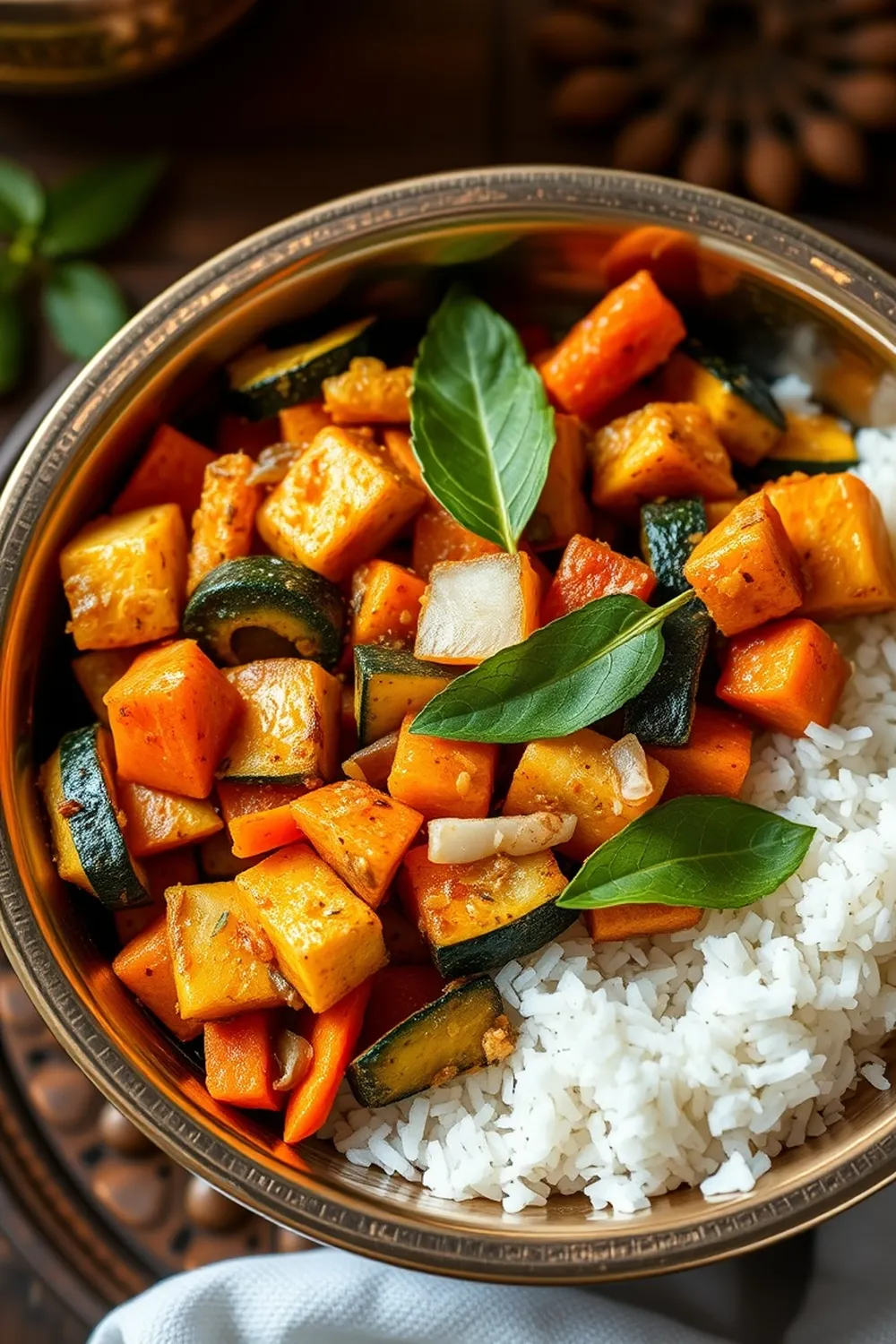
- Steaming hot rice
- Crispy idli
- Soft dosa
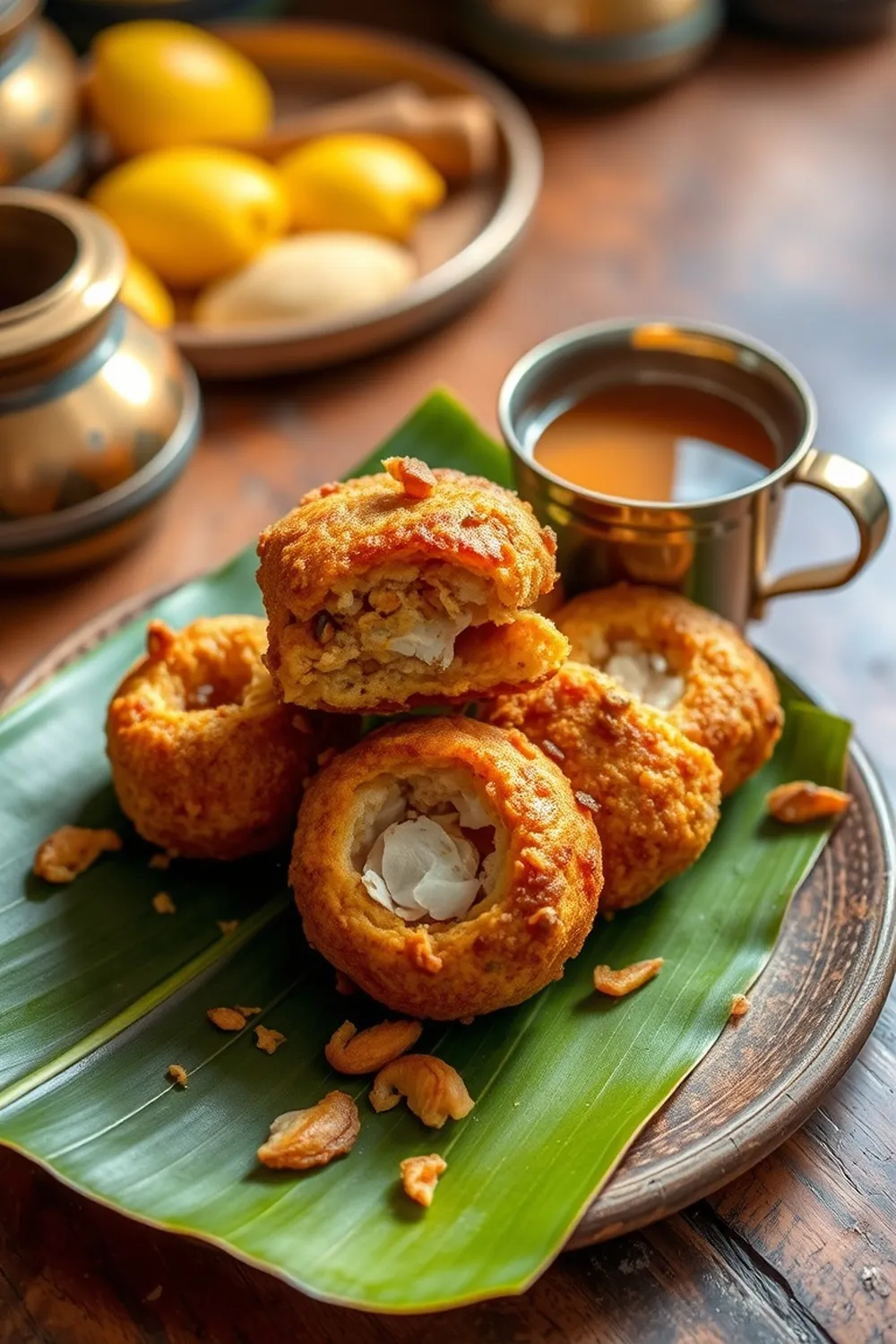
- Vada
- Even as a dipping sauce for vegetables!
Storage Instructions
Leftover sambar can be stored in an airtight container in the refrigerator for up to 3 days. It actually tastes even better the next day as the flavors meld together! You can also freeze it for longer storage.
FAQs
What is the best type of dal to use for sambar?
Tur dal is the most traditional choice, but you can also use masoor dal (red lentils) for a slightly different flavor and texture.
Can I make sambar ahead of time?
Absolutely! Sambar is a great make-ahead dish. The flavors develop even more overnight.
How do I adjust the tamarind sourness in sambar?
If your tamarind is particularly sour, you can add a little bit of jaggery or sugar to balance it out.
What are some good accompaniments for sambar besides rice?
Idli, dosa, vada, and uttapam are all classic pairings.
Can I use a different vegetable instead of carrots in this sambar recipe?
Definitely! Drumsticks, pumpkin, eggplant, and okra are all popular choices.



Neha Deshmukh
Neha holds a B.A. in History with a focus on Indian and world history, including ancient, medieval, and modern periods. At RecipesOfIndia.org — the world’s largest database of Indian recipes — she combines her love for food and history by exploring how India’s past has shaped its culinary traditions.