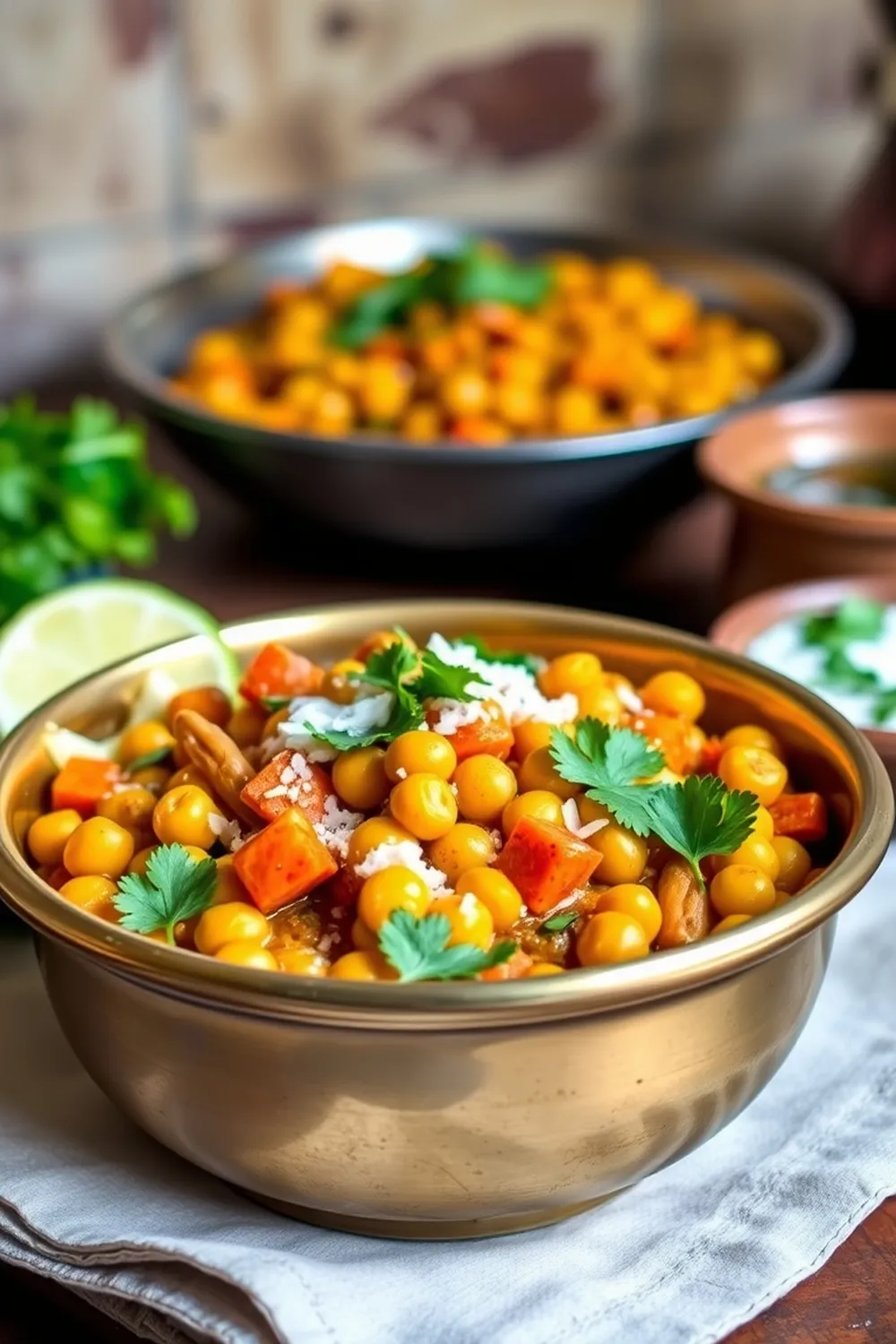
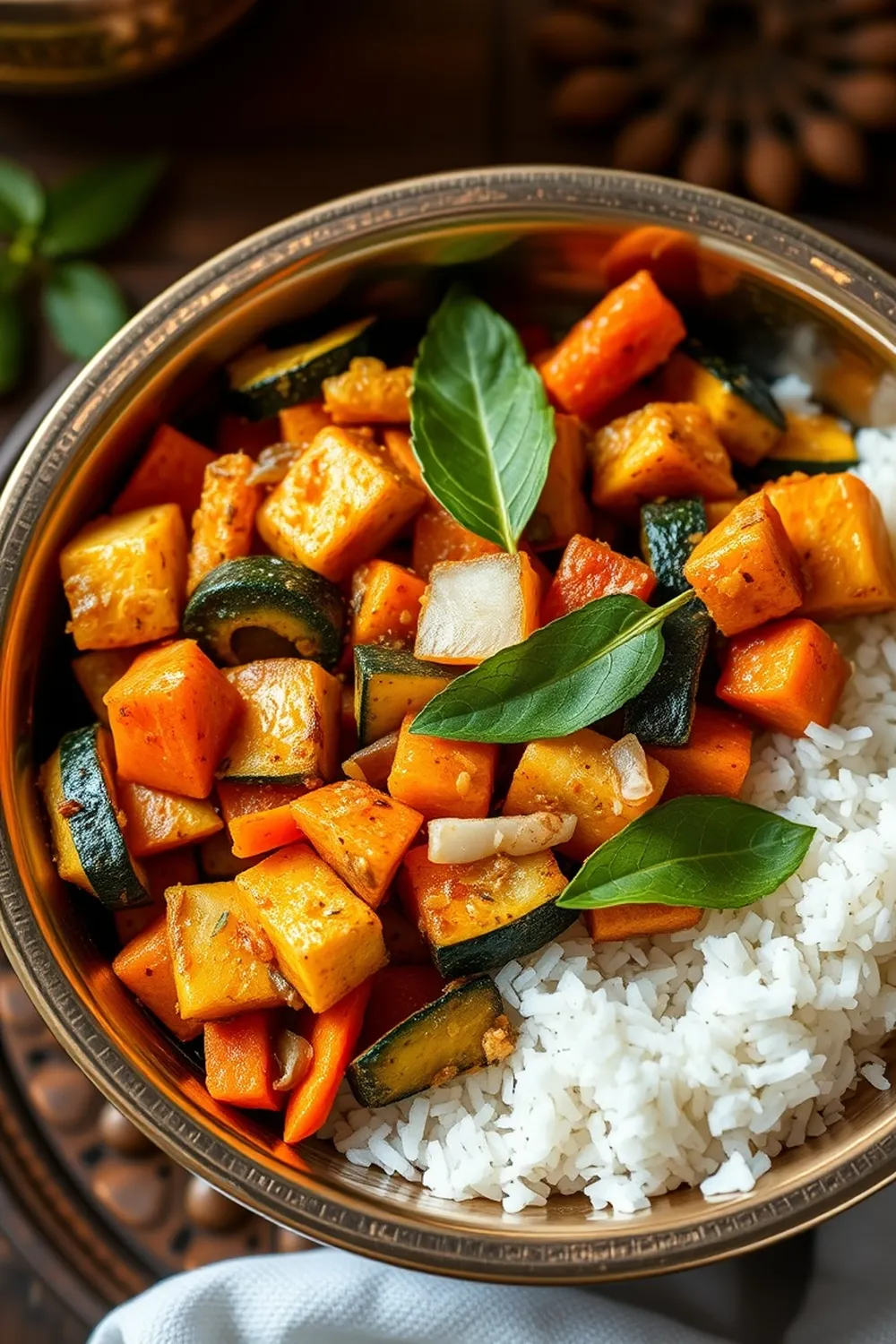
- Rinse 1/2 cup tuvar dal and pressure cook with 1.5-2 cups water and a pinch of turmeric for 7-8 whistles. Mash once cooked.
- Heat oil/ghee in a pan. Temper mustard seeds, turmeric, asafoetida, curry leaves, and green chilies.
- Add mashed dal, 1/2-1 cup water, goda masala, jaggery, kokum/tamarind pulp, coconut (optional), and salt. Simmer for 10-12 minutes.
- Adjust seasoning with salt, jaggery, or goda masala. Garnish with coriander leaves. Serve hot with rice or roti.
- Calories:182 kcal25%
- Energy:761 kJ22%
- Protein:18 g28%
- Carbohydrates:45 mg40%
- Sugar:10 mg8%
- Salt:450 g25%
- Fat:15 g20%
Last Updated on 6 months ago by Neha Deshmukh
Authentic Tuvar Dal Recipe – Goda Masala & Kokum Flavored
Introduction
There’s just something about a warm bowl of dal with rice, isn’t there? It’s comfort food at its finest. This Tuvar Dal recipe is extra special – it’s the one I grew up with, passed down from my Aaji (grandmother). The secret? A generous dose of Goda Masala and a touch of kokum for that perfect tangy flavour. It’s a little bit of Maharashtra on your plate, and I’m so excited to share it with you!
Why You’ll Love This Recipe
This isn’t just any dal recipe. It’s a flavour explosion! The Goda Masala adds a unique sweetness and depth, while the kokum provides a lovely sourness that balances everything beautifully. It’s relatively easy to make, and the aroma while it simmers is simply divine. Plus, it’s incredibly versatile – perfect for a simple weeknight meal or a festive spread.
Ingredients
Here’s what you’ll need to create this delicious Tuvar Dal:
- ?? cup Tuvar Dal (Toor Dal/Arhar Dal) – about 150g
- 1.5 to 2 cups Water (for pressure cooking) – about 360-480ml
- 1 pinch Turmeric Powder – about 1/4 tsp
- 1.5 to 2 tablespoons Oil or Ghee
- ?? teaspoon Mustard Seeds – about 1/2 tsp
- 7 to 9 Curry Leaves
- 1 to 2 Green Chilies or ??-?? tsp Red Chili Powder – adjust to your spice preference
- 1 teaspoon Turmeric Powder
- 1 pinch Asafoetida (Hing)
- 1.5 to 2 teaspoons Goda Masala
- ?? tablespoon Powdered Jaggery – about 1-2 tbsp, depending on sweetness preference
- 2 Kokums or 1 tsp Tamarind Pulp
- ?? to 1 cup Water (added later) – about 120-240ml
- 1 to 1.5 tablespoon Grated Coconut (optional)
- ?? tablespoon Chopped Coriander Leaves – about 1 tbsp, for garnish
Ingredient Notes
Let’s talk ingredients! A few little tips from my kitchen to yours:
Tuvar Dal (Toor Dal/Arhar Dal) Varieties
Tuvar Dal is the star, of course! You can find it at most Indian grocery stores. It’s sometimes labelled Toor Dal or Arhar Dal – they’re all the same thing. Look for a good quality dal that’s bright yellow and doesn’t have any stones mixed in.
Goda Masala: The Heart of Maharashtrian Flavor
Goda Masala is a special blend of spices, and it really makes this dal sing. It’s a little sweet, a little spicy, and incredibly fragrant. You can find it pre-made at Indian stores, or you can make your own (there are tons of recipes online!). I usually buy mine, to be honest – it saves time.
Kokum vs. Tamarind: Understanding the Souring Agent
Kokum and tamarind both add a lovely sourness, but they’re a bit different. Kokum has a fruity, slightly tangy flavour, while tamarind is more tart. I prefer kokum in this recipe, but tamarind pulp works beautifully too. If using tamarind pulp, soak it in warm water for about 10 minutes before adding it to the dal.
The Role of Jaggery in Balancing Flavors
Don’t skip the jaggery! It might seem strange to add sugar to dal, but it balances the sourness of the kokum and the spices beautifully. It adds a subtle sweetness that makes the dal so addictive.
Oil or Ghee: Choosing Your Fat
You can use either oil or ghee for the tempering. Ghee adds a richer, more fragrant flavour, but oil works just fine too. I often use ghee when I want to make the dal extra special.
Step-By-Step Instructions
Alright, let’s get cooking!
- First, give the tuvar dal a good rinse under cold water. This helps remove any dust or impurities. Then, add it to your pressure cooker with 1.5-2 cups of water and a pinch of turmeric. Pressure cook for 7-8 whistles, or until the dal is soft and mushy. Once cooked, give it a good mash with a spoon or potato masher.
- While the dal is cooking, let’s prepare the tempering. Heat the oil or ghee in a pan over medium heat. Once hot, add the mustard seeds. Wait for them to splutter – this is important! Then, add the turmeric powder, asafoetida, curry leaves, and green chilies. Sauté for a few seconds until fragrant.
- Now, add the mashed dal to the pan. Pour in ??-1 cup of water, and stir well. Add the goda masala, jaggery, kokum (or tamarind pulp), and coconut (if using). Season with salt to taste.
- Bring the dal to a simmer, then reduce the heat to low and cook for 10-12 minutes, stirring occasionally. This allows the flavours to meld together beautifully.
- Taste and adjust the seasoning. You might want to add a little more salt, jaggery, or goda masala, depending on your preference.
- Finally, garnish with chopped coriander leaves and serve hot!
Expert Tips
Here are a few tips to help you make the perfect Tuvar Dal:
Achieving the Perfect Dal Consistency
Some people like their dal thick, others like it a little thinner. Adjust the amount of water you add to achieve your desired consistency.
Blooming the Spices for Maximum Flavor
Don’t rush the tempering! Allowing the spices to bloom in the hot oil releases their flavour and aroma.
Adjusting the Sourness Level
If you prefer a more sour dal, add another kokum or a little more tamarind pulp.
Using Fresh vs. Dried Kokum
Fresh kokum has a more vibrant flavour, but dried kokum works just fine. If using dried kokum, soak it in warm water for about 30 minutes before adding it to the dal.
Variations
Let’s get creative!
Vegan Tuvar Dal
Simply use oil instead of ghee.
Gluten-Free Tuvar Dal
This recipe is naturally gluten-free!
Spice Level Adjustment (Mild to Spicy)
Reduce or omit the green chilies, or use a milder chili powder.
Festival Adaptations (e.g., Makar Sankranti, Gudi Padwa)
During festivals, I sometimes add a little bit of roasted peanuts for extra crunch.
Regional Variations (e.g., Konkani, North Indian)
Konkani versions often include coconut milk, while North Indian versions might use a different blend of spices.
Serving Suggestions
This Tuvar Dal is delicious with:
- Steaming hot rice
- Roti or chapati
- A side of vegetable sabzi
- Papadums
Storage Instructions
Leftover Tuvar Dal can be stored in an airtight container in the refrigerator for up to 3 days.
FAQs
What is Tuvar Dal and where can I find it?
Tuvar Dal, also known as Toor Dal or Arhar Dal, is a split pigeon pea lentil. You can find it at most Indian grocery stores.
Can I make this dal ahead of time?
Yes! You can make the dal a day or two in advance. The flavours actually develop even more over time.
What can I substitute for Goda Masala?
If you can’t find Goda Masala, you can use a combination of garam masala, cumin powder, coriander powder, and a pinch of turmeric. It won’t be exactly the same, but it will still be delicious.
How do I adjust the sourness of the dal?
Add more kokum or tamarind pulp for a more sour dal, or less for a milder flavour.
What is the best way to store leftover dal?
Store leftover dal in an airtight container in the refrigerator for up to 3 days.
Can I freeze this Tuvar Dal?
Yes, you can freeze it! Let it cool completely before transferring it to a freezer-safe container. It will keep for up to 2 months.



Neha Deshmukh
Neha holds a B.A. in History with a focus on Indian and world history, including ancient, medieval, and modern periods. At RecipesOfIndia.org — the world’s largest database of Indian recipes — she combines her love for food and history by exploring how India’s past has shaped its culinary traditions.