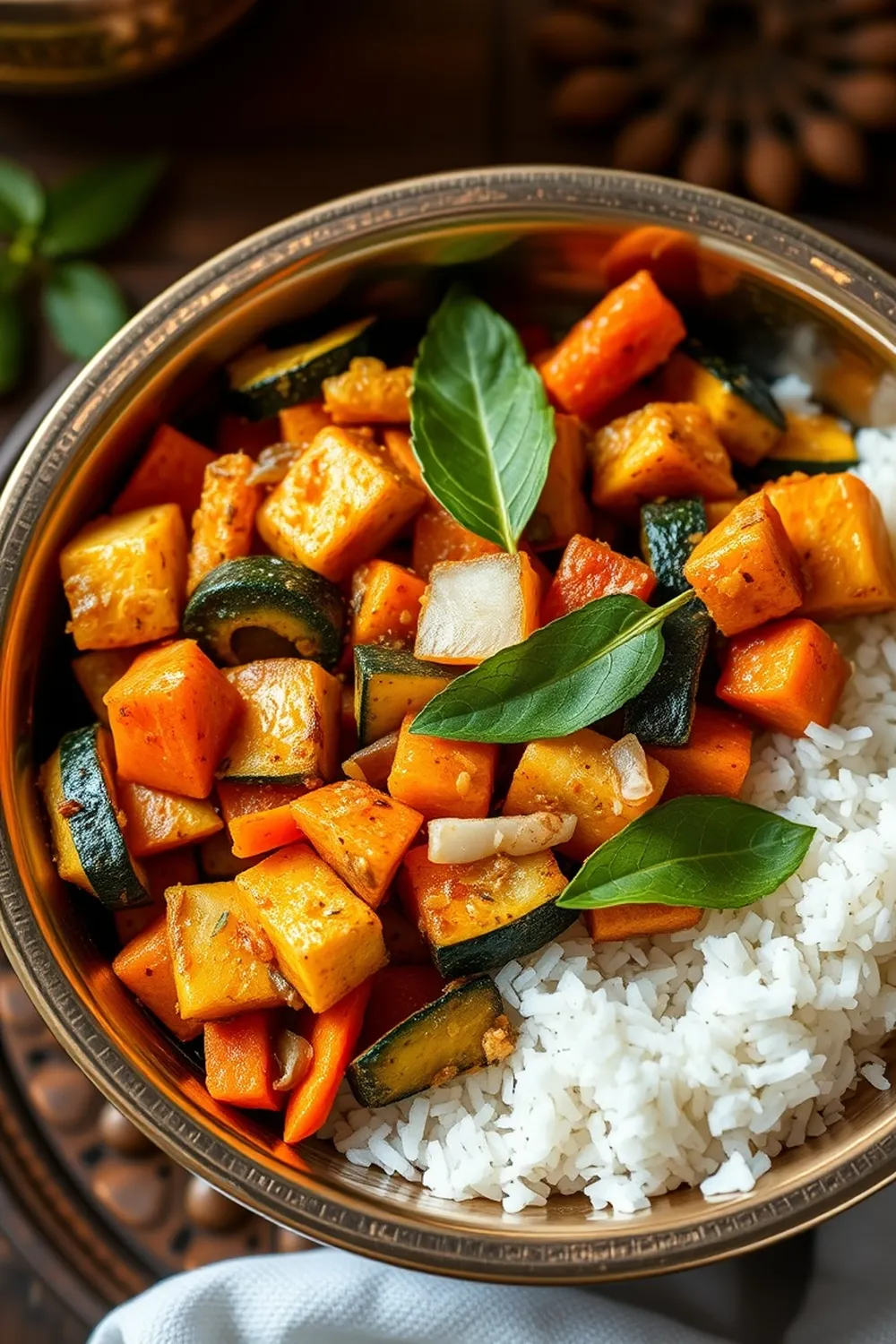
- Soak black chickpeas (kala chana) overnight. Drain, rinse, and pressure cook with 2 cups of water and salt for 2-3 whistles.
- Heat oil in a pan and temper with cumin seeds, mustard seeds, asafoetida (hing), green chilies, and ginger. Add spices and cooked chana. Simmer for 5-10 minutes.
- For the halwa: Roast semolina (sooji) in ghee until golden brown and aromatic. Gradually add boiling water and stir continuously until thickened. Mix in sugar, raisins, almonds, and rose water. Cook for another 2-3 minutes.
- Shape the halwa into bars or desired shapes and let cool completely. Garnish with slivered almonds.
- Knead wheat flour (atta), salt, and oil into a stiff dough. Rest for at least 30 minutes. Roll into small circles and deep-fry until puffed and golden brown.
- Calories:450 kcal25%
- Energy:1882 kJ22%
- Protein:10 g28%
- Carbohydrates:65 mg40%
- Sugar:25 mg8%
- Salt:300 g25%
- Fat:18 g20%
Last Updated on 6 months ago by Neha Deshmukh
Black Chickpea Halwa & Poori Recipe – Authentic Indian Festive Treats
Hey everyone! Today, I’m sharing a recipe that’s close to my heart – a delightful combination of Kala Chana Halwa and fluffy Pooris. This isn’t just a meal; it’s a taste of celebration, something my family always makes for special occasions. It’s a bit of work, but trust me, the end result is so worth it. Get ready to impress your friends and family with these authentic Indian festive treats!
Why You’ll Love This Recipe
This Black Chickpea Halwa & Poori combo is special for a few reasons. The halwa is wonderfully rich and subtly sweet, with a lovely texture from the semolina and the earthy flavor of black chickpeas. The pooris are light, airy, and perfectly golden. Together, they create a beautiful balance of flavors and textures. Plus, it’s a dish that just feels comforting and festive. It’s a little bit of sunshine on a plate!
Ingredients
Here’s what you’ll need to make this delicious duo:
For the Black Chickpea (Kala Chana) Base:
- 1 cup black chickpeas (kala chana) – about 170g
- 2 cups water (for boiling chana) – 475ml
- 2 tbsp oil (for tempering chana) – 30ml
- 1 tsp cumin seeds
- 1/2 tsp mustard seeds
- 1/4 tsp asafoetida (hing)
- 2 green chilies, finely chopped
- 1 tsp ginger (grated)
- 1 tsp red chili powder
- 1/2 tsp turmeric powder
- 1 tsp coriander powder
- 1/2 tsp dried mango powder (amchur)
For the Halwa:
- 1 cup semolina (sooji) – about 150g
- 1/2 cup ghee – 115g
- 2.5 cups boiled water (for halwa) – 600ml
- 1 cup sugar – 200g
- 2 tbsp raisins
- 2 tbsp almonds (chopped)
- 1 tsp rose water
For the Poori:
- 2 cups whole wheat flour – 240g
- 2 tbsp oil (for dough) – 30ml
Ingredient Notes
Let’s talk ingredients! A few things can really make or break this recipe.
- Kala Chana (Black Chickpeas): These aren’t just tasty; they’re packed with protein and fiber! They’re a staple in North Indian cuisine, especially during winter. You can usually find them at Indian grocery stores or online.
- Sooji/Semolina: I prefer using fine semolina for a smoother halwa texture. Coarse semolina works too, but the halwa will be a little grainier.
- Ghee: Oh, ghee! It’s liquid gold in Indian cooking. It adds a unique richness and aroma that butter just can’t replicate. Don’t skimp on the ghee – it’s essential for that authentic flavor.
- Tempering Oil: Traditionally, mustard oil is used for tempering in North India, giving a pungent flavor. However, you can use vegetable oil or sunflower oil if you prefer a milder taste.
- Asafoetida (Hing): This has a strong smell, but it adds a wonderful savory depth to the dish. A little goes a long way!
Step-By-Step Instructions
Alright, let’s get cooking!
- Soak & Cook the Chickpeas: Start by soaking the black chickpeas overnight. This helps them cook faster and become nice and tender. The next day, drain and rinse them, then pressure cook with 2 cups of water and a pinch of salt for 2-3 whistles. Once cooled, mash them lightly.
- Temper the Chickpeas: Heat 2 tablespoons of oil in a pan. Add cumin seeds, mustard seeds, asafoetida, chopped green chilies, and grated ginger. Let them splutter for a few seconds. Add red chili powder, turmeric powder, coriander powder, and amchur. Sauté for a minute, then add the mashed chickpeas. Simmer for about 5 minutes, stirring occasionally.
- Make the Halwa: In a separate heavy-bottomed pan, roast the semolina in ghee over medium heat until it becomes fragrant and lightly golden brown – this takes about 8-10 minutes. Be careful not to burn it! Slowly add the boiled water, stirring constantly to prevent lumps. Continue stirring until the halwa thickens. Add sugar, raisins, chopped almonds, and rose water. Mix well and cook for another 2-3 minutes.
- Shape & Cool the Halwa: Transfer the halwa to a greased plate or tray. Shape it into bars or desired shapes. Let it cool completely before cutting into pieces. Garnish with more chopped almonds.
- Prepare the Poori Dough: In a bowl, combine whole wheat flour, salt, and 2 tablespoons of oil. Add water gradually and knead into a stiff dough. Rest the dough for at least 30 minutes.
- Fry the Pooris: Divide the dough into small balls. Roll each ball into a small circle. Heat oil in a deep frying pan. Gently slide the poori into the hot oil and fry until it puffs up and turns golden brown. Drain on paper towels.
Expert Tips
- Don’t overcrowd the pan when frying the pooris – fry them in batches for even puffing.
- For a richer halwa, you can add a tablespoon of milk along with the water.
- If the halwa becomes too dry, add a little more boiled water.
- Make sure the oil is hot enough before frying the pooris. If it’s not hot enough, they won’t puff up.
Variations
Want to switch things up? Here are a few ideas:
- Vegan Adaptation: Use plant-based ghee instead of regular ghee and omit any dairy.
- Gluten-Free Adaptation: Ensure your semolina is certified gluten-free.
- Spice Level Adjustment: Adjust the amount of green chilies and red chili powder to your liking. My grandma always used to add a pinch of black pepper too!
- Festival Adaptations: This dish is often made during Lohri and Makar Sankranti. During these festivals, people often add a bit of jaggery to the halwa for extra sweetness.
Serving Suggestions
Serve the Black Chickpea Halwa and Poori warm. It’s delicious on its own, but you can also pair it with a side of yogurt or a spicy pickle. A cup of masala chai is the perfect accompaniment!
Storage Instructions
- Halwa: Store leftover halwa in an airtight container in the refrigerator for up to 3 days.
- Poori: Pooris are best enjoyed fresh. However, you can store them in an airtight container at room temperature for a day. They might lose some of their crispness, but you can reheat them briefly in a pan or oven.
FAQs
Q: What is Kala Chana and where can I find it?
A: Kala Chana are black chickpeas, a type of legume popular in Indian cuisine. You can find them at most Indian grocery stores or online retailers.
Q: Can I use a different type of flour for the poori?
A: While whole wheat flour is traditional, you can experiment with other flours like maida (all-purpose flour) for a different texture.
Q: How do I get the poori to puff up perfectly?
A: Make sure the oil is hot enough and the dough is kneaded well. Also, gently slide the poori into the oil and don’t press it down.
Q: Can the halwa be made ahead of time?
A: Yes, you can make the halwa a day ahead and store it in the refrigerator. Reheat gently before serving.
Q: What is asafoetida (hing) and why is it used in Indian cooking?
A: Asafoetida is a resin with a pungent smell. It adds a unique savory flavor to Indian dishes and is often used as a digestive aid.
Enjoy making this special recipe! I hope it brings a little bit of Indian festive cheer to your kitchen. Let me know how it turns out in the comments below!


Neha Deshmukh
Neha holds a B.A. in History with a focus on Indian and world history, including ancient, medieval, and modern periods. At RecipesOfIndia.org — the world’s largest database of Indian recipes — she combines her love for food and history by exploring how India’s past has shaped its culinary traditions.