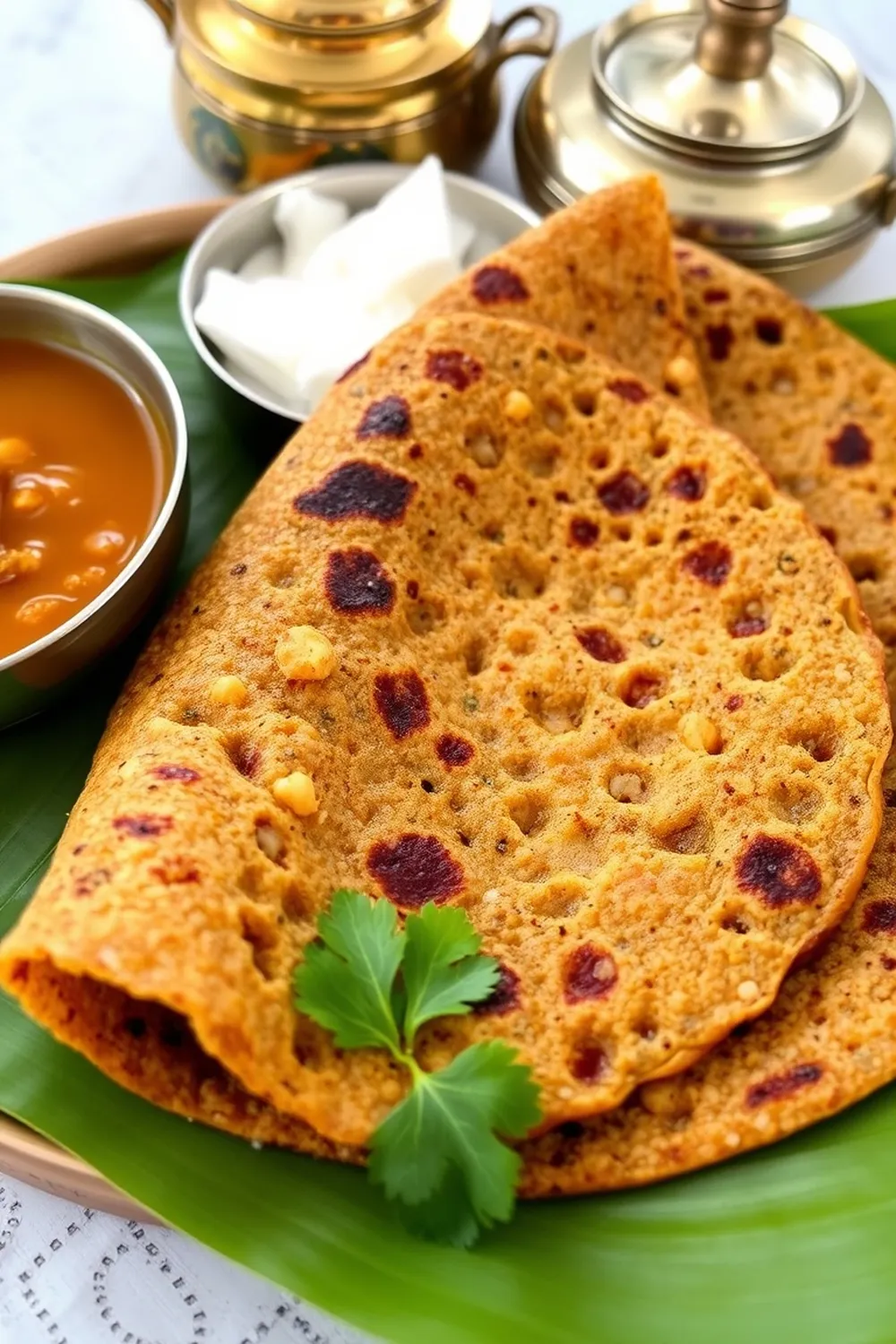
- Soak black urad dal and sago separately for at least 4-6 hours.
- Drain and rinse the urad dal, then coarsely grind it in a blender with minimal water until smooth.
- Transfer the ground dal to a mixing bowl. Add rice flour, drained sago, chopped green chilies and ginger, asafoetida, and salt. Adjust water to achieve idli/dosa batter consistency.
- Heat a tawa/griddle and lightly grease it. Spread the batter into a thick dosa. Cover and cook on low flame for 2-3 minutes.
- Flip the dosa and cook uncovered for another 1-2 minutes until golden brown spots appear.
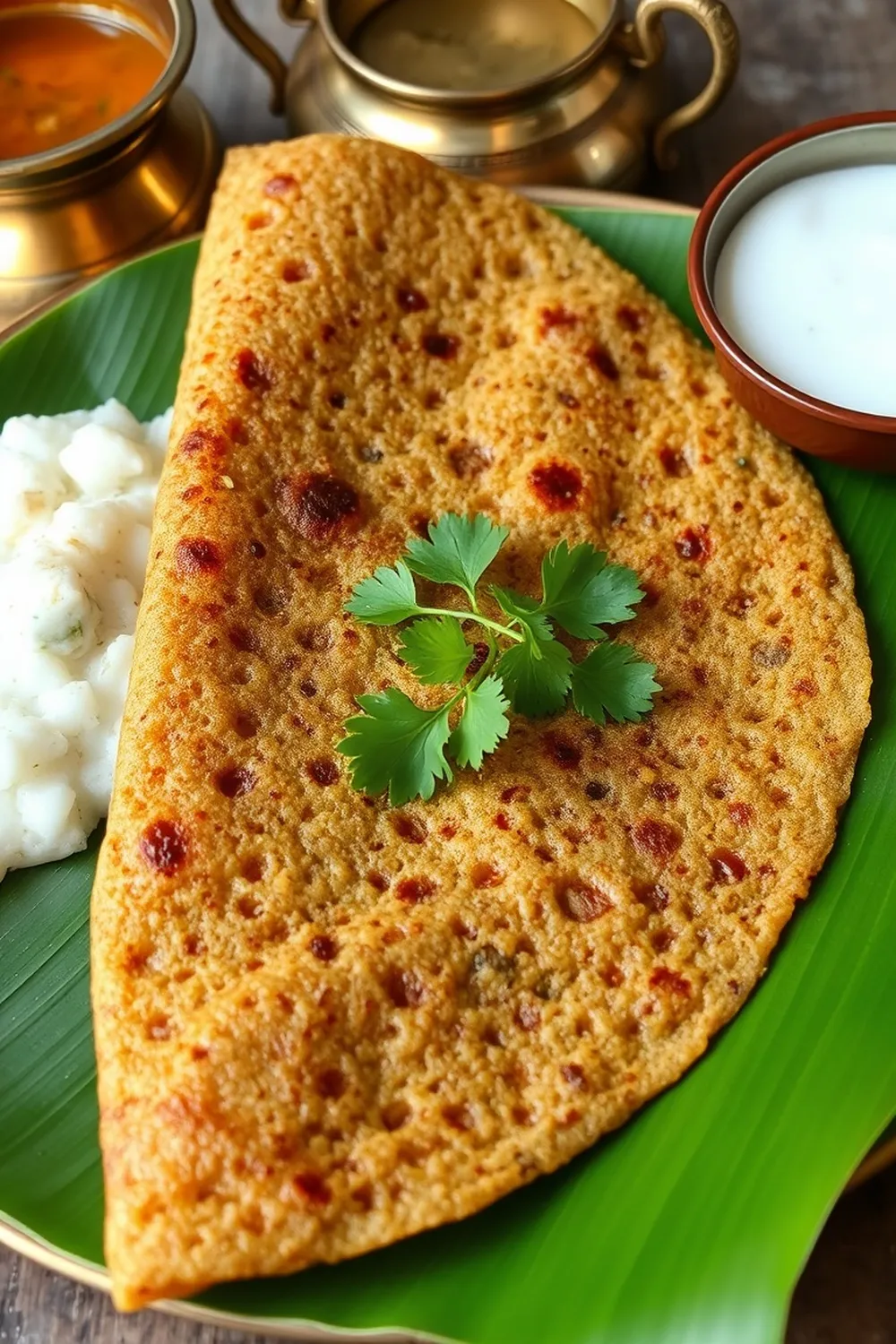
- Serve hot with coconut chutney or podi.
- Calories:90 kcal25%
- Energy:376 kJ22%
- Protein:4 g28%
- Carbohydrates:15 mg40%
- Sugar:mg8%
- Salt:100 g25%
- Fat:2 g20%
Last Updated on 6 months ago by Neha Deshmukh
Black Urad Dal Dosa Recipe – Authentic South Indian Breakfast
Hey everyone! If you’re anything like me, a good dosa is basically happiness on a plate. And this Black Urad Dal Dosa? It’s a little slice of South Indian heaven. I remember the first time my amma (mom) let me help spread the batter – it felt like a real rite of passage! It’s a bit different from your everyday dosa, with a wonderfully unique texture and flavour. Let’s get cooking!
Why You’ll Love This Recipe
This isn’t just any dosa recipe. We’re using black urad dal as the star, which gives it a lovely, slightly tangy flavour and a super soft texture. It’s surprisingly easy to make, even if you’ve never ventured into dosa-making before. Plus, it’s a fantastic way to start your day, or enjoy as a light dinner. Trust me, once you try this, you’ll be hooked!
Ingredients
Here’s what you’ll need to whip up a batch of these delicious dosas:
- 1 cup black urad dal (approximately 200g)
- 0.25 cup sago (sabudana) (approximately 30g)
- 2 tablespoons rice flour (approximately 15g)
- 1 teaspoon ginger, finely chopped (approximately 5g)
- 0.125 teaspoon asafoetida (hing) (approximately 0.5g)
- Salt to taste
- Oil for cooking
Ingredient Notes
Let’s talk ingredients – a few little tips from my kitchen to yours!
Black Urad Dal: The Heart of the Dosa
Black urad dal is the key to this dosa’s amazing flavour and texture. Make sure you use good quality dal, and don’t skip the soaking step – it’s crucial!
Sago (Sabudana): Adding Texture and Binding
Sago adds a lovely slightly grainy texture and helps bind the dosa together. It also contributes to a beautiful crispness when cooked.
Rice Flour: For Crispy Perfection
Just a touch of rice flour helps create that perfect crispy edge we all love in a dosa. You can experiment with different types of rice flour, but regular short-grain rice flour works beautifully.
Ginger: Aromatic Freshness
Fresh ginger adds a wonderful warmth and aroma. Don’t be shy with it!
Asafoetida (Hing): The Digestive Secret
Asafoetida might smell a little…interesting, but it adds a subtle savoury flavour and is fantastic for digestion. It’s a staple in South Indian cooking for a reason!
Regional Variations in Dosa Batter
Dosa batter recipes vary so much from family to family and region to region. Some people add fenugreek seeds for extra fluffiness, others add a little bit of poha (flattened rice) for a different texture. Feel free to experiment and find what you like best!
Step-By-Step Instructions
Alright, let’s get down to business!
- First, soak the black urad dal and sago separately in plenty of water for at least 5 hours, or even overnight. This is really important for a smooth batter.
- Once soaked, drain and rinse the urad dal. Then, coarsely grind it in a blender with minimal water – you want a thick paste, not a liquid.
- Now, transfer the ground dal to a mixing bowl. Add the drained sago, rice flour, chopped ginger, asafoetida, and salt.
- Add water gradually, mixing well, until you achieve an idli/dosa batter consistency. It should be pourable but not too runny.
- Heat a tawa (griddle) over medium-low heat. Lightly grease it with oil.
- Pour a ladleful of batter onto the hot tawa and spread it into a thick dosa.
- Cover the dosa and cook on low flame for about 1 minute. This helps it cook through evenly.
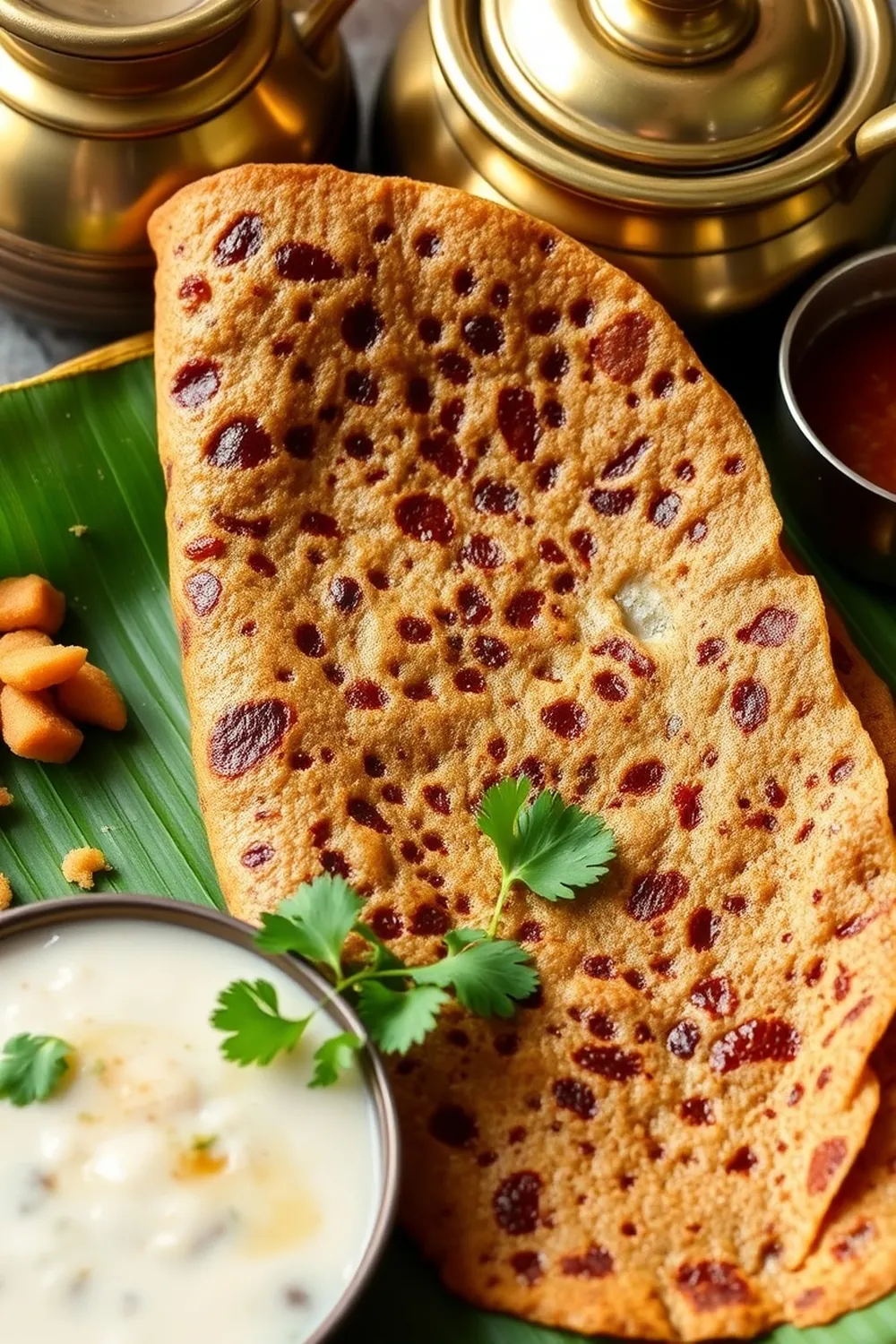
- Flip the dosa and cook uncovered for another minute, until golden brown spots appear.
- Serve hot with your favourite chutney or podi!
Expert Tips
Here are a few things I’ve learned over the years to help you make the perfect Black Urad Dal Dosa:
Achieving the Perfect Dosa Batter Consistency
The batter should be smooth and pourable, like a slightly thick pancake batter. If it’s too thick, add a little more water. If it’s too thin, add a little more rice flour.
Tips for a Non-Stick Tawa
A well-seasoned tawa is your best friend. If you’re using a new tawa, season it with oil and heat it over low heat for a few minutes. You can also rub half a potato on the tawa – it helps create a natural non-stick surface!
Understanding the Importance of Fermentation
Fermentation is key to a light and fluffy dosa. The batter will slightly increase in volume and develop a slightly sour aroma when it’s fermented enough.
Variations
Want to switch things up? Here are a few ideas:
Vegan Black Urad Dal Dosa
This recipe is naturally vegan! Just ensure your oil is plant-based.
Gluten-Free Black Urad Dal Dosa
This recipe is also naturally gluten-free!
Spice Level Adjustments
Add a pinch of red chilli powder to the batter for a little extra heat. My friend, Priya, loves adding a finely chopped green chilli for a fresh kick.
Festival Adaptations (e.g., Ganesh Chaturthi)
During Ganesh Chaturthi, you can make mini dosas as part of the festive offerings. They’re a delicious and auspicious treat!
Serving Suggestions
These dosas are amazing with:
- Coconut chutney (a classic!)
- Sambar
- Podi (gunpowder)
- A simple tomato chutney
Storage Instructions
You can store the dosa batter in the refrigerator for up to 3 days. Just give it a good stir before using. It might thicken slightly, so add a little water if needed.
FAQs
Let’s answer some common questions:
What is the ideal soaking time for the urad dal and sago?
At least 5 hours, but overnight is even better! This ensures they’re soft enough to grind into a smooth batter.
Can I use a different type of flour instead of rice flour?
You can try using wheat flour, but it will change the texture of the dosa. Rice flour gives it that lovely crispness.
How do I know if the dosa batter is fermented enough?
The batter will slightly increase in volume and develop a slightly sour aroma.
What if I don’t have asafoetida? Is there a substitute?
You can skip it if you don’t have it, but it does add a unique flavour. A pinch of garlic powder can be a very rough substitute.
Can I make this dosa batter in advance and store it?
Yes! You can make it a day or two in advance and store it in the refrigerator.
Neha Deshmukh
Neha holds a B.A. in History with a focus on Indian and world history, including ancient, medieval, and modern periods. At RecipesOfIndia.org — the world’s largest database of Indian recipes — she combines her love for food and history by exploring how India’s past has shaped its culinary traditions.