- Heat sesame oil in a pan. Fry urad dal and chana dal until golden brown.
- Add green chilies and curry leaves. Sauté briefly.
- Mix in chopped cabbage and salt. Cover and cook for 9-10 minutes until slightly tender-crisp.
- Let the mixture cool, then blend with tamarind and water into a smooth paste.
- Temper mustard seeds, red chilies, and hing in oil. Pour over chutney and mix well.
- Calories:60 kcal25%
- Energy:251 kJ22%
- Protein:2 g28%
- Carbohydrates:7 mg40%
- Sugar:2 mg8%
- Salt:150 g25%
- Fat:3 g20%
Last Updated on 6 months ago by Neha Deshmukh
Cabbage Chutney Recipe – Authentic South Indian Cabbage & Tamarind Relish
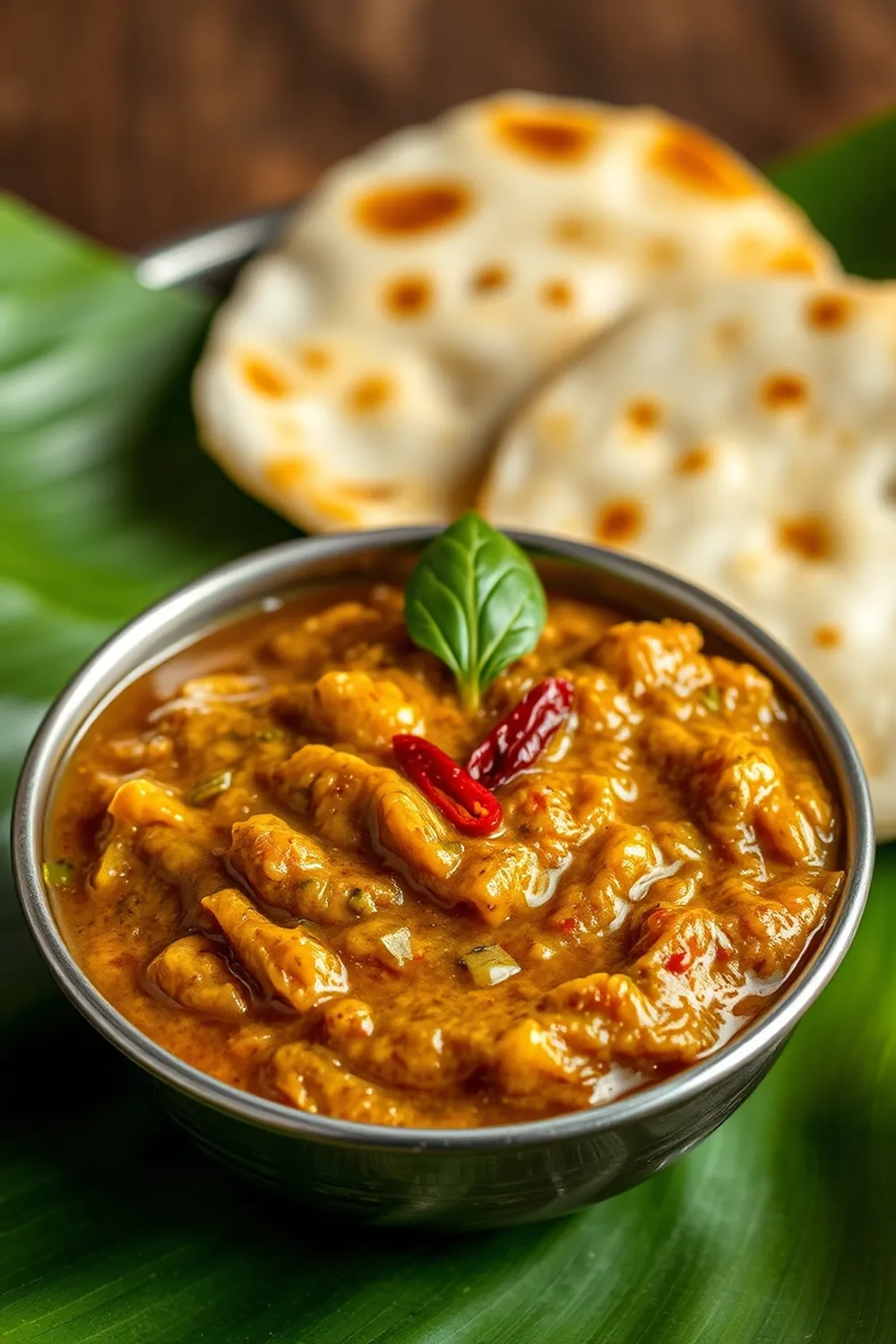
Hey everyone! Today, I’m sharing a recipe that’s close to my heart – a vibrant, tangy, and slightly spicy Cabbage Chutney. It’s a South Indian staple, and honestly, once you try it, you’ll be hooked. I first made this when I was trying to recreate my grandmother’s flavors, and it took a few tries to get it just right, but it’s so worth it! It’s perfect with idli, dosa, vada, or even as a side with rice.
Why You’ll Love This Recipe
This Cabbage Chutney isn’t your average relish. It’s a beautiful blend of textures – slightly crunchy cabbage, smooth tamarind, and the delightful pop of mustard seeds. The flavors are complex, with a lovely tang from the tamarind, a hint of spice from the green chilies, and an aromatic freshness from the curry leaves. Plus, it’s surprisingly easy to make!
Ingredients
Here’s what you’ll need to whip up this delicious chutney:
- 1 tablespoon sesame oil
- 1 teaspoon urad dal (split black lentils)
- 1 teaspoon chana dal (split chickpeas)
- 2 green chilies, chopped
- 10-12 curry leaves
- 2.5 cups chopped cabbage
- 1 teaspoon tamarind
- ½ – ¾ cup water (adjust to consistency)
- Salt to taste
- ½ teaspoon mustard seeds
- 1-2 red chilies, broken into pieces
- 1 pinch asafoetida (hing)
Ingredient Notes
Let’s talk about some of these ingredients – they really make this chutney special!
Sesame Oil: Regional Variations & Health Benefits
I prefer using sesame oil for its nutty flavor, which is so characteristic of South Indian cooking. You can use either light or dark sesame oil, depending on your preference. Dark sesame oil has a stronger flavor. It’s also packed with healthy fats!
Urad Dal & Chana Dal: The Foundation of South Indian Flavor
These lentils are the base of so many South Indian dishes. They add a lovely texture and nutty flavor to the chutney. Don’t skip them!
The Role of Tamarind: Tang & Texture
Tamarind is key to that signature tangy flavor. I usually use tamarind pulp, but you can also use tamarind paste. If using a block of tamarind, soak it in warm water for about 20 minutes, then squeeze out the pulp.
Curry Leaves: Aromatic Freshness
Fresh curry leaves are a must! They add an incredible aroma and flavor. If you can’t find fresh ones, dried curry leaves will work in a pinch, but the flavor won’t be quite the same.
Asafoetida (Hing): A Unique Spice & Its Digestive Properties
Asafoetida, or hing, has a pungent smell, but it adds a wonderful savory depth to the chutney. It’s also known for its digestive properties – a little goes a long way!
Step-By-Step Instructions
Alright, let’s get cooking!
- Heat the sesame oil in a pan over medium heat. Add the urad dal and chana dal. Fry them until they turn golden brown – this usually takes about 2-3 minutes. Keep an eye on them, as they can burn quickly!
- Add the chopped green chilies and curry leaves to the pan. Sauté for about 30 seconds, until the curry leaves become fragrant.
- Now, add the chopped cabbage and salt. Mix well to combine. Cover the pan and cook for 9-10 minutes, stirring occasionally, until the cabbage is slightly softened but still has a bit of crunch. We don’t want it mushy!
- Let the mixture cool down a bit. Then, transfer it to a blender or food processor. Add the tamarind and water. Blend until you get a smooth, slightly coarse paste. Add more water if needed to reach your desired consistency.
- Finally, let’s do the tempering! In a small pan, heat a little bit of oil. Add the mustard seeds. Once they start to splutter, add the broken red chilies and asafoetida (hing). Immediately pour this tempering over the chutney and mix well. The spluttering is important – that’s where the flavor comes from!
Expert Tips
- Don’t overcrowd the pan when frying the dals. Fry them in batches if necessary.
- Adjust the amount of green chilies and red chilies to your spice preference.
- For a smoother chutney, blend for a longer time.
- Taste and adjust the salt and tamarind as needed.
Variations
- Vegan Adaptation: This recipe is naturally vegan!
- Gluten-Free Confirmation: This recipe is naturally gluten-free.
- Spice Level Adjustment (Mild to Spicy): Reduce or omit the green chilies and red chilies for a milder chutney. Add more for extra heat! My friend, Priya, loves to add a pinch of cayenne pepper for an extra kick.
- Festival Adaptations (Onam, Pongal): This chutney is a wonderful addition to a festive South Indian spread, especially during Onam and Pongal. It pairs beautifully with the traditional dishes served during these celebrations.
Serving Suggestions
This chutney is incredibly versatile! Here are a few of my favorite ways to enjoy it:
- With idli and dosa – a classic combination!
- As a side with vada.
- Spread on sandwiches or wraps.
- Served with rice and a dollop of ghee.
Storage Instructions
You can store leftover Cabbage Chutney in an airtight container in the refrigerator for up to 3-4 days. The flavors actually develop even more over time!
FAQs
What is the best way to serve Cabbage Chutney?
It’s fantastic with South Indian breakfast staples like idli, dosa, and vada. But honestly, it’s good with almost anything!
Can I make this chutney ahead of time?
Absolutely! You can make it a day or two in advance. The flavors will meld together beautifully.
What can I substitute for tamarind in this recipe?
If you can’t find tamarind, you can use a tablespoon of lemon juice or a tablespoon of vinegar, but the flavor won’t be quite the same.
How do I adjust the consistency of the chutney?
Add more water for a thinner chutney, or blend for a shorter time for a thicker chutney.
Is asafoetida (hing) essential for this recipe, and what does it taste like?
While not essential, asafoetida adds a unique savory flavor that really elevates the chutney. It has a pungent smell, but the taste is much milder – a bit like garlic and onion.
Enjoy making this delicious Cabbage Chutney! I hope it brings a little bit of South Indian sunshine to your kitchen. Let me know how it turns out in the comments below!


Neha Deshmukh
Neha holds a B.A. in History with a focus on Indian and world history, including ancient, medieval, and modern periods. At RecipesOfIndia.org — the world’s largest database of Indian recipes — she combines her love for food and history by exploring how India’s past has shaped its culinary traditions.