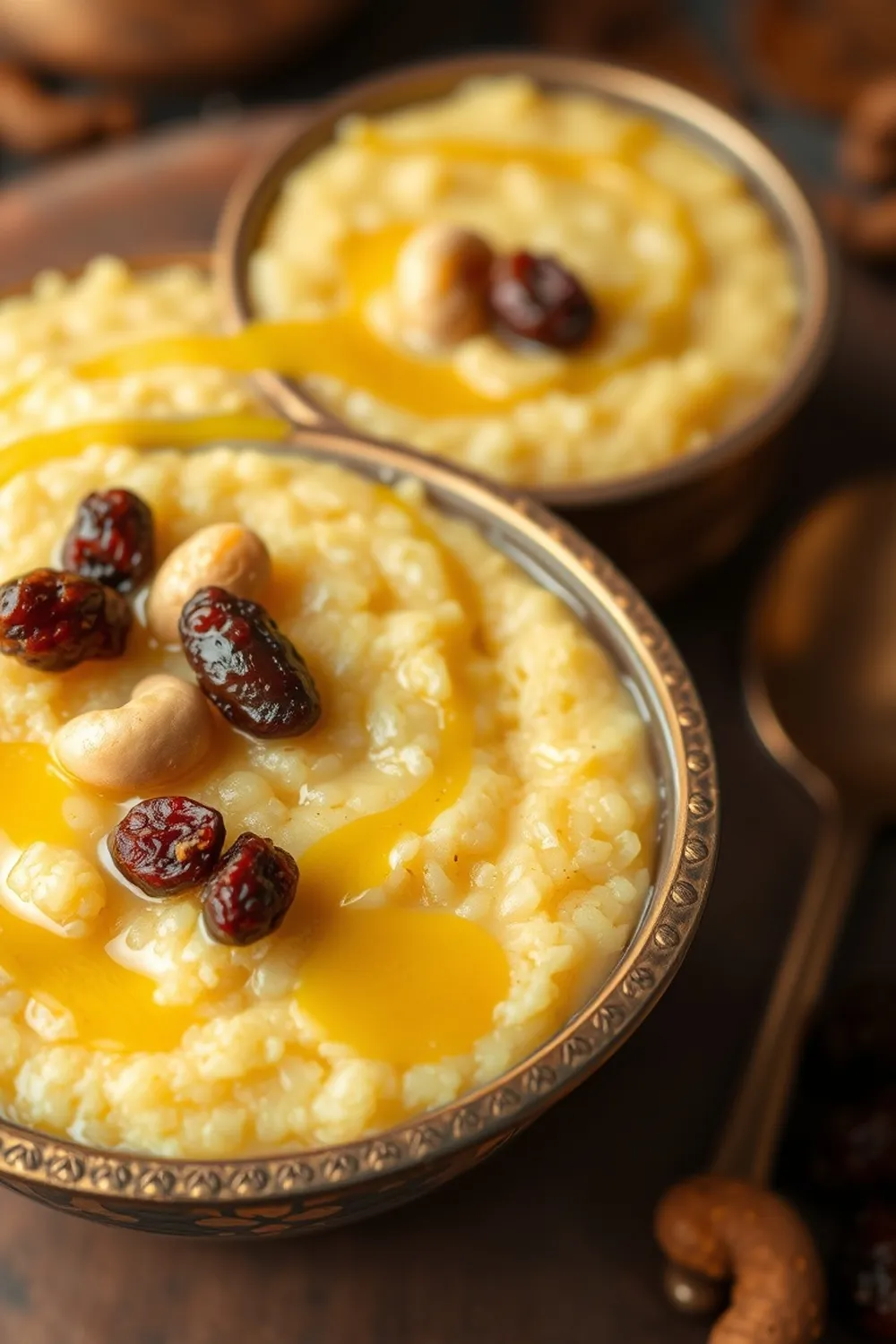
- Grease a tray with ghee and set aside. Gather all ingredients.
- Heat ghee in a pan. Add grated carrots and coconut. Sauté on low heat for 7-10 minutes until the raw smell disappears.
- Add milk powder and sugar. Stir continuously on low heat until the sugar melts and the mixture thickens.
- Mix in cardamom powder. Cook until the mixture froths and leaves the sides of the pan.
- Pour the mixture into the greased tray. Flatten with a bowl and let it rest for 5 minutes.
- Cut into squares while warm using a greased knife. Cool completely before serving.
- Calories:116 kcal25%
- Energy:485 kJ22%
- Protein:1 g28%
- Carbohydrates:15 mg40%
- Sugar:14 mg8%
- Salt:18 g25%
- Fat:6 g20%
Last Updated on 6 months ago by Neha Deshmukh
Carrot Halwa Recipe – Ghee & Coconut Flavored Indian Sweet
Introduction
Oh, halwa! Is there anything more comforting? This Carrot Halwa (Gajar ka Halwa, as it’s known in Hindi) is a classic Indian dessert, and honestly, it feels like a warm hug in a bowl. I remember my grandmother making this every winter, and the aroma would fill the entire house. It’s a little bit time-consuming, but trust me, the result is so worth it. This version has a lovely touch of coconut and is richly flavored with ghee – it’s simply divine!
Why You’ll Love This Recipe
This isn’t your average carrot halwa. The addition of coconut adds a subtle sweetness and a beautiful texture. It’s relatively easy to make, even if you’re new to Indian desserts. Plus, it’s perfect for festive occasions or just a cozy night in. You’ll love how the ghee and cardamom come together to create a truly unforgettable flavor.
Ingredients
Here’s what you’ll need to make this delicious Carrot Halwa:
- 1/2 cup carrot (approximately 125g), grated
- 1/4 cup coconut (approximately 30g), grated
- 3 tablespoons ghee (approximately 45ml)
- 1/4 cup milk powder (approximately 30g)
- 3/4 cup sugar (approximately 150g)
- 1/4 teaspoon cardamom powder (approximately 1g)
Ingredient Notes
Let’s talk ingredients! A few little tips can make all the difference.
Ghee: The Importance of Clarified Butter in Indian Sweets
Ghee is essential in Indian cooking, especially for sweets. It adds a unique richness and flavor that butter just can’t replicate. It also helps with the texture, giving the halwa a lovely, smooth consistency. If you’re unsure what ghee is, it’s clarified butter – you can find it at most Indian grocery stores, or even make your own!
Carrot Varieties: Choosing the Best for Halwa
Indian carrots are traditionally used – they’re a vibrant red color and are wonderfully sweet. But don’t worry if you can’t find them! Regular orange carrots work perfectly well. Just make sure they’re fresh and firm.
Coconut: Fresh vs. Dried – Which to Use
I usually use dried grated coconut for convenience, but fresh is amazing if you can get it! If using fresh, about 1/2 cup packed would be equivalent to the 1/4 cup dried.
Milk Powder: Full Fat vs. Low Fat Options
Full-fat milk powder gives the richest, creamiest result. However, you can use low-fat if you prefer. The texture might be slightly different, but it will still be delicious.
Cardamom: The Queen of Indian Spices
Cardamom is a must-have in Indian desserts. It adds a beautiful aroma and a warm, slightly floral flavor. Use good quality cardamom powder for the best results.
Step-By-Step Instructions
Alright, let’s get cooking!
- First things first, grease a tray with a little ghee and set it aside. This is where our halwa will set. Then, gather all your ingredients – it makes the process so much smoother.
- Now, heat the ghee in a pan over low heat. Add the grated carrots and coconut. Sauté for about 7-10 minutes, stirring occasionally, until the raw smell disappears. This step is important – it mellows out the carrot flavor.
- Add the milk powder and sugar to the pan. Stir continuously on low heat until the sugar melts and the mixture starts to thicken. Don’t rush this step! Patience is key.
- Mix in the cardamom powder. Continue to cook, stirring constantly, until the mixture froths and starts to leave the sides of the pan. This means it’s almost ready!
- Pour the mixture into the greased tray. Gently flatten it with the back of a bowl or a spatula. Let it rest for about 5 minutes.
- While the halwa is still warm (but not too hot!), cut it into squares using a greased knife. This prevents it from sticking. Let it cool completely before serving.
Expert Tips
- Low and Slow: Cooking on low heat is crucial. It prevents the halwa from burning and ensures even cooking.
- Stir, Stir, Stir: Constant stirring is your friend! It prevents sticking and ensures a smooth texture.
- Ghee is Key: Don’t skimp on the ghee! It really makes a difference in the flavor and texture.
Variations
Want to switch things up? Here are a few ideas:
Vegan Carrot Halwa
Substitute the ghee with coconut oil and the milk powder with cashew cream (soaked cashews blended with water).
Gluten-Free Carrot Halwa
This recipe is naturally gluten-free! Just double-check that your milk powder is certified gluten-free if you have a severe allergy.
Spice Level Adjustment: Adding a Hint of Ginger
My friend, Priya, loves adding a tiny bit of grated ginger (about 1/2 teaspoon) for a little extra warmth. It’s delicious!
Festival Adaptations: Diwali & Holi Special
During Diwali, I like to garnish the halwa with chopped nuts like pistachios and almonds. For Holi, a sprinkle of edible silver leaf (varak) adds a festive touch.
Sugar Alternatives: Using Jaggery or Dates
If you’re looking for a healthier option, you can substitute the sugar with jaggery or dates. You’ll need to adjust the quantity to taste.
Serving Suggestions
Carrot halwa is best served slightly warm or at room temperature. It’s delicious on its own, but you can also serve it with a scoop of vanilla ice cream or a sprinkle of chopped nuts. A cup of masala chai alongside is the perfect pairing!
Storage Instructions
Store leftover carrot halwa in an airtight container in the refrigerator for up to 3-4 days. It might firm up a bit, but it will still taste amazing.
FAQs
Let’s answer some common questions!
What is the best type of carrot to use for halwa?
While Indian carrots are traditional, regular orange carrots work perfectly well. Look for firm, fresh carrots.
Can I make this halwa without milk powder?
Yes, you can! You can substitute the milk powder with an equal amount of khoya (mawa), or even a little bit of cream cheese.
How can I prevent the halwa from sticking to the pan?
Low heat and constant stirring are key! Using a heavy-bottomed pan also helps.
Can I add nuts to this carrot halwa? What kind?
Absolutely! Pistachios, almonds, and cashews are all great choices. Add them towards the end of cooking.
How long does carrot halwa stay fresh?
Stored properly in the refrigerator, it will stay fresh for 3-4 days.
What is the role of ghee in this recipe? Can I substitute it?
Ghee adds a unique richness and flavor. While you can substitute it with butter, the flavor won’t be quite the same. Coconut oil is a good vegan alternative.


Neha Deshmukh
Neha holds a B.A. in History with a focus on Indian and world history, including ancient, medieval, and modern periods. At RecipesOfIndia.org — the world’s largest database of Indian recipes — she combines her love for food and history by exploring how India’s past has shaped its culinary traditions.