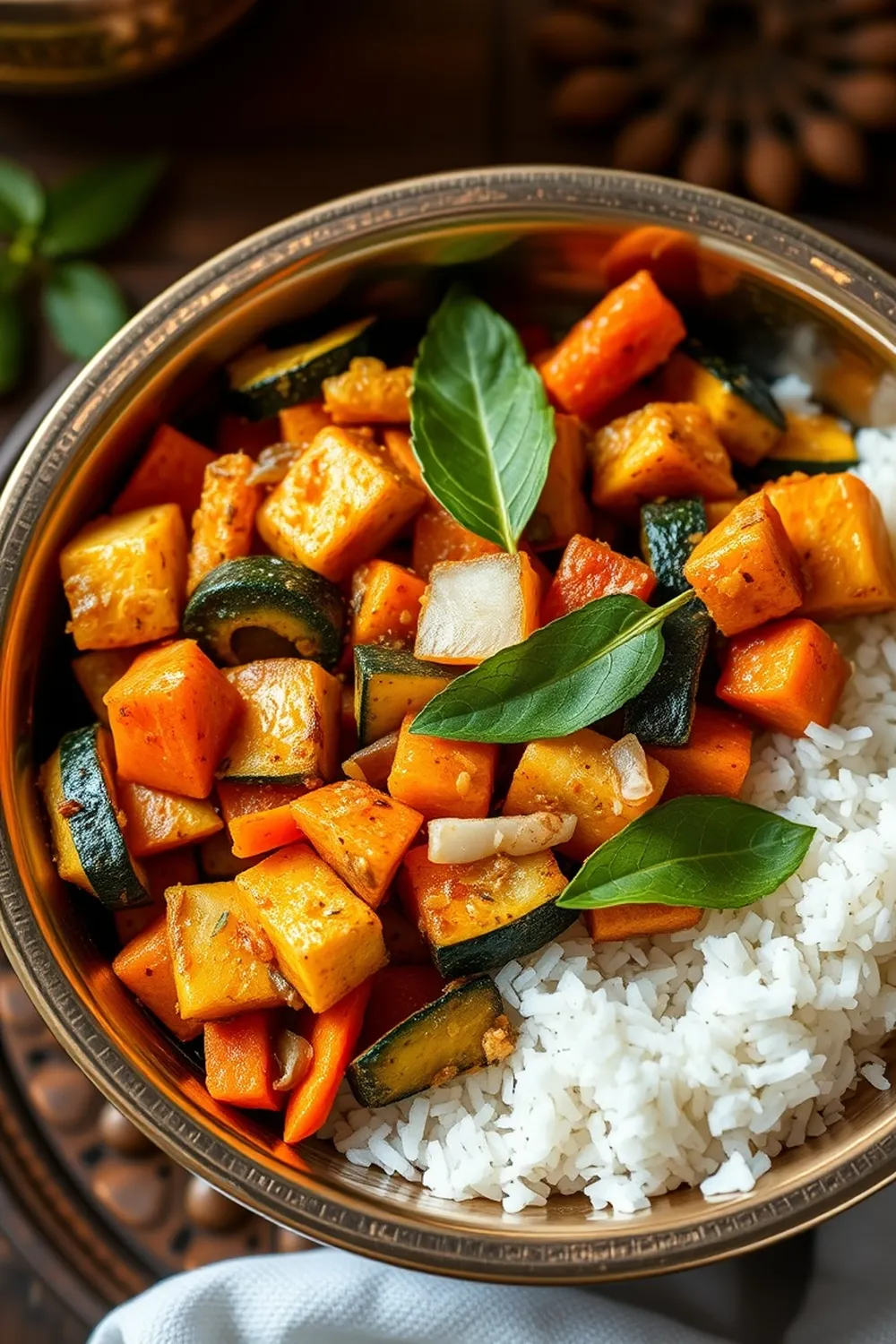
- Heat oil in a pan over medium heat. Add cumin seeds and let them sizzle for 30 seconds.
- Stir in asafoetida and turmeric powder. Add chopped green beans and cubed potatoes and mix until evenly coated with the spices.
- Add salt, cumin powder, coriander powder, red chili powder, and garam masala. Toss well to combine.
- Cover and cook for 15-20 minutes, stirring occasionally, until the vegetables are tender.
- Serve hot with chapati, roti, or steamed rice.
- Calories:150 kcal25%
- Energy:627 kJ22%
- Protein:3 g28%
- Carbohydrates:25 mg40%
- Sugar:2 mg8%
- Salt:300 g25%
- Fat:5 g20%
Last Updated on 5 months ago by Neha Deshmukh
Green Bean & Potato Recipe – Authentic Indian Sabzi With Spices
Hey everyone! If you’re anything like me, you’re always on the lookout for simple, flavorful vegetable dishes to round out your meals. This green bean and potato sabzi (dry vegetable dish) is a total winner. It’s a classic in Indian households, and honestly, it’s one of the first things I learned to make when I started exploring my mom’s recipes. It’s comforting, packed with flavor, and comes together pretty quickly – perfect for a weeknight dinner!
Why You’ll Love This Recipe
This green bean and potato sabzi is more than just a side dish; it’s a little taste of home. It’s wonderfully aromatic, thanks to the beautiful blend of spices. Plus, it’s incredibly versatile – you can adjust the spice level to your liking and serve it with roti, rice, or even as part of a larger thali. It’s a guaranteed crowd-pleaser, even for those who aren’t huge veggie fans!
Ingredients
Here’s what you’ll need to make this delicious sabzi:
- 1 lb Green Beans, trimmed
- 3 small Potatoes, peeled and cubed
- 1.5 Tbsp Oil (I prefer vegetable or canola)
- 0.5 tsp Cumin Seeds
- 0.125 tsp Asafoetida (Hing)
- 0.25 tsp Turmeric Powder
- To taste Salt
- 0.5 tsp Cumin Powder
- 1 tsp Coriander Powder
- To taste Red Chili Powder
- 0.5 tsp Garam Masala
Ingredient Notes
Let’s talk about a few key ingredients!
- Asafoetida (Hing): Don’t skip this! It adds a unique, savory depth to the dish. It has a pungent smell in its raw form, but it mellows out beautifully when cooked. You can find it at most Indian grocery stores, and sometimes in the spice aisle of larger supermarkets.
- Garam Masala: This is a blend of warming spices, and every family has their own version. Feel free to use your favorite brand!
- Spice Levels: Traditionally, this sabzi has a mild to moderate spice level. But, feel free to adjust the red chili powder to your preference. My grandma always added a little extra – she loved a good kick!
- Potatoes: I like using Yukon Gold potatoes for this recipe, as they hold their shape well. But red potatoes or even russet potatoes will work in a pinch.
Step-By-Step Instructions
Alright, let’s get cooking!
- Heat the oil in a pan or wok over medium heat. Once hot, add the cumin seeds and let them sizzle for about 30 seconds. You’ll know they’re ready when they start to pop and become fragrant.
- Now, add the asafoetida and turmeric powder. Stir quickly for a few seconds – this blooms the spices and releases their flavors.
- Add the chopped green beans and cubed potatoes to the pan. Mix well to ensure everything is coated with the spices.
- Season with salt, cumin powder, coriander powder, red chili powder, and garam masala. Give it another good toss to combine.
- Cover the pan and cook for 15-20 minutes, stirring occasionally. The vegetables should be tender but still hold their shape. If it starts to stick, add a splash of water.
Expert Tips
- Don’t overcrowd the pan! If you’re making a large batch, cook it in two batches to ensure the vegetables cook evenly.
- For a more intense flavor, you can dry roast the cumin seeds and coriander seeds before grinding them into a powder.
- A squeeze of lemon juice at the end brightens up the flavors beautifully.
Variations
- Vegan Adaptation: This recipe is naturally vegan! Just double-check your garam masala blend to ensure it doesn’t contain any animal-derived ingredients.
- Spice Level Adjustments: If you like it really spicy, add a pinch of cayenne pepper or a finely chopped green chili along with the red chili powder.
- Potato Variety Options: As I mentioned, Yukon Golds are my go-to, but feel free to experiment with different types of potatoes.
- Quick Cooking Method: If you’re short on time, you can parboil the potatoes for 5-7 minutes before adding them to the pan. This will reduce the cooking time. My friend, Priya, swears by this trick on busy weeknights!
Serving Suggestions
This sabzi is incredibly versatile. Here are a few of my favorite ways to serve it:
- With warm chapati or roti – a classic combination!
- Alongside steamed rice and a dal (lentil soup).
- As part of a larger Indian thali (platter).
- With a side of yogurt or raita (yogurt dip) to cool things down.
Storage Instructions
Leftovers can be stored in an airtight container in the refrigerator for up to 3 days. Reheat gently on the stovetop or in the microwave.
FAQs
Let’s answer some common questions!
Q: What type of oil is best for this sabzi?
A: Vegetable or canola oil work great. You can also use sunflower oil or peanut oil.
Q: Can I use frozen green beans in this recipe?
A: Yes, you can! Just make sure to thaw them completely and pat them dry before adding them to the pan.
Q: How can I adjust the spice level?
A: Simply adjust the amount of red chili powder. Start with a small amount and add more to taste.
Q: What is asafoetida and where can I find it?
A: Asafoetida (Hing) is a resin with a pungent smell that adds a unique savory flavor to Indian dishes. You can find it at most Indian grocery stores.
Q: Can this sabzi be made ahead of time?
A: Yes, you can! It actually tastes even better the next day as the flavors meld together. Just store it in an airtight container in the refrigerator.
Enjoy! I hope this recipe becomes a staple in your kitchen, just like it is in mine. Let me know in the comments how it turns out for you!


Neha Deshmukh
Neha holds a B.A. in History with a focus on Indian and world history, including ancient, medieval, and modern periods. At RecipesOfIndia.org — the world’s largest database of Indian recipes — she combines her love for food and history by exploring how India’s past has shaped its culinary traditions.