- Wash and soak whole green gram (moong dal) and rice together for 4-5 hours.
- Grind the soaked mixture with ginger, green chilies, and salt into a slightly coarse batter. Let it ferment/rest for 12-15 hours (or overnight for best results).
- Mix finely chopped onions into the batter just before cooking.
- Heat a tawa (flat griddle) and pour a ladle of batter, spreading it into a circular motion.
- Drizzle oil around the dosa and cook on medium heat until the edges turn golden brown and crisp.
- Cook until golden brown and crisp. Flipping is optional.
- Place a scoop of prepared rava upma on the cooked dosa and fold it over.
- Serve hot with coconut chutney or ginger chutney.
- Calories:350 kcal25%
- Energy:1464 kJ22%
- Protein:10 g28%
- Carbohydrates:55 mg40%
- Sugar:3 mg8%
- Salt:450 g25%
- Fat:12 g20%
Last Updated on 6 months ago by Neha Deshmukh
Green Gram Dosa Recipe – Rava Upma Filling & Easy Tawa Technique
Hey everyone! If you’re anything like me, you love a good dosa. But sometimes, you want something a little different, right? This Green Gram Dosa with a delicious Rava Upma filling is exactly that – a delightful twist on a classic. I first made this when I was craving something comforting yet a bit lighter than the usual potato masala dosa, and it quickly became a family favorite. It’s surprisingly easy to make, and the combination of textures and flavors is just fantastic. Let’s get cooking!
Why You’ll Love This Recipe
This isn’t your average dosa recipe. The green gram (moong dal) adds a lovely subtle sweetness and makes the dosa incredibly soft. Plus, the rava upma filling gives it a wonderful textural contrast. It’s a complete meal in itself, perfect for a weekend brunch or a quick weeknight dinner. You’ll love how satisfying and flavorful it is!
Ingredients
Here’s what you’ll need to whip up these delicious dosas:
- 1 cup Whole Green gram (Moong Dal)
- 1 tbsp Uncooked Raw rice
- 2-3 Green chillies
- 1 inch piece Ginger
- to taste Salt
- 1 Onion, finely chopped
- as needed Oil
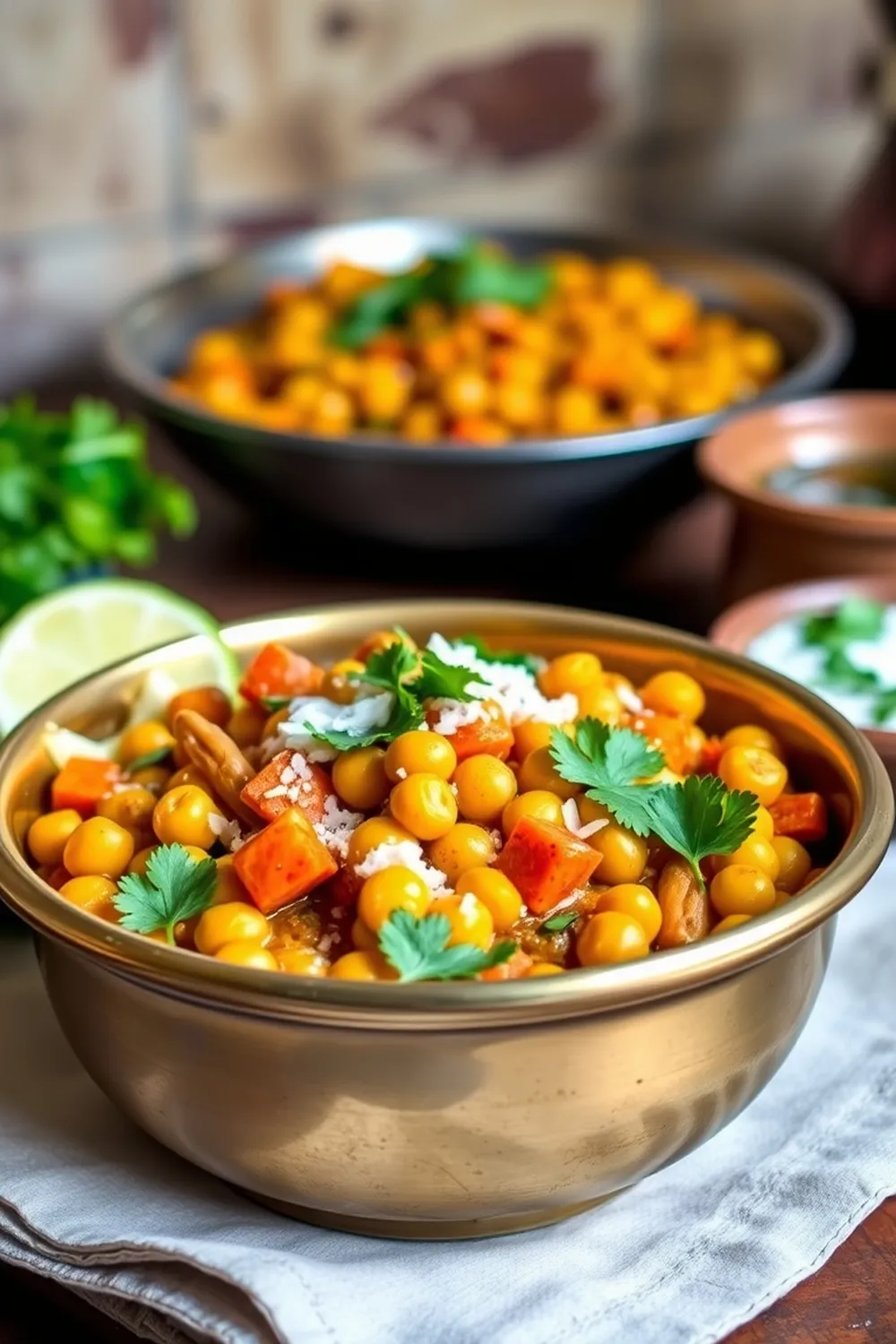
- as needed Rava Upma (prepared)
Ingredient Notes
Let’s talk ingredients – a few little tips can make all the difference!
Whole Green Gram (Moong Dal) – Benefits & Selection
Green gram, or moong dal, is a powerhouse of protein and easy to digest. Look for good quality, split green gram – it cooks faster and grinds smoother. About 175 grams of whole green gram is equivalent to 1 cup.
Raw Rice – Type & Importance
I prefer using regular raw rice for this recipe, but you can experiment with different types. Using a little raw rice helps with the crispness of the dosa. Around 150 grams of raw rice is roughly 1 tablespoon.
Green Chillies – Variety & Heat Levels
The number of green chillies depends on your spice preference! I usually use 2-3 medium-sized green chillies, but feel free to adjust. You can use any variety – the hotter the chilli, the spicier the dosa!
Ginger – Freshness & Flavor
Fresh ginger is key here. It adds a lovely warmth and zing to the batter. Don’t substitute with ginger powder – it just won’t be the same.
Rava Upma – Regional Variations & Preparation
Rava upma is a South Indian staple made from semolina. You can find tons of recipes online, or use your family’s favorite version. It’s the perfect filling for these dosas – the slightly grainy texture complements the soft dosa beautifully.
Step-By-Step Instructions
Alright, let’s get down to making these dosas!
- First, wash and soak the whole green gram and rice together for 4-5 hours. This is a crucial step – it softens the grains for easy grinding.
- Next, grind the soaked mixture with ginger, green chillies, and salt into a slightly coarse batter. Don’t add too much water – you want a thick consistency. Let it rest for 15 minutes. This allows the flavors to meld and the batter to ferment slightly.
- Now, mix in the finely chopped onions into the batter. This adds a lovely flavor and texture.
- Heat a tawa (a flat griddle) and pour a ladle of batter, spreading it into a circular motion. I like to start from the center and work my way outwards.
- Drizzle oil around the dosa and cook on medium heat until the edges lift. This is when you know it’s ready to flip!
- Flip the dosa and cook the other side until golden brown. It should be crispy and slightly puffed up.
- Place a scoop of prepared rava upma on the cooked dosa and fold it. I usually fold it in half, but you can get creative!
- Serve hot with coconut chutney or ginger chutney. Seriously, don’t skip the chutney – it’s the perfect accompaniment!
Expert Tips
Here are a few things I’ve learned over the years to make the perfect Green Gram Dosa:
Soaking & Grinding for the Perfect Batter Consistency
Don’t skimp on the soaking time! And when grinding, add water gradually to achieve a slightly coarse batter. It shouldn’t be too smooth or too runny.
Achieving Crispy Dosas on a Tawa
A well-seasoned tawa is your best friend. Make sure it’s hot enough before pouring the batter, and don’t be afraid to use a little oil.
Ensuring Even Cooking & Golden Brown Color
Keep the heat on medium. If it’s too high, the dosa will burn before it cooks through.
Variations
Want to switch things up? Here are a few ideas:
- Vegan Adaptation: This recipe is naturally vegan! Just ensure your rava upma is also made with vegan ingredients.
- Gluten-Free Confirmation: This recipe is naturally gluten-free.
- Spice Level Adjustment (Mild, Medium, Hot): Adjust the number of green chillies to control the spice level. My friend, Priya, loves to add a pinch of red chilli powder for extra heat!
- Festival Adaptations (Specific South Indian Festivals): These dosas are perfect for festivals like Ganesh Chaturthi or Onam. You can serve them as part of a larger festive spread.
Serving Suggestions
These dosas are fantastic on their own, but here are a few ideas to complete the meal:
- Coconut chutney (a classic!)
- Ginger chutney
- Sambar (a lentil-based vegetable stew)
- A sprinkle of sambar powder for extra flavor
Storage Instructions
Leftover dosas can be stored in the refrigerator for up to 2 days. Reheat them on a tawa or in a microwave. The batter can also be refrigerated for up to 3 days.
FAQs
Let’s answer some common questions:
What is the best type of rice to use for green gram dosa?
Regular raw rice works best, but you can experiment with other varieties like parboiled rice.
Can I make the dosa batter ahead of time? If so, how long will it keep?
Yes, you can! The batter will keep in the refrigerator for up to 3 days.
What if I don’t have a tawa? Can I use a non-stick pan?
You can, but a tawa is ideal for achieving that perfect crispy texture. If using a non-stick pan, make sure it’s well-seasoned.
Can I freeze leftover dosas?
Yes, you can! Wrap them individually in plastic wrap and store them in a freezer-safe bag.
What is a good substitute for rava upma in the filling?
You can use potato masala, vegetable curry, or even a simple lentil filling.
Enjoy making these Green Gram Dosas! I hope they bring as much joy to your table as they do to mine. Happy cooking!


Neha Deshmukh
Neha holds a B.A. in History with a focus on Indian and world history, including ancient, medieval, and modern periods. At RecipesOfIndia.org — the world’s largest database of Indian recipes — she combines her love for food and history by exploring how India’s past has shaped its culinary traditions.