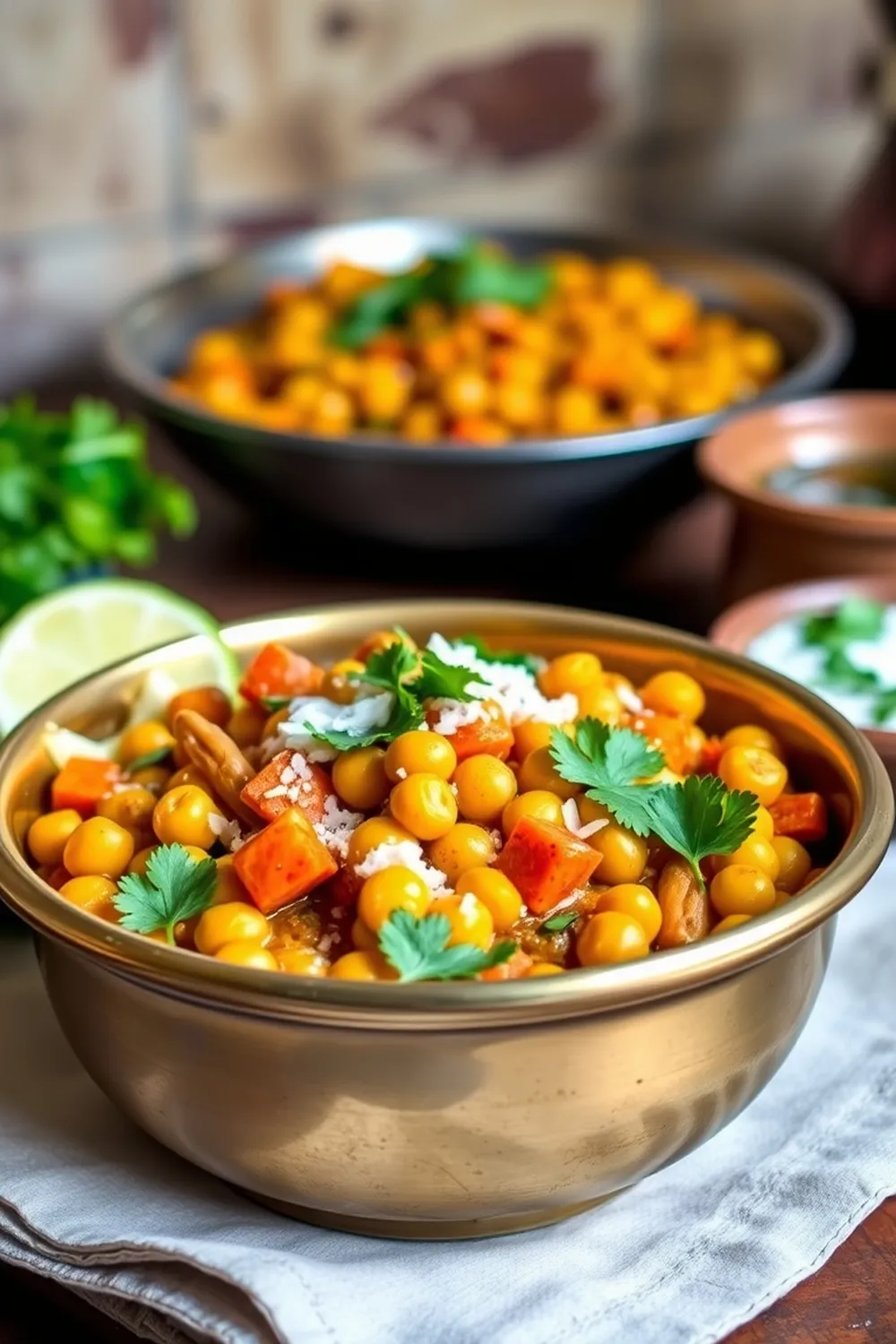
- In a pressure cooker or saucepan, combine kale, toor dal, turmeric powder, salt, and 2 cups of water. Cook until the dal is tender.
- Grind grated coconut, dried red chilies, and cumin seeds with 2 tablespoons of water into a fine paste.
- Mix the coconut paste into the cooked kale and dal. Bring the mixture to a boil and simmer for a few minutes.
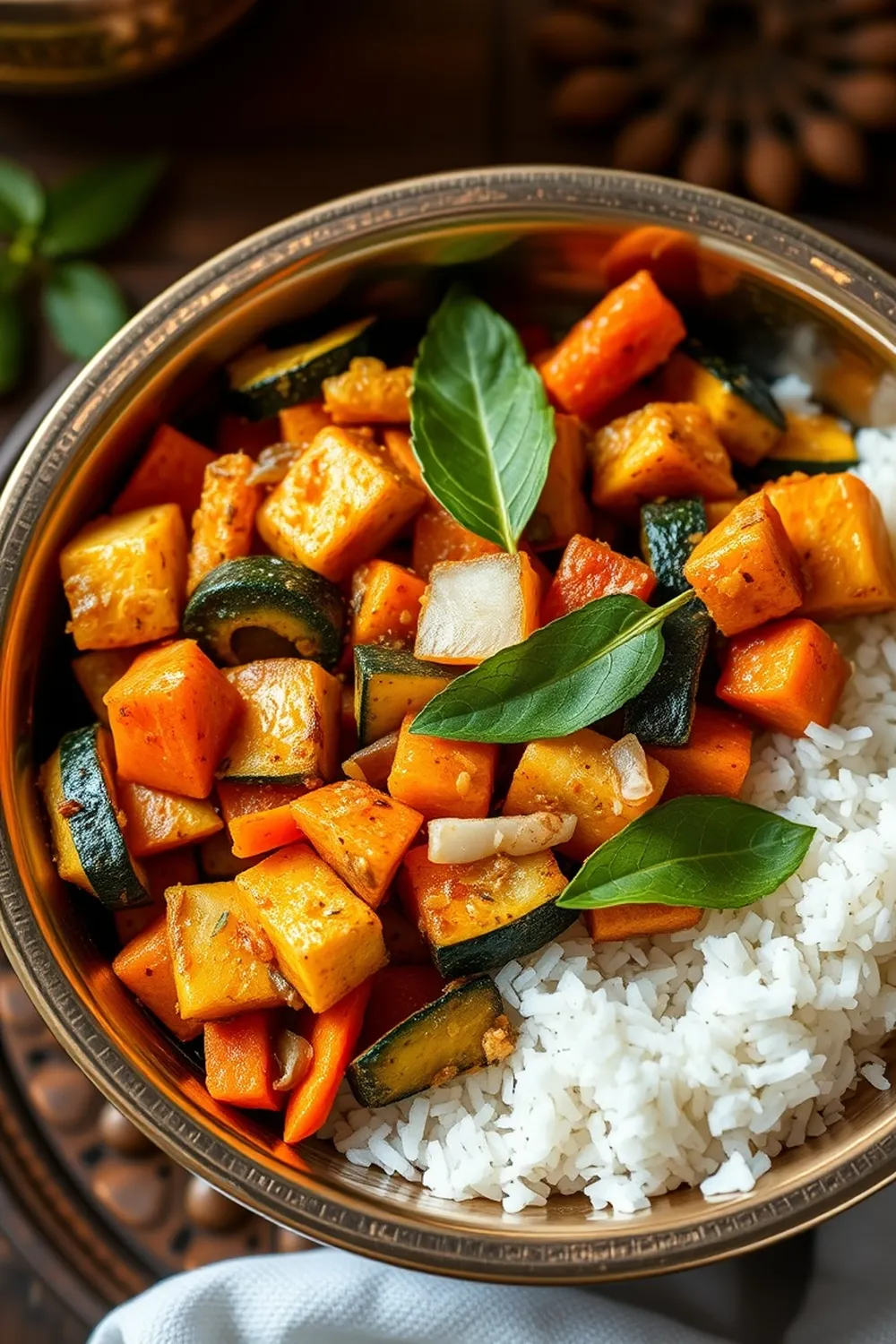
- Heat coconut oil in a pan, add mustard seeds. Once they splutter, add curry leaves and pour the tempering over the kootu.
- Calories:220 kcal25%
- Energy:920 kJ22%
- Protein:10 g28%
- Carbohydrates:30 mg40%
- Sugar:5 mg8%
- Salt:400 g25%
- Fat:8 g20%
Last Updated on 6 months ago by Neha Deshmukh
Kale & Toor Dal Kootu Recipe – Authentic South Indian Comfort Food
Hey everyone! If you’re looking for a dish that’s both incredibly nourishing and tastes like a warm hug, you’ve come to the right place. I’m so excited to share my family’s recipe for Kale & Toor Dal Kootu. It’s a South Indian staple, and honestly, it’s become a regular in my kitchen – especially on cooler evenings. It’s simple, comforting, and packed with flavour.
Why You’ll Love This Recipe
This Kootu is more than just a meal; it’s a little piece of home. It’s wonderfully easy to make, even on a busy weeknight. Plus, it’s a fantastic way to sneak in some extra greens! The combination of earthy kale, creamy toor dal, and the vibrant tempering is just… chef’s kiss. You’ll love how quickly it comes together and how satisfying it is.
Ingredients
Here’s what you’ll need to make this delicious Kale & Toor Dal Kootu:
- 1 bunch Kale (about 200g)
- 1 cup Toor Dal (approx. 175g)
- 1 teaspoon Turmeric Powder (approx. 5g)
- Salt to taste
- 1 cup Grated Coconut (approx. 100g)
- 2 Dried Red Chillies
- 1 teaspoon Cumin Seeds (approx. 5g)
- 1 teaspoon Coconut Oil (approx. 5ml)
- 1 teaspoon Black Mustard Seeds (approx. 5g)
- 6-7 Curry Leaves
Ingredient Notes
Let’s talk ingredients! A few little tips can make all the difference:
- Kale: Don’t be shy about using kale in Indian cooking! It’s a nutritional powerhouse and works beautifully in this dish. I prefer using curly kale, but lacinato (dinosaur) kale works well too. Just make sure to remove the tough stems.
- Toor Dal: Also known as split pigeon peas, toor dal is the star of many South Indian dishes. Different regions use slightly different varieties – some are paler, some are more yellow. Any good quality toor dal will work beautifully here.
- Grated Coconut: Freshly grated coconut is always best, if you can get it! It adds a lovely sweetness and aroma. But, unsweetened desiccated coconut works in a pinch – just use about ¾ cup.
- Curry Leaves: These little leaves are essential for that authentic South Indian flavour. Seriously, don’t skip them! They have a unique aroma that really elevates the dish. Fresh curry leaves are a must.
- Dried Red Chillies: Adjust the number of chillies based on your spice preference. I like to use Byadagi chillies for colour and mild heat.
Step-By-Step Instructions
Alright, let’s get cooking!
- First, give your toor dal a good rinse. Then, in a pressure cooker or saucepan, combine the rinsed toor dal, chopped kale, turmeric powder, salt, and 2 cups of water.
- If using a pressure cooker, cook for 3-4 whistles, or until the dal is completely mushy. If using a saucepan, bring to a boil, then reduce heat and simmer for about 30-40 minutes, or until the dal is soft.
- While the dal is cooking, let’s make the coconut paste. In a small grinder, combine the grated coconut, dried red chillies, and cumin seeds with 2 tablespoons of water. Grind into a smooth, fine paste.
- Once the dal is cooked, gently mash it with the back of a spoon. Stir in the coconut paste and bring the mixture back to a gentle boil.
- Now for the magic – the tempering! Heat the coconut oil in a small pan over medium heat. Add the mustard seeds and wait for them to splutter.
- Once the mustard seeds have spluttered, add the curry leaves and quickly pour the tempering over the kootu. Give it a good stir and it’s ready!
Expert Tips
- Don’t overcook the kale! It should still have a little bit of texture.
- Adjust the amount of water to achieve your desired consistency. I like mine slightly on the thicker side.
- A good quality coconut oil really makes a difference in the tempering.
Variations
Want to switch things up? Here are a few ideas:
- Vegan Adaptation: This recipe is naturally vegetarian, and easily vegan! Just ensure your coconut oil is vegan-friendly.
- Spice Level Adjustment: My friend, Priya, loves a fiery Kootu, so she adds an extra chilli or a pinch of cayenne pepper. Feel free to adjust the number of red chillies to your liking.
- Regional Variations: In Tamil Nadu, they often add a small piece of tamarind for a tangy flavour. In Kerala, you might find a touch of asafoetida (hing) in the tempering.
- Festival Adaptations: Kootu is a must-have during Onam and Pongal celebrations in South India. I often make a larger batch for these occasions.
Serving Suggestions
Kootu is best served hot with a steaming bowl of rice. It also pairs beautifully with roti or appam. A dollop of ghee on top is always a good idea! It’s also lovely with a side of papadums and a simple vegetable curry.
Storage Instructions
Leftover Kootu can be stored in an airtight container in the refrigerator for up to 3 days. Reheat gently on the stovetop or in the microwave. It actually tastes even better the next day as the flavours meld together!
FAQs
Let’s answer some common questions:
- What is Kootu and where does it originate from? Kootu is a South Indian dish made with lentils and vegetables. It’s a staple in Tamil Nadu, Kerala, and Karnataka cuisine.
- Can I use a different type of dal instead of Toor Dal? While toor dal is traditional, you can experiment with moong dal or masoor dal, but the flavour will be slightly different.
- How can I adjust the consistency of the Kootu? Add more water for a thinner consistency, or cook it for a little longer to thicken it up.
- What is the best way to grind the coconut paste? A high-powered blender or a traditional stone grinder works best. Add water gradually to achieve a smooth paste.
- Can this Kootu be made ahead of time? Absolutely! You can make the kootu a day or two in advance and store it in the refrigerator. Just remember to add the tempering right before serving for the best flavour.



Neha Deshmukh
Neha holds a B.A. in History with a focus on Indian and world history, including ancient, medieval, and modern periods. At RecipesOfIndia.org — the world’s largest database of Indian recipes — she combines her love for food and history by exploring how India’s past has shaped its culinary traditions.