- Marinate fish cubes with Kashmiri chili powder, turmeric, ginger-garlic paste, black pepper, lemon juice, coconut oil, and salt. Let sit for 30 minutes.
- Shallow fry marinated fish in a pan until nearly cooked. Set aside.
- Crush pearl onions, garlic, and ginger into a coarse paste.
- Mix the crushed paste with turmeric, red chili flakes, black pepper, coconut oil, and curry leaves.
- Heat coconut oil in the same pan. Add the spice mixture and sauté for 4-5 minutes until fragrant. Stir in fenugreek powder and soaked kudampuli pulp.
- Add fried fish to the masala. Season with salt and mix gently. Cover and simmer on low heat for 8-10 minutes.
- Garnish with fresh curry leaves and serve hot.
- Calories:280 kcal25%
- Energy:1171 kJ22%
- Protein:35 g28%
- Carbohydrates:8 mg40%
- Sugar:3 mg8%
- Salt:450 g25%
- Fat:12 g20%
Last Updated on 5 months ago by Neha Deshmukh
Kerala Fish Curry Recipe – Neymeen with Kudampuli & Coconut Oil
Hey everyone! If you’ve ever dreamt of tasting the authentic flavours of Kerala, you have to try this Neymeen (seer fish) curry. It’s a dish that instantly transports me back to my grandmother’s kitchen, filled with the aroma of coconut oil and spices. This isn’t just a recipe; it’s a little piece of Kerala’s culinary heart. I first made this when I was trying to recreate my Ammachi’s cooking, and honestly, it took a few tries to get it just right! But trust me, the effort is SO worth it.
Why You’ll Love This Recipe
This Kerala fish curry is a delightful blend of tangy, spicy, and subtly sweet flavours. The star ingredient, Kudampuli (Malabar tamarind), gives it a unique sourness that you won’t find in other fish curries. It’s relatively easy to make, and the result is a restaurant-quality dish that will impress your family and friends. Plus, it’s a healthy and delicious way to enjoy fish!
Ingredients
Here’s what you’ll need to create this magic:
- 250 gms Fish (neymeen/seer fish)
- 1.5 tsp Kashmiri chilli powder
- 0.5 tsp Turmeric powder
- 1 tsp Ginger garlic paste
- 0.5 tsp Crushed black pepper powder
- 0.5-1 tsp Lemon juice
- 0.5 tsp Coconut oil (for marination)
- Salt to taste
- 15-20 Small/pearl onion
- 2 tsp Garlic (with skin)
- 1 tsp Ginger
- 0.5 tbsp Dry red chilli flakes
- 0.5-1 tsp Crushed black pepper
- 0.5-1 tbsp Coconut oil (for masala)
- Pinch of Fenugreek (uluva) powder
- 1 piece Kudampuli (Malabar tamarind)
- Curry leaves
Ingredient Notes
Let’s talk about some key ingredients and how to get the best out of them:
Fish Selection (Neymeen/Seer Fish)
Neymeen (seer fish) is traditionally used for this curry because of its firm texture and ability to absorb flavours. However, you can substitute it with other firm white fish like pomfret or even cod if you can’t find Neymeen.
Kashmiri Chilli Powder – For Color & Mild Heat
Don’t skip this! Kashmiri chilli powder gives the curry a beautiful vibrant red colour without making it overly spicy. It’s a game changer.
Kudampuli (Malabar Tamarind) – A Unique Souring Agent
This is what sets this curry apart. Kudampuli has a distinct sour flavour that’s different from tamarind or lemon juice. You can find it in South Indian grocery stores or online. Don’t worry, I’ve included a FAQ section at the end if you’re struggling to find it!
Coconut Oil – The Heart of Kerala Cuisine
Seriously, coconut oil is essential for authentic Kerala flavours. It adds a subtle sweetness and aroma that you just can’t replicate with other oils.
Fenugreek (Uluva) Powder – Aromatic & Flavorful
A tiny pinch of fenugreek powder adds a lovely aromatic note. Be careful not to add too much, as it can be slightly bitter.
Step-By-Step Instructions
Alright, let’s get cooking!
- First, marinate the fish cubes with Kashmiri chilli powder, turmeric powder, ginger-garlic paste, crushed black pepper powder, lemon juice, 0.5 tsp coconut oil, and salt. Give it a good mix and let it sit for about 30 minutes. This allows the flavours to really penetrate the fish.
- Next, shallow fry the marinated fish in a pan until it’s nearly cooked. Don’t worry about cooking it all the way through, as it will finish cooking in the masala. Set the fried fish aside.
- Now, let’s make the masala. Crush the pearl onions, garlic (with the skin on – it adds a lovely flavour!), and ginger into a coarse paste. A mortar and pestle works best for this, but a food processor will do in a pinch.
- Mix the crushed paste with turmeric powder, red chilli flakes, crushed black pepper, 0.5-1 tbsp coconut oil, and a generous handful of curry leaves.
- Heat the remaining coconut oil in the same pan you used to fry the fish. Add the spice mixture and sauté for 4-5 minutes until fragrant. You’ll know it’s ready when the oil starts to separate from the masala. Stir in a pinch of fenugreek powder and the pulp from the soaked Kudampuli.
- Gently add the fried fish to the masala. Season with salt (remember you already added some during marination, so taste first!) and mix gently to coat the fish.
- Cover the pan and simmer on low heat for 8-10 minutes, or until the fish is cooked through and the masala has thickened.
Expert Tips
- Don’t overcrowd the pan when frying the fish. Fry in batches to ensure even cooking.
- Soaking the Kudampuli in warm water for about 15-20 minutes before using it helps to extract the pulp easily.
- Taste the masala before adding the fish and adjust the seasoning as needed.
Variations
Spice Level Adjustment
If you prefer a milder curry, reduce the amount of red chilli flakes. For a spicier kick, add a finely chopped green chilli to the masala.
Vegan Adaptation (Using Plant-Based Fish & Coconut Milk)
You can easily make this vegan by using plant-based fish alternatives and substituting coconut milk for the coconut oil in the masala.
Gluten-Free Adaptation
This recipe is naturally gluten-free!
Festival Adaptations (Onam, Vishu)
This curry is a staple during Kerala festivals like Onam and Vishu. It’s often served as part of a traditional Sadya (feast).
Serving Suggestions
Best Rice Pairings
This curry is best served with steaming hot rice. I love pairing it with Matta rice (Kerala red rice) for an authentic experience.
Side Dish Options (Thorans, Pappadums)
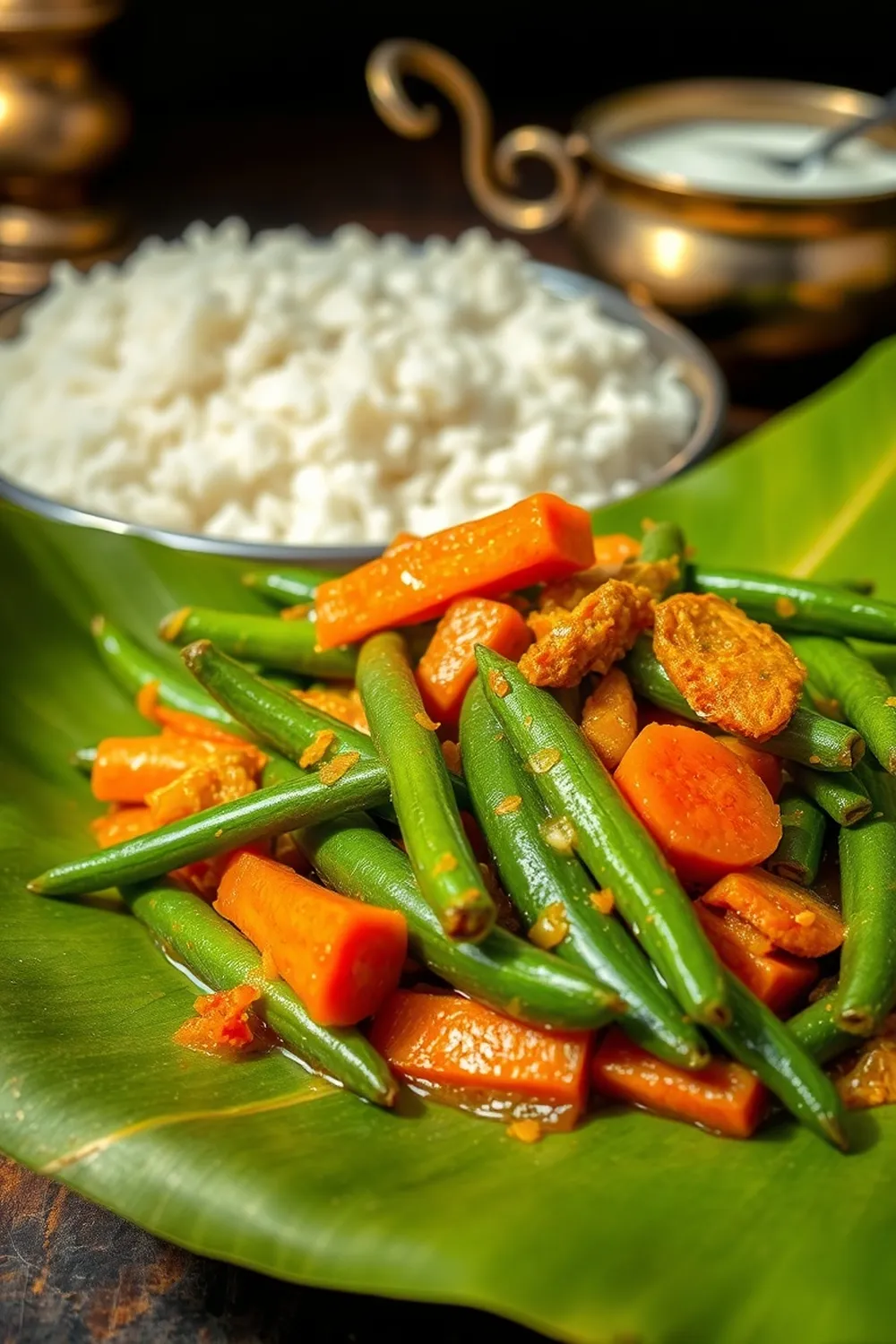
Complement the curry with some simple side dishes like thoran (stir-fried vegetables) and crispy pappadums. A simple cucumber raita also works beautifully.
Storage Instructions
Leftovers can be stored in an airtight container in the refrigerator for up to 2 days. Reheat gently on the stovetop or in the microwave. The flavours actually develop even more overnight!
FAQs
What is Kudampuli and where can I find it?
Kudampuli, also known as Malabar tamarind, is a dried fruit used for souring in Kerala cuisine. You can find it in South Indian grocery stores or online retailers. If you absolutely can’t find it, you can substitute with tamarind pulp, but the flavour won’t be quite the same.
Can I use a different type of fish for this curry?
Yes, you can! While Neymeen is traditional, pomfret, cod, or even kingfish work well. Just make sure it’s a firm white fish.
How can I adjust the sourness of the curry?
Adjust the amount of Kudampuli pulp you use. Start with one piece and add more to taste. You can also add a squeeze of lemon juice at the end if needed.
Can this curry be made ahead of time?
Yes, you can make the masala ahead of time and store it in the refrigerator for up to a day. Just add the fish and simmer when you’re ready to serve.
What is the best way to balance the spices in this recipe?
Taste as you go! Adjust the amount of chilli flakes, pepper, and salt to your liking. The key is to find a balance that suits your palate.
Is it possible to make this curry without coconut oil?
While coconut oil is traditional, you can use another neutral oil like vegetable oil or sunflower oil in a pinch. However, the flavour won’t be quite as authentic.
Enjoy this taste of Kerala! I hope you love it as much as my family does. Let me know in the comments how it turns out for you!



Neha Deshmukh
Neha holds a B.A. in History with a focus on Indian and world history, including ancient, medieval, and modern periods. At RecipesOfIndia.org — the world’s largest database of Indian recipes — she combines her love for food and history by exploring how India’s past has shaped its culinary traditions.