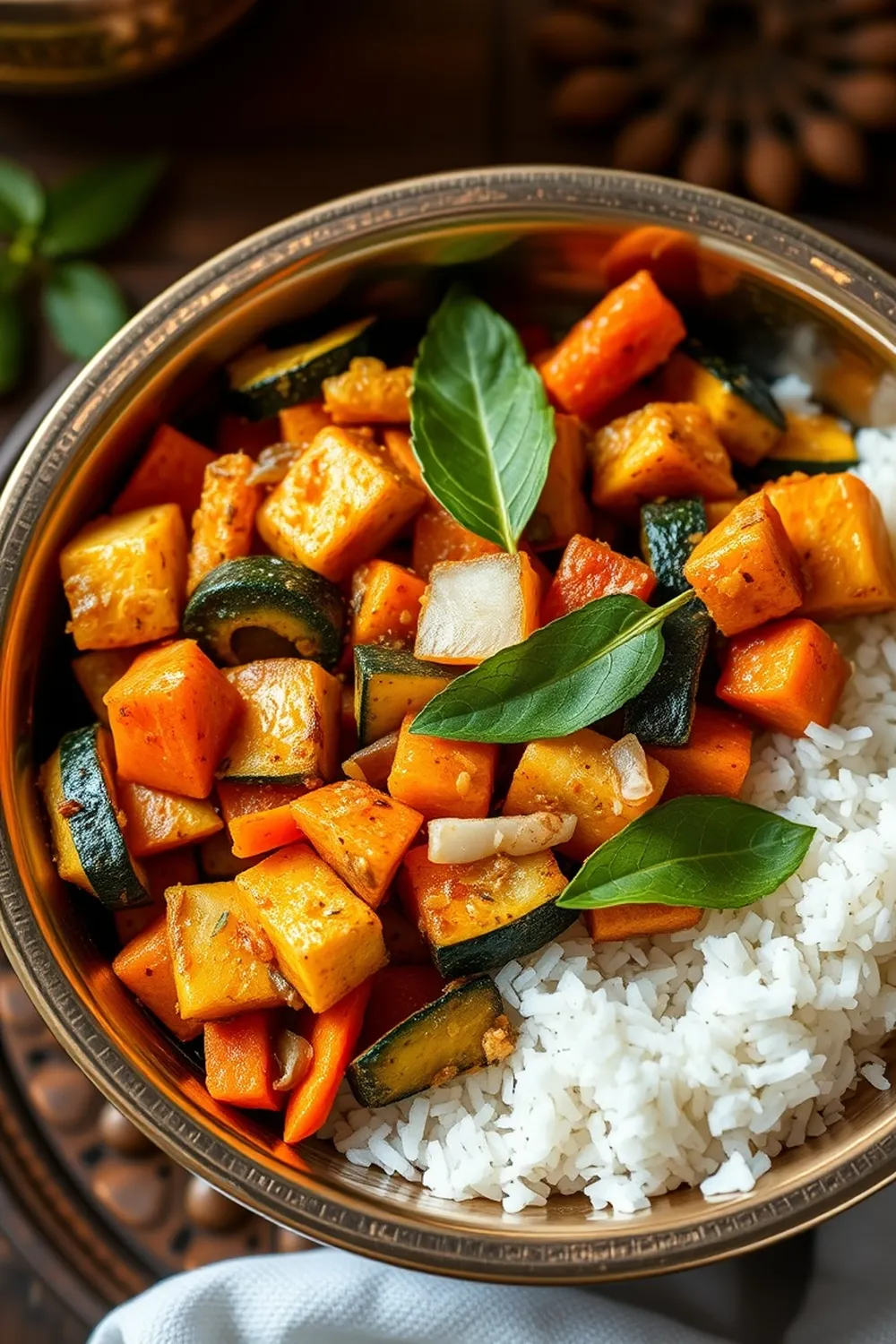
- Heat oil in a pan. Add mustard seeds and let them splutter. Then add urad dal, red chilies, and hing. Sauté until the dal turns golden brown.
- Add chopped onions, green chili, ginger, and curry leaves. Sauté until the onions become translucent.
- Stir in the mixed vegetables and sauté for 2-3 minutes until slightly tender.
- Pour in water and add salt. Bring the mixture to a boil.
- Reduce the heat to low and add the washed kodo millet. Stir continuously to combine.
- Cover the pan and cook on low heat for 10-12 minutes, stirring occasionally, until the millet is fluffy and cooked through.
- Serve hot with your favorite chutney.
- Calories:350 kcal25%
- Energy:1464 kJ22%
- Protein:10 g28%
- Carbohydrates:55 mg40%
- Sugar:3 mg8%
- Salt:300 g25%
- Fat:12 g20%
Last Updated on 6 months ago by Neha Deshmukh
Kodo Millet Recipe – Authentic Indian Varagu Vegetable Stir-Fry
Hey everyone! I’m so excited to share this simple yet incredibly flavorful Kodo Millet Vegetable Stir-Fry with you. It’s a dish that’s close to my heart – I first made it when trying to incorporate more ancient grains into our family’s diet, and it quickly became a weeknight staple. It’s healthy, quick to make, and bursting with Indian flavors. Trust me, you’ll love it!
Why You’ll Love This Recipe
This Varagu (Kodo Millet) Vegetable Stir-Fry isn’t just another healthy meal; it’s a little taste of home. It’s packed with nutrients, naturally gluten-free, and incredibly versatile. Plus, it comes together in under 30 minutes – perfect for busy evenings! It’s a fantastic way to enjoy a comforting, wholesome meal without spending hours in the kitchen.
Ingredients
Here’s what you’ll need to make this delicious stir-fry:
- 1/2 cup onion, chopped
- 1 green chilli, chopped
- 1 inch piece ginger, chopped
- 1 cup mixed vegetables (carrots, peas, beans, potatoes work well!)
- 1/2 cup varagu (kodo millet), washed
- 1 1/2 cup water
- Salt as needed
- 2 tsp oil
- 1 tsp mustard seeds
- 1 tsp urad dal (split black lentils)
- 1 red chilli, dried
- A pinch of hing (asafoetida)
- Few curry leaves
Ingredient Notes
Let’s talk ingredients! A few little notes to help you get the best results:
- Varagu/Kodo Millet: This ancient grain is a powerhouse of nutrition! It’s rich in fiber, protein, and minerals. It’s been a staple in South Indian cuisine for centuries, particularly in Karnataka and Tamil Nadu. You can usually find it at Indian grocery stores or online. If you can’t find it, see the FAQs for substitution ideas.
- Hing/Asafoetida: Don’t skip this! It has a really unique, pungent aroma when raw, but it transforms into a savory, umami flavor when cooked. It’s also fantastic for digestion. A little goes a long way.
- Oil: Traditionally, sesame oil or groundnut oil are used in South Indian cooking for their distinct flavors. However, you can use any neutral cooking oil like sunflower or vegetable oil if that’s what you have on hand. I sometimes use a little ghee for extra richness!
Step-By-Step Instructions
Alright, let’s get cooking!
- Heat the oil in a pan over medium heat. Once hot, add the mustard seeds and let them splutter – you’ll know they’re ready when they start to pop!
- Next, add the urad dal, red chilli, and hing. Sauté for a few seconds until the dal turns golden brown and fragrant. Be careful not to burn the hing!
- Now, add the chopped onions, green chilli, ginger, and curry leaves. Sauté until the onions become translucent and softened, about 3-5 minutes.
- Stir in the mixed vegetables and sauté for another 2-3 minutes, just until they start to get slightly tender.
- Pour in the water and add salt to taste. Bring the mixture to a boil.
- Reduce the heat to low, add the washed kodo millet, and stir continuously to combine everything well.
- Cover the pan and cook on low heat for 10-12 minutes, stirring occasionally, until the millet is fluffy and the water is absorbed. You might need to add a splash more water if it seems too dry.
- Once cooked, fluff up the millet with a fork and serve hot!
Expert Tips
- Washing the varagu well removes any bitterness.
- Don’t overcrowd the pan when sautéing the vegetables. Work in batches if necessary.
- Adjust the amount of green chilli according to your spice preference.
Variations
- My Mom’s Version: She always adds a handful of chopped tomatoes along with the onions for a slightly tangy flavor.
- Peanut Power: My friend loves adding a tablespoon of roasted peanuts towards the end for a crunchy texture.
- Coconut Delight: A sprinkle of grated coconut after cooking adds a lovely sweetness and aroma.
Vegan Adaptation
This recipe is naturally vegan! Just ensure the oil you use is plant-based.
Gluten-Free Confirmation
Yes! This recipe is 100% gluten-free, making it a great option for those with gluten sensitivities.
Spice Level Adjustment (Mild, Medium, Spicy)
- Mild: Reduce or omit the green chilli.
- Medium: Use one green chilli, finely chopped.
- Spicy: Add an extra green chilli or a pinch of red chilli powder.
Festival Adaptation (Navratri/Fasting Friendly)
This recipe is perfect for Navratri or other fasting periods! Just ensure you’re using permitted ingredients according to your fasting rules.
Serving Suggestions
This Kodo Millet Vegetable Stir-Fry is delicious on its own, but it’s even better with:
- A side of cooling yogurt or raita.
- Your favorite chutney – coconut chutney or tomato chutney are excellent choices.
- A simple dal (lentil soup).
Storage Instructions
Leftovers can be stored in an airtight container in the refrigerator for up to 2 days. Reheat gently on the stovetop or in the microwave.
FAQs
What is Varagu/Kodo Millet and where can I find it?
Varagu, also known as Kodo Millet, is an ancient grain popular in South India. You can find it at Indian grocery stores, health food stores, or online retailers.
Can I use other millets instead of Kodo Millet in this recipe?
Yes, you can! Foxtail millet (tenai) or little millet (kuthiraval) are good substitutes. You might need to adjust the cooking time slightly depending on the type of millet you use.
How can I adjust the spice level of this stir-fry?
Easily! Reduce or omit the green chilli for a milder flavor, or add more for a spicier kick.
Is Hing/Asafoetida essential for this recipe, and can I substitute it?
While hing adds a unique flavor, you can substitute it with a pinch of garlic powder or onion powder if you don’t have it on hand. However, the flavor won’t be quite the same.
How long does cooked Kodo Millet stay fresh?
Cooked Kodo Millet will stay fresh in the refrigerator for up to 2 days when stored in an airtight container.



Neha Deshmukh
Neha holds a B.A. in History with a focus on Indian and world history, including ancient, medieval, and modern periods. At RecipesOfIndia.org — the world’s largest database of Indian recipes — she combines her love for food and history by exploring how India’s past has shaped its culinary traditions.