- Pressure cook moong dal with water for 3 whistles on medium heat.
- Clean and separate Manathakkali keerai leaves from the stalks. Boil water, add leaves, and cook until tender. Add salt and a pinch of sugar.
- Mix sambar powder and turmeric powder into the cooked greens. Simmer for 1 minute.
- Grind grated coconut with a little water to a smooth paste.
- Add the cooked dal and coconut paste to the greens. Stir well and bring to a boil.
- Heat oil in a pan. Temper mustard seeds, urad dal, cumin seeds, and chopped shallots until golden brown. Pour this tempering over the kootu and mix.
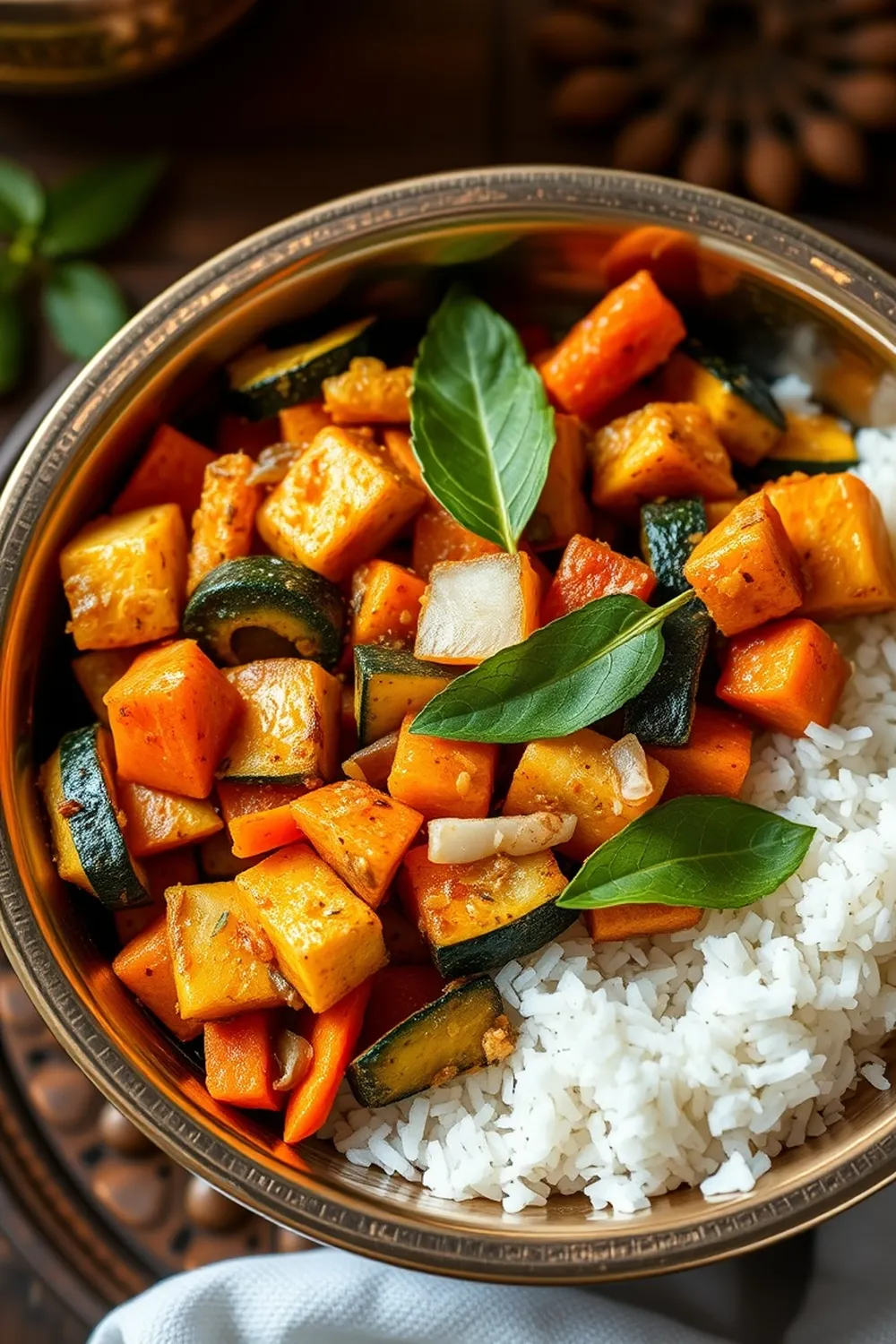
- Serve hot with steamed rice and rasam.
- Calories:150 kcal25%
- Energy:627 kJ22%
- Protein:5 g28%
- Carbohydrates:15 mg40%
- Sugar:2 mg8%
- Salt:300 g25%
- Fat:8 g20%
Last Updated on 6 months ago by Neha Deshmukh
Manathakkali Keerai Kootu Recipe – Authentic Moong Dal & Greens
Introduction
There’s just something so comforting about a warm bowl of kootu with rice and rasam, isn’t there? It’s the kind of dish my grandmother used to make, and the aroma always filled the house with such a cozy feeling. Today, I’m sharing my version of Manathakkali Keerai Kootu – a South Indian classic packed with flavour and goodness. It’s surprisingly easy to make, and I promise, it’ll become a regular on your dinner table too!
Why You’ll Love This Recipe
This Manathakkali Keerai Kootu is more than just a delicious meal. It’s a celebration of simple ingredients and traditional flavours. It’s healthy, comforting, and comes together relatively quickly – perfect for a weeknight dinner. Plus, it’s a fantastic way to get your greens in!
Ingredients
Here’s what you’ll need to make this delightful kootu:
- 3 cups Manathakkali Keerai (Black Nightshade)
- ¼ cup Moong Dal (Yellow Split Lentils) – about 75g
- ½ cup Coconut, grated – about 50g
- 1 teaspoon Sambar Powder
- ¼ teaspoon Turmeric Powder – about 1g
- ⅛ teaspoon Sugar – about 0.6g
- Salt to taste
- 2 teaspoons Oil
- ½ teaspoon Mustard Seeds
- 1 teaspoon Urad Dal (Split Black Gram) – about 6g
- 1 teaspoon Cumin Seeds – about 5g
- 4 Shallots, finely chopped
Ingredient Notes
Let’s talk ingredients! A few little tips can make all the difference.
Manathakkali Keerai (Black Nightshade) – Benefits & Selection
Manathakkali Keerai is a powerhouse of nutrients! It’s known for its medicinal properties and is especially good for digestive health. When choosing, look for vibrant green leaves that aren’t wilted or bruised.
Moong Dal – Choosing the Right Type
I prefer using split yellow moong dal (pesal) for this recipe. It cooks quickly and blends beautifully into the kootu. You can find it at any Indian grocery store.
Coconut – Fresh vs. Dried
Freshly grated coconut is always best, if you can get it. But if you’re short on time, unsweetened desiccated coconut works well too. Just add a little extra water when grinding to get a smooth paste.
Sambar Powder – Regional Variations & Homemade Options
Sambar powder can vary quite a bit depending on the region. Feel free to use your favourite brand! If you’re feeling ambitious, you can even make your own – it’s so rewarding.
Oil – Traditional South Indian Oils
Traditionally, gingelly oil (sesame oil) is used for tempering in South Indian cuisine. But you can also use coconut oil or vegetable oil if that’s what you have on hand.
Step-By-Step Instructions
Alright, let’s get cooking!
- First, let’s get the dal going. Pressure cook the moong dal with about 1 cup of water for 3 whistles on medium flame. Once the pressure releases naturally, set it aside.
- While the dal is cooking, wash the Manathakkali Keerai thoroughly. Carefully separate the leaves from the stalks – we only want the leaves for this recipe.
- Bring a pot of water to a boil. Add the keerai leaves and cook until they’re tender, about 5-7 minutes. Drain the water and add a pinch of salt and sugar.
- Now, add the sambar powder and turmeric powder to the cooked greens. Give it a good stir and simmer for about a minute to let the flavours meld.
- Grind the grated coconut with about ¼ cup of water to a smooth, creamy paste.
- Add the cooked dal and the coconut paste to the greens. Stir everything well and bring it to a gentle boil.
- Time for the tempering! Heat the oil in a small pan. Once hot, add the mustard seeds. When they splutter, add the urad dal and cumin seeds. Let them turn golden brown, then add the chopped shallots and fry until they’re crispy and golden.
- Pour this fragrant tempering over the kootu and give it a final mix.
And that’s it! Your Manathakkali Keerai Kootu is ready to be enjoyed.
Expert Tips
- Don’t overcook the keerai – you want it to retain some texture.
- Adjust the amount of sambar powder to your liking.
- A good tempering is key to a flavourful kootu, so don’t rush it!
Variations
- My Family’s Touch: My aunt always adds a small piece of asafoetida (hing) to the tempering – it adds a lovely depth of flavour.
- Spicier Kootu: Add a finely chopped green chilli to the tempering for a little extra heat.
- Different Greens: Feel free to experiment with other greens like spinach or amaranth.
Vegan Adaptation
This recipe is naturally vegan! Just ensure your sambar powder doesn’t contain any animal-derived ingredients.
Gluten-Free Adaptation
This recipe is also naturally gluten-free.
Spice Level Adjustment
Reduce or omit the sambar powder to lower the spice level. You can also add a pinch of sugar to balance the flavours.
Festival Adaptations (Pongal, Onam)
Kootu is a staple during festivals like Pongal and Onam in South India. It’s often served as part of a traditional sadhya (feast).
Serving Suggestions
Serve hot with steamed rice and a side of rasam. A dollop of ghee on top is always a good idea! It also pairs beautifully with papadums and a simple yogurt raita.
Storage Instructions
Leftover Manathakkali Keerai Kootu can be stored in an airtight container in the refrigerator for up to 3 days. Reheat gently before serving.
FAQs
What is Manathakkali Keerai and is it safe to eat?
Manathakkali Keerai, also known as Black Nightshade, is a leafy green vegetable commonly used in South Indian cuisine. It’s perfectly safe to eat when cooked properly. However, it’s important to use only the leaves and avoid the stems and berries, as they can be toxic.
Can I use a different type of dal instead of moong dal?
While moong dal is traditional, you can use toor dal (split pigeon peas) or masoor dal (red lentils) as a substitute. Keep in mind that the cooking time may vary.
How can I adjust the consistency of the kootu?
If you prefer a thinner kootu, add a little more water. For a thicker consistency, simmer it for a longer time to allow some of the liquid to evaporate.
Can I make this kootu ahead of time?
Yes, you can! The kootu actually tastes even better the next day as the flavours have time to develop.
What is the best way to store leftover Manathakkali Keerai Kootu?
Store it in an airtight container in the refrigerator. Reheat gently on the stovetop or in the microwave.


Neha Deshmukh
Neha holds a B.A. in History with a focus on Indian and world history, including ancient, medieval, and modern periods. At RecipesOfIndia.org — the world’s largest database of Indian recipes — she combines her love for food and history by exploring how India’s past has shaped its culinary traditions.