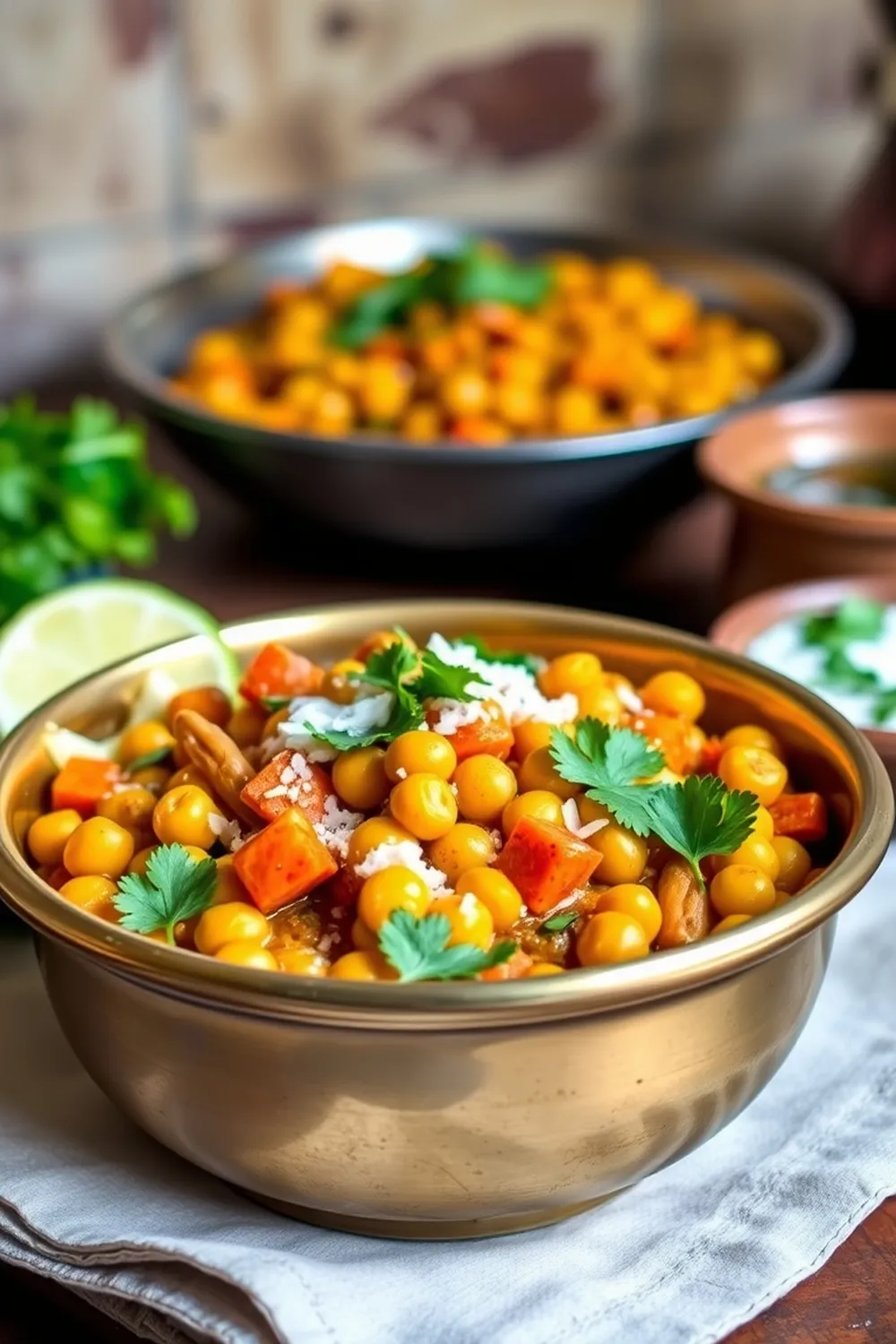
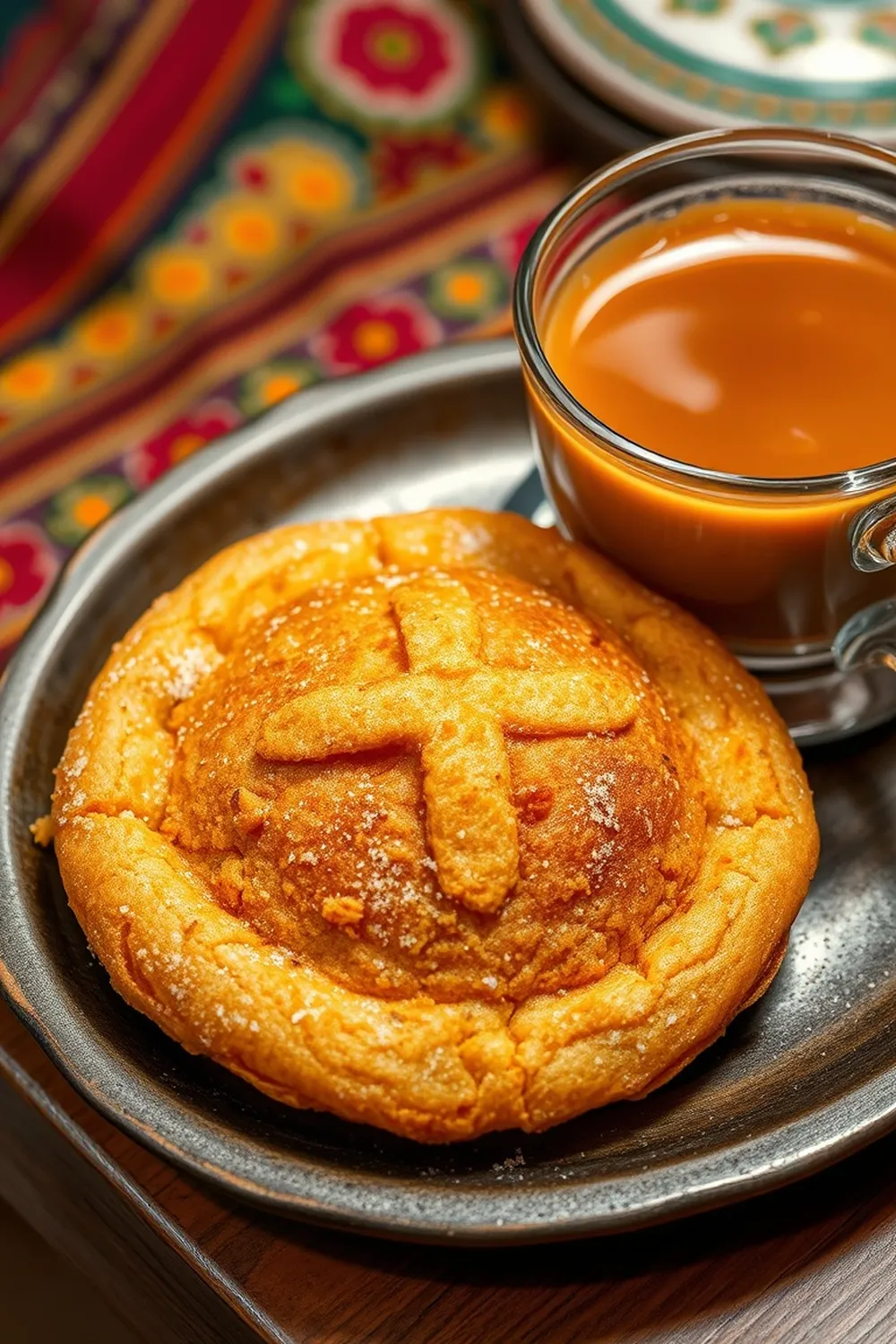
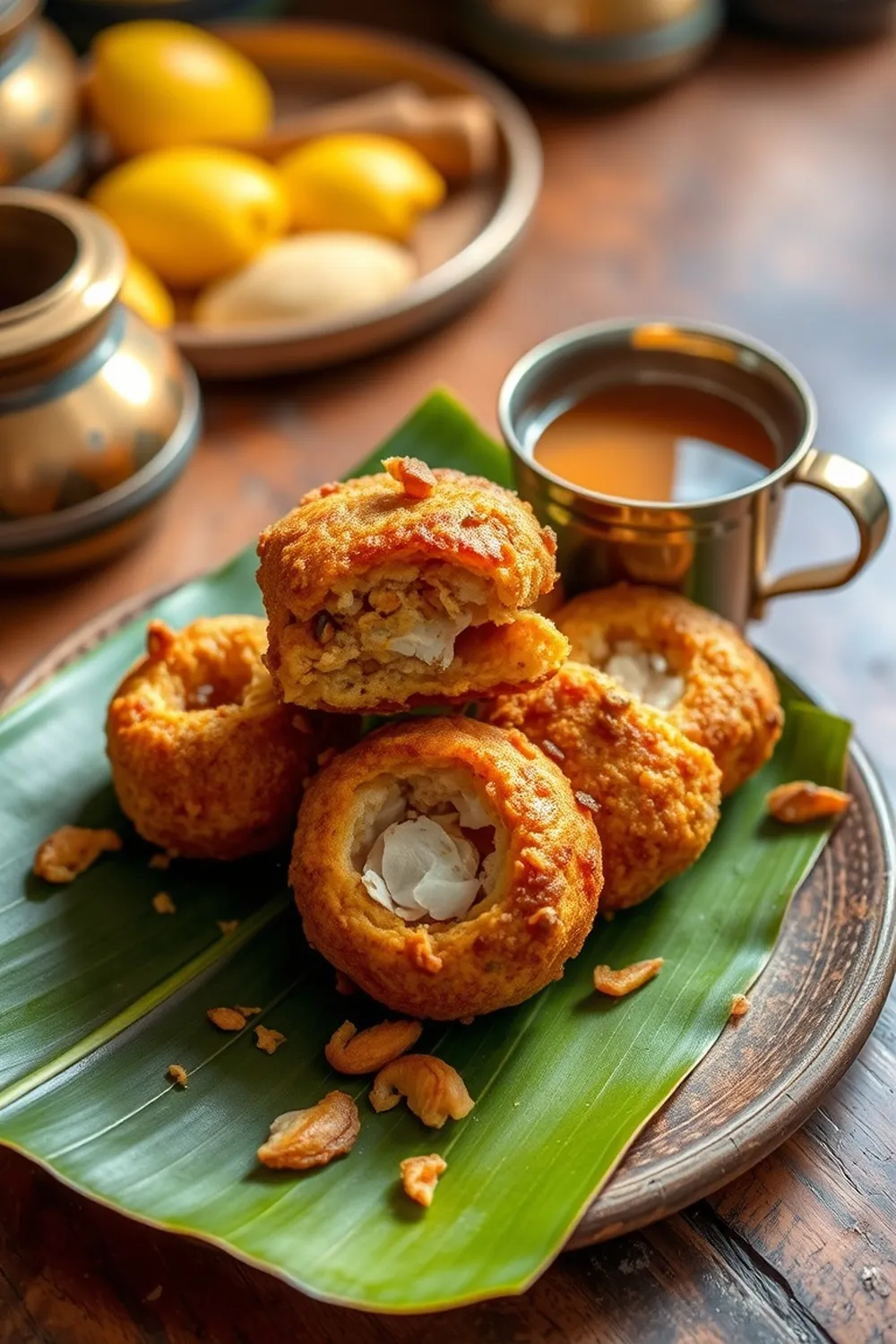
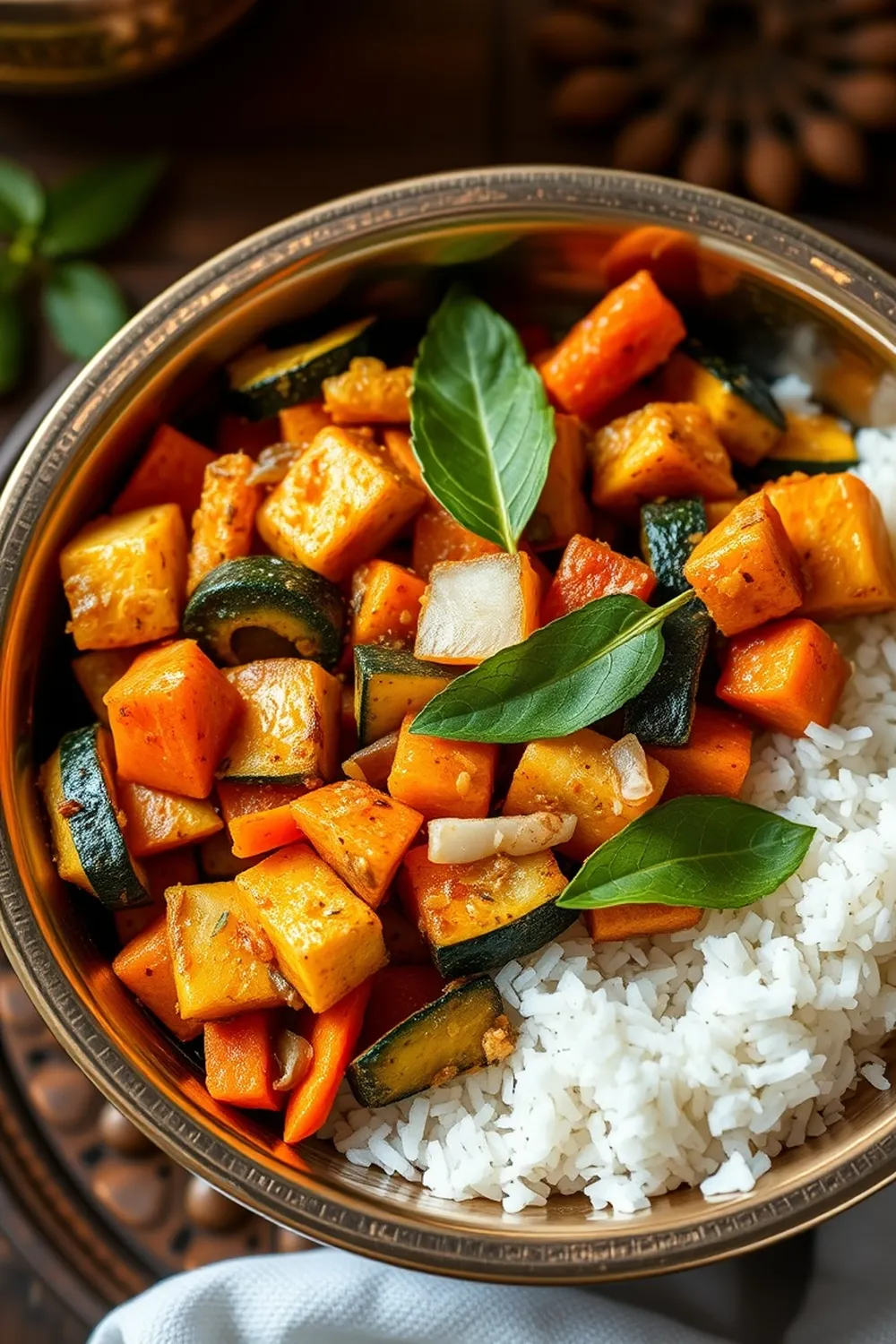
- Soak millets, rice, urad dal, and fenugreek seeds for 5-6 hours. Grind into a smooth batter with idli consistency.
- Ferment the batter with salt for 7-8 hours (or overnight).
- Soak Bengal gram dal in hot water for 10 minutes; drain well.
- Heat oil, temper mustard seeds, urad dal, chana dal (Bengal gram), hing (asafoetida), and peppercorns until golden brown.
- Add onions, ginger, green chilies, coriander leaves, curry leaves, and salt. Sauté until onions soften.
- Cool the seasoning mixture and mix into the fermented batter.
- Heat a paniyaram pan, add oil to each cavity, and pour batter into the holes.
- Cook covered on low heat until edges lift. Flip and cook uncovered until golden brown.
- Serve hot with spicy red chutney and ginger tea.
- Calories:120 kcal25%
- Energy:502 kJ22%
- Protein:4 g28%
- Carbohydrates:18 mg40%
- Sugar:1 mg8%
- Salt:250 g25%
- Fat:5 g20%
Last Updated on 6 months ago by Neha Deshmukh
Millet Paniyarams Recipe – Authentic South Indian Savory Bites
Hey everyone! If you’re anything like me, you’re always on the lookout for healthy and delicious snacks. And let me tell you, these Millet Paniyarams are it. I first made these a few years ago, trying to incorporate more millets into our diet, and they’ve been a family favorite ever since. They’re fluffy, savory little bites that are perfect for breakfast, a snack, or even a light dinner. Plus, they’re surprisingly easy to make!
Why You’ll Love This Recipe
These aren’t your average paniyarams. We’re taking a traditional South Indian favorite and giving it a superfood boost with a blend of nutritious millets. They’re packed with flavor, incredibly satisfying, and a fantastic way to enjoy a guilt-free treat. Honestly, once you try these, you’ll be hooked! They’re also a wonderful way to introduce millets to those who are new to them.
Ingredients
Here’s what you’ll need to make these delightful Millet Paniyarams:
- ¼ cup Barnyard millet (Kuthiraivaali)
- ¼ cup Foxtail millet (Thinai)
- ¼ cup Kodo millet (Varagu)
- ¼ cup Par-boiled idli rice
- ¼ cup Whole skinned urad dal
- 1 tsp Fenugreek seeds
- To taste Salt
- 1 cup Pearl Onion (heaped, finely chopped)
- 1-2 Green chili (finely chopped)
- 1 inch piece Ginger (finely chopped)
- 2 tbsp Coriander leaves (finely chopped)
- 2 sprigs Curry Leaves (chopped)
- 2 tbsp Oil
- 1 tsp Mustard seeds
- 2 tsp Urad dal
- 1 tbsp Bengal gram dal
- ¾ – 1 tsp Peppercorns
- A generous pinch Hing (Asafoetida)
Ingredient Notes
Let’s talk about these ingredients for a sec! Using the right ones makes all the difference.
- Millets: Barnyard millet, foxtail millet, and kodo millet are all incredibly nutritious. Barnyard millet is particularly easy to digest, foxtail millet is a good source of protein, and kodo millet is rich in iron. Feel free to experiment with other millets too!
- Par-boiled Idli Rice: This type of rice is partially boiled in its husk, which helps retain more nutrients and gives the paniyarams a lovely texture. It’s a staple in South Indian cooking for a reason.
- Whole Skinned Urad Dal: This lentil is key for the fermentation process and gives the paniyarams their fluffy texture.
- Hing (Asafoetida): Don’t skip this! It adds a unique savory flavor. You can find it in most Indian grocery stores. The aroma is strong, but it mellows out beautifully when cooked. My grandmother always said a pinch of hing aids digestion – a little bit of wisdom passed down through generations! Different regions in India use different varieties of hing, some more pungent than others.
Step-By-Step Instructions
Alright, let’s get cooking!
- First, combine the millets, rice, urad dal, and fenugreek seeds in a large bowl. Add plenty of water to cover them and soak for 5-6 hours, or even overnight.
- Once soaked, drain the water and grind the mixture into a smooth batter, similar to idli batter consistency. Add water gradually while grinding to achieve the right texture.
- Add salt to the batter and mix well. Now, let it ferment for 7-8 hours, or overnight, in a warm place. This is crucial for that lovely fluffy texture!
- While the batter is fermenting, let’s prepare the seasoning. Soak the Bengal gram dal in hot water for about 10 minutes. Then, drain and pat it completely dry.
- Heat the oil in a pan over medium heat. Add the mustard seeds and let them splutter. Then, add the urad dal and Bengal gram dal and sauté until golden brown.
- Add a generous pinch of hing, peppercorns, chopped onions, ginger, green chili, coriander leaves, and curry leaves. Sauté until the onions soften and turn translucent.
- Let the seasoning cool completely before gently mixing it into the fermented batter.
- Heat a paniyaram pan (you can find these online or in Indian grocery stores) over medium-low heat. Add a little oil to each cavity.
- Pour the batter into each cavity, filling it about ¾ full. Cover the pan and cook for a few minutes until the edges start to lift.
- Remove the lid and cook uncovered for another minute or two, until the paniyarams are golden brown and crispy. Flip them carefully and cook the other side until golden.
- Serve hot!
Expert Tips
- Batter Consistency: The batter should be smooth and pourable, but not too runny. If it’s too thick, add a little water.
- Fermentation: Fermentation time will vary depending on the weather. In colder climates, it might take longer.
- Paniyaram Pan: Make sure your paniyaram pan is well-heated before adding the batter. This will help create a crispy exterior.
Variations
- Vegan Adaptation: Simply ensure you use a plant-based oil for cooking.
- Gluten-Free: These paniyarams are naturally gluten-free!
- Spice Level: Adjust the amount of green chili to your liking. My friend loves to add a little red chili powder for an extra kick.
- Festival Adaptations: These are often made during Ganesh Chaturthi/Vinayaka Chavithi as an offering to the deity.
Serving Suggestions
These are best enjoyed hot, straight off the pan! Serve them with a spicy red chutney (tomato chutney or coconut chutney work wonderfully) and a cup of hot ginger tea. They also pair well with sambar.
Storage Instructions
Leftover paniyarams can be stored in an airtight container in the refrigerator for up to 2 days. Reheat them in a pan or toaster oven to restore their crispiness.
FAQs
1. What is the best way to grind the millet batter for the perfect consistency?
Grind in batches, adding water gradually. You want a smooth batter, similar to idli batter. A high-powered blender works best, but a regular blender will do if you soak the millets long enough.
2. Can I use a different type of millet in this recipe? If so, what adjustments should I make?
Yes, you can! Little millet (Kutki) or pearl millet (Bajra) would also work. You might need to adjust the amount of water slightly, as different millets absorb water differently.
3. How do I know when the paniyarams are cooked through?
The edges will lift from the pan, and they’ll be golden brown and crispy on both sides. You can also gently poke one with a toothpick – it should come out clean.
4. What is the traditional chutney served with paniyarams, and where can I find a recipe?
Tomato chutney and coconut chutney are the most common. You can find tons of recipes online! Just search for “South Indian tomato chutney recipe” or “South Indian coconut chutney recipe.”
5. Can I make the batter ahead of time, and if so, how long will it keep?
Yes, you can! You can make the batter a day ahead and store it in the refrigerator. It might take a little longer to ferment in the fridge, so give it extra time.
Enjoy making these delicious and healthy Millet Paniyarams! Let me know how they turn out in the comments below. Happy cooking!


Neha Deshmukh
Neha holds a B.A. in History with a focus on Indian and world history, including ancient, medieval, and modern periods. At RecipesOfIndia.org — the world’s largest database of Indian recipes — she combines her love for food and history by exploring how India’s past has shaped its culinary traditions.