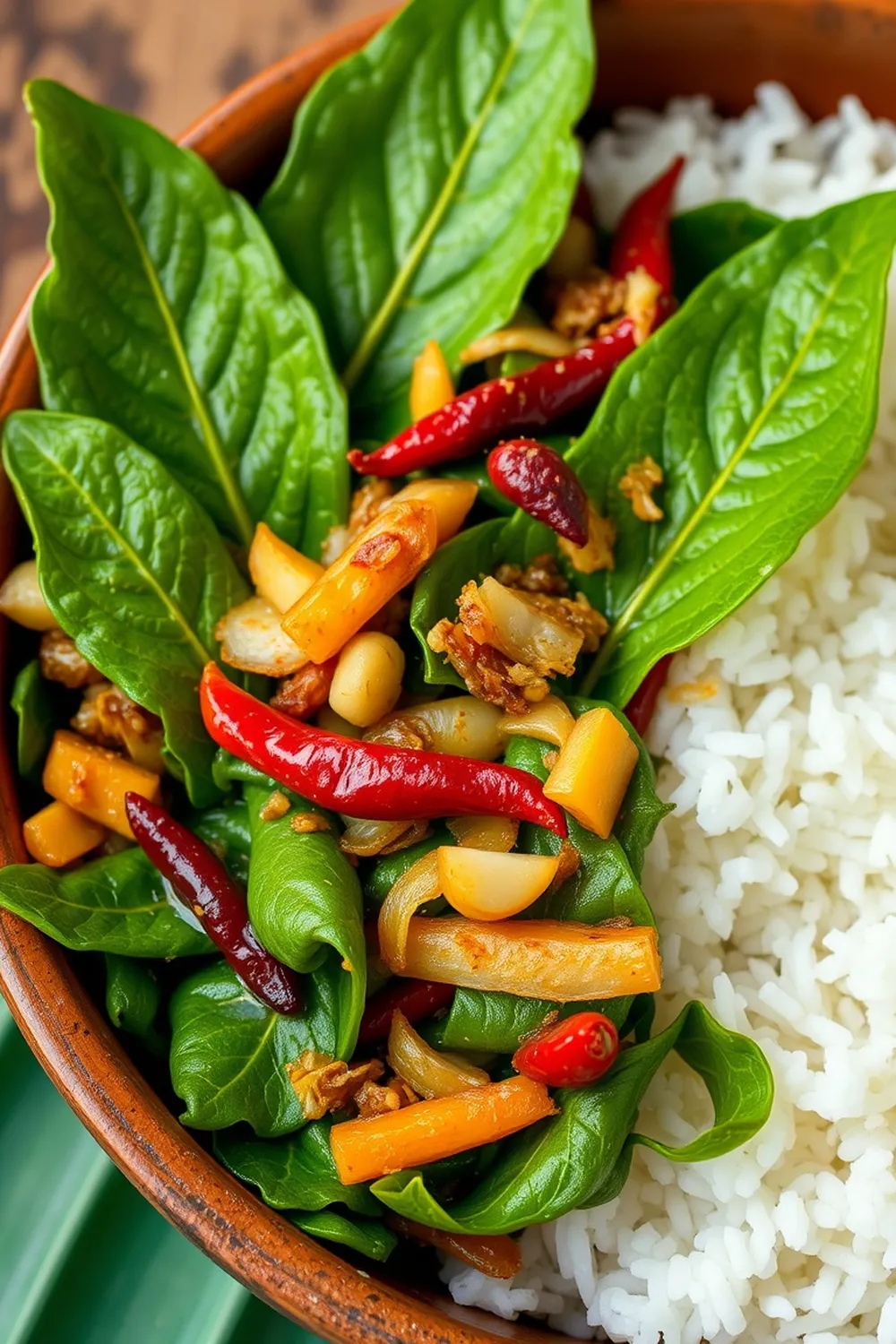
- Clean and roughly chop the amaranth greens after washing them thoroughly to remove dirt. Drain excess water to keep the greens crisp.
- Heat sesame oil in a pan. Add mustard seeds, cumin seeds, and broken dried red chilies. Sauté until mustard seeds crackle.
- Add finely chopped onions and cook until soft and lightly browned.
- Add chopped greens and sauté for 2-3 minutes until wilted but vibrant green. Avoid overcooking.
- Season with salt and mix well. Stir in fresh grated coconut and cook for 1 minute.
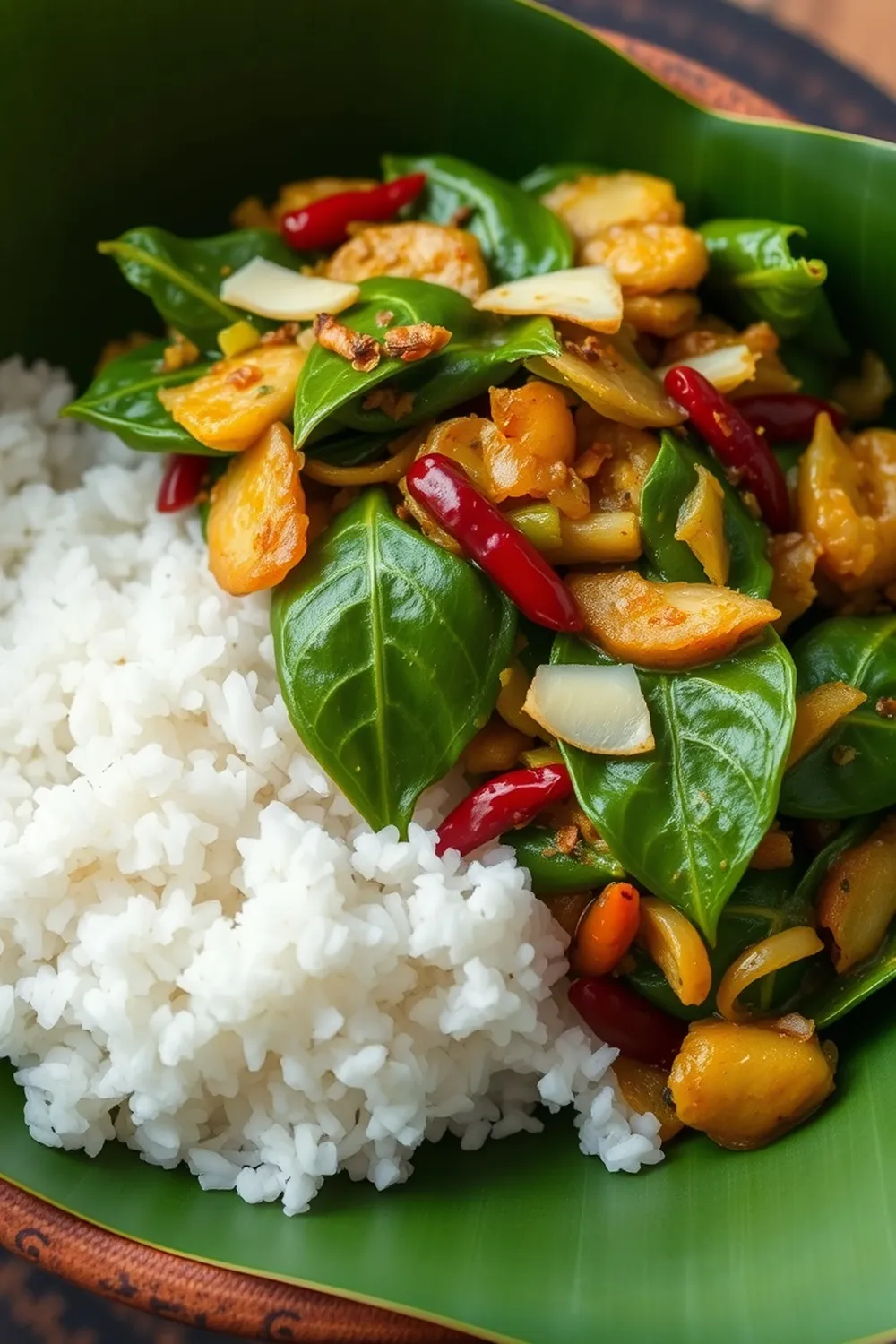
- Serve hot with steamed rice or as a side dish.
- Calories:75 kcal25%
- Energy:313 kJ22%
- Protein:3 g28%
- Carbohydrates:8 mg40%
- Sugar:2 mg8%
- Salt:300 g25%
- Fat:4 g20%
Last Updated on 6 months ago by Neha Deshmukh
Mulai Keerai Recipe – Authentic Amaranth Greens Stir-Fry with Coconut
Hey everyone! Today, I’m sharing a recipe that’s incredibly close to my heart – Mulai Keerai Poriyal. It’s a simple, vibrant stir-fry of amaranth greens, bursting with South Indian flavors. This dish is a staple in many Tamil households, and honestly, it’s one I first learned to make properly when I was trying to impress my mother-in-law! It’s surprisingly easy, and the results are so rewarding.
Why You’ll Love This Recipe
This Mulai Keerai recipe is more than just a quick side dish. It’s a celebration of fresh, seasonal ingredients and the beautiful simplicity of South Indian cooking. It’s ready in under 30 minutes, packed with nutrients, and tastes amazing with a steaming plate of rice and dal. Plus, the aroma while it’s cooking? Divine!
Ingredients
Here’s what you’ll need to make this delicious Mulai Keerai Poriyal:
- 250 grams Mulai Keerai (Amaranth Greens)
- 2 teaspoons Indian sesame oil
- ¼ teaspoon mustard seeds
- ¼ teaspoon cumin seeds
- 2 dried red chillies
- 1 cup onions, finely chopped
- ½ teaspoon salt
- ⅓ cup fresh shredded coconut
Ingredient Notes
Let’s talk about these ingredients for a sec – a few little tips can make all the difference!
Mulai Keerai (Amaranth Greens) – Regional Variations & Health Benefits
Mulai Keerai, also known as amaranth greens, is a powerhouse of nutrients! It’s rich in iron, calcium, and vitamins. You can find different varieties – some with broader leaves, others more slender. They all work beautifully in this recipe. In some regions, it’s called ‘Cholai Keerai’ or ‘Thottakoora’.
Indian Sesame Oil – Why It’s Traditionally Used
Don’t skip the Indian sesame oil (also called nallennai). It has a distinct nutty flavor that’s essential to the authentic taste of this dish. It’s different from regular sesame oil, so try to find the Indian variety if you can.
Mustard & Cumin Seeds – The Foundation of South Indian Flavor
These little seeds are the backbone of so many South Indian dishes. They create a lovely aromatic base when tempered in hot oil.
Dried Red Chillies – Adjusting the Spice Level
I use 2 dried red chillies for a mild kick. Feel free to add more if you like things spicier! You can also remove the seeds for less heat.
Fresh Shredded Coconut – Importance of Freshness
Freshly grated coconut is key here. It adds a wonderful sweetness and texture. Frozen coconut can work in a pinch, but it won’t have the same vibrant flavor.
Step-By-Step Instructions
Alright, let’s get cooking!
- First, give the amaranth greens a really good wash. I usually soak them in a bowl of water for a few minutes to loosen any dirt, then rinse them thoroughly. Roughly chop them and drain well – you don’t want a soggy stir-fry!
- Heat the sesame oil in a pan over medium heat. Once it’s hot, add the mustard seeds. Wait for them to splutter and crackle – that’s when you know they’re ready.
- Next, add the cumin seeds and dried red chillies. Sauté for a few seconds until fragrant.
- Now, toss in the chopped onions and cook until they’re soft and lightly browned. This usually takes about 3-5 minutes.
- Add the chopped amaranth greens to the pan. Sauté for 2-3 minutes, just until they wilt. You want them to stay vibrant green, so don’t overcook them!
- Season with salt and mix well. Finally, stir in the fresh grated coconut and cook for another minute. That’s it!
Expert Tips
Here are a few things I’ve learned over the years to make this recipe even better:
Achieving the Perfect Texture for Mulai Keerai
The key is to not overcook the greens. You want them to be tender-crisp, not mushy.
Preventing the Greens from Becoming Bitter
Amaranth greens can sometimes have a slightly bitter taste. Thorough washing and quick cooking help minimize this.
Using the Right Pan for Stir-Frying
A wide, shallow pan or wok works best for stir-frying. This allows the greens to cook evenly and quickly.
Variations
Want to switch things up? Here are a few ideas:
Vegan Adaptation
This recipe is naturally vegan!
Gluten-Free Adaptation
This recipe is naturally gluten-free!
Spice Level Adjustment – Mild to Spicy
Adjust the number of dried red chillies to your liking. You can also add a pinch of red chilli powder for extra heat.
Festival Adaptation – Pongal/Makar Sankranti Special
During Pongal or Makar Sankranti, some families add a small amount of cooked moong dal to the stir-fry for extra protein and flavor.
Serving Suggestions
Mulai Keerai Poriyal is best served hot, alongside steamed rice and a comforting dal. It also makes a lovely side dish with roti or paratha. My family loves it with a simple rasam!
Storage Instructions
Leftovers can be stored in an airtight container in the refrigerator for up to 2 days. Reheat gently before serving.
FAQs
Let’s answer some common questions:
What is Mulai Keerai and where can I find it?
Mulai Keerai is amaranth greens, a leafy vegetable popular in South Indian cuisine. You can often find it at Indian grocery stores or farmers’ markets.
Can I use frozen amaranth greens instead of fresh?
While fresh is best, frozen can work in a pinch. Just make sure to thaw it completely and squeeze out any excess water before using.
What is the best way to clean amaranth greens thoroughly?
Soak the greens in a bowl of water for a few minutes, then rinse them several times until all the dirt is gone.
Can I substitute coconut oil for sesame oil?
You can, but it will change the flavor profile. Coconut oil will give it a slightly sweeter taste.
How can I adjust the salt level in this recipe?
Start with ½ teaspoon of salt and add more to taste.
What other dishes can I make with Mulai Keerai?
You can add it to soups, stews, or even make a delicious Mulai Keerai chutney!


Neha Deshmukh
Neha holds a B.A. in History with a focus on Indian and world history, including ancient, medieval, and modern periods. At RecipesOfIndia.org — the world’s largest database of Indian recipes — she combines her love for food and history by exploring how India’s past has shaped its culinary traditions.