- Roast poppy seeds in a dry saucepan for 2-3 minutes, or until fragrant. Set aside.
- Melt jaggery with 1/2 cup water in a pot. Strain to remove impurities, return to the heat, and simmer until thickened (about 8-10 minutes).
- Add grated coconut to the jaggery syrup. Cook for 5-7 minutes, stirring constantly, until the mixture thickens and comes together.
- Mix in crushed cardamom and roasted poppy seeds. Allow the filling to cool slightly, then divide into 9 equal portions and form into balls.
- Prepare dough: Bring 3/4 cup water to a boil with 1/2 tsp salt and 2 tsp coconut oil. Reduce heat and gradually stir in 1 cup rice flour to form a soft dough.
- Let the dough cool slightly, then knead until smooth and pliable. Divide into 9 equal portions.
- Flatten each dough portion into a 3-4 inch disc. Place a filling ball in the center and seal the edges to form a dumpling.
- Grease a steamer and steam the dumplings for 15-20 minutes, or until they become shiny and translucent.
- Calories:172 kcal25%
- Energy:719 kJ22%
- Protein:2 g28%
- Carbohydrates:28 mg40%
- Sugar:12 mg8%
- Salt:69 g25%
- Fat:6 g20%
Last Updated on 5 months ago by Neha Deshmukh
Poppy Seed Coconut Modak Recipe – Traditional Indian Sweet
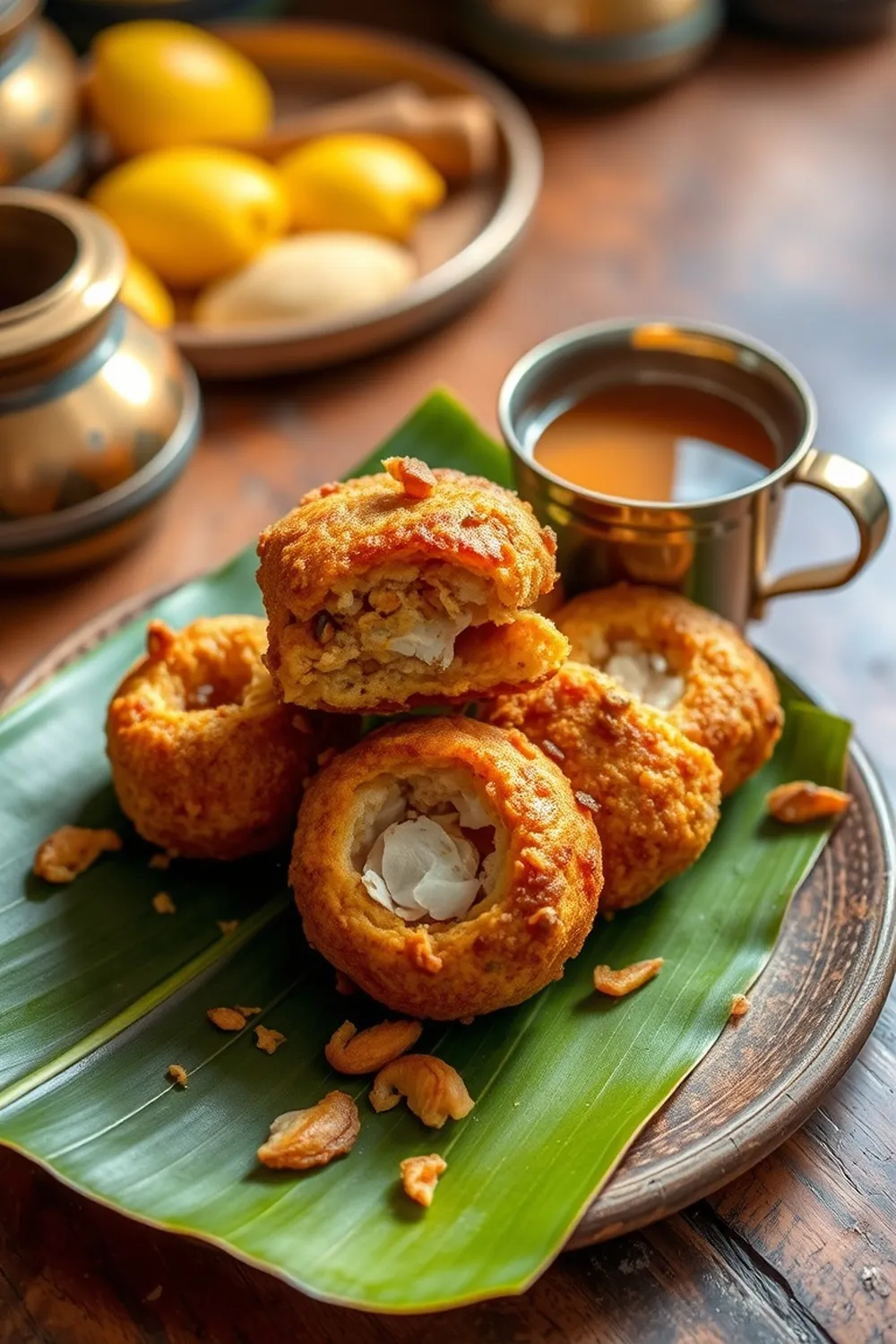
Okay, let’s be real – Modak is comfort. Growing up, Ganesh Chaturthi wasn’t complete without my Aaji (grandmother) making these little pockets of joy. The aroma of coconut and jaggery would fill the entire house! This Poppy Seed Coconut Modak recipe is a slightly different take on her classic, adding a lovely nutty flavour from the poppy seeds. It’s a little more involved than some sweets, but trust me, the result is SO worth it.
Why You’ll Love This Recipe
These aren’t just delicious; they’re special. Modak are traditionally offered to Lord Ganesha, and making them feels like a little act of devotion. But even if you’re not making them for a festival, they’re a fantastic treat to share with family and friends. The combination of sweet coconut, fragrant cardamom, and the subtle crunch of poppy seeds is just divine. Plus, who can resist a beautifully steamed dumpling?
Ingredients
Here’s what you’ll need to create these little bundles of happiness:
- 1 cup rice flour
- ?? teaspoon salt
- ?? cup boiling water
- 2 teaspoons coconut oil (for the dough)
- 1 tablespoon coconut oil (for greasing)
- 1 ½ cup freshly grated coconut
- ?? cup jaggery
- 3 cardamom, crushed
- ?? tablespoon poppy seeds
Ingredient Notes
Let’s talk ingredients! Getting these right makes all the difference.
- Rice Flour: This is key for the soft, delicate outer shell. You can find it at most Indian grocery stores.
- Coconut Oil: I prefer coconut oil for that subtle coconut flavour, but you can use any neutral oil if you prefer.
- Jaggery: Jaggery is unrefined cane sugar, and it gives Modak their unique flavour. Darker jaggery has a more robust flavour, while lighter jaggery is milder. Experiment to find what you like!
- Poppy Seeds: Roasting the poppy seeds really brings out their flavour. Don’t skip this step!
- Cardamom: Freshly crushed cardamom is best. The aroma is incredible. Regional variations often adjust the amount of cardamom – some families love a really strong spice flavour, others prefer it more subtle.
Step-By-Step Instructions
Alright, let’s get cooking! Don’t be intimidated, I’ll walk you through it.
- First, let’s roast those poppy seeds. In a dry saucepan, roast the poppy seeds for about 2 minutes over medium heat. Keep stirring so they don’t burn! Set them aside to cool.
- Now, for the filling. In a pot, melt the jaggery with ½ cup of water. You’ll want to stir this constantly to prevent sticking. Once melted, strain the jaggery through a fine-mesh sieve to remove any impurities. Return the strained jaggery to the pot and simmer until it thickens slightly – it should coat the back of a spoon.
- Add the grated coconut to the jaggery syrup and cook for about 5 minutes, stirring continuously, until the mixture thickens and comes together.
- Stir in the crushed cardamom and the roasted poppy seeds. Mix well and let the filling cool slightly. Once cool enough to handle, divide it into 9 equal portions and roll into small balls.
- Time for the dough! Bring the water to a boil with the salt and 2 teaspoons of coconut oil. Once boiling, slowly add the rice flour, stirring constantly to form a soft dough.
- Let the dough cool slightly, then knead it until it’s smooth and pliable. Divide the dough into 9 equal portions.
- Flatten each dough portion into a thin disc (about 3-4 inches in diameter). Place one filling ball in the center of each disc. Carefully bring the edges of the dough together to seal the filling inside, forming a dumpling shape.
- Grease a steamer with coconut oil. Place the Modaks in the steamer, leaving some space between them. Steam for 15-20 minutes, or until the Modaks are shiny and slightly translucent.
Expert Tips
- Don’t overcook the jaggery syrup, or it will become too hard.
- Make sure the dough is smooth and doesn’t have any cracks, or it might break while steaming.
- If the dough is too sticky, add a little more rice flour. If it’s too dry, add a teaspoon of hot water.
Variations
Want to switch things up? Here are a few ideas:
- Vegan Adaptation: Simply substitute the coconut oil with a vegan ghee or another neutral oil.
- Gluten-Free: This recipe is naturally gluten-free, as long as your rice flour is certified gluten-free.
- Spice Level Adjustment: My friend Priya loves to add a pinch of nutmeg to the filling for a warmer flavour. Feel free to experiment!
- Ganesh Chaturthi Adaptation: Traditionally, Modak are offered to Lord Ganesha with a specific number of folds (usually 7). Try to master that technique for a truly authentic touch!
Serving Suggestions
These are best enjoyed warm, fresh from the steamer. A cup of chai is the perfect accompaniment! You can also serve them with a sprinkle of grated coconut on top.
Storage Instructions
Leftover Modaks can be stored in an airtight container in the refrigerator for up to 3 days. Reheat them gently in a steamer or microwave before serving. You can also freeze them for up to a month.
FAQs
Let’s answer some common questions:
1. What type of jaggery is best for Modak?
Honestly, it’s personal preference! Darker jaggery has a stronger, more molasses-like flavour, while lighter jaggery is milder. I usually use a medium-dark jaggery.
2. Can I use store-bought coconut instead of freshly grated?
You can, but freshly grated coconut really makes a difference in flavour and texture. If you must use store-bought, opt for unsweetened shredded coconut.
3. How do I know when the jaggery syrup has reached the right consistency?
The syrup should coat the back of a spoon. When you run your finger across the coated spoon, the coating shouldn’t immediately run off.
4. Can these Modaks be made ahead of time and frozen?
Yes! You can freeze the assembled Modaks before steaming. When you’re ready to serve, steam them directly from frozen, adding a few extra minutes to the steaming time.
5. What is the significance of Modak in Indian culture?
Modak are Lord Ganesha’s favourite sweet! They are offered to him during Ganesh Chaturthi as a symbol of prosperity and good fortune. The round shape of the Modak is said to represent the universe.


Neha Deshmukh
Neha holds a B.A. in History with a focus on Indian and world history, including ancient, medieval, and modern periods. At RecipesOfIndia.org — the world’s largest database of Indian recipes — she combines her love for food and history by exploring how India’s past has shaped its culinary traditions.