- Prepare the sourdough starter by combining 15g active starter, 40g bread flour, 10g rye flour, and 50g water. Let it rest until doubled in size (4-5 hours).
- Boil butterfly pea flowers in water to create blue-colored tea. Dissolve beetroot powder in water for red dough (optional: add a small amount of food coloring for a more vibrant color).
- Autolyse the flours and water for each dough (white, blue, and red) separately. Rest for 30-45 minutes.
- Incorporate the starter into each dough. Add salt and the remaining water after 30 minutes. Mix thoroughly until combined.
- Perform stretch and folds every 30-60 minutes for 2-3 hours to develop gluten structure.
- Laminate the doughs by spreading each color into thin sheets and layering them. Allow 30-60 minute intervals between coil folds.
- Shape the dough into a boule: fold the edges toward the center, creating surface tension, and place seam-up in a well-floured proofing basket.
- Cold-proof the shaped dough in the refrigerator for 12-14 hours.
- Preheat the Dutch oven at 450°F (230°C). Score the dough and bake covered for 25 minutes. Remove the lid and bake for an additional 20 minutes.
- Cool completely on a wire rack before slicing.
- Calories:200 kcal25%
- Energy:836 kJ22%
- Protein:10 g28%
- Carbohydrates:65 mg40%
- Sugar:2 mg8%
- Salt:450 g25%
- Fat:2.5 g20%
Last Updated on 5 months ago by Neha Deshmukh
Rainbow Sourdough Bread Recipe – Beetroot & Butterfly Pea Flower Swirls
Hello fellow bread lovers! I’m so excited to share this recipe with you – it’s a bit of a showstopper, honestly. I first made this rainbow sourdough for a friend’s birthday, and it was such a hit. The vibrant colors, the tangy sourdough flavor… it’s a feast for the eyes and the stomach! This isn’t your everyday loaf, but trust me, the effort is totally worth it. Let’s dive in!
Why You’ll Love This Recipe
This Rainbow Sourdough isn’t just about looks (though, let’s be real, it is stunning!). It’s about taking the ancient art of sourdough and giving it a playful, modern twist. The natural coloring from beetroot and butterfly pea flower makes it a unique and healthy treat. Plus, the process of making sourdough is incredibly rewarding – there’s something magical about nurturing a starter and watching it transform into a beautiful loaf. It’s a little bit of patience, a little bit of science, and a whole lot of deliciousness.
Ingredients
Here’s what you’ll need to create this colorful masterpiece:
- 15g sourdough starter
- 40g bread flour
- 10g rye flour
- 50g water
- 175g Bread flour
- 15g Rye flour
- 10g Spelt flour
- 15g Starter
- 4g Salt
- 168.8g water
- 7g butterfly pea flower (dried)
- 200g water
- 15g Beetroot powder
- 168.8g water
- 2 drops Red food color (optional, for a more vibrant red)
Ingredient Notes
Let’s talk ingredients! Getting these right will make all the difference.
- Sourdough Starter: A happy starter is key. If yours isn’t active, feed it a couple of times before starting this recipe. I usually feed mine 1:1:1 (starter:flour:water) and let it double in size.
- Flour Power: I love using a mix of bread flour, rye, and spelt. Bread flour gives structure, rye adds a lovely tang, and spelt brings a subtle sweetness. You can experiment with different ratios, but this blend works beautifully.
- Butterfly Pea Flower: This is where the magic happens! Dried butterfly pea flowers create a stunning natural blue color. You can find them online or at Asian grocery stores.
- Beetroot Powder: Another natural wonder! Beetroot powder gives a gorgeous red hue. Make sure it’s a good quality powder for the best color. A tiny drop of red food coloring can boost the vibrancy if you like.
- Water: Good quality water is important. Filtered water is best.
Step-By-Step Instructions
Alright, let’s get baking!
- Wake Up the Starter: First, prepare the sourdough starter. Combine 15g starter, 40g bread flour, 10g rye flour, and 50g water in a jar. Give it a good mix and let it rest until it doubles in size – usually around 4-5 hours, depending on your kitchen temperature.
- Color Time!: While the starter is doing its thing, let’s create our colors. Boil the butterfly pea flowers in 200g of water to create a deep blue tea. Strain the flowers out. Separately, dissolve 15g of beetroot powder in 168.8g of water. Add 2 drops of red food coloring if desired.
- Autolyse: This is a crucial step for a tender crumb. In three separate bowls, autolyse the flours with water. For the white dough, mix 175g bread flour with 168.8g water. For the blue dough, mix 15g rye flour and 10g spelt flour with the blue butterfly pea flower tea. For the red dough, mix 15g rye flour and 10g spelt flour with the beetroot water. Let each dough rest for 30-45 minutes.
- Incorporate the Starter: Now, add 15g of starter to each dough. After 30 minutes, add 4g of salt and the remaining water to each dough. Mix thoroughly until everything is well combined.
- Stretch and Fold: This develops the gluten and gives the bread its structure. Perform stretch-and-fold every hour for 2 hours. This means gently stretching a portion of the dough upwards and folding it over itself. Rotate the bowl and repeat several times.
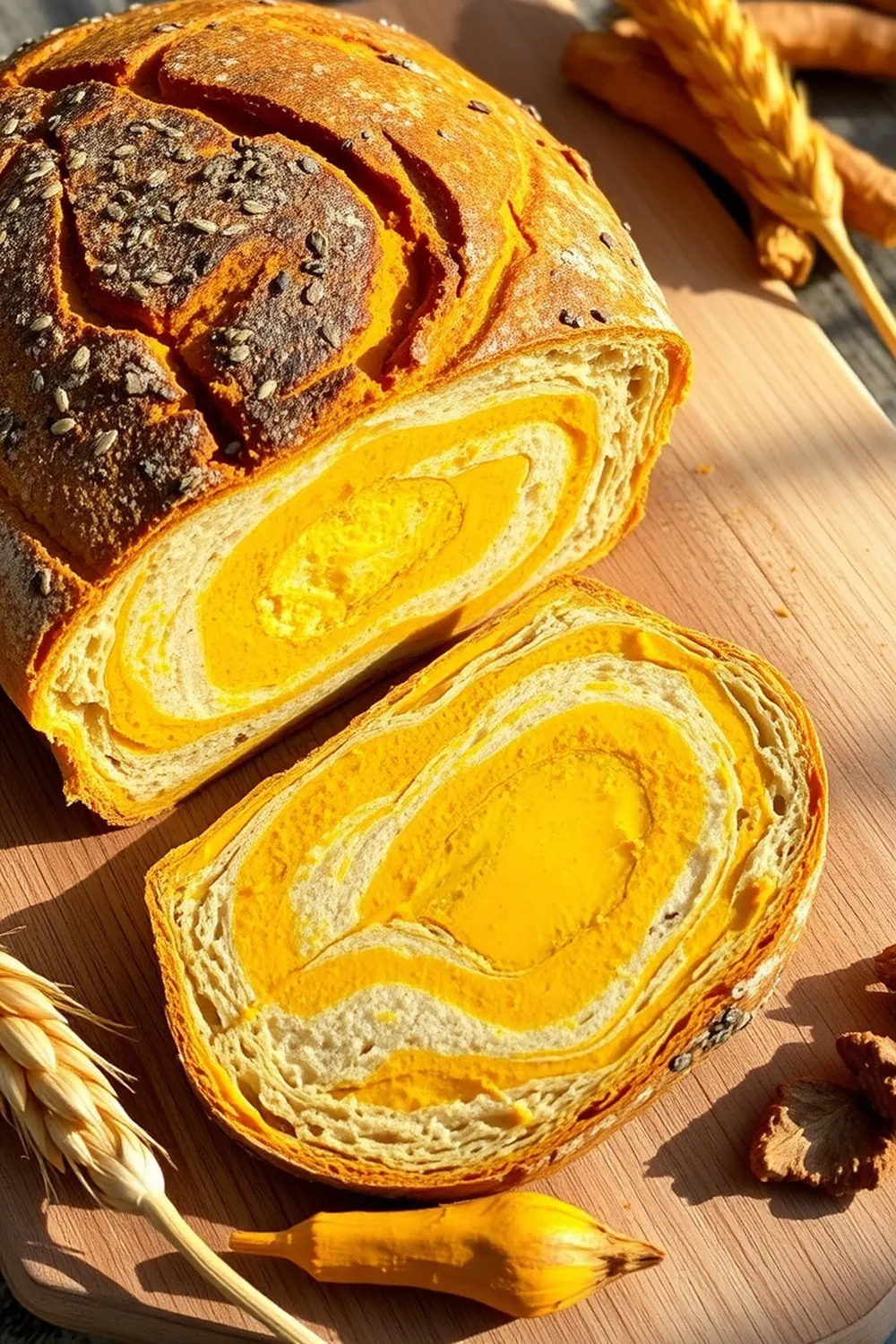
- Laminate the Colors: This is where the rainbow magic happens! Spread each dough into a thin sheet. Layer the colors on top of each other, creating a beautiful swirl. Gently coil the dough and allow 1-hour intervals between coil folds.
- Shape and Proof: Shape the dough into a boule (a round loaf). Gently fold the edges towards the center, creating surface tension. Place the shaped dough seam-up in a well-floured proofing basket.
- Cold Proof: Cover the basket and refrigerate the dough for 12-14 hours. This slow fermentation develops flavor and makes the dough easier to score.
- Bake: Preheat your Dutch oven to 450°F (230°C). Carefully remove the dough from the basket, score the top with a sharp knife or lame, and bake covered for 25 minutes. Then, uncover and bake for another 20 minutes, or until the crust is golden brown and the internal temperature reaches 200-210°F (93-99°C).
- Cool: Let the bread cool completely on a wire rack before slicing. I know it’s tempting to dig in right away, but trust me, it’s worth the wait!
Expert Tips
- Hydration is Key: Sourdough can be finicky. Adjust the water slightly if your dough feels too dry or too sticky.
- Stretch and Folds: Don’t skip these! They’re essential for gluten development.
- Scoring: Scoring allows the bread to expand properly in the oven. A sharp knife or lame is best. Experiment with different patterns!
Variations
- Vegan Adaptation: This recipe is naturally vegan! Just ensure your starter is vegan-friendly (no honey).
- Gluten-Free Adaptation: This is trickier, but possible! Use a good quality gluten-free flour blend designed for bread making. You might need to adjust the hydration.
- Spice Level: While this recipe isn’t spicy, you could add a pinch of chili flakes to the red dough for a subtle kick.
- Festival Adaptations: During festivals, get creative with the shaping! You could braid the dough or create intricate designs.
Serving Suggestions
This bread is amazing on its own, but it also pairs well with:
- A simple cheese board
- A hearty soup
- Avocado and a sprinkle of sea salt
- Your favorite Indian curry!
Storage Instructions
Store leftover bread in an airtight container at room temperature for up to 3 days, or in the freezer for longer storage.
FAQs
(1) What is the best way to maintain a sourdough starter?
Feed it regularly! I usually feed mine once a week if it’s in the fridge, and every day if it’s on the counter. Discarding a portion before feeding helps keep it healthy.
(2) Can I use different flours in this recipe, and how will it affect the outcome?
Absolutely! Experimenting with flours is part of the fun. Whole wheat flour will give a nuttier flavor and denser texture.
(3) What if I don’t have a Dutch oven – can I bake this bread differently?
You can bake it on a baking stone or sheet pan. Create steam in the oven by placing a pan of hot water on the bottom rack.
(4) How can I achieve a more vibrant color swirl in the bread?
Use high-quality beetroot powder and butterfly pea flower. A tiny drop of red food coloring can also help boost the red.
(5) My dough isn’t rising properly – what could be the issue?
Your starter might not be active enough, or the temperature might be too cold. Make sure your kitchen is warm enough, and give your starter a boost.
(6) Can I skip the cold proofing stage? What will be the impact?
You can, but the flavor won’t be as developed, and the dough will be harder to score. Cold proofing is highly recommended!
Enjoy baking, and don’t be afraid to get creative! Happy baking!



Neha Deshmukh
Neha holds a B.A. in History with a focus on Indian and world history, including ancient, medieval, and modern periods. At RecipesOfIndia.org — the world’s largest database of Indian recipes — she combines her love for food and history by exploring how India’s past has shaped its culinary traditions.