- Heat ghee in a kadai or pan.
- Add rava (semolina) and roast while stirring continuously until golden brown and fragrant.
- Add boiling water and stir continuously to prevent lumps. Cook until the water is absorbed.
- Add sugar and stir until it is completely dissolved and absorbed.
- Cool slightly. Add more ghee and cardamom powder. Knead into a soft dough.
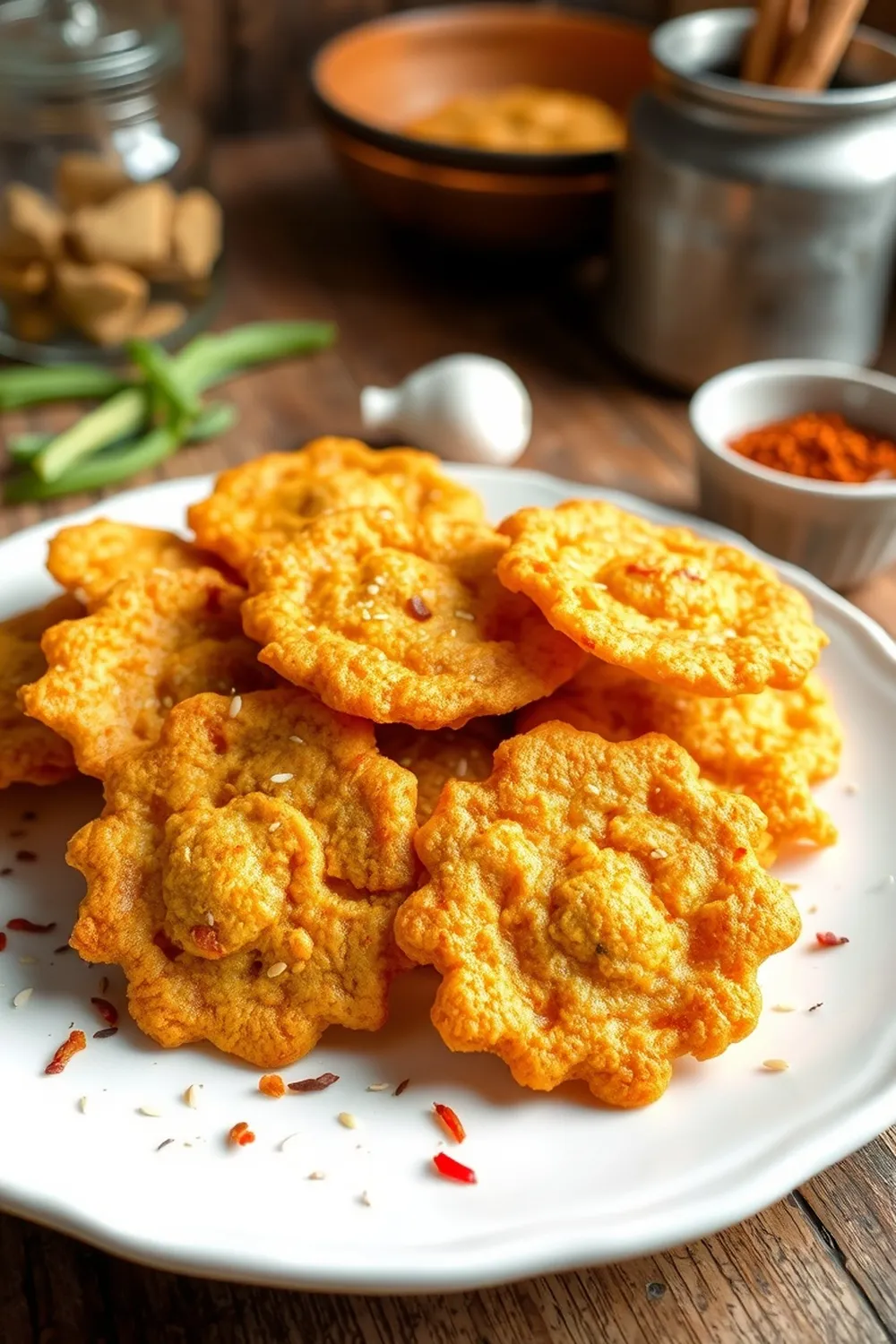
- Shape the dough into small discs and deep fry in hot oil or ghee until golden brown on both sides.
- Drain on paper towels to remove excess oil and serve warm.
- Calories:103 kcal25%
- Energy:430 kJ22%
- Protein:2 g28%
- Carbohydrates:23 mg40%
- Sugar:14 mg8%
- Salt:2 g25%
- Fat:1 g20%
Last Updated on 6 months ago by Neha Deshmukh
Rava Laddu Recipe – Easy Semolina Sweet with Cardamom & Ghee
Hey everyone! If you’re looking for a classic Indian sweet that’s surprisingly easy to make, you’ve come to the right place. Rava Laddu – those golden, melt-in-your-mouth semolina balls – are a staple in many Indian households, and honestly, they’re one of my favorites. I first made these for Diwali when I was still learning to cook, and they were a hit! This recipe is a little bit of sunshine in every bite, and I can’t wait to share it with you.
Why You’ll Love This Recipe
These Rava Laddu are perfect for so many reasons! They come together relatively quickly – about 20 minutes of cooking time – and don’t require any complicated techniques. Plus, the combination of semolina, ghee, sugar, and cardamom is just heavenly. They’re perfect for festivals, celebrations, or just a sweet treat with your evening chai.
Ingredients
Here’s what you’ll need to make these delightful little ladoos:
- 1 cup Rava / Semolina (approximately 150g)
- 1 cup Sugar (approximately 200g)
- 1.5 cups Water (360ml)
- 1.5 tsp Ghee (approximately 7.5g)
- 0.25 tsp Cardamom Powder (approximately 1.25g)
Ingredient Notes
Let’s talk ingredients! Getting these right will make all the difference.
Rava / Semolina: Types and Toasting
There are different types of rava available – fine, medium, and coarse. I prefer using medium rava for this recipe, as it gives the ladoos a nice texture. You can lightly toast the rava in a dry pan for a few minutes before starting, which enhances the nutty flavor. Just be careful not to burn it!
Ghee: The Importance of Quality & Flavor
Ghee is key to the flavor and texture of these ladoos. Don’t skimp on quality here! Homemade ghee is amazing if you have the time, but a good quality store-bought ghee works perfectly too. The ghee adds a richness that you just can’t replicate.
Cardamom: Freshly Ground vs. Store-Bought
Freshly ground cardamom is always best – the aroma is incredible! But if you’re short on time, good quality store-bought cardamom powder will do. Just make sure it’s relatively fresh.
Sugar: Adjusting Sweetness Levels
I like my ladoos on the sweeter side, but you can adjust the amount of sugar to your preference. Start with 1 cup and taste as you go.
Water: Role in Texture
The water is crucial for cooking the rava to the right consistency. It needs to be absorbed completely for the ladoos to hold their shape.
Step-By-Step Instructions
Alright, let’s get cooking!
- First, boil the water and ghee together in a kadai (a deep, heavy-bottomed pan). This is where the magic begins!
- Once boiling, add the rava slowly, while stirring continuously. This is super important to prevent lumps from forming. Keep stirring!
- Cover the kadai and let it simmer for about 2 minutes, or until the rava is cooked through. You’ll know it’s ready when the mixture starts to come together and doesn’t feel grainy.
- Now, add the sugar and continue to simmer, stirring constantly, until the sugar is completely dissolved and absorbed. The mixture will look glossy.
- Take the kadai off the heat and let the mixture cool slightly. Once it’s cool enough to handle, add the cardamom powder and mix well.
- Add a little extra ghee (about a teaspoon) and start kneading the mixture into a soft, pliable dough. Don’t over-knead it!
- Pinch off small portions of the dough and shape them into smooth, round discs.
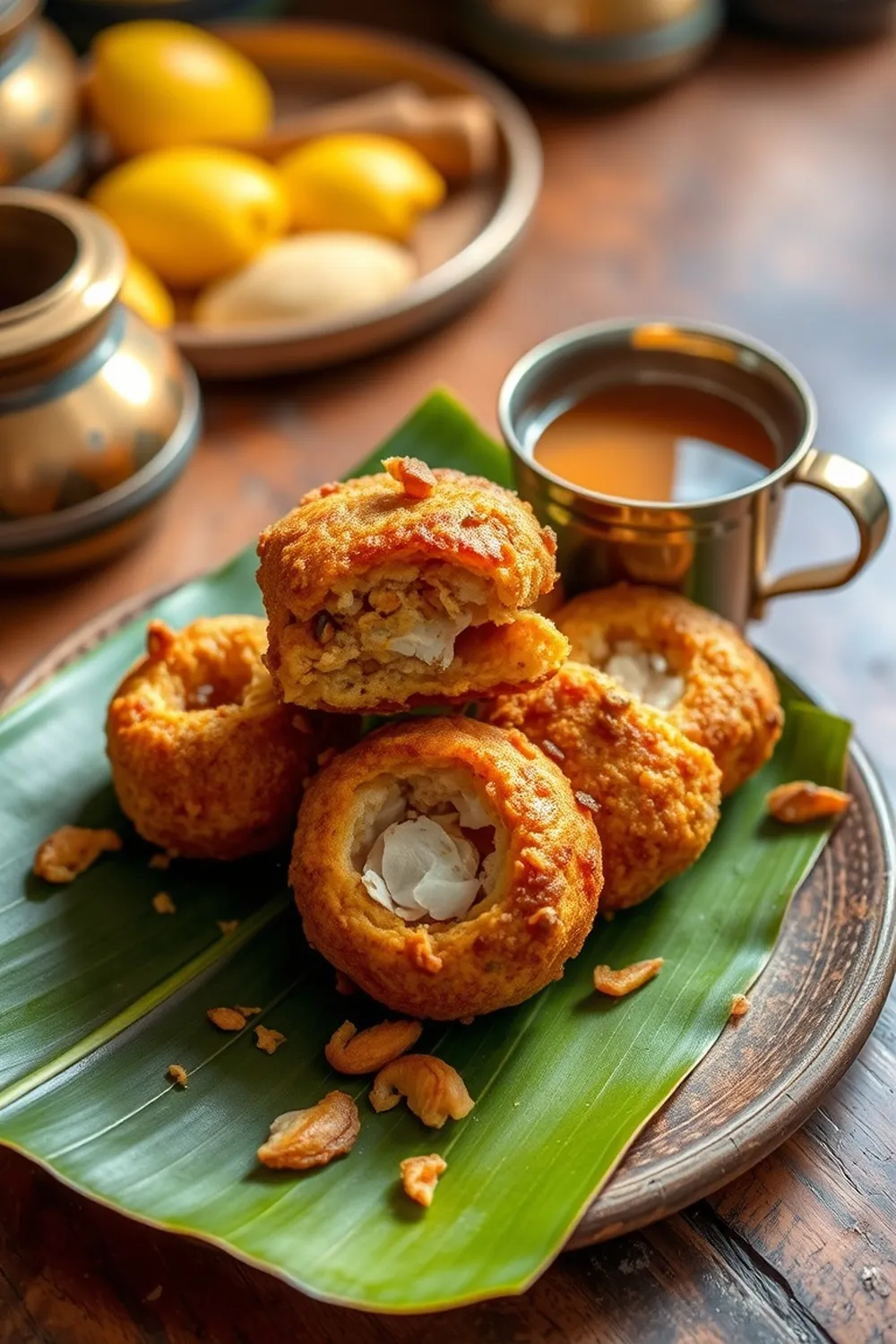
- Heat oil or ghee in a separate pan for deep frying. Once hot, carefully drop the ladoos into the oil/ghee and fry until they are golden brown on all sides.
- Remove the ladoos from the oil/ghee and drain them on a paper towel to remove any excess oil.
- Serve warm and enjoy!
Expert Tips
Here are a few things I’ve learned over the years to make the perfect Rava Laddu:
Achieving the Perfect Laddu Shape
A little ghee on your palms helps prevent the dough from sticking when shaping the ladoos.
Preventing Cracks in Laddu
Cracks usually happen if the dough is too dry. Add a tiny bit of warm milk or water, a teaspoon at a time, until the dough comes together.
Troubleshooting a Sticky Dough
If the dough is too sticky, add a tablespoon of rava at a time until it reaches the right consistency.
Ensuring Even Cooking During Frying
Maintain a medium heat while frying. If the oil is too hot, the ladoos will brown quickly on the outside but remain uncooked inside.
Variations
Want to switch things up? Here are a few ideas:
Vegan Rava Laddu
Substitute the ghee with coconut oil or any other vegan-friendly oil.
Gluten-Free Rava Laddu
Make sure your rava is certified gluten-free, as some brands may process it in facilities that also handle wheat.
Spice Level Adjustments (Adding Nuts & Saffron)
My family loves adding a handful of chopped cashews and almonds to the dough. A pinch of saffron strands soaked in a tablespoon of warm milk also adds a beautiful color and flavor.
Festival Adaptations (Ganesh Chaturthi, Diwali)
For Ganesh Chaturthi, you can shape the ladoos into small elephant shapes! For Diwali, a little edible silver leaf (varak) adds a festive touch.
Serving Suggestions
Rava Laddu are delicious on their own, but they also pair beautifully with a glass of warm milk or a cup of masala chai. They’re a perfect sweet treat to share with family and friends.
Storage Instructions
Store the cooled ladoos in an airtight container at room temperature for up to a week. They can also be stored in the refrigerator for up to two weeks, but they might become slightly harder.
FAQs
What type of rava is best for making laddu?
Medium rava is generally preferred, but you can use fine or coarse rava depending on your preference.
Can I make rava laddu without ghee? What can I substitute?
While ghee gives the best flavor, you can substitute it with coconut oil or vegetable oil. The taste will be slightly different, but still delicious!
How do I know when the rava is cooked properly?
The rava is cooked when the mixture starts to come together and doesn’t feel grainy. It should have a soft, slightly sticky consistency.
My laddu dough is too dry, what should I do?
Add a teaspoon of warm milk or water at a time until the dough comes together.
How long can I store rava laddu and how?
You can store them in an airtight container at room temperature for up to a week, or in the refrigerator for up to two weeks.
Can I add nuts or dry fruits to this recipe?
Absolutely! Cashews, almonds, raisins, and pistachios are all great additions.
I hope you enjoy making these Rava Laddu as much as I do! Let me know how they turn out in the comments below. Happy cooking!


Neha Deshmukh
Neha holds a B.A. in History with a focus on Indian and world history, including ancient, medieval, and modern periods. At RecipesOfIndia.org — the world’s largest database of Indian recipes — she combines her love for food and history by exploring how India’s past has shaped its culinary traditions.