- Soak Seeraga Samba rice in water for 15 minutes, then drain.
- Heat oil and ghee in a pressure cooker. Add cinnamon, cloves, bay leaf, cardamom, stone flower, and green chilies. Sauté until aromatic.
- Add chopped onions and tomatoes. Cook on low heat until softened (about 5 minutes).
- Mix in mint leaves, ginger-garlic paste, red chili powder, and salt. Cook for 3 minutes until the spices blend.
- Add drained rice and coconut milk. Pour in water and mix well.
- Pressure cook for 1 whistle on medium-high heat, then simmer for 3 minutes. Turn off the heat.
- Let the pressure release naturally. Fluff the rice gently and garnish with coriander leaves.
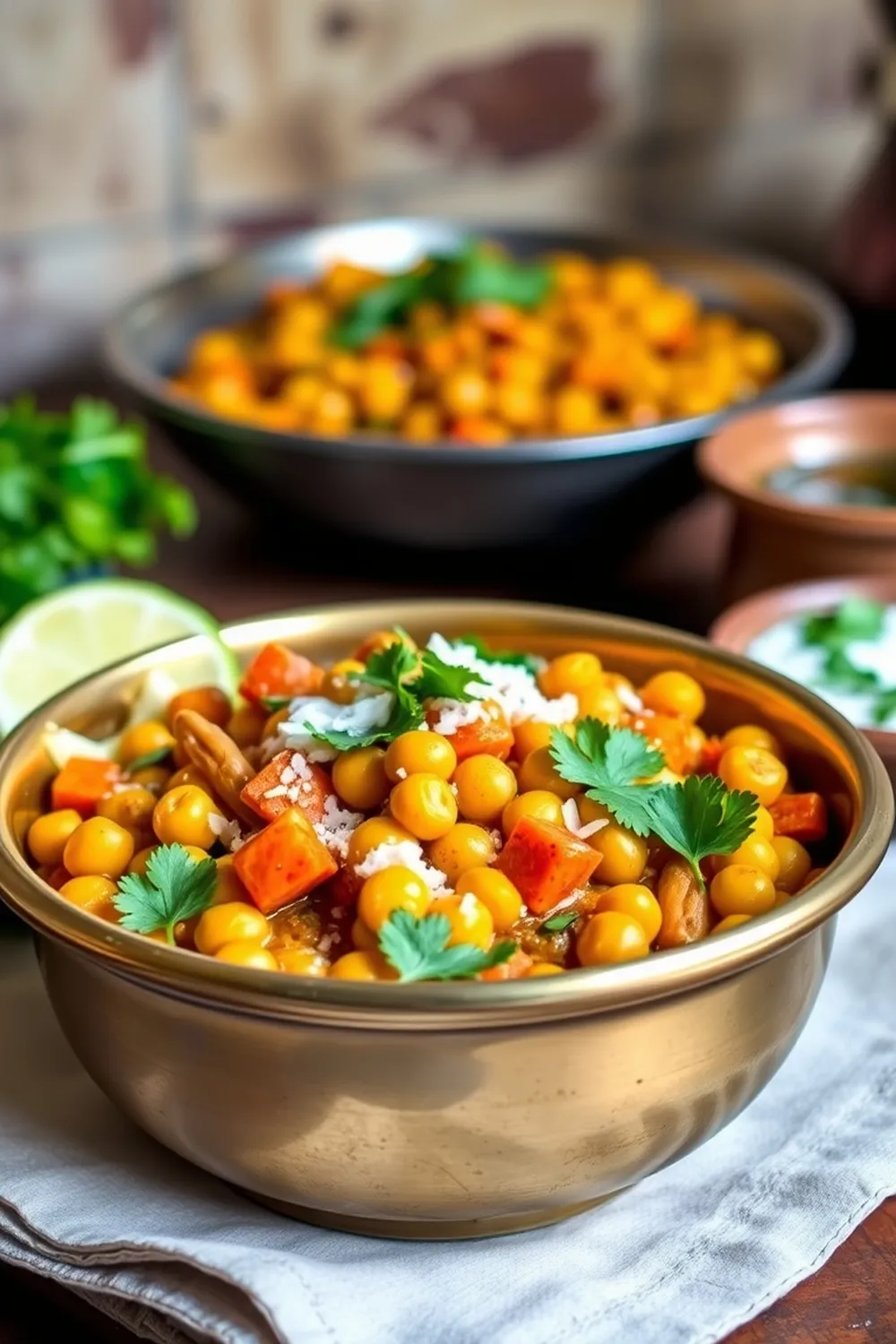
- Serve hot with onion raita or kurma.
- Calories:509 kcal25%
- Energy:2129 kJ22%
- Protein:8 g28%
- Carbohydrates:78 mg40%
- Sugar:0.2 mg8%
- Salt:33 g25%
- Fat:18 g20%
Last Updated on 5 months ago by Neha Deshmukh
Seeraga Samba Rice Recipe – Authentic Indian Flavors & Coconut Milk
Hey everyone! Today, I’m sharing a recipe that’s close to my heart – Seeraga Samba Rice. It’s a fragrant, flavorful dish that always reminds me of festive lunches at my grandmother’s house. This isn’t just rice; it’s an experience! It’s a little different than your everyday rice, and I can’t wait to show you how to make it.
Why You’ll Love This Recipe
This Seeraga Samba Rice is special. It’s incredibly aromatic, thanks to the unique spices and the wonderful seeraga samba rice itself. The coconut milk adds a subtle sweetness and richness that makes it utterly irresistible. Plus, it’s surprisingly easy to make, especially with a pressure cooker! It’s perfect for a special occasion or just a comforting weeknight meal.
Ingredients
Here’s what you’ll need to create this deliciousness:
- 1 cup seeraga samba rice
- 1.5 cups water
- 0.25 cup coconut milk (about 60ml)
- 1 big onion, chopped
- 0.25 cup mint leaves, chopped
- 1 tomato, chopped
- 1 teaspoon ginger garlic paste
- 0.5 teaspoon red chilli powder (about 2.5g)
- 2 teaspoons coriander leaves, chopped (for garnish)
- 2 teaspoons oil (about 10ml)
- 1 tablespoon ghee (about 15ml)
- 0.5 inch cinnamon stick
- 2 cloves
- 1 bayleaf
- 1 cardamom pod
- 0.25 teaspoon stone flower (kalpasi)
- 1 green chilli, slit
Ingredient Notes
Let’s talk ingredients! A few little tips from my kitchen to yours:
- Seeraga Samba Rice: This is the star! It’s a short-grain rice known for its aroma and fluffy texture. We’ll dive deeper into this later.
- Coconut Milk: I prefer using full-fat coconut milk for the richest flavor. You can use light coconut milk if you prefer, but the texture won’t be quite as creamy. Freshly squeezed is amazing if you can get it!
- Stone Flower (Kalpasi): Don’t skip this! It adds a unique, earthy flavor that’s essential to South Indian cuisine. It can be found in Indian grocery stores.
- Spices: Fresh spices are always best. If you’re using older spices, you might want to add a little extra to compensate for the lost potency.
- Oil & Ghee: Ghee adds a beautiful nutty flavor, but you can use all oil if you prefer. I like a neutral oil like sunflower or vegetable oil.
Seeraga Samba Rice: A Unique Grain
Seeraga Samba Rice, also known as ‘Jeera Samba’ is a fragrant, short-grain rice variety primarily grown in South India. The name comes from its resemblance to cumin seeds (seeragam in Tamil). It’s known for its distinct aroma, fluffy texture when cooked, and ability to absorb flavors beautifully. It’s often used in biryanis and flavorful rice dishes like this one.
Coconut Milk: Regional Variations & Benefits
Coconut milk is a staple in South Indian cooking, and its use varies by region. Some prefer a thicker, richer coconut milk, while others like it lighter. Beyond its delicious flavor, coconut milk offers health benefits too! It’s a good source of healthy fats and adds a creamy texture without relying on dairy.
Stone Flower (Kalpasi): The Secret Ingredient
Stone flower, or Kalpasi, is a lichen used as a spice in South Indian cuisine. It has a unique, earthy, and slightly smoky flavor. It’s often used in biryanis, rasams, and, of course, this rice! It might look a little unusual, but trust me, it makes all the difference.
Spices: The Heart of South Indian Cuisine
South Indian cuisine is renowned for its complex and aromatic spice blends. Cinnamon, cloves, cardamom, and bayleaf create a warm and inviting base. The addition of green chilli and red chilli powder adds a touch of heat. Don’t be afraid to experiment with the spice levels to suit your taste!
Oil & Ghee: Choosing the Right Fats
The combination of oil and ghee adds depth of flavor. Ghee, clarified butter, has a nutty aroma and a higher smoke point. Oil helps to sauté the spices without burning. Feel free to adjust the ratio based on your preference.
Step-By-Step Instructions
Alright, let’s get cooking!
- First, soak the seeraga samba rice in water for about 15 minutes. Then, drain it well. This helps the rice cook evenly and become nice and fluffy.
- Heat the oil and ghee in a pressure cooker over medium heat. Add the cinnamon, cloves, bayleaf, cardamom, stone flower, and green chilli. Sauté for a minute or two until fragrant – you’ll know it’s ready when your kitchen smells amazing!
- Add the chopped onions and tomatoes. Cook on low heat until they soften, about 5 minutes. Stir occasionally to prevent sticking.
- Now, mix in the mint leaves, ginger garlic paste, and red chilli powder. Cook for another 3 minutes, stirring constantly, until the spices are well blended and fragrant.
- Add the drained rice and coconut milk. Pour in the water and give everything a good mix. Make sure the rice is evenly coated with the spices and coconut milk.
- Close the pressure cooker lid and cook for 1 whistle on medium-high heat. Then, reduce the heat to low and simmer for 3 minutes.
- Turn off the heat and let the pressure release naturally. This is important! Don’t force it open.
- Once the pressure is released, gently fluff the rice with a fork. Garnish with fresh coriander leaves.
Expert Tips
Here are a few things I’ve learned over the years:
- Achieving the Perfect Fluffiness: Soaking the rice is key! Also, don’t overcook it. The natural pressure release is crucial for fluffy rice.
- Understanding Pressure Cooking Times: Pressure cooking times can vary depending on your cooker. Adjust accordingly. If the rice is still slightly hard after one whistle, add a little more water and cook for another minute.
- Balancing Spice Levels: Start with the amount of red chilli powder suggested and adjust to your liking. You can always add more, but you can’t take it away!
Variations
Want to switch things up? Here are a few ideas:
- Vegan Seeraga Samba Rice: Simply omit the ghee and use oil instead.
- Gluten-Free Adaptations: This recipe is naturally gluten-free!
- Spice Level Adjustments: For a milder flavor, reduce the red chilli powder to ¼ teaspoon. For a spicier kick, add another ¼ teaspoon or a pinch of cayenne pepper.
- Festival Adaptations: This rice is often made during festivals like Pongal and Onam. You can add vegetables like carrots, peas, and beans for a more festive touch.
Serving Suggestions
Serve this Seeraga Samba Rice hot with a side of onion raita or kurma. It also pairs well with a simple vegetable curry or a flavorful dal. My family loves it with a dollop of yogurt!
Storage Instructions
Leftover Seeraga Samba Rice can be stored in an airtight container in the refrigerator for up to 2 days. Reheat gently in the microwave or on the stovetop with a splash of water to prevent it from drying out.
FAQs
Let’s answer some common questions:
What is Seeraga Samba Rice and where does it originate?
It’s a fragrant, short-grain rice from South India, known for its aroma and fluffy texture. It’s primarily grown in Tamil Nadu and Karnataka.
Can I use regular rice instead of Seeraga Samba?
You can, but the flavor and texture won’t be the same. Basmati rice is the closest substitute, but it won’t have the same unique aroma.
What can I substitute for stone flower (kalpasi)?
It’s hard to replicate the exact flavor, but you can try a pinch of dried thyme or a very small piece of dried mushroom for an earthy note.
How do I adjust the spice level of this recipe?
Reduce or increase the amount of red chilli powder. You can also add a pinch of cayenne pepper for extra heat.
Can this be made in a pot instead of a pressure cooker?
Yes, but it will take longer. Cook the rice on low heat for about 20-25 minutes, or until all the water is absorbed.
How long does leftover Seeraga Samba Rice stay fresh?
Up to 2 days in an airtight container in the refrigerator.


Neha Deshmukh
Neha holds a B.A. in History with a focus on Indian and world history, including ancient, medieval, and modern periods. At RecipesOfIndia.org — the world’s largest database of Indian recipes — she combines her love for food and history by exploring how India’s past has shaped its culinary traditions.